
The Northern Territory's Top End residents have been thanked for following advice to hunker down and ride out tree-felling Cyclone Fina's damaging winds and driving rain.
After hours of enduring the storm's howling fury overnight, residents of Darwin and surrounds have emerged to learn no one has been seriously injured and property damage is less than expected.
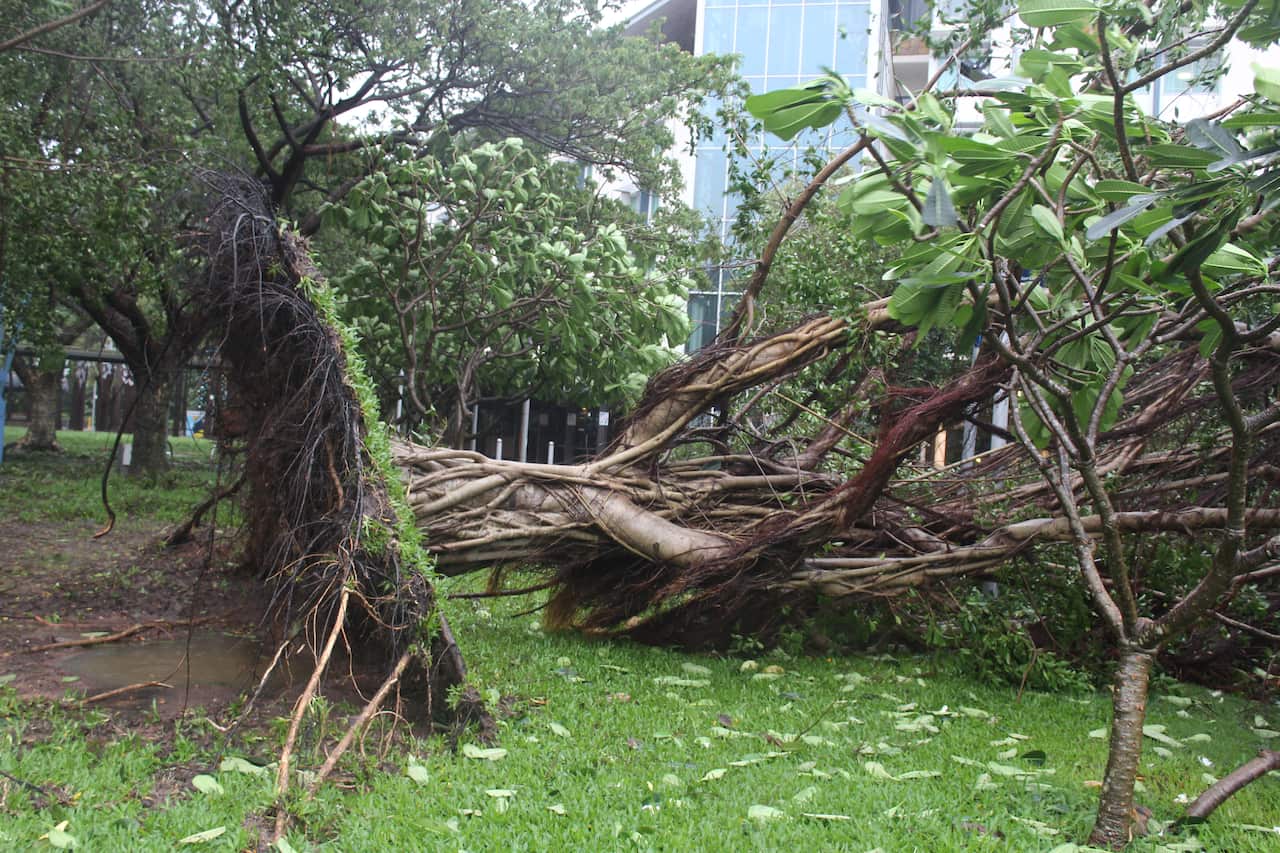
Darwin's trees did not fare so well, with dozens felled across the city and in surrounding regions.
On Sunday, Northern Territory Chief Minister Lia Finocchiaro and NT police commissioner Martin Dole praised residents for following emergency authorities' instructions.
"I just want to thank Territorians for how well they have co-operated and heeded all of the advice from our officials," Finocchiaro told reporters.
News that makes sense
Your trusted source for staying up-to-date with the world around you. Get free daily news updates and analysis, straight to your inbox.
Dole echoed the sentiment, saying Territorians' responsiveness had led to no reports of serious injuries and no significant damage across the Darwin region.
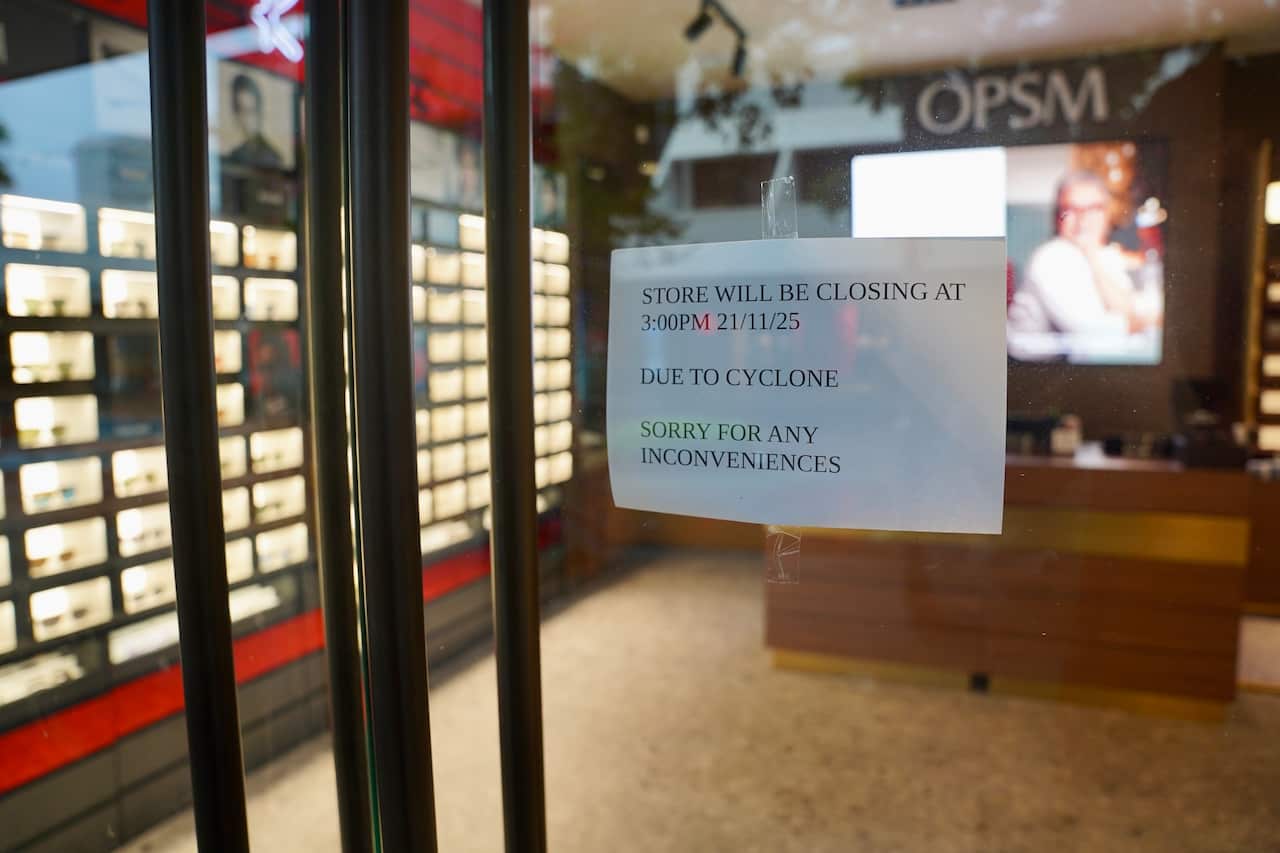
Around 19,000 homes and businesses lost power during the storm and work crews have been busy trying to restore it.
Finocchiaro said school principals had been asked to assess whether their schools were ready to resume business as usual on Monday.
Winds gusts neared 200km/h
With top gusts of 195km/h and sustained winds near the centre of the system of 140km/h, Fina tore down trees, damaged houses and cut power in many places.
The storm is the strongest cyclone to approach Darwin since Tracy devastated the capital in 1974, but as of Sunday morning there were no reports of serious injuries or damage.
Households in Darwin, where gusts reached 107km/h, and surrounding areas, were told by emergency authorities on Friday to stay in their homes or emergency shelters until given the all-clear.
Category-three Fina brought destructive winds and heavy downpours to remote Tiwi Islands communities, then Darwin and surrounds on Saturday and into Sunday.
It was a noisy and in many cases sleepless night for Darwin residents as high winds rattled, banged and shook everything in their path.
Work crews with chainsaws have their work cut out for them in the coming days as the clean-up gets underway.
Prime Minister Anthony Albanese said the Commonwealth was providing "every bit of support requested" and his thoughts were with Northern Territorians.
Footage showed sheets of rain pouring from roofs during the peak of the cyclone, while huge trees toppled into backyards and roads.
Emergency shelters were open in Darwin, nearby Palmerston and adjacent rural areas, with people urged to bring their own bedding and food.
A section of roof at the Royal Darwin Hospital collapsed, with bricks and debris littering the corridor floor, but there were no injuries.
Cyclone Fina moving offshore
Fina is now moving offshore towards the west, and forecasts say it may intensify to a category four storm.
A warning zone remains in place for Wadeye to Cape Hotham, including Darwin, the Tiwi Islands, Dundee Beach, Milikapiti, Pirlangimpi and Wurrumiyanga, with gusts of up to 155km/h possible.
Dean Narramore, senior meteorologist at the Bureau of Meteorology (BoM), said in inland areas, heavy rain could isolate homesteads and communities, flood roads and possibly inundate businesses if the deluge continued through Sunday.
Fina is predicted to start weakening on Monday as it nears the north Kimberley coast.
Weather authorities said on Sunday it was unlikely the cyclone would make landfall, and would gradually break apart in the coming days.
The BoM's Angus Hines said while the "very destructive core" of the cyclone has moved away from the coast, heavy and intense rainfall is expected to continue around Darwin and adjacent inland areas on Sunday.
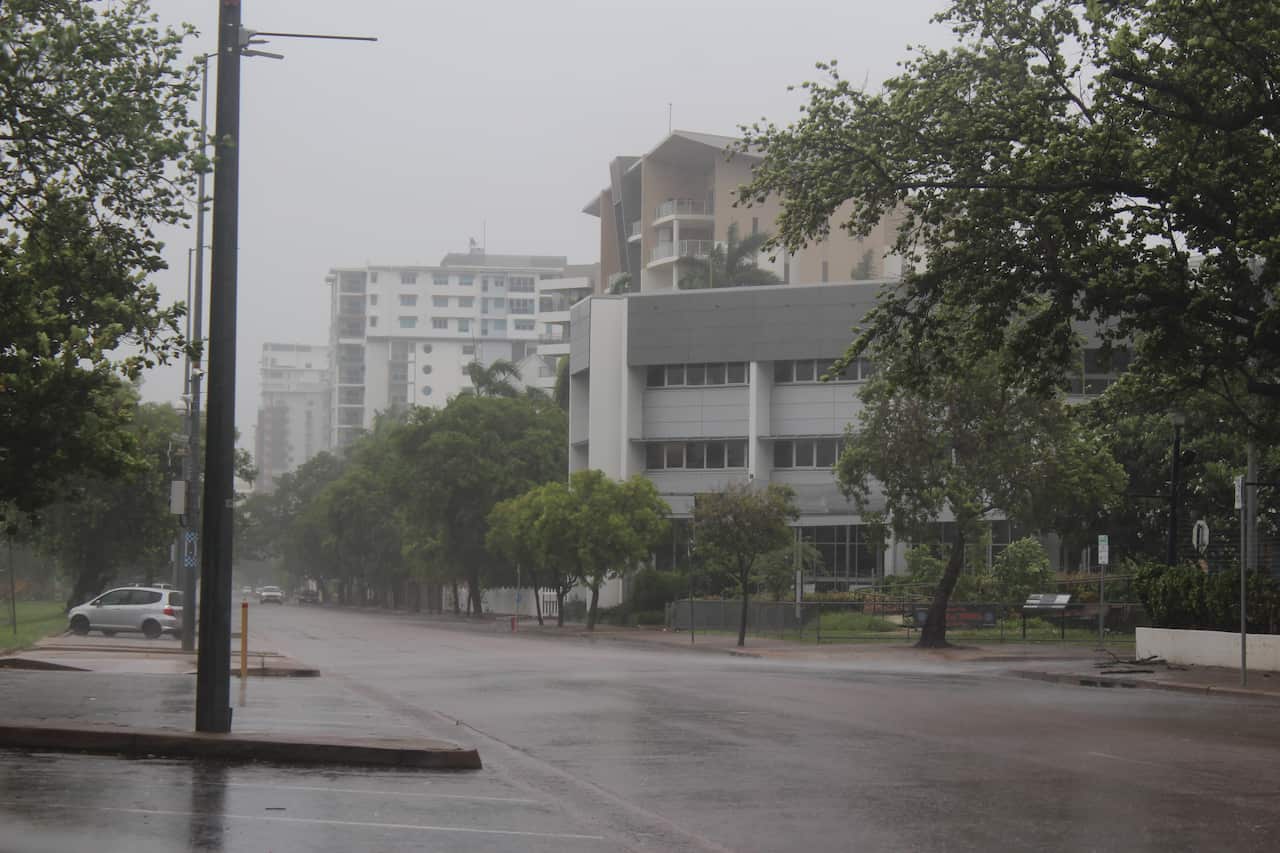
At the Darwin waterfront on Sunday morning, local resident Alastair Shields said his home lost power on Saturday night and a nearby road was blocked by a fallen tree.
"It was a bit of a rough night, windy and noisy," he told the Australian Associated Press.
"You couldn't see what was happening but you could hear trees cracking and falling. That was pretty hair-raising."
When the weather eases, repair crews will work to restore power and clean-up crews will clear the roads of fallen trees and debris.
The BoM said Fina was likely to be the strongest tropical cyclone to approach Darwin since Tracy, which killed 66 and destroyed thousands of homes.
For the latest from SBS News, download our app and subscribe to our newsletter.







