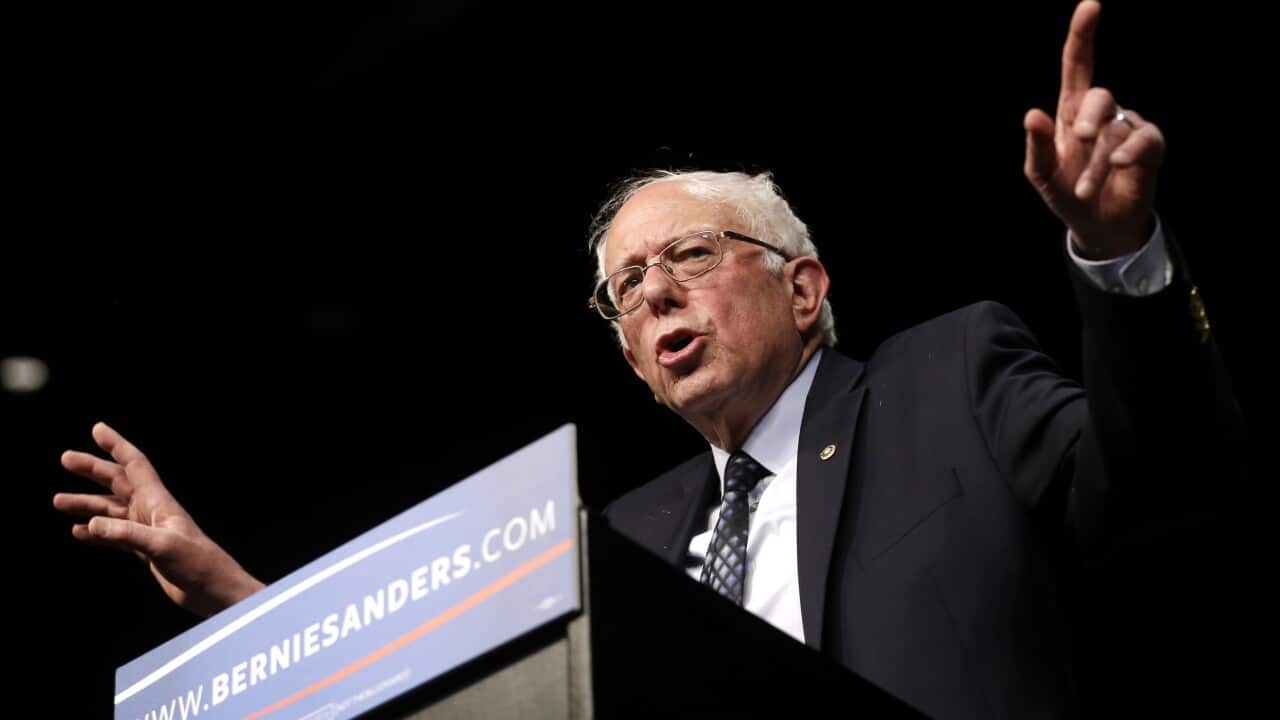
Republican Donald Trump has swept to victory in Michigan, Mississippi and Hawaii, overcoming fierce efforts to blunt his momentum, while Bernie Sanders has breathed new life into his long-shot White House bid.
Even with Sanders' win Tuesday night, Clinton and Trump moved closer to a general election face-off. Clinton breezed to an easy victory in Mississippi, propelled by overwhelming support from black voters, and she now has more than half the delegates she needs to clinch the Democratic nomination at the party's national convention in July.
Trump, too, padded his lead over Texas Senator Ted Cruz.
The brash billionaire entered Tuesday's contests facing questions about his durability and ended the night with convincing victories in primaries in Mississippi and Michigan and in caucuses in Hawaii.
Cruz added a win in Idaho, which keeps him as the prime alternative to the 69-year-old New Yorker.
News that makes sense
Your trusted source for staying up-to-date with the world around you. Get free daily news updates and analysis, straight to your inbox.
Florida Senator Marco Rubio suffered another brutal drubbing, failing to pick up any delegates in Michigan and Mississippi. He faces a critical contest in Florida next week.
Similarly, Ohio Governor John Kasich desperately needs to win his home state next Tuesday to stay in the race.
With the prospect of a Trump nomination growing more likely, rival campaigns and outside groups have significantly stepped up efforts to discredit the real estate mogul, but the flood of attacks on Trump's business record and temperament have failed to slow his rise.
"Every single person who has attacked me has gone down," Trump said at one of his Florida resorts. He was flanked by tables packed with his branded retail products, including steaks, bottled water and wine, and defended his business record more thoroughly than he outlined his policy proposals for the country.
If Rubio and Kasich cannot win in their home states, the Republican primary contest appears set to become a two-person race between Trump and Cruz.
The Texas senator is sticking close in the delegate count, and with seven states in his win column he has argued he is the only candidate standing between Trump and the Republican nomination in July.
The economy ranked high on the list of concerns for voters in Michigan and Mississippi. At least eight in 10 in each party's primary said they were worried about where the economy was heading, according to exit polls.
Among Democrats, eight in 10 voters in both states said the country's economic system benefits the wealthy, not all Americans.
Sanders has sought to tap into that concern, energising young people and white, working-class voters with the Vermont senator's calls for breaking up Wall Street banks and making tuition free at public colleges and universities.
Clinton glossed over her contest with Sanders as she addressed supporters, choosing to focus on Republicans and the general election.
"We are better than what we are being offered by the Republicans," she said.
Sanders said Michigan signalled "that we are a national campaign" after wins in different regions of the country.







