Australia has welcomed an executive order from United States President Donald Trump exempting a wide range of food imports from sweeping tariffs imposed earlier this year on nearly every country.
The move means Australian beef — one of Australia's leading exports to the US — will no longer be subject to a 10 per cent tariff.
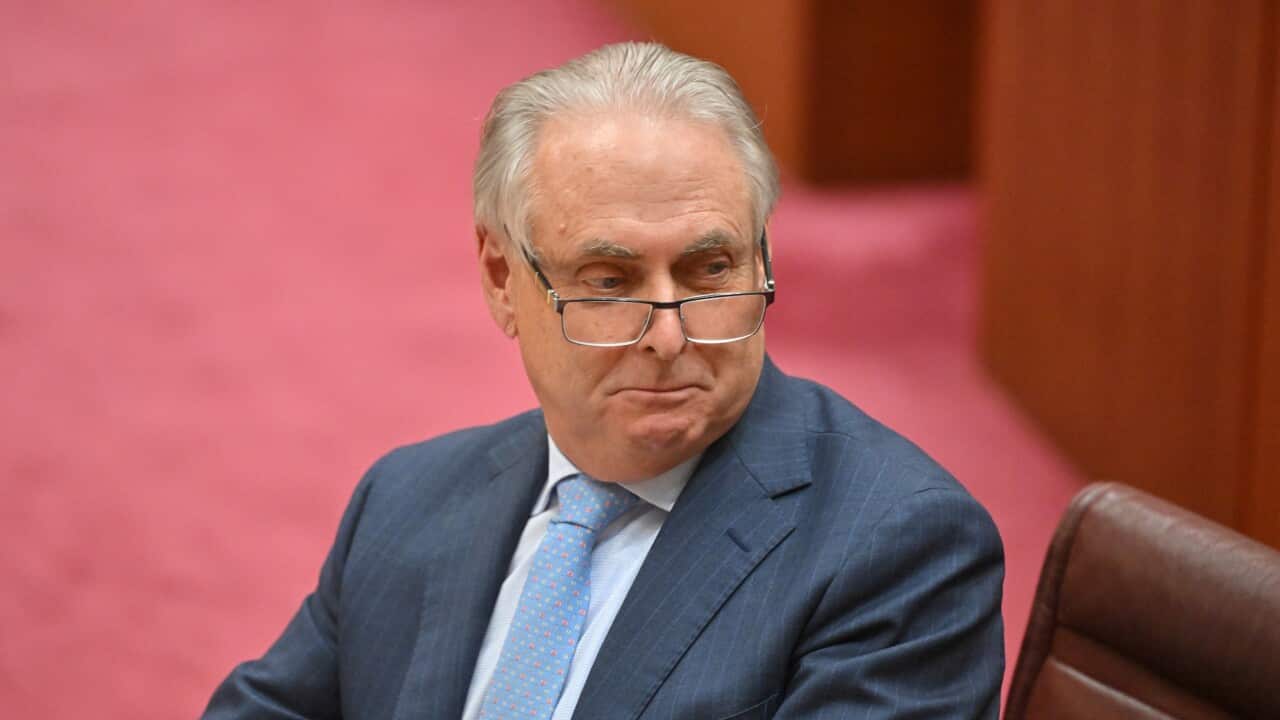
Trade Minister Don Farrell welcomed the shift, saying his government has been "consistent and clear" on the issue.
"We maintain our position that tariffs on any Australian products are unjustified, and continue to advocate for their removal," he said.
The National Farmers' Federation (NFF) also welcomed the decision, with interim chief executive Su McCluskey calling it "a sensible step that brings us back into line with the Australia-US Free Trade Agreement, which provides for zero tariffs on two-way trade".
News that makes sense
Your trusted source for staying up-to-date with the world around you. Get free daily news updates and analysis, straight to your inbox.
Meat is Australia's second largest export to America behind non-monetary gold, according to the Australian Bureau of Statistics.
In 2024, the US accounted for 30 per cent of Australia's beef exports, the United States Studies Centre found.
A sharp reversal for Trump
The order — which includes beef, tomatoes, coffee and bananas — is part of a major push by Trump and his top officials to address Americans' growing concerns about persistently high grocery prices.
The new exemptions — which take effect retroactively at midnight on Thursday — mark a sharp reversal for Trump, who has long insisted that his import duties are not fuelling inflation.
They come after a string of victories for Democrats in state and local elections in Virginia, New Jersey and New York City, where affordability was a key topic.
It said any refunds due would be processed under the rules and procedures of the US Customs and Border Protection.
Trump has upended the global trading system by imposing 10 per cent base tariffs on imports from every country, plus additional specific duties that vary from state to state.
Friday's order followed framework trade deals announced on Thursday that will eliminate tariffs on certain foods and other items imported from Argentina, Ecuador, Guatemala and El Salvador, once those deals are finalised, with US officials eyeing additional deals before the year's end.
Trump has focused squarely on the issue of affordability in recent weeks, while insisting that any higher costs were triggered by policies enacted by former president Joe Biden, and not his own tariff policies.
Consumers have remained frustrated over high grocery prices, which economists say have been fuelled in part by import tariffs and could rise further next year as companies start passing on the full brunt of the import duties.
The top Democrat on the House of Representatives Ways and Means Committee, Richard Neal, said the Trump administration was "putting out a fire that they started and claiming it as progress".
"The Trump Administration is finally admitting publicly what we've all known from the start: Trump's Trade War is hiking costs on people," Neal said in a statement.
"Since implementing these tariffs, inflation has increased and manufacturing has contracted month after month."
For the latest from SBS News, download our app and subscribe to our newsletter.







