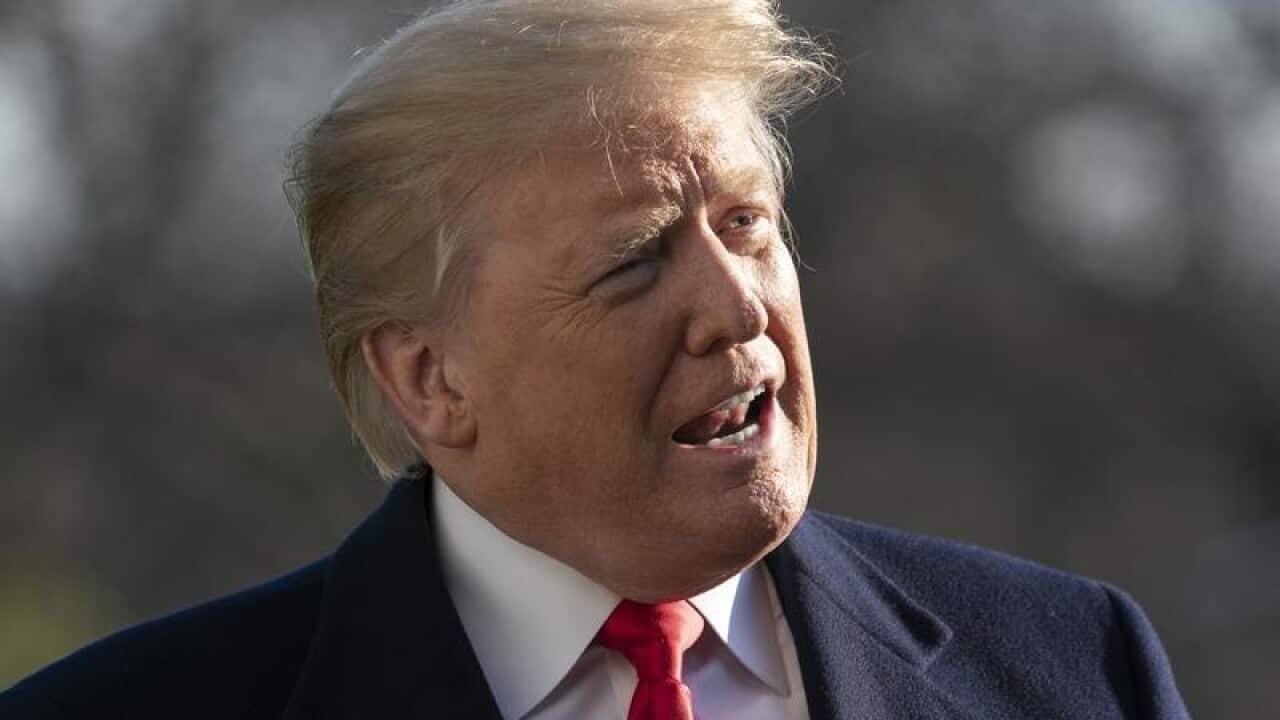
After weeks of lashing out at Democrats, mostly via Twitter and occasional impromptu press conferences, Trump will pull out the presidency's biggest PR gun -- the formal address to the nation at 9 pm (0200 GMT) from the White House's most storied room.
Vice President Mike Pence told ABC television that Trump will express his "deep desire to do his job to protect the American people" in the face of "a real humanitarian and security crisis at our southern border."
Trump wants $5.7 billion to construct high fencing along the border. Democrats have refused, saying he has hyped up immigration issues to appeal to his right-wing base.
News that makes sense
Your trusted source for staying up-to-date with the world around you. Get free daily news updates and analysis, straight to your inbox.
In retaliation, Trump has refused to sign off on a broader spending bill, leaving some 800,000 federal employees and many more contractors without pay -- a partial government shutdown about to enter its 18th day.
Trump may use the Oval Office address to calm the waters and seek a compromise solution ending the shutdown and getting at least some funding for his cherished wall project.
Alternatively, he could double down, following through on his warning that he might bypass Congress by declaring emergency powers to fund the wall -- a move that would send political temperatures to boiling point.
Pence would not rule out an emergency declaration, telling CBS television it was something Trump was "considering."
Credibility question
The Oval Office has witnessed historic announcements, ranging from George W. Bush's reaction to the 9/11 attacks to John F. Kennedy's televised appearance at the height of the Cuba missile crisis.
Trump's gambit is that the solemn setting will give him back the momentum on the Mexico wall issue which helped him get elected in 2016 and has become an obsessive goal for supporters. He will follow up with a rare trip to the Mexico border itself on Thursday.
But with many Americans far from sold on Trump's lurid claims about illegal immigrants, criminals and terrorists overwhelming the border, the speech faces its own high barrier: credibility.
Democrats, who ended the Trump presidency's dominance of domestic politics by seizing the House of Representatives from his Republicans in November, cried foul before a word was spoken.
"If his past statements are an indication (the speech) will be full of malice and misinformation," House Speaker Nancy Pelosi and the senior Democrat in the Senate, Chuck Schumer, said.
And illustrating the controversy around Trump's signature domestic policy, several of the main US broadcast networks reportedly agonized over whether or not to accept the White House request for them to clear airtime for the speech.
In the end, the networks agreed, prompting Democrats to demand they be given airtime afterward to respond.
Compromise or attack?
The big question was whether Trump would use the occasion to try and heal the nation or to drive the wedge between left and right even further.
Both sides are so far dug in on the issue that even agreement on whether there is a crisis is lacking.
Trump's government has been caught making a series of bald-faced exaggerations and lies, including the completely erroneous suggestion that around 4,000 terrorist suspects crossed into America via the border.
Democrats agree that the US immigration system is creaking under the strain of huge numbers of poor Latin Americans who want to get in for work or to escape violence. But most illegal immigrants in the country are people who overstayed visas, rather than crept across the harsh frontier.
Trump's surprise 2016 election win was in part based on his popular slogan "build the wall" and analysts say he feels he cannot afford to back down.
Democrats, emboldened by their partial control of Congress after spending the first two years of the Trump presidency on the sidelines, appear similarly fixated on denying him any semblance of victory.
Declaration of a national emergency, possibly giving Trump power to get military funding for his wall, would undoubtedly spark a political firestorm -- even if national emergency declarations on a variety of problems are in fact relatively common.
If Trump tries to "extend the executive power and try to get our military to build the border wall, declaring this a national security emergency, I think that he’ll face a significant and likely successful challenge in court," Democratic Senator Chris Coons said on CNN.
For now, the White House is hedging its bets, but seems to indicate it is ready to keep talking.
Americans "deserve Democrats to come back to the table, start negotiating and we believe we can resolve this through the legislative process," Pence said on CBS.
Thursday's trip, his spokeswoman Sarah Sanders said, will be to "the frontlines of the national security and humanitarian crisis." The exact destination was not made public.
"President Trump keeps rejecting the bipartisan House-passed bills, which have already received strong bipartisan support in the Senate, to re-open the government," said a joint statement by House Speaker Nancy Pelosi and Senate Minority Leader Chuck Schumer.
"Now that the television networks have decided to air the President's address, which if his past statements are any indication will be full of malice and misinformation, Democrats must immediately be given equal airtime," they added.
Government paralysed
Trump has made building a wall the central theme of his nationalist domestic policies.
He paints the Mexico border as an open gate for criminals, including rapists, terrorists, people with dangerous diseases and phony asylum seekers.
The border has indeed for years seen significant numbers of illegal immigrants and a thriving drug trade. However, fact checkers have debunked the more hair-raising claims, including regarding terrorist threats.
Most recently, Sanders claimed on Sunday in an interview on the usually Trump-friendly Fox News channel that "nearly 4,000 known or suspected terrorists come into our country illegally."
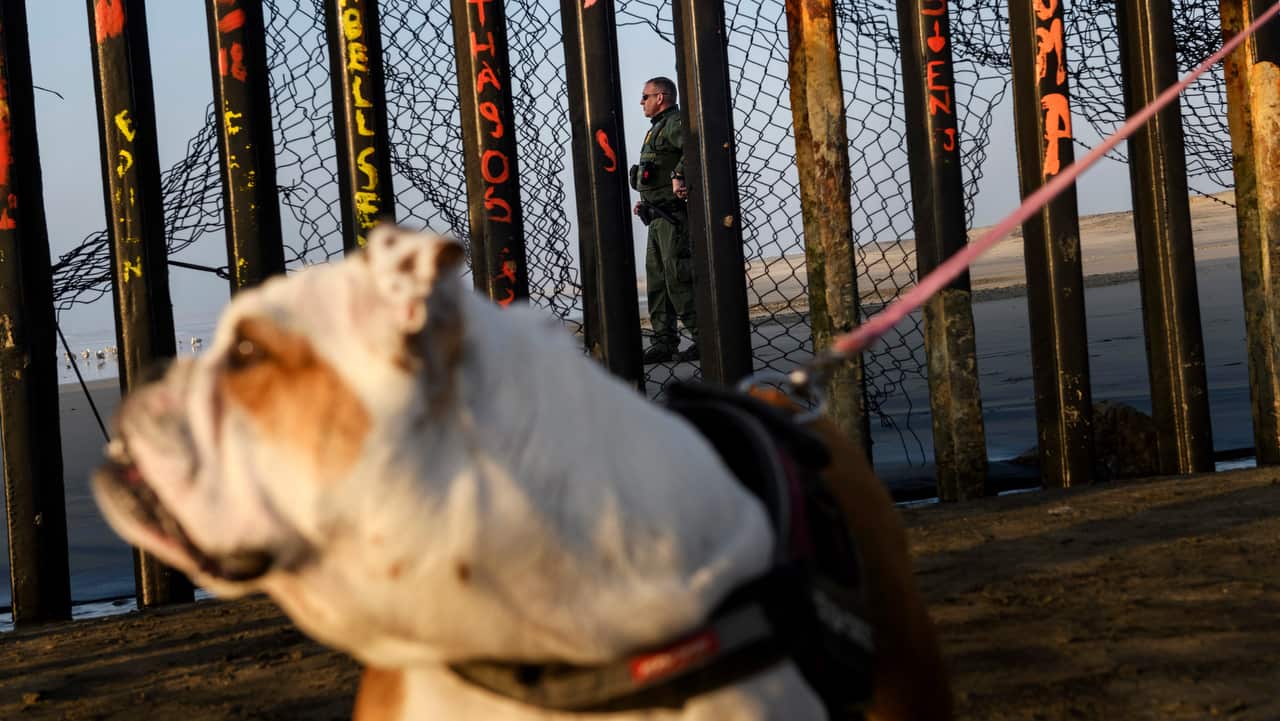
However, the interviewer immediately called her out, citing the government's own information that none of those individuals arrived across the southern border.
Democrats, who won control of the House of Representatives in midterm legislative elections, say Trump overblows the "crisis" and call the wall a political stunt not worth taxpayer money.
In retaliation, Trump has refused to sign a wider spending package - leaving sections of the federal government without funding and hundreds of thousands of employees facing delays in their paychecks.
Who will blink first?
Trump has often boasted of his tough negotiating skills as a real estate businessman, and he appears to relish the standoff, insisting he will deprive the government of full funding for as long as it takes to force the Democrats' hand - "even years."
Invoking emergency powers would potentially be an alternative, allowing him to get around Congress's control of the budget. But that would pump up the political heat even further, because there is disagreement over the scope of a president's right to use the measure.
Further stoking the immigration debate is the looming race among potential Democratic candidates to win the nomination to take on Trump in 2020 presidential elections.
The increasingly emboldened party is in no mood to grant Trump any kind of victory on the divisive issue.







