
The defence ministry said 180 soldiers were being dispatched to the normally quiet city of Salisbury in southwestern England, initially to remove "a number of vehicles and objects from the scene".
"The public should not be alarmed and the public health advice remains the same.
"Military assistance will continue as necessary during this investigation," a police spokesman said.
Police also extended the cordon around the modest suburban home of Sergei Skripal in Salisbury, as Home Secretary Amber Rudd visited the city, calling the attack "outrageous".
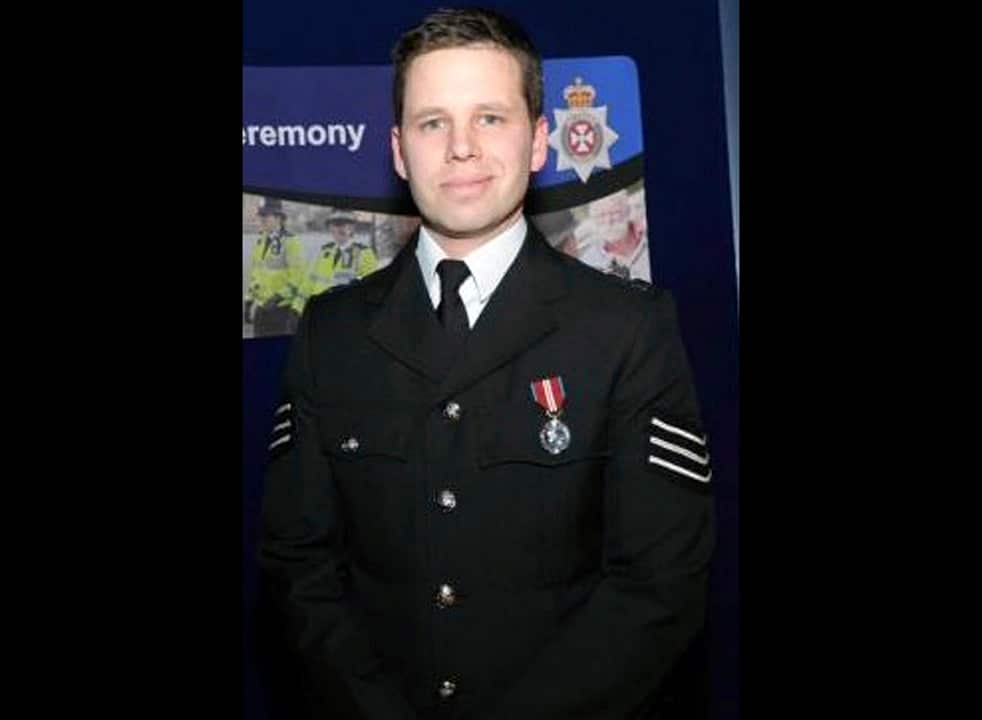
Detective Sergeant Nick Bailey is reportedly showing signs of recovery. Source: AAP
Son's grave investigated
Former double agent Skripal and his daughter Yulia were found slumped on a bench in the city on Sunday and are in a critical but stable condition at a local hospital.
Nick Bailey, one of the first officers on the scene, is also being treated but is sitting up and talking after initially being admitted to intensive care.
Around 21 people have been treated, according to Kier Pritchard, chief constable for Wiltshire Police.
At the cemetery, a forensic tent was placed over a memorial stone for Skripal's son, Alexander, who was cremated last year after reportedly dying of liver problems at the age of 43.
The grave of Skripal's wife, Liudmila, who died in 2012 from cancer, was also sealed off.
Police have also cordoned off an Italian restaurant and a pub they visited before their collapse.
The Times newspaper said police were probing whether Skripal's daughter, who arrived in Britain from Moscow last week, may have inadvertently brought in the nerve agent as a gift.
Authorities are racing to find the source of the nerve agent used against 66-year-old Skripal, who came to Britain in 2010 as part of a spy swap, as politicians warned it bore the hallmarks of an attack by Russia.
Skripal was a former colonel in Russian military intelligence who was jailed in his country for betraying agents to Britain's MI6 secret service.
He was pardoned in 2010 before being flown to Britain.
In response to questions over Russia's possible involvement, May has said that "if action needs to be taken then the government will do that".
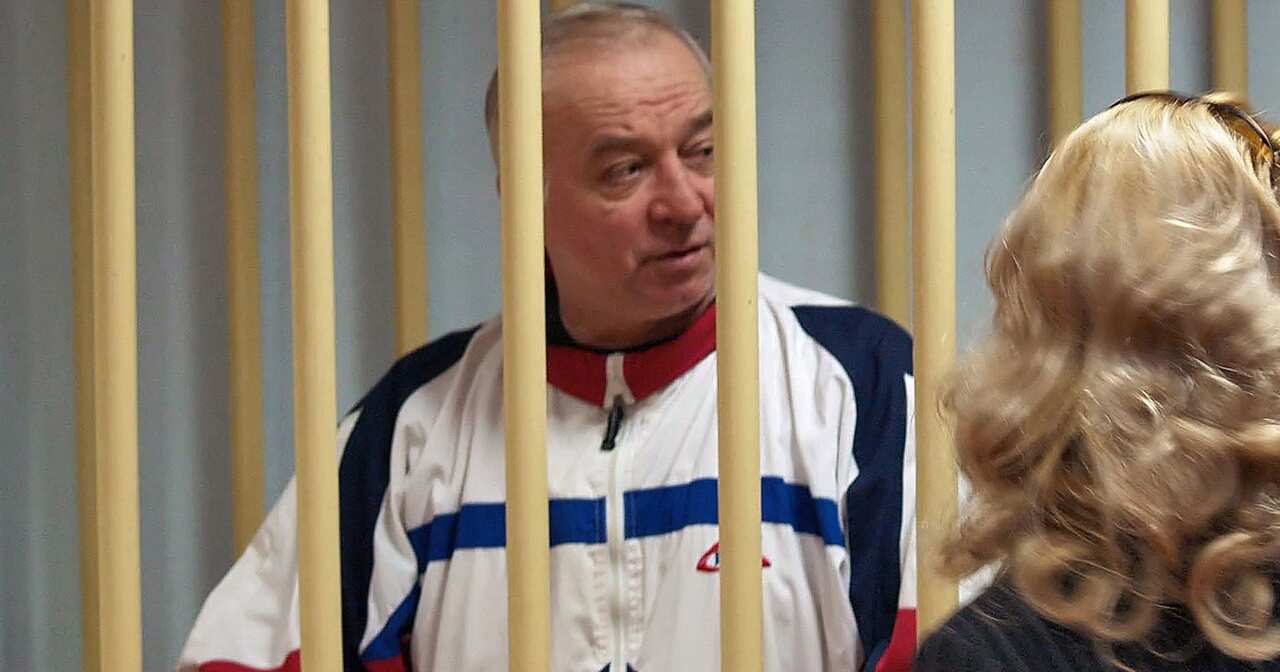
Sergei Skripal before the incident. Source: AAP
Possible responses include the expulsion of some of Russia's 58 diplomats, some kind of boycott of the 2018 football World Cup or an increased British military presence in eastern Europe.
Foreign Secretary Boris Johnson floated the idea of deepening sanctions against Russian officials, but Britain would have to persuade its international partners.
It could also choose to impose sanctions of its own against the many Kremlin-linked officials with investments or family ties in London.
Battle between the elites?
Moscow has reacted angrily to the accusations it was involved, with Foreign Minister Sergei Lavrov on Friday dismissing them as baseless "propaganda".
RELATED READING
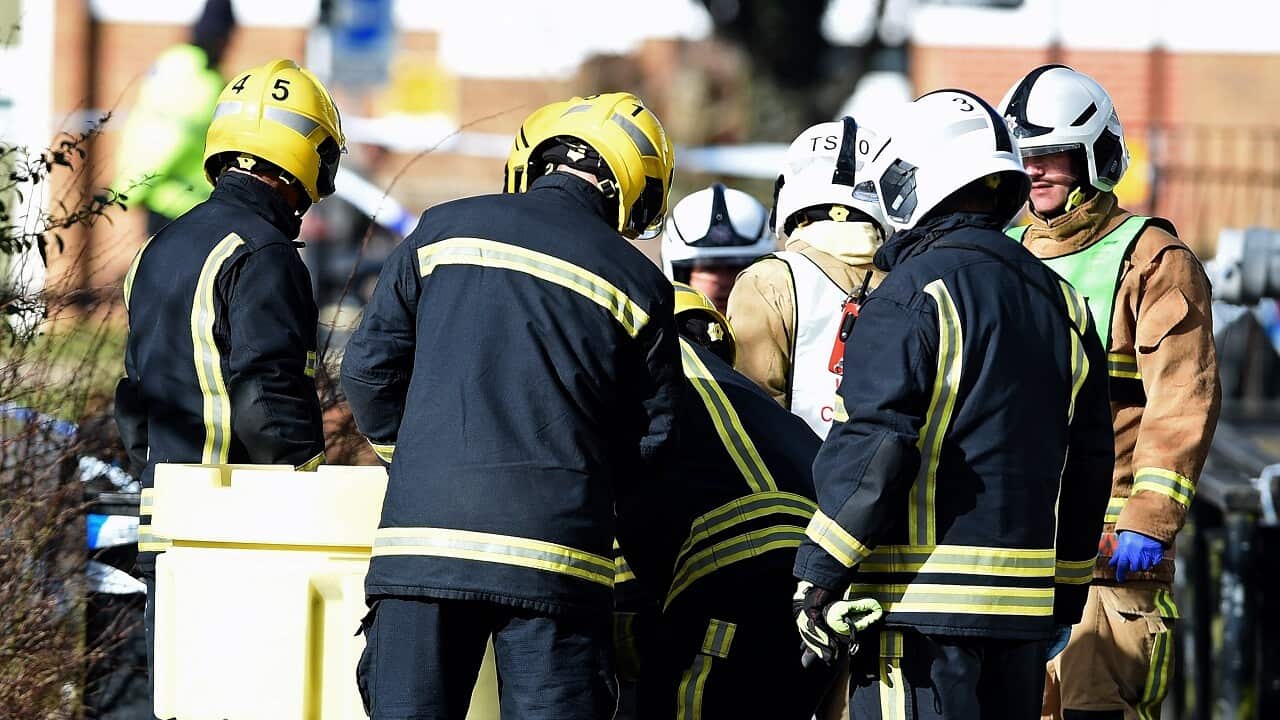
Poisoned Russian ex-spy still very ill
On Wednesday, however, Russian state TV presenter Kirill Kleimyonov had appeared to deliver a veiled warning, saying: "Don't choose England as your future country of residence... whether you are a professional traitor to the motherland or whether you hate your country in your spare time."
Analyst Mathieu Boulegue of the Chatham House think tank said it would be "extremely difficult" to pinpoint who committed the attack, and that the response could be a lot more complicated if it turned out that internal factions were responsible.
"It is possible that it is related to the elections in Russia or that it is part of a battle between the elites within the security services, to send messages either to the English or to the Russian elites," he said.
Share


