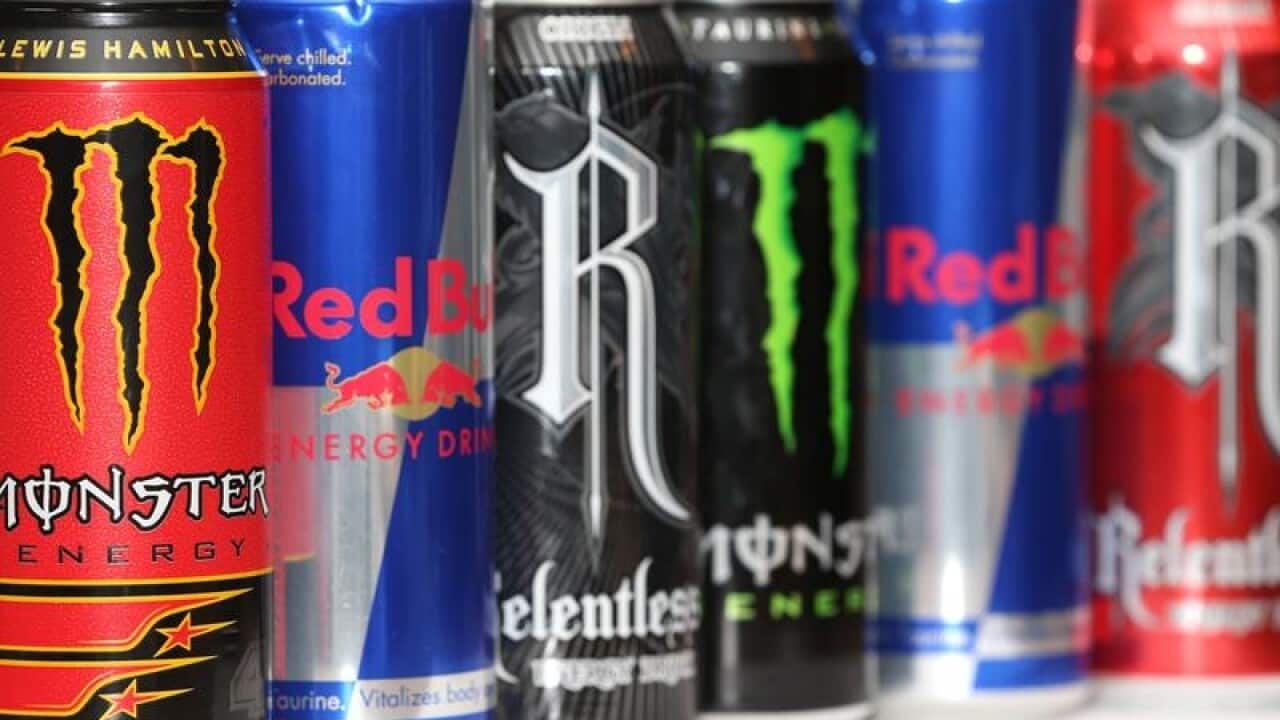
British Prime Minister Theresa May has announced plans to ban sales of energy drinks to children in England, saying childhood obesity is one of the greatest health challenges the UK faces.
"That's why we are taking significant action to reduce the amounts of sugar consumed by young people and to help families make healthier choices," she said on a trip to Africa on Wednesday.
May said Britain's plans to tackle obesity were already world leading but much more needed to be done and as part of long-term plans for the National Health Service there would be a renewed focus on the prevention of ill health.
"With thousands of young people regularly consuming energy drinks, often because they are sold at cheaper prices than soft drinks, we will consult on banning the sale of energy drinks to children.
Scotland, Northern Ireland and Wales have the power to implement their own bans through their regional governments, while such a ban in England would be legislated through the British parliament.
News that makes sense
Your trusted source for staying up-to-date with the world around you. Get free daily news updates and analysis, straight to your inbox.
Youngsters in the UK reportedly consume more of the high-caffeine, sugar-loaded drinks than other children in Europe and the habit is harming their health and education, ministers fear.
The restrictions will apply to drinks with more than 150mg of caffeine per litre, like popular brands Red Bull, Monster and Relentless.
Excessive consumption has been linked to a host of health and behaviour problems in children, from headaches to hyperactivity.
Many major retailers already refuse to sell to under-16s but the government intends to introduce a blanket ban under plans put out for consultation, with restrictions on either under-18s or under-16s being considered.
A government source was adamant the ban would come into force, saying: "It's a question of how, not whether, we do it."
The issue has come under scrutiny recently owing to a booming energy drinks market, high-profile calls from campaigners and figures like TV chef Jamie Oliver, and the low cost of some types compared with general soft drinks.
Public Health Minister Steve Brine said: "We all have a responsibility to protect children from products that are damaging to their health and education, and we know that drinks packed to the brim with caffeine, and often sugar, are becoming a common fixture of their diet.







