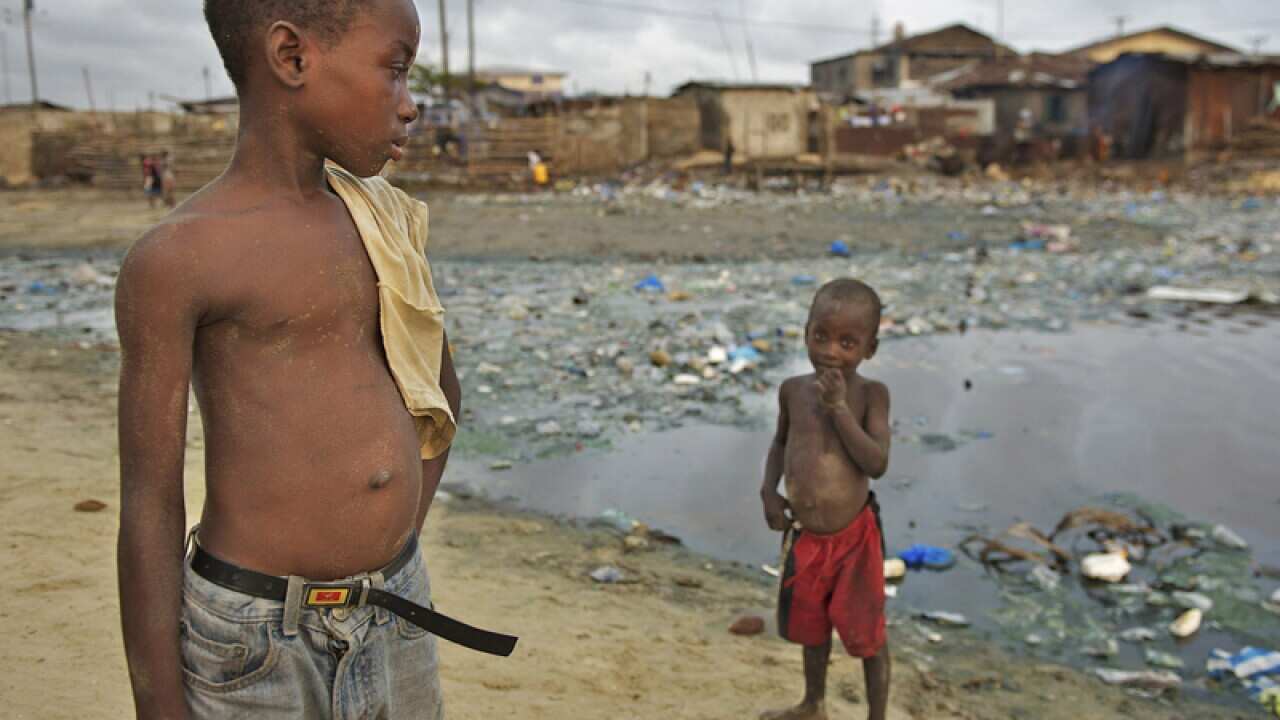
The lack of access to a decent toilet is no joke for a third of the world's people, but a matter of life and death.
Some 2.5 billion people do not have access to adequate sanitation, the United Nations says.
More than one billion defecate in the open - a problem that contributes to countless deaths from preventable diseases.
"We must break the taboos and make sanitation for all a global development priority," UN Secretary-General Ban Ki-Moon said in declaring Tuesday to be the inaugural World Toilet Day.
Each year, more than 800,000 children under five die from diarrhoea, the UN says, with many due to poor sanitation.
News that makes sense
Your trusted source for staying up-to-date with the world around you. Get free daily news updates and analysis, straight to your inbox.
Lack of access to clean bathrooms in schools also deters many women and girls from pursuing their education after they reach puberty, says a report from WaterAid, a private agency working with the United Nations and the Unilever company, titled "We Can't Wait".
Singapore is one of the nations fed up with the problem, and last July it sponsored the UN General Assembly resolution declaring November 19 as World Toilet Day.
"Sanitation is central to human and environmental health. It is essential or sustainable development, dignity and opportunity," Ban said, launching a campaign to end open defecation by the year 2025, and halve the number of people lacking decent sanitation.
"When schools offer decent toilets, 11 per cent more girls attend. When women have access to a private latrine, they are less vulnerable to assault," Ban said.
"By working together - and by having a frank and open discussion on the importance of toilets and sanitation - we can improve the health and well-being of one-third of the human family," Ban said.
"That is the goal of World Toilet Day."







