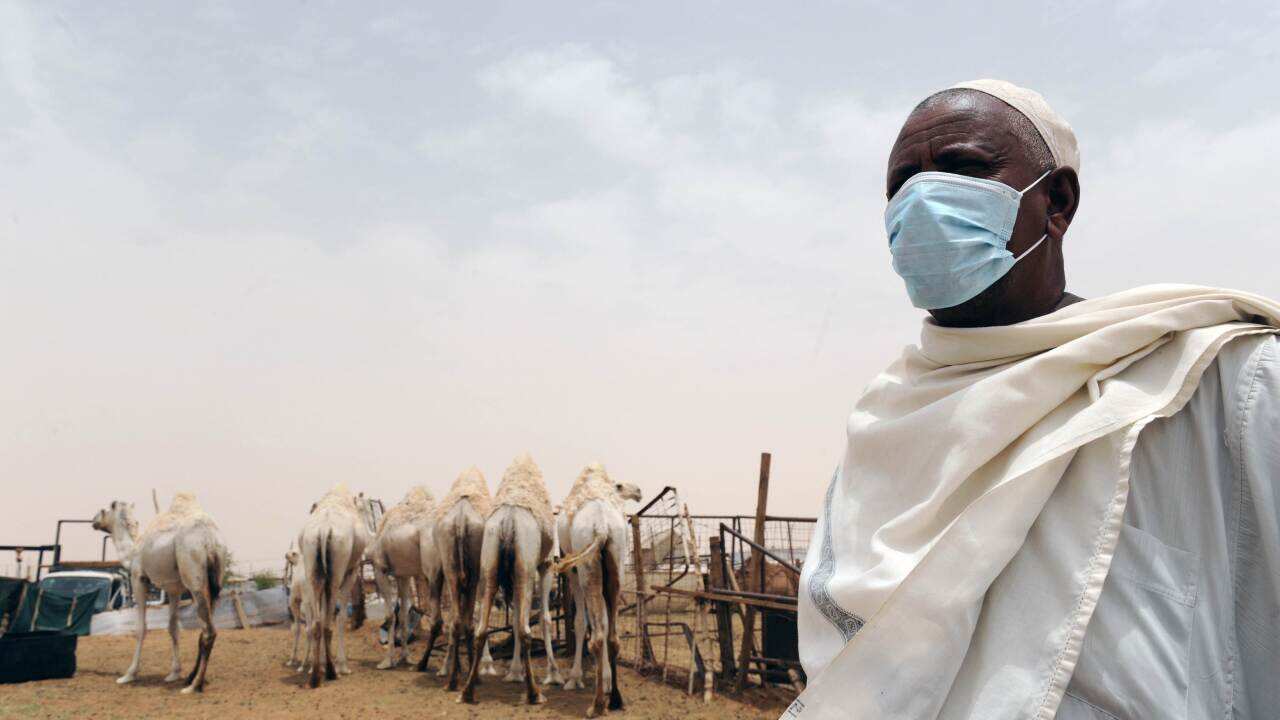
The UN health agency has warned countries to bolster their guard against the MERS virus, which has killed 152 people in Saudi Arabia and is causing alarm as it spreads elsewhere.
The World Health Organization said its emergency committee, which includes global medical and policy experts, had flagged mounting concerns about the potentially fatal Middle East Respiratory Virus (MERS).
"They reached a consensus that the situation had increased in seriousness and that their concerns about the situation had also increased in terms of urgency," Keiji Fukuda, the WHO's health security head, told reporters.
The agency called on countries to improve infection prevention and control, collect more data on the virus and to be vigilant in preventing it from spreading to vulnerable countries, notably in Africa.
A total of 571 MERS cases have been reported to the WHO, of which 171 have proved fatal. In many of them, victims caught the virus in hospital from other patients, although experts believe camels may also spread the disease.
The vast majority of infections have been reported in Saudi Arabia, and cases outside the Gulf nation have largely involved people who had travelled there.
Fukuda said that while Riyadh had done its best to stem the spread of MERS, a WHO team there still found sub-optimal infection-control and overcrowding in hospitals.
Saudi Arabia's agriculture ministry has urged citizens to wear masks and gloves when handling camels, which are thought to be the source of MERS.
MERS is considered a deadlier but less-transmissible cousin of the SARS virus that appeared in Asia in 2003 and infected 8273 people, nine per cent of whom died.
Share


