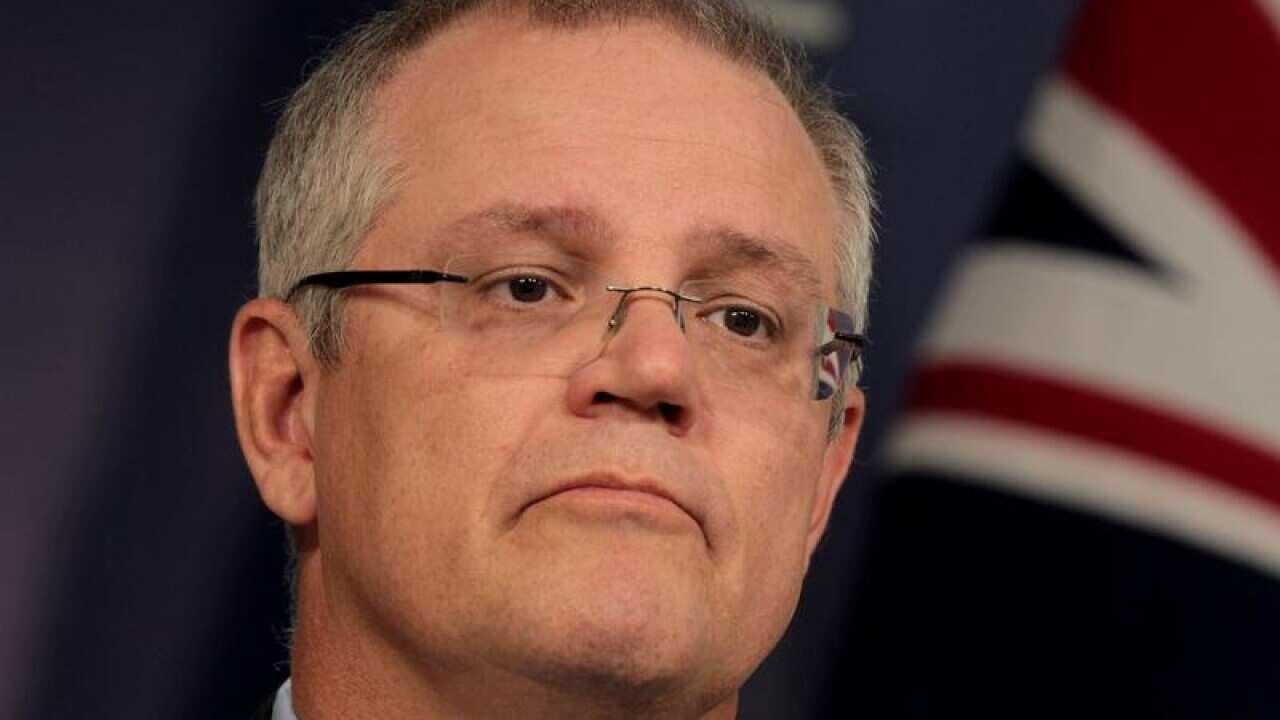
Treasurer Scott Morrison won't be forcing businesses to pass on tax cuts to their workers through wage rises, rejecting a "highly regulated approach".
As the Turnbull government pushes ahead with plans to extend corporate tax cuts to companies with turnover above $50 million, Commonwealth Bank chief economist Michael Blythe has told the ABC politicians should consider striking a deal with business to guarantee wages growth.
He cited the example of Japan, where the government is cutting taxes from 30 per cent to 20 per cent for businesses that aggressively raise wages and increase capital investment.
But Mr Morrison said every Australian business would have a different reaction to tax cuts.
"They would be able to outline what they believe they would do in the event of the tax package passing the parliament," he told ABC radio.
News that makes sense
Your trusted source for staying up-to-date with the world around you. Get free daily news updates and analysis, straight to your inbox.
"What I want to see is businesses be able to pay their employees more and they're not going to be able to do that if they're kept on a high-tax island."
Deputy Labor leader Tanya Plibersek says the treasurer's assumption that lower taxes will translate into higher wages or more jobs had not been borne out in recent times.
"Our recent history is that Australian companies are very profitable, they're not passing that on as wages increases," she told ABC radio.
Debate on reducing the company tax rate from 30 per cent to 25 per cent for all business is due to resume this week.
Left-leaning think tank, the Australian Institute, found less than one-in-five (18 per cent) Australians support a reduction in the company tax rate in a new poll.
Labor is opposed to the cut and instead would pursue a "living wage" rather than a minimum wage in government.
The Australian Chamber of Commerce and Industry estimates a living wage - based on an ACTU claim for a minimum wage increase of 6.5 per cent - would cost up to $8 billion a year.
Labor workplace spokesman Brendan O'Connor said he didn't know whether the business group's figures were right but he was open to debating the issue with employers and unions.
"We are very concerned that wage growth is flatlining, which is hurting workers and it's hurting the economy," Mr O'Connor told Sky News.







