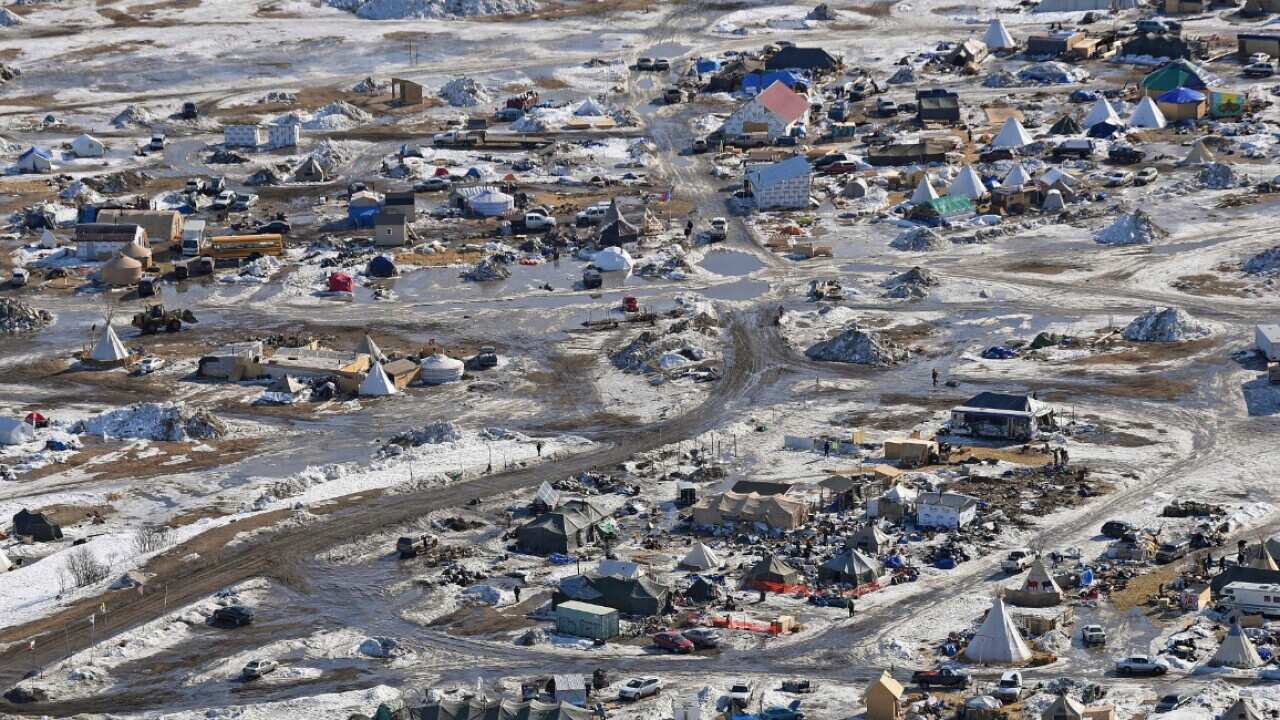
State officials said they arrested at least 39 people, and had officially cleared the camp of demonstrators by mid-afternoon, making way for a cleanup operation.
Native Americans and supporters camped out for nearly a year near the Dakota Access pipeline route, physically blocking construction. Many of those who had stayed through the winter left peacefully on Wednesday, facing an afternoon evacuation deadline set by North Dakota state authorities.
But officials said some campers had refused to leave, and had remained overnight.
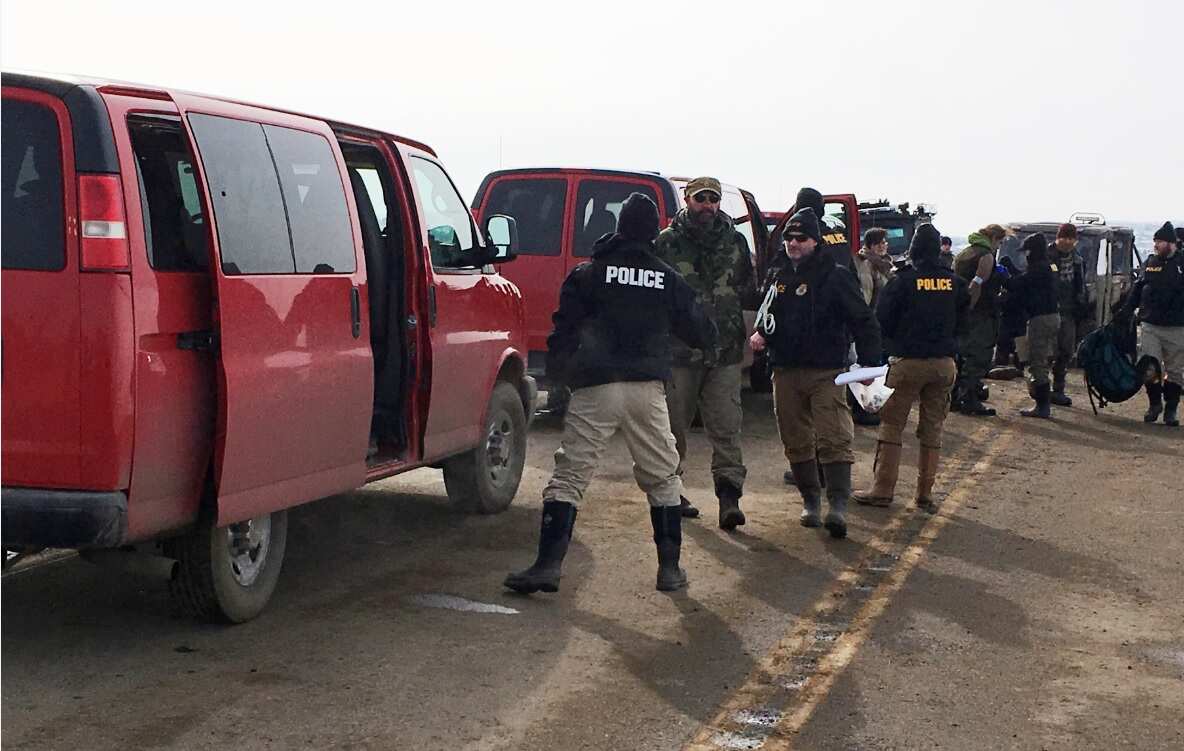
Law enforcement entered the camp heavily armed, with bulldozers clearing paths Thursday morning. Police officers could be seen checking white teepees for holdouts, and then spray-painting an X on those that were clear.
News that makes sense
Your trusted source for staying up-to-date with the world around you. Get free daily news updates and analysis, straight to your inbox.
During warmer months, the camp had at times swelled to thousands of demonstrators, bringing the opposition campaign international attention.
State officials and the Standing Rock Sioux tribe -- which says the pipeline threatens the Missouri River and the Lake Oahe reservoir, a key drinking water source -- had asked campers to leave in order to clean up the site before snow melts.
Otherwise, man-made pollutants from the campsite could contaminate the river, they say, since it was located on a flood plain and warming spring temperatures could cause runoff as snow melts.
'Beautiful North Dakota prairie'
"This was beautiful North Dakota prairie, in a sensitive watershed area," said North Dakota Governor Doug Burgum.
The Republican said that driving and ruts, as well as accumulated garbage, have substantially damaged the soil. Batteries from hundreds of abandoned cars that may have frozen over the winter could be leaking, posing an additional contamination threat, he said.
The US Army Corps of Engineers, which controls the federal land on which the protesters camped, said it will spend between $800,000 and $1.2 million to clean up the area.
"We are asking for cooperation from the protesters," Republican North Dakota Senator John Hoeven said Wednesday. "We've got a limited amount of time."
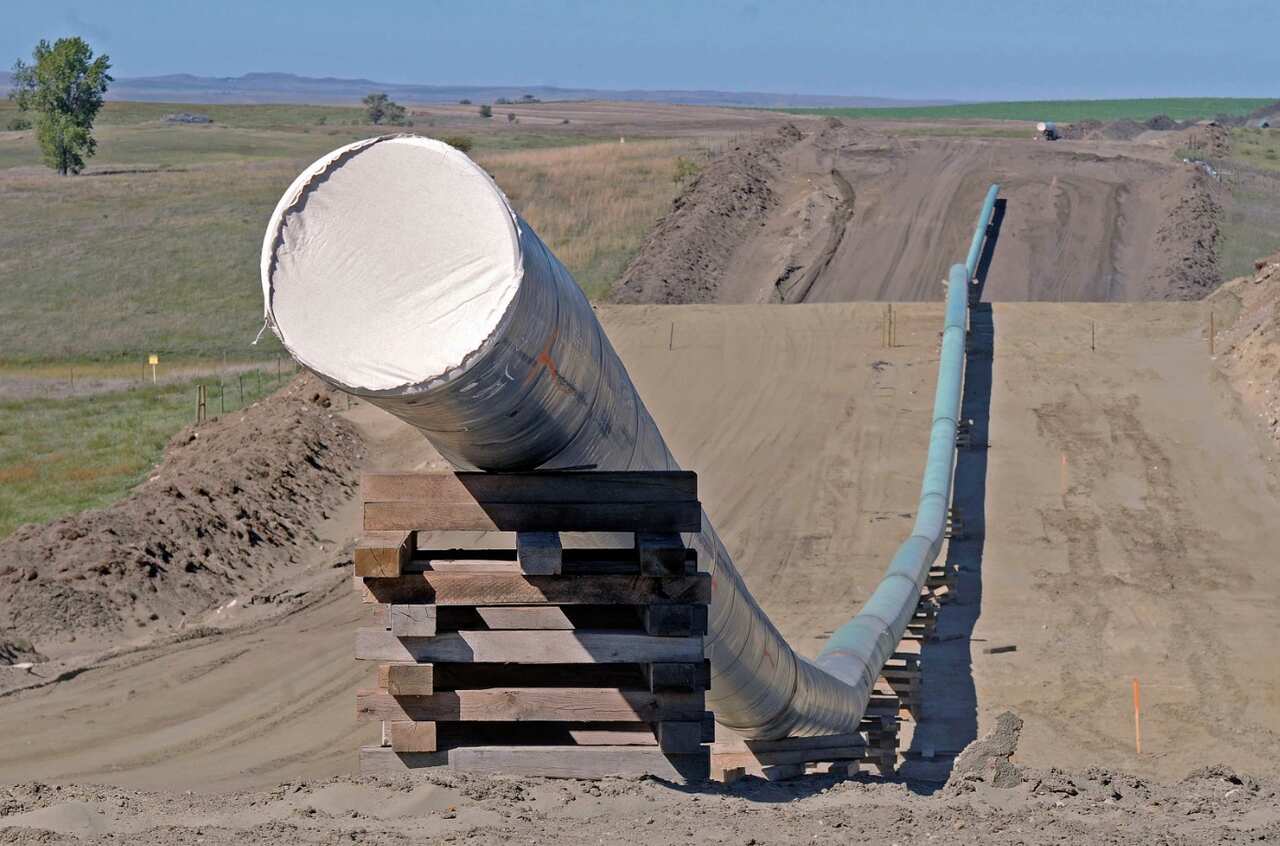
The camp first sprung up in April when Native Americans and their supporters began rallying against the Dakota Access pipeline, which has an underground route that intersects the Missouri River.
Late last year, president Barack Obama's administration halted the project and called for a full environmental impact review. But President Donald Trump signed an executive order to revive the pipeline, and a final permit was issued earlier this month.
Construction resumed almost immediately, and the pipeline is expected to be operational in a matter of months.
Its operator, Energy Transfer Partners, insists the pipeline is safe, with high-tech systems in place to prevent environmental catastrophe.
But the Standing Rock Sioux say a more comprehensive environmental review should have been conducted before the federal government issued permits, and the tribe should have been consulted more thoroughly about the potential destruction of nearby sacred lands.







