The divided US House of Representatives has approved a hard-fought compromise to cut some $40 billion in spending, a skirmish in a broader war over the cash-strapped government's finances.
Lawmakers also faced fights over long-term budget blueprints sure to shape President Barack Obama's 2012 reelection fight against fired-up Republicans, as well as on lifting a cap on Washington's ability to borrow money.
The Republican-run House voted 260-167 to approve the spending deal, which funds Washington through September 30 while slicing some $38.5 billion from domestic and foreign aid programs.
News that makes sense
Your trusted source for staying up-to-date with the world around you. Get free daily news updates and analysis, straight to your inbox.
The Democratic-held Senate was expected to approve the bill within hours, sending it to Obama to sign into law.
House Speaker John Boehner needed Democratic votes to pass the bill after suffering 59 Republican defections, many tied to the archconservative "Tea Party" movement seeking deeper cuts and inclined to view compromise as betrayal.
"Listen, this bill is not perfect. No cause for celebration. This is just one step," Boehner said at a press conference before the vote, promising "there's more to come."
Eighty-one Democrats voted for the bill, showcasing a fragile political alliance that could smooth the way to approving an increase in the US "debt ceiling," a step the Tea Party fiercely opposes.
"Our choice in this divided government is whether we will come together, work together and try to make the best possible agreement together," said number-two House Democrat Steny Hoyer. "I think the American people expect us to do that."
The House was also due to vote on stand-alone measures to cut federal funding for Planned Parenthood health clinics that provide abortions and to repeal Obama's landmark health care law -- items sure to die later in the Senate.
The spending compromise sliced deep into overseas food aid, the US State Department budget and environmental programs -- including efforts to combat climate change -- while boosting military spending.
The House was expected to vote Friday on a long-term "budget," effectively a non-binding blueprint that serves as a political party's or candidate's core economic message to voters.
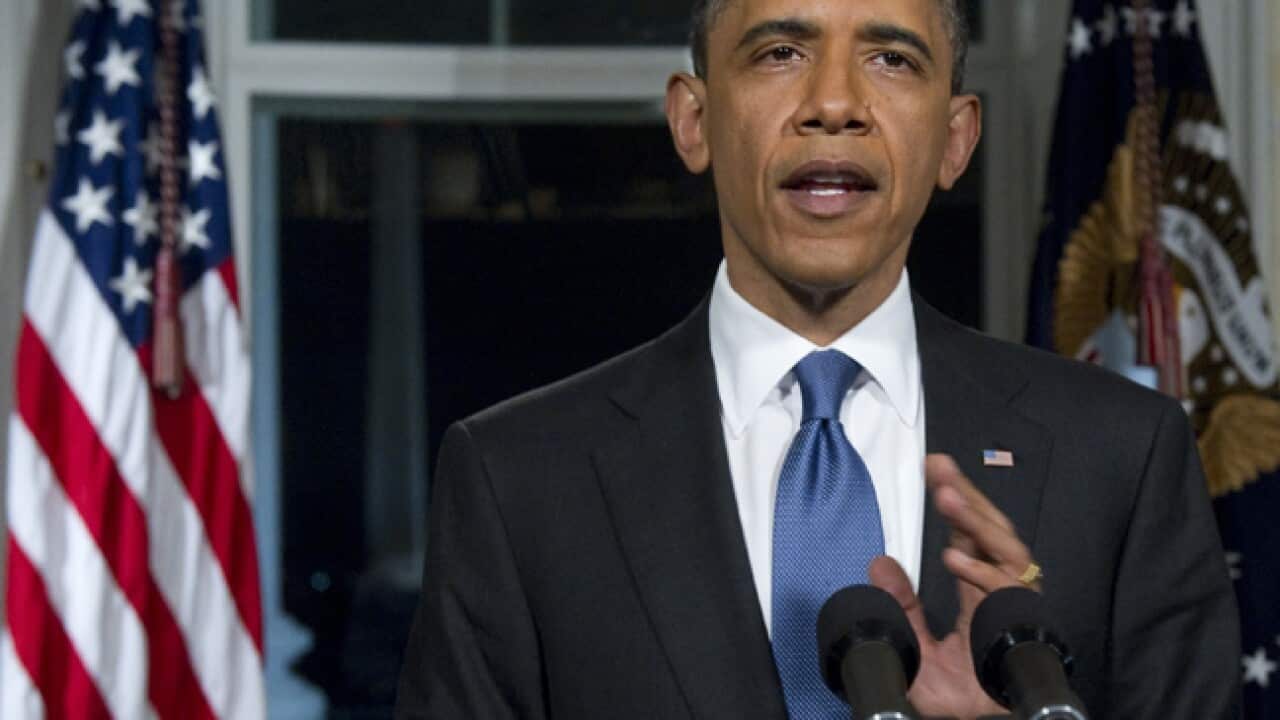
Obama unveiled a drive Wednesday to reduce US deficits by $4 trillion over 12 years or less and savaged a Republican budget that would lower taxes on the richest Americans while slicing into health care for the poor and elderly.
"There's nothing serious about a plan that claims to reduce the deficit by spending a trillion dollars on tax cuts for millionaires and billionaires," he said, denouncing calls to cut clean energy, education and transportation.
Republican House Budget Committee Chairman Paul Ryan, whose plan claims to cut $4.4 trillion from the deficit over a decade, blasted the president's message as a "political broadside from our campaigner-in-chief."
Some Republicans fret privately that Ryan's plan -- which calls for cuts to the Medicare and Medicaid programs that offer health care to the elderly and the poor -- could carry a huge political cost by driving off older voters.
But Boehner has made clear his party stands with Ryan, calling his blueprint "a plan to seize the next generation."
The speaker and other senior Republican leaders have also said they cannot accept raising Washington's ability to borrow above the current limit of $14.294 trillion unless it is coupled to "significant" plans to cut spending.
After talks at the White House on Wednesday, Boehner told reporters that Obama had indicated a willingness to sign a debt ceiling increase with conditions attached.
But Democratic Senate Majority Leader Harry Reid said "we don't have to attach anything" and that lawmakers could tackle long-term reductions "separately."
The Treasury Department thinks the government will max out its debt limit by May 16. But if the ceiling is not raised by then, the Treasury could juggle payments, giving it until around July 8 before it runs out of cash.







