
The United States has carried out an airstrike against suspected militants from the self-proclaimed Islamic State (IS) group in north-west Nigeria, US President Donald Trump and the US military have announced.
"Tonight, at my direction as Commander in Chief, the United States launched a powerful and deadly strike against ISIS Terrorist Scum in Northwest Nigeria, who have been targeting and viciously killing, primarily, innocent Christians, at levels not seen for many years, and even Centuries!" Trump said in a post on Truth Social.
However, a Nigerian human rights lawyer and conflict analyst has told SBS News that Trump's justification for the attack is "a fundamental misrepresentation of the situation on the ground".
The US military's Africa command said the strike was carried out in Sokoto state in coordination with the Nigerian authorities and killed multiple suspected IS militants.
An earlier statement posted by the command on X said the strike had been conducted at the request of Nigerian authorities, but that statement was later removed.
News that makes sense
Your trusted source for staying up-to-date with the world around you. Get free daily news updates and analysis, straight to your inbox.
The strike comes after Trump warned Christianity faces an "existential threat" in Nigeria and threatened to militarily intervene in the West African country over what he says is its failure to stop violence targeting Christian communities.
Nigeria's government has said armed groups target both Muslims and Christians, and that US claims that Christians face persecution do not represent a complex security situation and ignore efforts to safeguard religious freedom.
'A fundamental misrepresentation'
Bulama Bukarti, a Nigerian human rights lawyer and conflict analyst, told SBS News he echoed those sentiments, saying the idea that "it is mainly Christians that are targeted by these groups is a fundamental misrepresentation of the situation on the ground".
"Yes, Christians have been targeted and are being targeted by these groups, but Muslims have equally been targeted and are being targeted," he said.
"For example, in Sokoto state, where these strikes took place, over 80 to 90 per cent of the population is Muslim.
"And when there are suicide attacks in mosques ... when there are suicide attacks in markets or bus garages or any other civilian location, the logical conclusion is that [the] majority of those in those public places would be Muslims."
"But it is not about competition over victimhood. It is about acknowledging that this is a security crisis that affects the whole of Nigeria," he said, adding that any international support for the Nigerian government should only be accepted as "assistance for the whole of Nigeria".
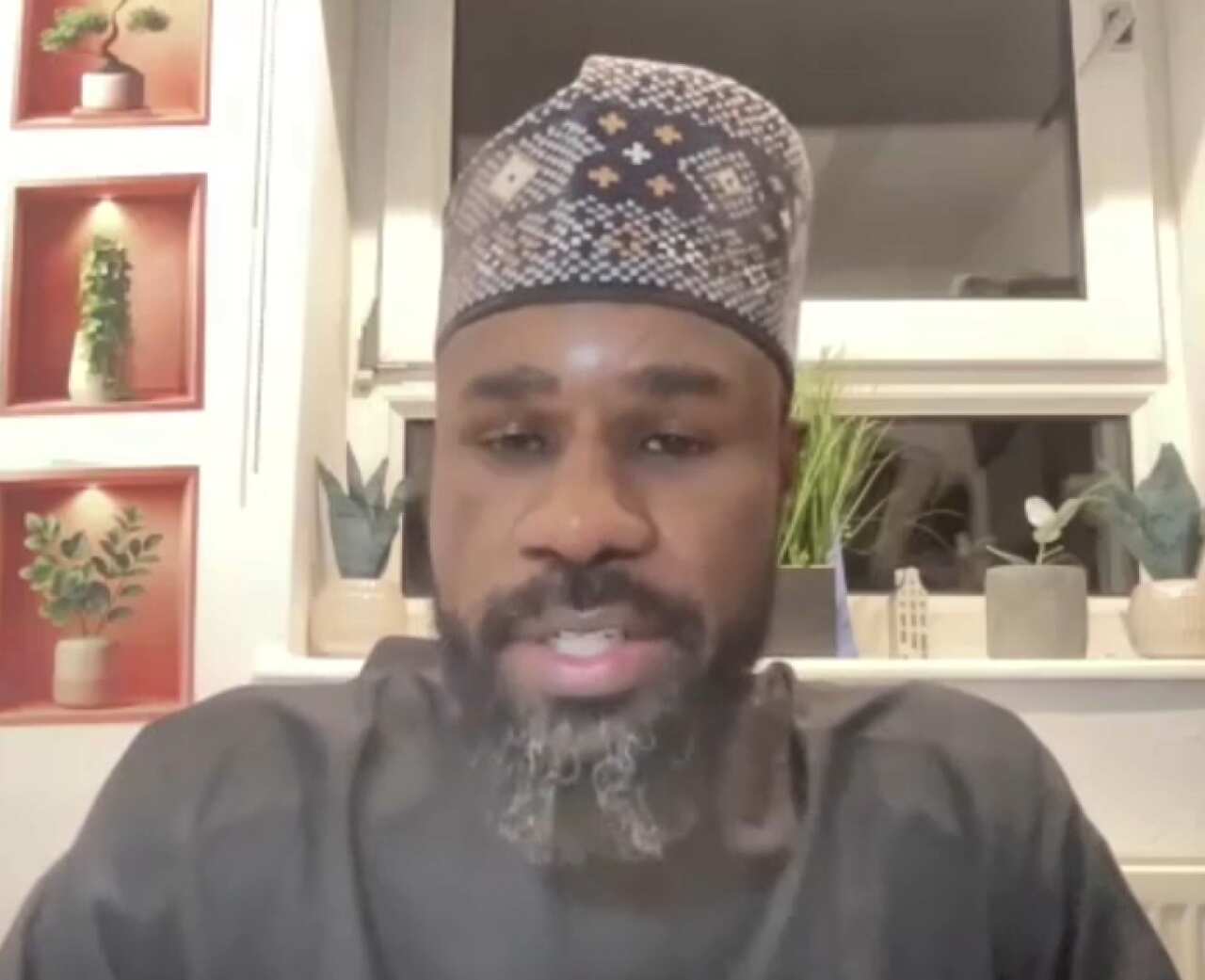
"Framing it as just affecting Christians risks oversimplifying a very complex situation and risks creating divisions and distrust on the ground and also feeding terrorist propaganda," Bukarti said.
While airstrikes could be part of a "broader strategy" to counter terrorism in the country, he said it was too early to tell if the latest US effort was a meaningful contributor to that goal.
"You cannot bomb your way out of terrorism, unfortunately. We have to address the local grievances, the institutional failures that led to them, the economic situation that pushed young people to violent extremist groups.
"Airstrikes can be part of the strategy, if targeted on the actual targets — that's the terrorist leadership. We have to wait and see the details, then we will know who was targeted where and how, and then [an] assessment could be made as to the impact of the strikes."
Cooperation 'key' to legitimacy
Nigeria's foreign ministry said the strikes were carried out as part of ongoing security cooperation with the US, involving intelligence sharing and strategic coordination to target militant groups.
Bukarti welcomed the involvement of his government, saying that it would have been a "mistake for the US government to unilaterally intervene in Nigeria".
"We are very happy to see that the US government backtracked and saw the consent and cooperation of the Nigerian government, which is key to the legitimacy and efficiency of these kinds of actions," he said.
Nigeria's population is roughly split between Christians and Muslims, with recent estimates indicating a slight Muslim majority, which mainly resides in the north, while the country's Christians primarily live in the south.
Earlier this week, Reuters reported the US had been conducting intelligence-gathering flights over large parts of Nigeria since late November.
The US military last week launched separate large-scale strikes against dozens of alleged IS group targets in Syria, after Trump vowed to hit back in the wake of a suspected IS attack on US personnel in the country.
— With additional reporting from Rayane Tamer
For the latest from SBS News, download our app and subscribe to our newsletter.







