An Alabama man who spent 30 years on death row for crimes he did not commit has walked free after his conviction for a 1985 double murder was overturned.
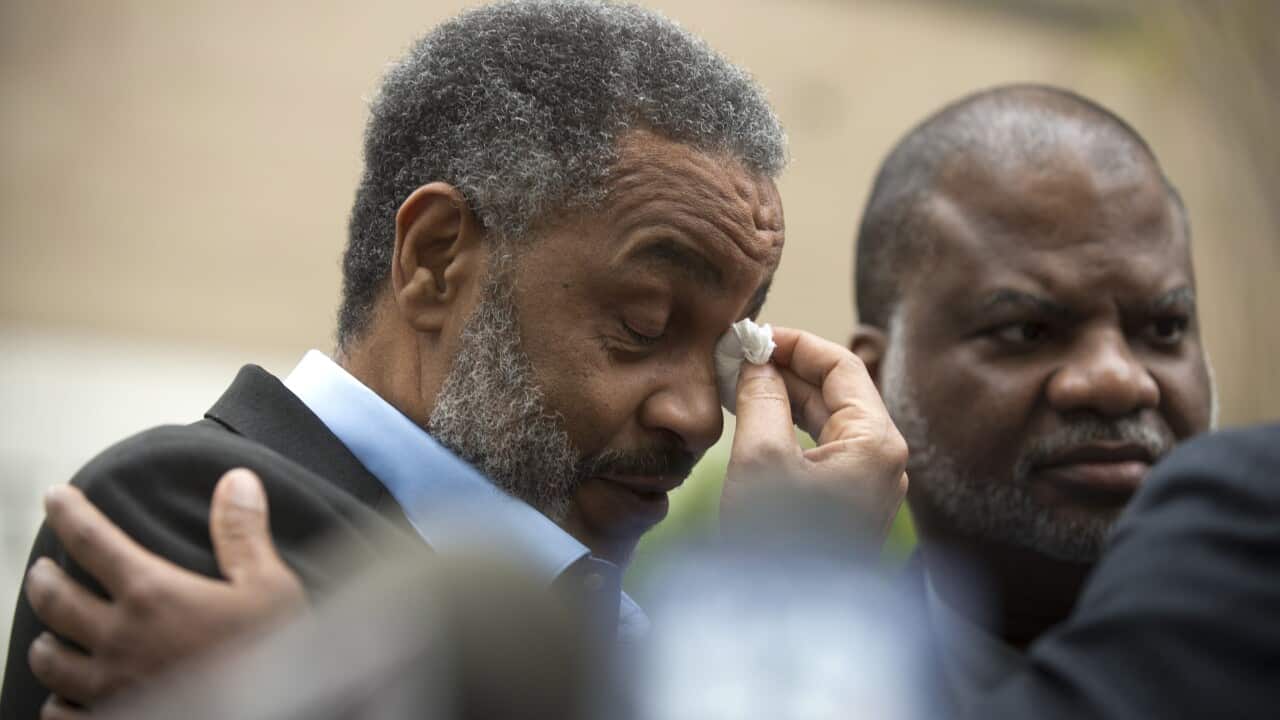
Anthony Ray Hinton, 58, emerged from Jefferson County Courthouse to cheers from well-wishers before being embraced by tearful friends and relatives, a day after a judge dismissed all charges against him.
"Sun do shine," an emotional Hinton said moments after his release.
"They had every intention of executing me for something I didn't do ... I shouldn't have sat on death row for 30 years."
Hinton was released after a key piece of ballistics evidence used against him in his 1986 trial for two separate murders during robberies in Birmingham was discredited.
News that makes sense
Your trusted source for staying up-to-date with the world around you. Get free daily news updates and analysis, straight to your inbox.
State technicians said bullets recovered from the crime scene were fired from a gun later recovered from Hinton's mother.
However, subsequent tests cast doubt on the assertion the bullets used in the killings came from the gun.
After a long legal saga, the US Supreme Court ruled in 2014 that Hinton had not been given an adequate defence.
His trial lawyer had hired an expert witness not properly qualified to challenge the ballistics evidence.
"All they had to do was test the gun," Hinton told reporters.
"But when you think you're high and mighty and above the law, you don't have to answer to nobody. But I've got news for you - everybody that played a part in sending me to death row, you will answer to God."
Jefferson County Circuit Court Judge Laura Petro dismissed the charges against Hinton after his lawyers from the Equal Justice Initiative argued there was not enough evidence linking him to the crimes.
Hinton, who was 29 at the time of the killings, was one of the longest-serving death row prisoners in Alabama history, according to EJI.
He was charged after two restaurant managers were shot dead in a robbery at a fast-food restaurant.
Police did not find witnesses or fingerprint evidence, according to EJI.
That same year, another restaurant was held up at gunpoint and the manager was shot and seriously injured.
The manager identified Hinton as the suspect, though Hinton said he was at work at the time, 24km away.
A manager and colleagues backed his alibi.
Chief attorney Bryan Stevenson said Hinton, who is black, was wrongly convicted in part because the colour of his skin.
"Race, poverty, inadequate legal assistance, and prosecutorial indifference to innocence conspired to create a textbook example of injustice," Stevenson said.







