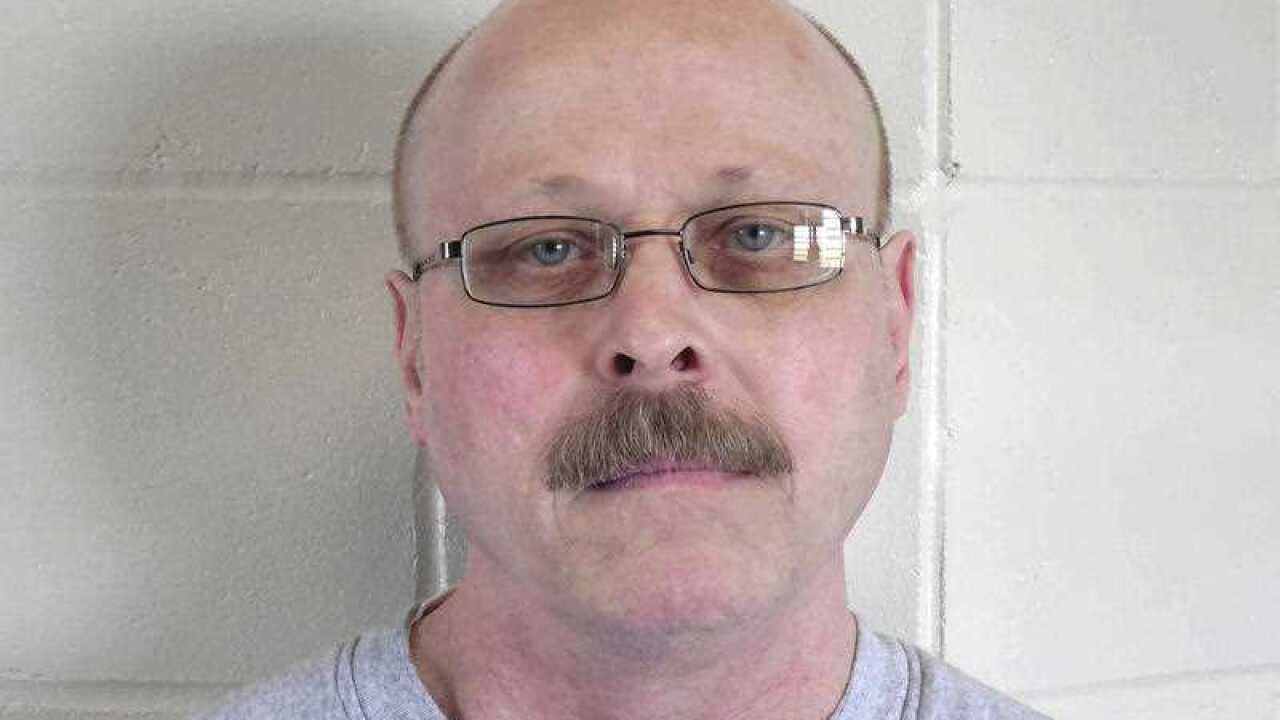
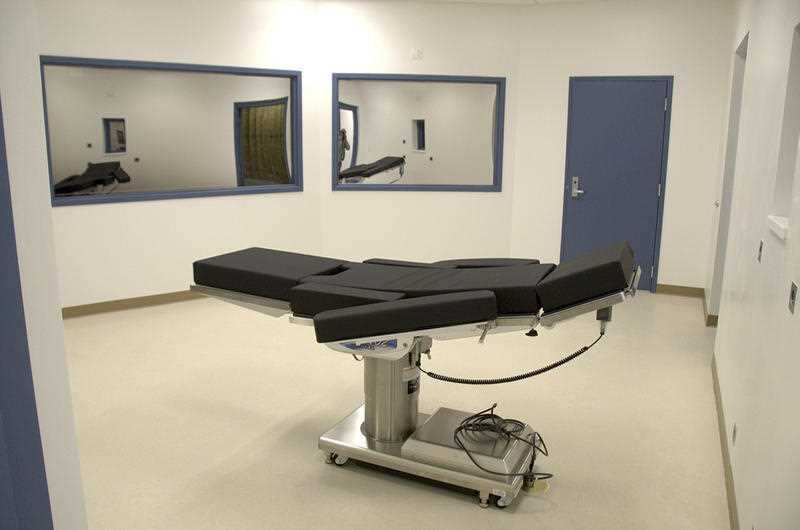
Nebraska on Tuesday carried out America's first execution using fentanyl - the opioid at the center of the country's deadly overdose crisis - as part of an untested four-drug combination.
Carey Dean Moore, sentenced to death for two 1979 murders, was the first prisoner executed in the Midwestern state in 21 years, in what was its first ever lethal injection.
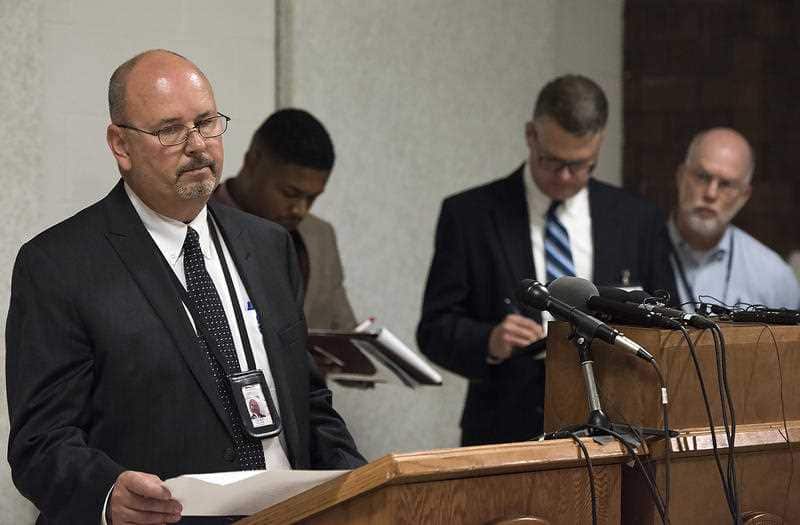
The 60-year-old was pronounced dead at 10:47 am (1547 GMT). The execution lasted approximately 20 minutes, according to Scott Frakes, director of the Nebraska Department of Correctional Services.
Moore's execution survived a last-minute legal challenge from a drug company and protests about the new lethal injection protocol.
News that makes sense
Your trusted source for staying up-to-date with the world around you. Get free daily news updates and analysis, straight to your inbox.
It was a pivotal test for Nebraska, where the state legislature abolished the death penalty in 2015, only to see voters reinstate it the next year in a referendum. The state last performed an execution in 1997 by electric chair.
"I recognize that today's execution impacts many people on many levels," said Frakes.
The execution was carried out with "professionalism, respect for the process and dignity for all involved," he said.
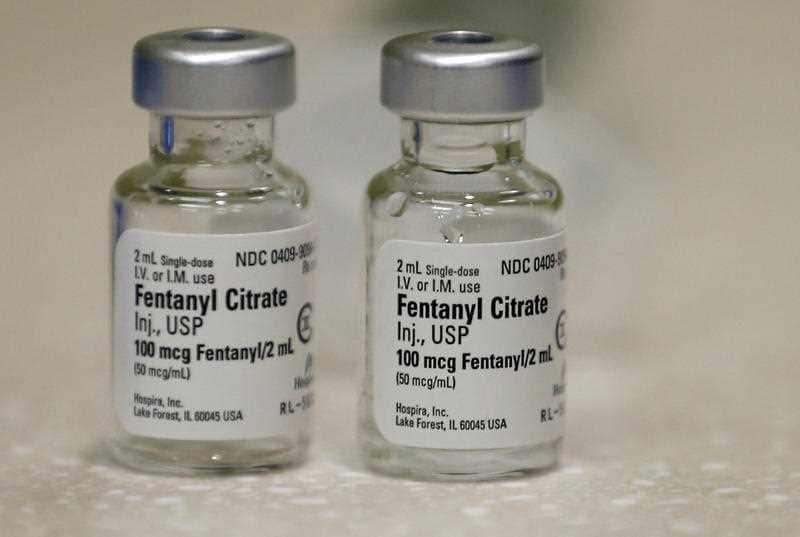
Fentanyl killed more than 20,000 people in the US in 2016. It is 50 times more powerful than heroin and up to 100 times stronger than morphine.
Questions about drugs used
The lethal injection consisted of the sedative diazepam to bring on unconsciousness, the painkiller fentanyl citrate, the muscle relaxer cisatracurium to stop breathing, and potassium chloride to stop the heart.
Only potassium chloride has been used before in executions.
Robert Dunham, director of the Death Penalty Information Center, said the new procedure was an indication of the trouble states are having in acquiring death penalty drugs.
"It indicates that states are looking for drugs that are available," Dunham told AFP.
Pharmaceutical manufacturers and providers have been increasingly hostile to selling such drugs to states. Officials across the country have had to scramble to find the execution drugs they need or find alternatives.
Dunham said Nebraska's use of fentanyl was especially problematic, because use of the powerful opioid is closely controlled by law, and the state has not disclosed its source for the drug.
"The manner in which they obtained it is highly questionable," he said.
Courts weigh in
Last week, German drug maker Fresenius Kabi challenged Nebraska with regards to two other drugs in the protocol, claiming the company was the likely source of the substances, and if so, Nebraska improperly obtained them.
It demanded that the state disclose the source of its drugs.
But the state insisted the drugs were legally acquired and both a federal judge and an appellate court sided with Nebraska.
Even the pope himself was not able to change Moore's fate.
Two weeks ago, Pope Francis changed the Catholic Church's teaching, declaring the death penalty "inadmissible" in all cases.
Nebraska Governor Pete Ricketts, a Catholic who supported the reinstatement of the death penalty, was resolute.
"While I respect the pope's perspective, capital punishment remains the will of the people," Ricketts said.
'I am guilty'
Moore had been on death row for 38 years and did not want further delays of his execution.
In 1980, while still in his early 20s, he was sentenced to death for the killings the year prior of two Omaha taxi drivers five days apart.
Expressing contrition, he admitted to fatally shooting the first driver during a robbery committed with his brother, and killing the second driver to "foolishly" prove to himself that he could commit murder on his own.
In his final words, Moore alluded to a written statement dated August 2, in which he pointed to other Nebraska death row inmates who claim their innocence.
"I am guilty, they are not," he wrote. "Why must they remain there one day longer?"
Moore also asked forgiveness from his brother.
Moore's execution was the 16th in the United States this year, according to the Death Penalty Information Center.







