
A preliminary report on the massacre of 17 people in a high school in Parkland, Florida has recommended a controversial proposal to allow school teachers to carry guns in schools as long as they undergo background checks and training.
Outgoing state governor Rick Scott, governor-elect Ron DeSantis and the state legislature are now considering the report's recommendations.
Campaign group Students Demand Action criticised the recommendation for arming teachers with guns, saying the weapons needed to be put out of circulation.
High school student with the group, Juliana Simone Carrasco, said she was "appalled" by the recommendation.
“I don’t want my teachers to be armed, I want my elected leaders to pass policies to keep guns out of the hands of people with dangerous intentions to begin with."
News that makes sense
Your trusted source for staying up-to-date with the world around you. Get free daily news updates and analysis, straight to your inbox.
Gay Valimont from Moms Demand Action said she questioned the evidence behind the plan, which was initially promoted by US president Donald Trump in the wake of the Parkland mass shooting.
“Our children deserve real solutions to keep them safe from gun violence – like a criminal background check on every gun sale – not policies that will put them at even higher risk.”
Safe areas recommended
The 400-page report by a state commission on the February 14, 2018 attack at Marjory Stoneman Douglas High School found many shortcomings in school security, including the lack of guards on entrances and the failure of school staff to declare a "Code Red" alert when a heavily armed former student, Nikolas Cruz, opened fire.
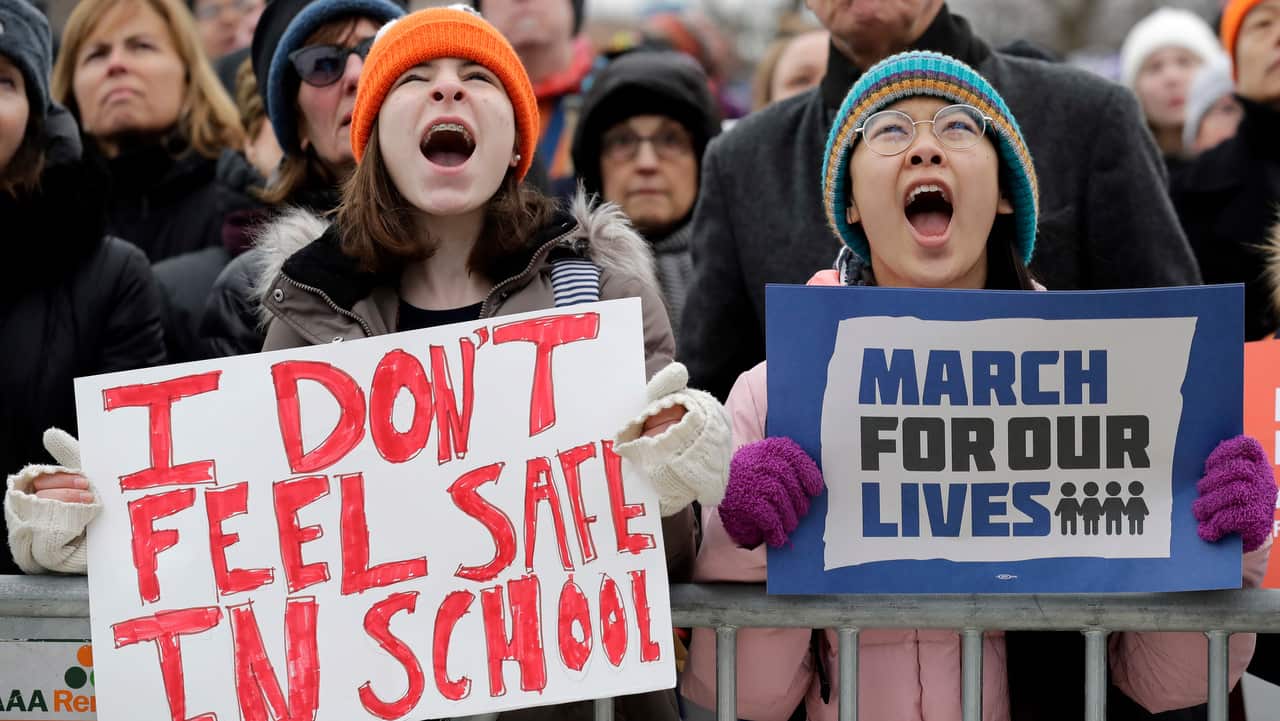
The report, which detailed the attack and response minute by minute, did not single out one major point of failure or person to blame for the massacre, which sparked calls to harden the security at schools across the country and even arm teachers.
But it said students would have been better protected if simple measures were taken, including allocating areas in rooms, so-called hard corners, that cannot be seen by an attacker peering in through windows.
The report noted that some rooms in the school building that Cruz attacked did have hard corners, but were ineffective in hiding students because they were obstructed by equipment.
Cruz, who killed 14 students and three staff members, while wounding another 17, "only shot people within his line of sight, and he never entered any classroom," the report noted.
"Some students were shot and killed in classrooms with obstructed and inaccessible hard corners as they remained in Cruz's line of sight from outside the classroom."
'Training drills inadequate'
The report nevertheless suggested that classroom doors be lockable from the inside, to prevent an attacker from easily entering.
It also noted that teachers and staff at the high school were poorly trained in emergency procedures, leading to a failure to quickly declare a "Code Red" alerting the attack.
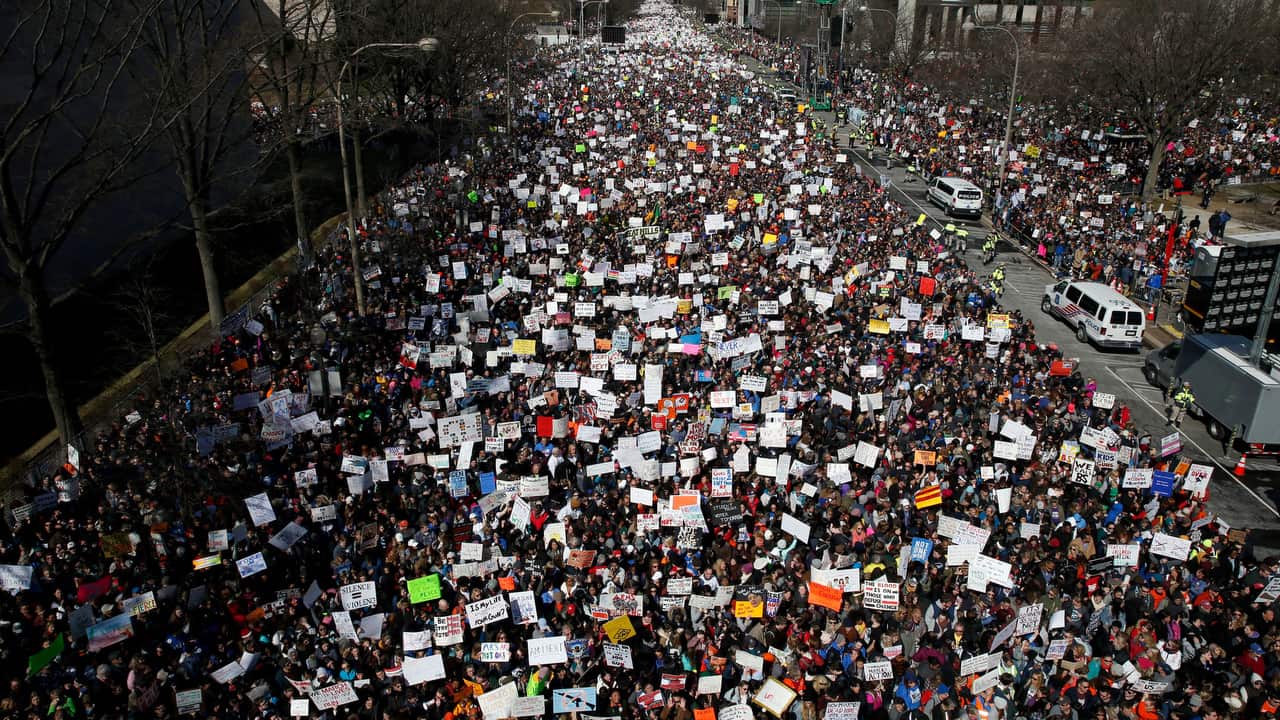
When it was declared, it did not go out uniformly over the school's public address system.
"The lack of a called Code Red on February 14, 2018 -- because there was no policy, little training and no drills --left students and staff vulnerable to being shot, and some were shot because they were not notified to lockdown."
Law enforcement authorities were also faulted for a poorly coordinated response, pinning the blame in part on a "flawed" 911 emergency alert system and faulty police radio.
- with AFP







