
The United States said it was gravely concerned about proposed amendments to Hong Kong laws that would allow suspects to be extradited to mainland China.
It warned that such a move could jeopardise the special status Washington affords the territory.
State Department spokeswoman Morgan Ortagus told a regular news briefing "the continued erosion of the 'one country, two systems' framework puts at risk Hong Kong's long-established special status in international affairs."
Another State Department official said Ms Ortagus was referring the United States–Hong Kong Policy Act of 1992, which establishes the legal framework by which Washington accords Hong Kong special treatment distinct from the rest of China for purposes of US domestic law.
"The United States expresses its grave concern about the Hong Kong government’s proposed amendments to its fugitive offenders ordinance," Ms Ortagus said.
READ MORE:

Hong Kong protest ends in violence
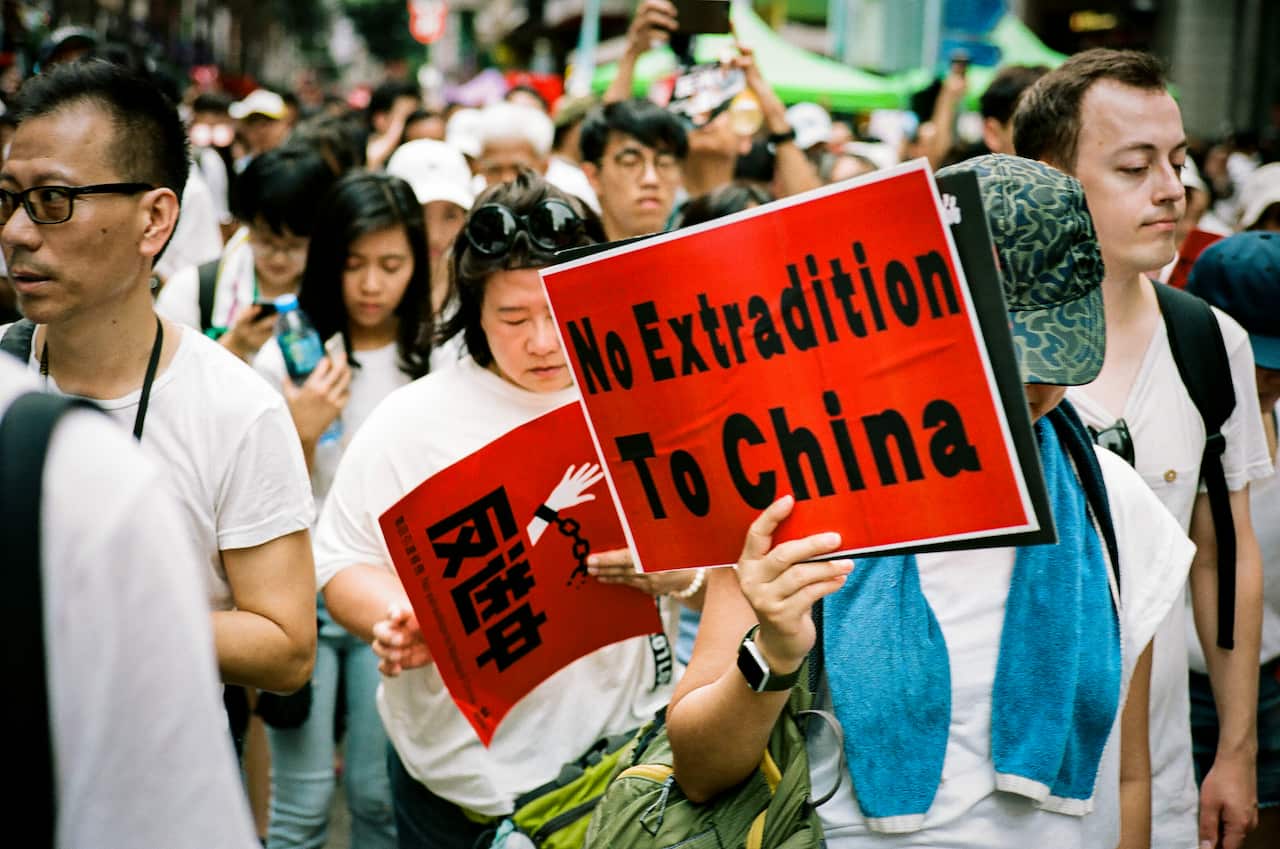
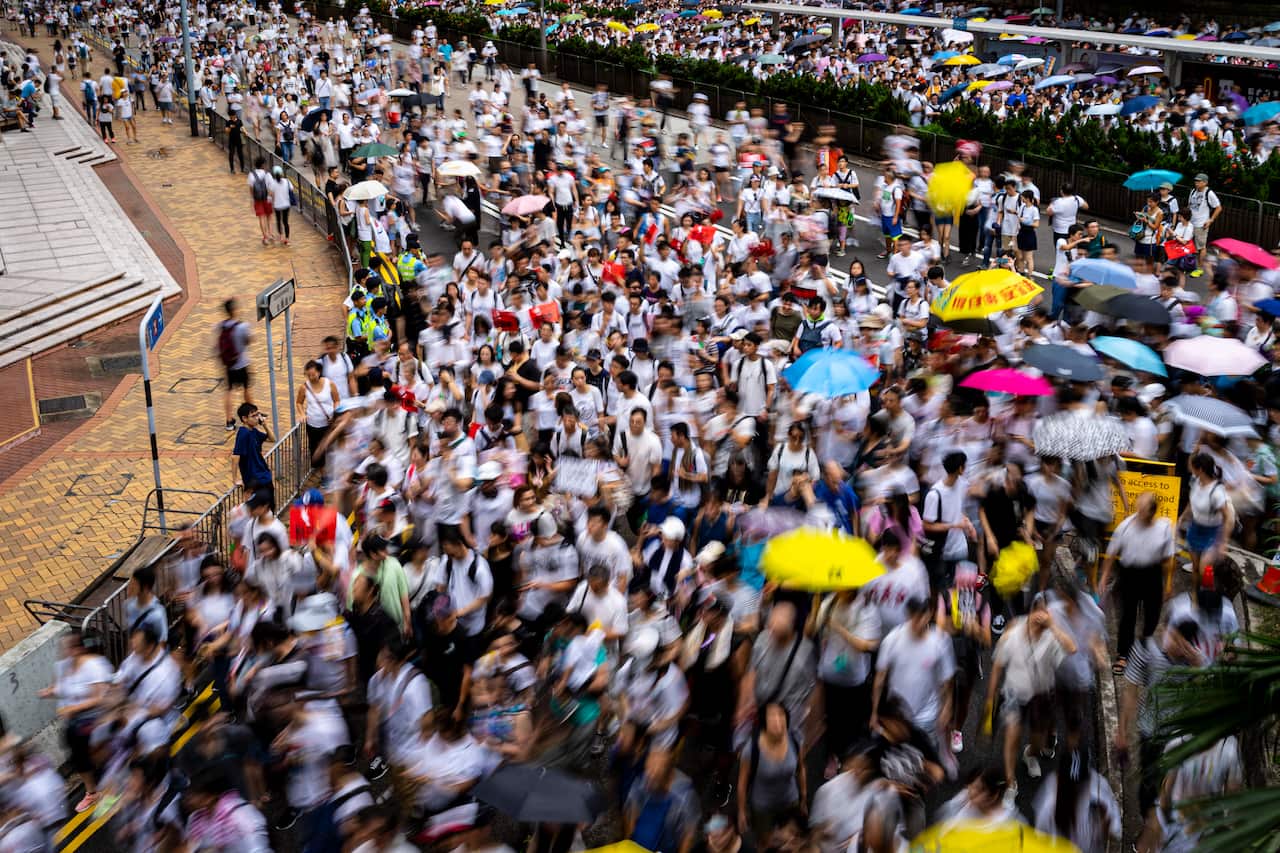
She said a peaceful demonstration on Sunday by hundreds of thousands of people in Hong Kong "clearly shows the public’s opposition to the proposed amendments."
"The United States shares the concern of many in Hong Kong that the lack of procedural protection in the proposed amendments could undermine Hong Kong’s autonomy and negatively impact the territory’s longstanding protections of human rights, fundamental freedoms and democratic values," she said.
Ms Ortagus said the United States was concerned that the amendments could damage Hong Kong’s business environment "and subject our citizens residing in or visiting Hong Kong to China’s capricious judicial system."
"Any amendments to the fugitive offenders ordinance should be pursued with great care and in full consultation with a broad range of local and international stakeholders who may be affected by the amendments," she said.
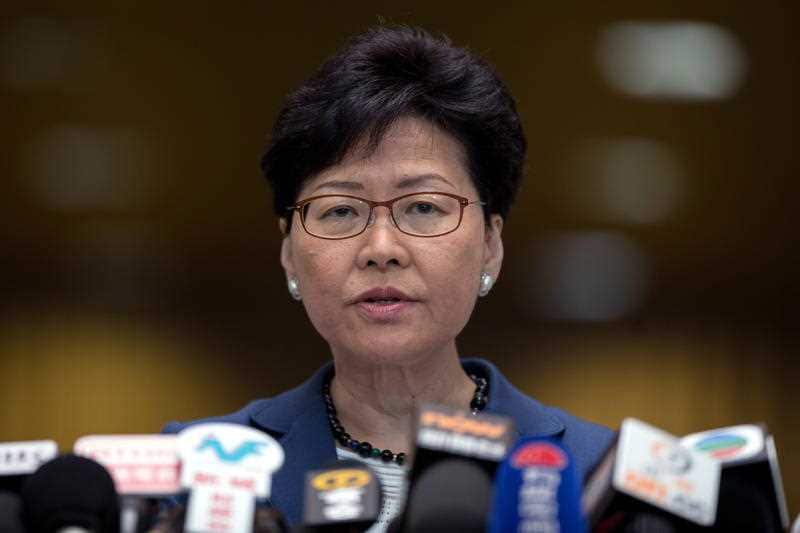
Hong Kong leader Carrie Lam vowed to push ahead with the amendments despite the city's biggest protest since its handover from British to Chinese rule in 1997.
Britain handed Hong Kong back to China under a "one country, two systems" formula with guarantees that its autonomy and freedoms, including an independent justice system, would be protected.
But many accuse China of extensive meddling in many sectors, denying democratic reforms and squeezing freedoms.
A 1992 US law recognises Hong Kong's special status and allows the United States to engage with it as a non-sovereign entity distinct from China in matters of trade and economics. Areas of special treatment include visas, law enforcement, including extraditions, and investment.
A US congressional commission said last month that amending the extradition laws could provide grounds for Washington to re-examine elements of its relationship with Hong Kong outlined in the 1992 law.
In its 2019 report on the Hong Kong Policy Act released in March, the State Department assessed that Hong Kong maintained a sufficient, although diminished, degree of autonomy under the one country, two systems framework to justify continued special treatment.
Analysts say any move to end such special treatment could prove self-defeating for the United States, which has benefited from the business-friendly conditions in the territory.
According to the State Department, 85,000 US citizens lived in Hong Kong in 2018 and more than 1,300 US companies operate there, including nearly every major US financial firm.
The territory is a major destination for US legal and accounting services and in 2018 the largest US bilateral trade-in-goods surplus was with Hong Kong at $44 billion ($33.1 billion US).


