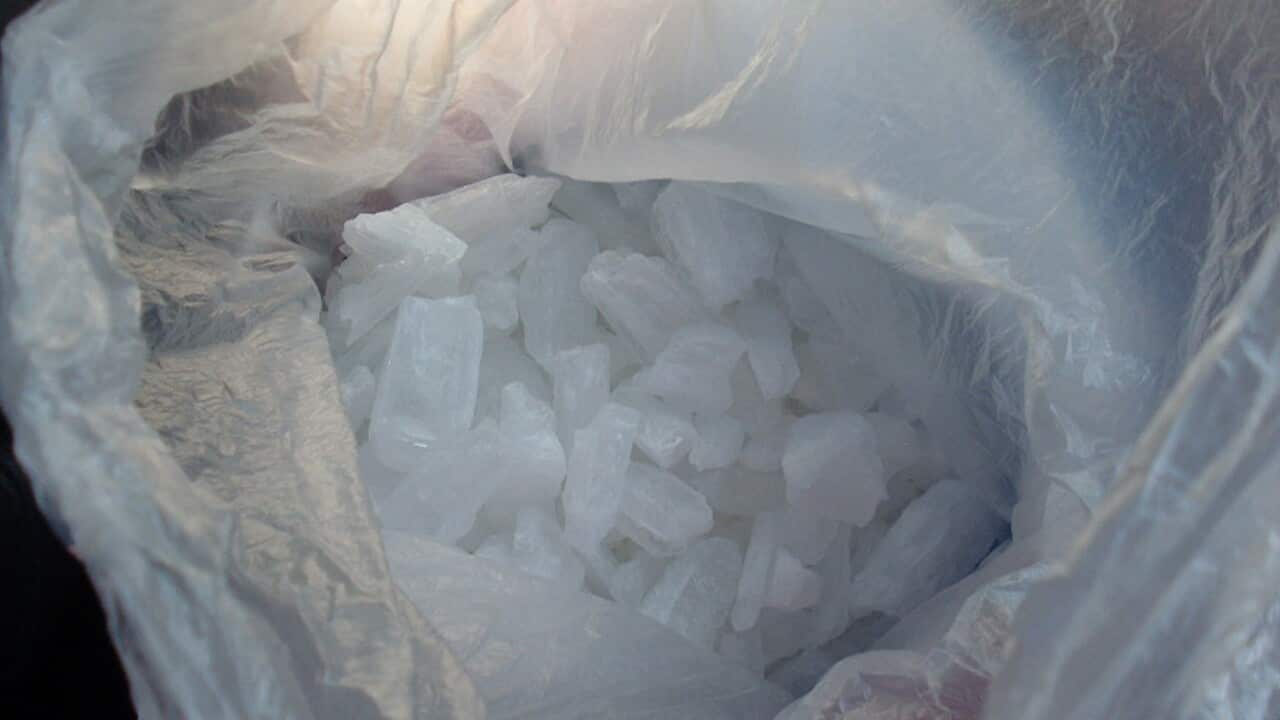
A worrying number of methamphetamine users believe their driving ability actually improves when they are off their face.
Yet driving while affected by meth is seen as carrying the highest risk of police detection, a risk only topped by alcohol, a new study says.
The study by the Australian Institute of Criminology found these perceptions had unknown implications for the increasing use of random roadside drug testing and further work could be needed to increase public knowledge of RRDT and risks of driving under the influence.
The study formed part of the AIC drug use monitoring program in which detainees in police lockups in Sydney, Adelaide, Perth and Brisbane are surveyed on drug use. That gives a street level view of the national drug scene.
In late 2014, 285 detainees, average age 32, were polled on their drug use while driving and perceptions of the risk of getting caught.
Random breath testing was rolled out across Australia from the mid-'70s, with a dramatic impact on the prevalence of drink driving. RBT was perceived as making the risk of driving under the influence of alcohol unacceptably high.
Now RRDT is being introduced, with the hope it will have a similar effect.
But the level of deterrence seems to vary based on the drug ingested. Sixty per cent said they were likely to encounter RBT while 40 per cent said they would probably be tested for amphetamines.
Alcohol users - 95 per cent of the survey group - overwhelmingly said intoxication impaired driving. So did users of heroin, ecstasy and cocaine.
But only 50 per cent of amphetamine users said driving would be impaired, while a third said it was improved.
The AIC said findings suggested some of those surveyed did perceive a risk of impaired driving and potential police detection that would have a deterrent effect.
But there was marked variability across users of different drugs.
"Of concern, approximately one-third of methamphetamine users perceived an improvement in driving ability when under the influence," it said.
Share


