
The fifth and final Ashes Test in Sydney brought the curtain down on Usman Khawaja's international career, at the same place it started.
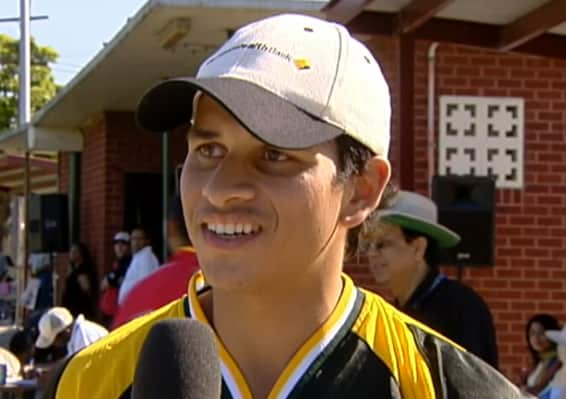
Cricket has defined his life up to this point. Playing for Australia was a lifelong goal, he told this SBS reporter in 2007 when he was just 18.
He told me all he ever wanted was to represent Australia at cricket.
"Definitely, that's the dream I've had since I was a child, that'd be the best thing in the world to make my life complete."
Less than four years later, at the fifth and final Ashes Test in Sydney in January 2011 he would receive his baggy green cap, a rite of passage for all players who debut for the Australian Test team.
News that makes sense
Your trusted source for staying up-to-date with the world around you. Get free daily news updates and analysis, straight to your inbox.
Khawaja is one of the few sports personalities prepared to use his profile to air his opinions on important issues. At his retirement press conference, he spoke out against the racism he'd experienced as a youngster.
"I'm a proud Muslim, coloured boy from Pakistan who was told he would never play for the Australian cricket team. Look at me now," he said.
The first Muslim player to wear a baggy green cap expanded on his personal struggles.
Khawaja pointed to racial barriers within the game, being the victim of stereotyping, which he also blamed on some in the media, too. He felt bitter about criticism for playing golf in the lead-up to November's first Ashes Test in Perth.
He developed back spasms which hindered him in the match and forced him to miss the second test in Brisbane altogether.
"'He's selfish, he doesn't train hard enough, he didn't train the day before the game', 'he's lazy'. These are the same stereotypes — racial stereotypes — I've grown up with my whole life," Khawaja said.
He said a white player in the same position would have been treated differently.
Not everyone thought his farewell conference was the right time to air his grievances. The first Indigenous cricketer to play for Australia, Jason Gillespie, felt Khawaja had gone too far and described some of his comments as a "temper tantrum".
Cricket Australia (CA) has, for many years, been working to make the sport more inclusive and accessible to players from multicultural backgrounds. But it's a long and sometimes difficult road as Khawaja's comments highlight.
Patrick Skene is the co-founder of Cultural Pulse, an organisation that facilitates engagement with multicultural and linguistically diverse Australians.
It worked with CA in establishing its 'Sport for All Program' in 2015. Skene said CA has done a lot of work since then to ensure higher proportions of Australia's migrant communities embrace the game at all levels.
"CA has executed a dedicated South Asian engagement strategy, including a community ambassador program, South Asian program managers and South Asian representation in marketing … Cricket Australia should be acknowledged for its work in the space," Skene said.
As Khawaja exits international cricket, the next generation of multicultural players is already knocking on the door.
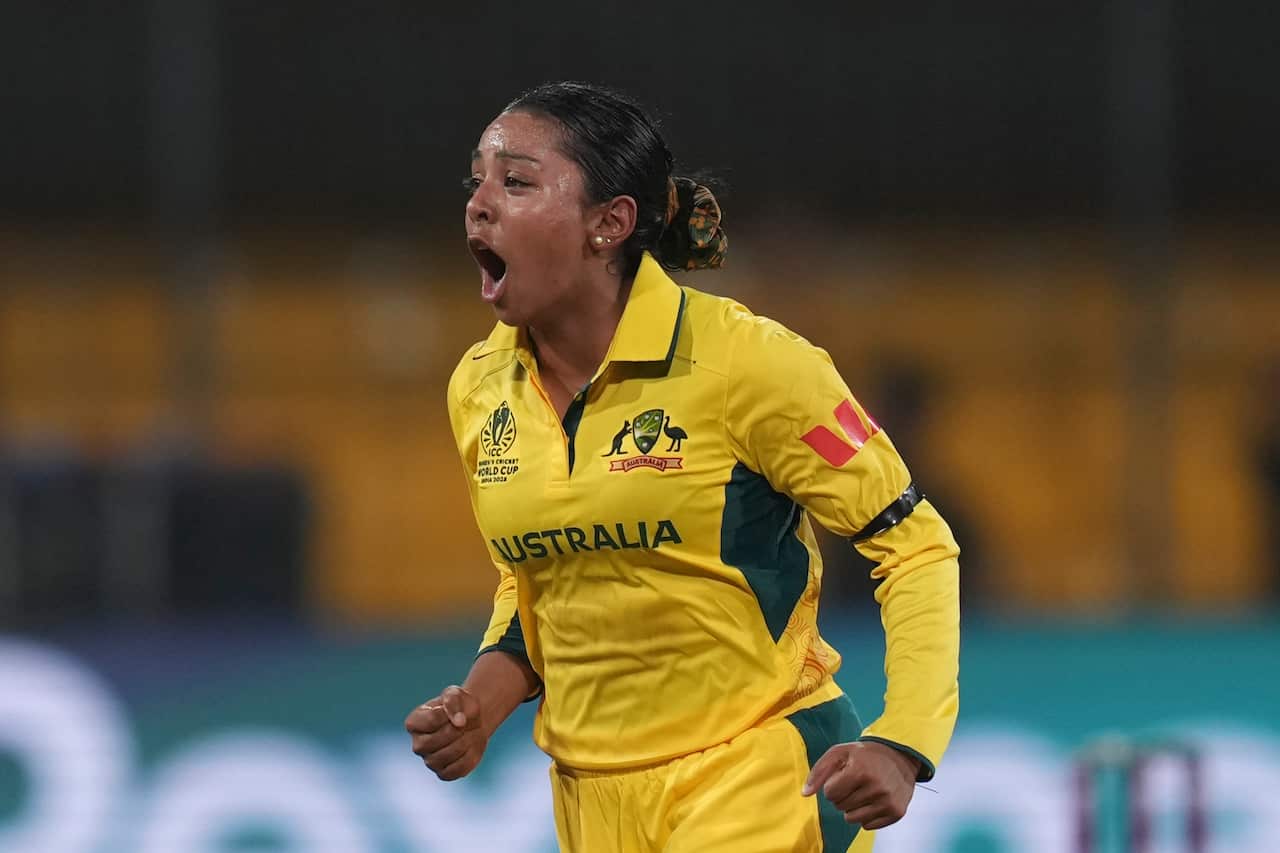
This month's Under-19 World Cup squad includes Nitesh Samuel and Aryan Sharma, who have Sri Lankan and Indian backgrounds, respectively. Along with Alana King's starring role with Australia's women's team, they could indicate the multicultural future of cricket is bright.
Last year's Australian Under-17 championships featured 33 players of South Asian heritage — 23 per cent of the total number of players in the state squads.
Skene believes that's a clear sign the next Usman Khawaja or Alana King won't be too far away.
"We are evolving from outliers to significant numbers of South Asian heritage players in the elite talent funnel and the weight of numbers will produce a new generation to follow in Usman's footsteps," he said.
Khawaja started his own foundation in 2018 to help youth from migrant communities achieve their potential. He has also called for Islamophobia to be condemned, and met with the prime minister last year to campaign for support for Gazans.
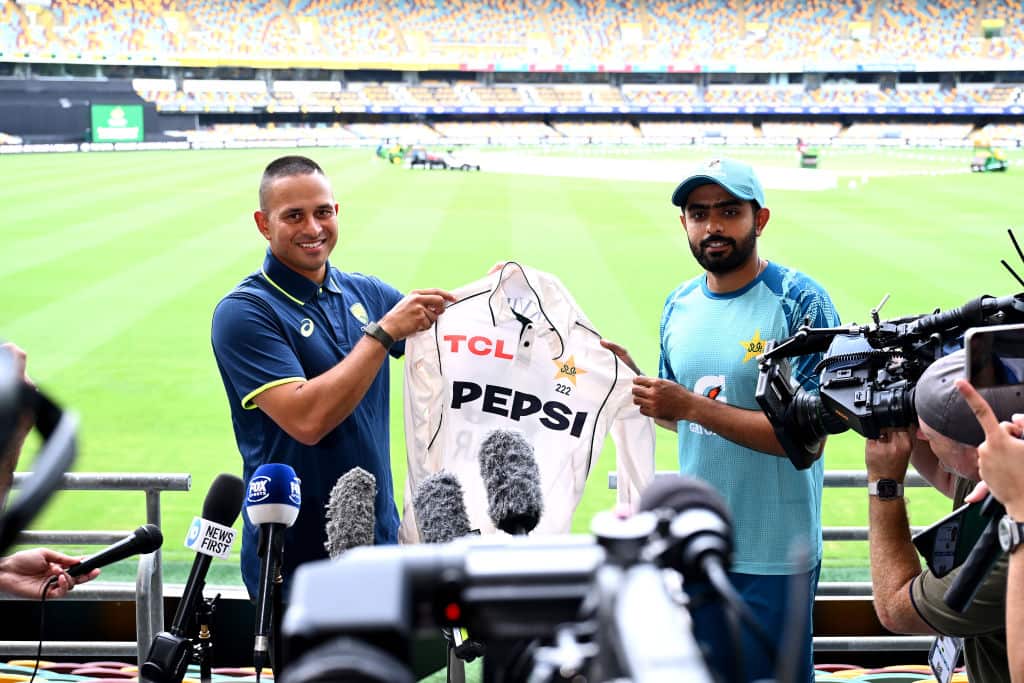
Khawaja wore shoes during matches with handwritten messages such as "All lives are equal" and "Freedom is a human right". He also wore a dove symbol on his bat and a black armband in solidarity with the Palestinian people, called for sanctions on Israel, and supported the recognition of Palestinian statehood.
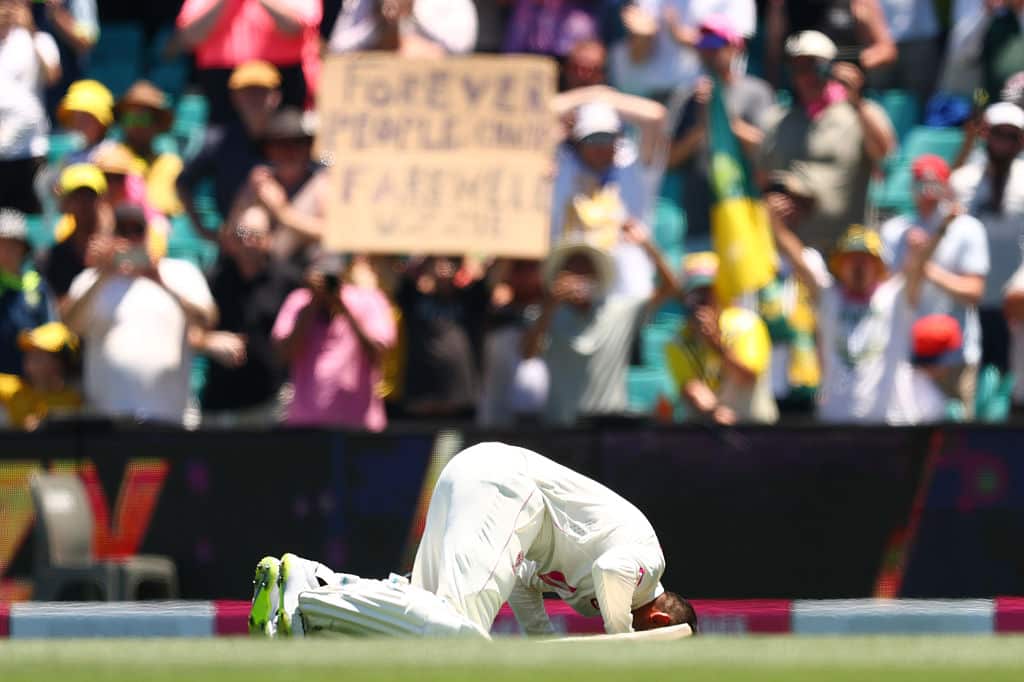
It has been suggested in cricket circles that Khawaja might one day consider moving into politics. After his final test innings, he walked off the Sydney Cricket Ground to a hero's reception and sank to his knees to kiss the turf where his test career started and ended.
"For one last time to be thankful for what I've been given," he said.
The 39-year-old will, in the immediate future, spend more time with his growing family and perhaps play a little more golf. The curtain falling on his playing career has seen him become a little more philosophical than the 18-year-old who once only cared about playing for Australia.
"A lot of times in life, we worry about what we want — we always want more. It's all about what else do we have, what else do we want?"
For the latest from SBS News, download our app and subscribe to our newsletter.







