In brief
- Israel has defied a call for restraint from the US president and launched a wave of airstrikes across Iran.
- The attack on Iran came after Iran launched missiles at Israel in response to Israeli airstrikes on Beirut.
Israel said on Monday it had struck targets across Iran, defying a call from United States President Donald Trump to refrain from retaliating against a barrage of Iranian missiles.
Explosions were heard in three cities, including Tehran, according to Iranian state TV, as the Israeli military said it had struck targets in western and central Iran.
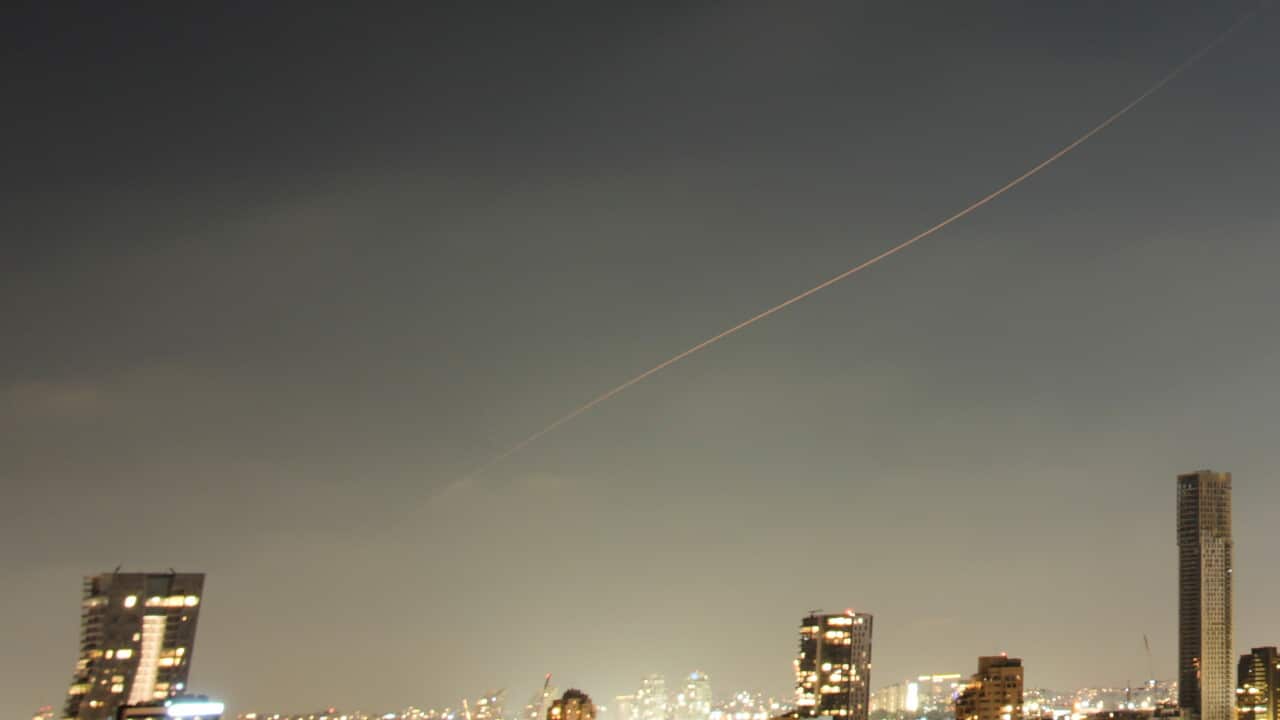
The Israeli barrage was launched in response to Iran on Sunday sending 11 missiles at Israel, all of which were intercepted, with no casualties.
Trump had sought to rein in Israeli Prime Minister Benjamin Netanyahu, as Israel accused Iran of making a "grave mistake" for the Iranian attack — itself a retaliation to Israeli airstrikes on Lebanon's capital.
"I am going to call Bibi right now and tell him not to retaliate," Trump was quoted as saying by Axios journalist Barak Ravid in a phone interview, using Netanyahu's nickname.
News that makes sense
Your trusted source for staying up-to-date with the world around you. Get free daily news updates and analysis, straight to your inbox.
"Israel had its strike and Iran had its strike. We don't need another one," Trump reportedly said.
Ravid later posted that a US official said Trump spoke with Netanyahu, although the White House and Trump have yet to comment.
The attacks further rattled a fragile 8 April truce as the war entered its 100th day, with the US struggling to conclude a deal with Iran to end the conflict.
Following the Israeli strikes, Trump said on a social media post: "Israel and Iran must immediately stop 'shooting'".
The US president said that Iran and Israel wanted a ceasefire but warned that ongoing peace negotiations were "subject to ignorance or stupidity".
"Both sides, Israel and Iran, are looking to do an immediate CEASEFIRE! Final negotiations on 'Peace' are proceeding, subject to ignorance or stupidity getting in its way," Trump said on Truth Social.
IRGC says attacks were a 'warning'
Iranian foreign ministry spokesman Esmaeil Baqaei warned at a press conference in Tehran that is was "perfectly natural that the diplomatic process initiated to put an end to this imposed war would be affected".
But he added: "Diplomatic consultations are naturally continuing in all circumstances."
As he was speaking at the foreign ministry, a huge explosion shook the building, followed by repeated explosions believed to be from air defence systems. Local media in Iran that a "hostile drone" was shot down over Tehran by air defences.
Iran has insisted that any deal to permanently end the war must also halt the parallel conflict in Lebanon, where Israel is pursuing a campaign against the Iranian-backed Hezbollah group. It had earlier warned that any new attacks on Beirut would trigger a "full-scale resumption" of hostilities.
Iranian foreign ministry spokesperson Ali Safari told Al-Mayadeen television that Iran's strikes came after weeks of restraint against Israeli aggression.
Iran's Revolutionary Guards called the attack a "warning" after Israel struck Beirut's southern suburbs earlier in the day, threatening wider strikes in the event of repeated aggression.
A separate Iranian attack targeting the headquarters of "terrorist groups" in Iraqi Kurdistan on Monday further strained hopes for a lasting peace. The Iranian government accuses the armed Kurdish parties of serving Western or Israeli interests.
The Israeli army also said Monday it was working to intercept a missile launched from Yemen, where rebels have previously launched attacks on Israel.
On Sunday, Netanyahu's office announced the army had "struck a militant command centre in Beirut's Dahiyeh district, in response to Hezbollah's fire towards Israeli territory".
The raid killed two people and wounded 20 more, Lebanon's health ministry said.
Israel had warned it would hit the area should Hezbollah attack northern Israel, and the group later confirmed having launched missiles and drones at a pair of Israeli army barracks early Sunday.
Mohammad Bagher Ghalibaf, Iran's parliament speaker and its chief negotiator in talks with the US, accused the Trump administration of having given a "green light" for the Beirut attack, saying US and Israeli assets were now "legitimate targets".
The head of Iran's military central command said Israel had "crossed all red lines" with the Beirut strike and demanded it halt its campaign in Lebanon.
"Tonight's operation (against Israel) was a warning," the Revolutionary Guards said.
"If such aggressions are repeated, the responses will be broader and will cover all US-Zionist targets in the region."
Pakistan continues diplomatic push, Trump says he 'calls the shots'
Yemen's Houthi rebels meanwhile announced a missile attack on Israel on Monday, the first since early April, and declared a ban on Israeli shipping in the Red Sea.
Trump called for calm from both Netanyahu and Iran. "I call the shots. I call all the shots. He doesn't call the shots," Trump said in an interview with the Financial Times on Sunday, referring to Netanyahu.
In an interview with Fox News, Trump said: "What I would suggest to Iran: You've shot your missiles, that's enough, get back to the table and make a deal."
Shortly after the attack, Iran announced it was closing its airspace over the country's west, while neighbouring Iraq and nearby Syria followed suit.
Iran also suspended all incoming flights to the international airport in Iran, local media reported Sunday.
There have been some signs of ongoing diplomatic efforts, with Pakistan's interior minister, Mohsin Naqvi, visiting Tehran over the weekend.
Naqvi said upon his arrival on Saturday that he would deliver a "special letter" from Pakistan's army chief to Iran's supreme leader, as well as a message from the prime minister, according to Iranian state television.
Pakistani military leader Syed Asim Munir has played a key role in mediating between Iran and the US following an initial round of direct negotiations in Islamabad.
Mohsen Rezaei, military adviser to Iranian supreme leader Ayatollah Mojtaba Khamenei, had told CNN negotiations with the US "are at a deadlock, and Trump must break this deadlock", calling for the release of some $24 billion in frozen Iranian assets.
But Trump said he would not unfreeze Iranian assets before reaching an initial agreement with Iran, telling NBC on Sunday: "If they behave, if they do a good job, we start talking."
For the latest from SBS News, download our app and subscribe to our newsletter.







