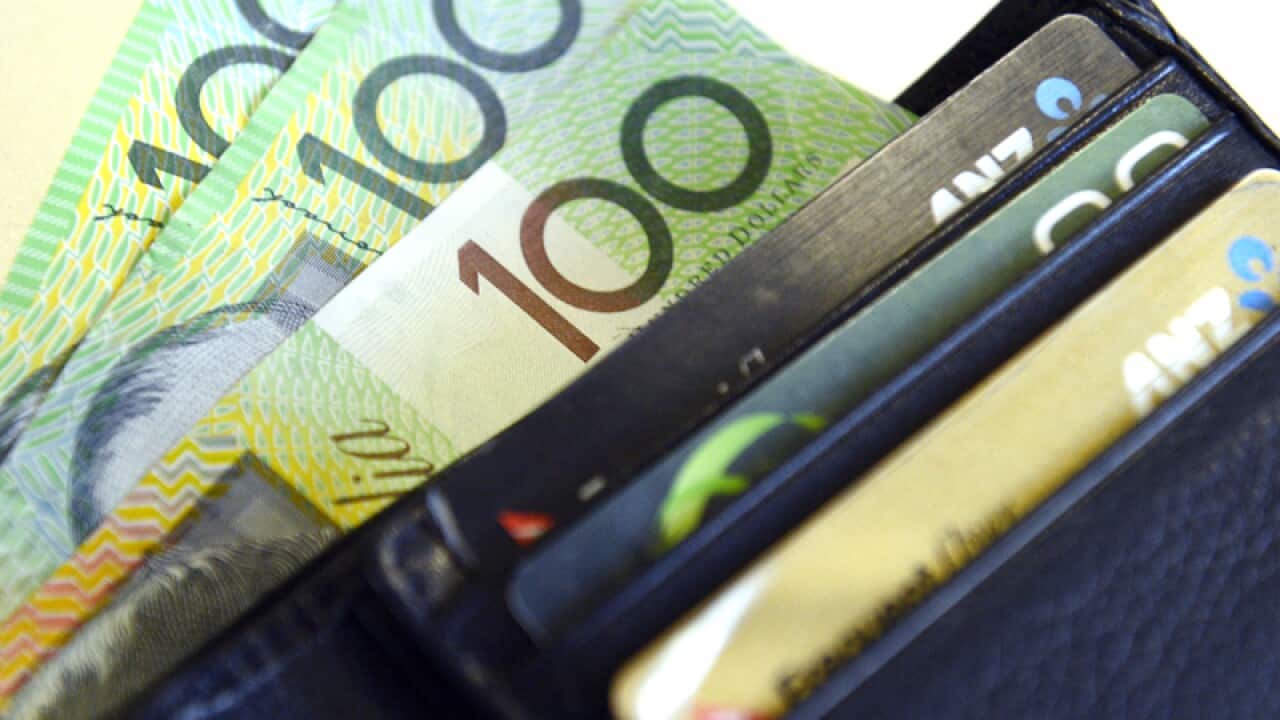
Wages are barely rising but the average Australian can still afford to buy more stuff.
In the year to March, wages rose 2.1 per cent, new figures show, meaning the average Australian earning $74,724 a year got paid about $30 extra per week.
Total hourly rates of pay, excluding bonuses, rose by 0.4 per cent in the March quarter, the Australian Bureau of Statistics said on Wednesday.
That's the slowest growth in wages recorded since the Australian Bureau of Statistics wage price index began in 1997.
But wages are still growing faster than consumer prices, which only rose 1.3 per cent over the same period.
News that makes sense
Your trusted source for staying up-to-date with the world around you. Get free daily news updates and analysis, straight to your inbox.
CommSec chief economist Craig James says it's a win-win situation because consumers can afford to buy more goods and services and businesses can afford to give more people jobs.
"Add in the strong flow of dividends from companies, lower interest rates and higher home prices and there is plenty of latent spending power to boost sales at retailers," Mr James said in a note.
"If you are getting paid a bonus as well, there is even more reason to spend."
Westpac senior economist Justin Smirk said slow wage growth signalled that the prices of goods and services were unlikely to heat up and outlook was pretty benign.
"One that is set to remain so given modest job gains, increasing market competition in the retail space in particular, declining inflation expectations and rising supply of workers in the sectors that are expanding," he said in a note to clients.
RBC Capital Markets fixed income and currency strategist Michael Turner said sluggish wage growth added to the case for the Reserve Bank to cut rates on June 1.
After Tuesday's figures, the RBA board would be able to examine the April unemployment rate and March quarter capital expenditure data and GDP growth before its next meeting.
"We expect the sum of these parts to confirm limited progress in reducing spare capacity and muted prospects for non-mining investment," Mr Turner said.
That, he said, "should provide the RBA with enough reason" to follow May's move with another 25 basis point reduction in June.







