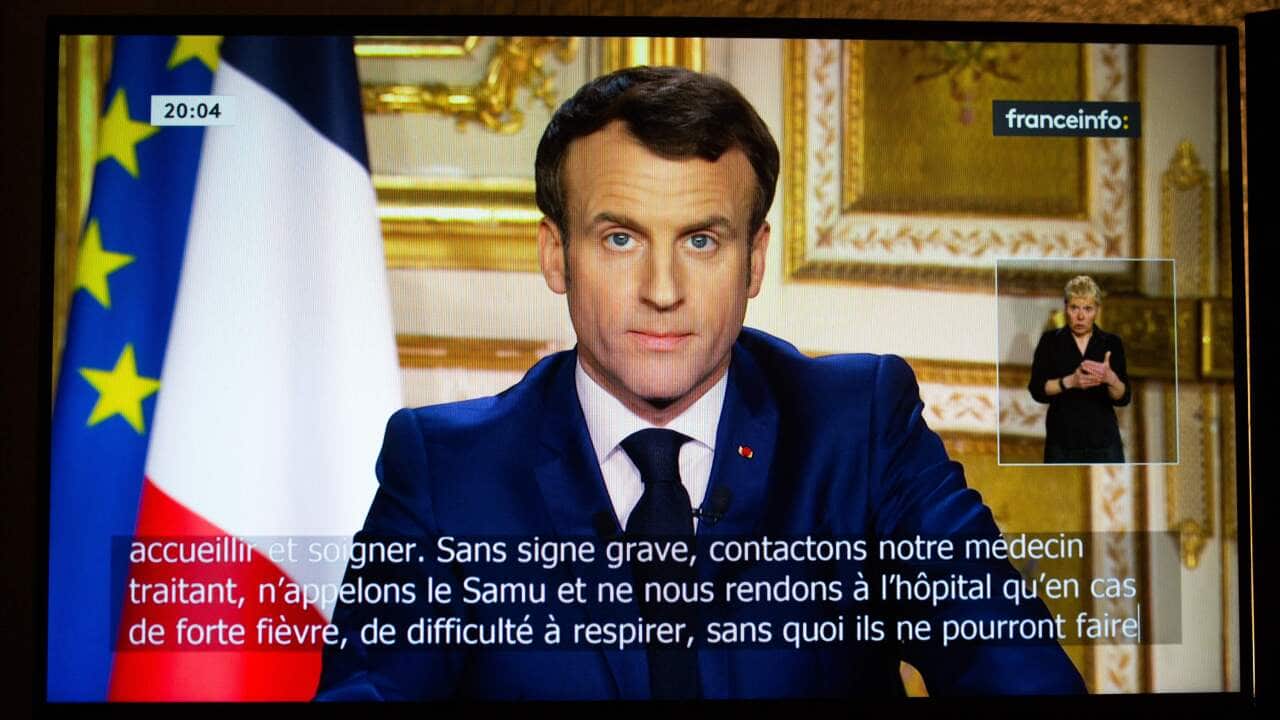
French President Emmanuel Macron on Monday ordered people to stay at home to avoid spreading the new coronavirus, saying only necessary trips would be allowed and violations would be punished.
Mr Macron's orders came as France's national health agency announced 21 more coronavirus deaths and 1,210 new cases of infection in the past 24 hours, bringing the total number of fatalities to 148.
In the 20-minute address to the nation, he said the French had to "severely restrict movements for the next 15 days at least" and limit social contacts as much as possible.
Interior Minister Christophe Castaner later said anyone outside would have to provide proof of their reasons for travelling and 100,000 law enforcement officers would be enforcing the measures.
News that makes sense
Your trusted source for staying up-to-date with the world around you. Get free daily news updates and analysis, straight to your inbox.
Anyone who does not observe the confinement, Mr Castaner added, could be fined 135 euros.
Mr Macron said under the new regime gatherings among friends and family would no longer be allowed, only "necessary movements" like shopping, medical visits or working when telecommuting was not possible.
Mr Macron, who repeatedly said France was "at war" with the virus, also announced that the second round of local elections due to be held on 22 March would be postponed. He added that the EU had agreed to shut its external borders for the next 30 days.
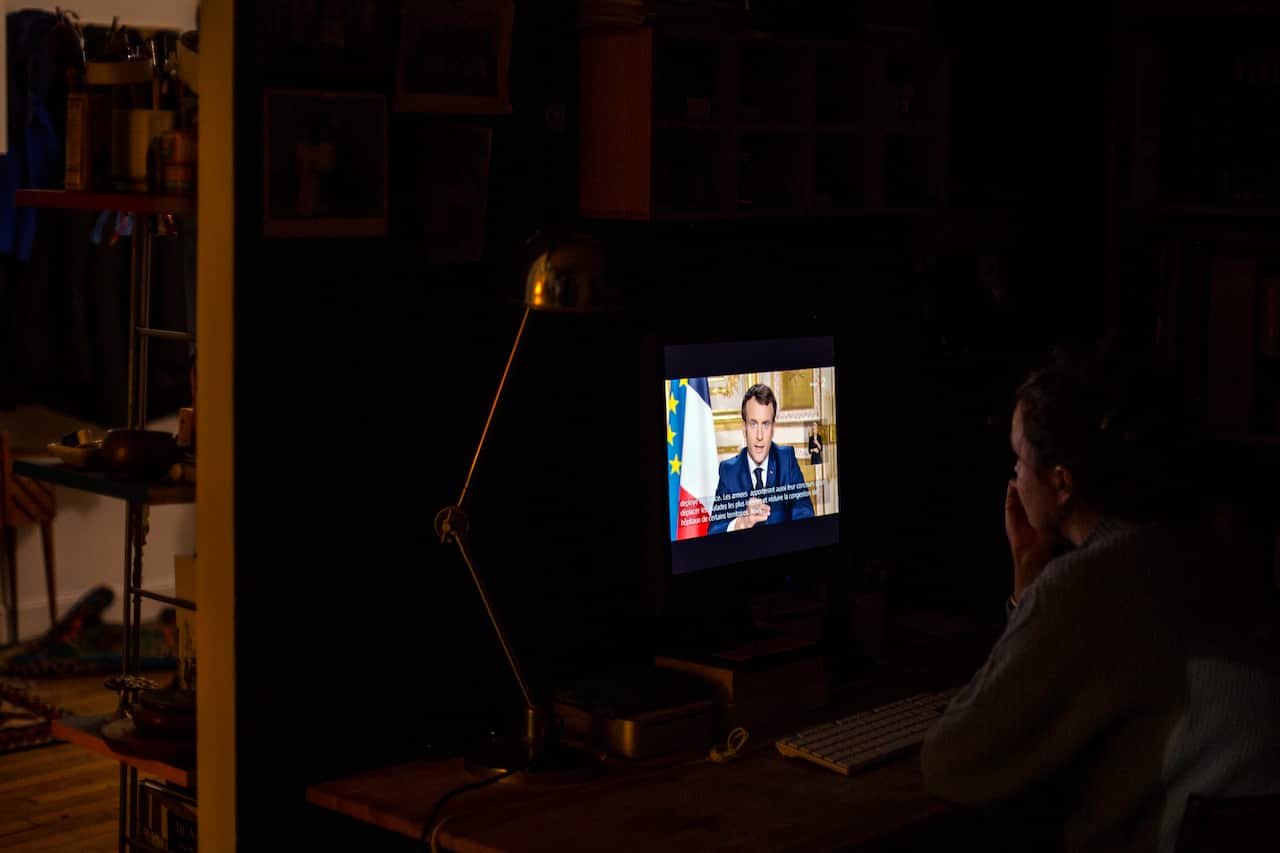
In addition, he said the European Union would close all external borders for 30 days from Tuesday to curb the outbreak, though citizens of EU countries would be allowed to return.
And on the domestic front, the second round of municipal elections set for this weekend has been postponed to June 21 after the first round of voting Sunday was marred by record no-shows.
Given the urgency of the crisis, Mr Macron also said he would ask parliament on Thursday to approve a law granting his cabinet the power to govern by decree, "only in areas required to manage this crisis".
Spain lockdown
In Madrid, streets were eerily quiet on Monday as Spaniards spent their first working day under a state of emergency which a minister said will need to be extended beyond the two weeks initially envisaged.
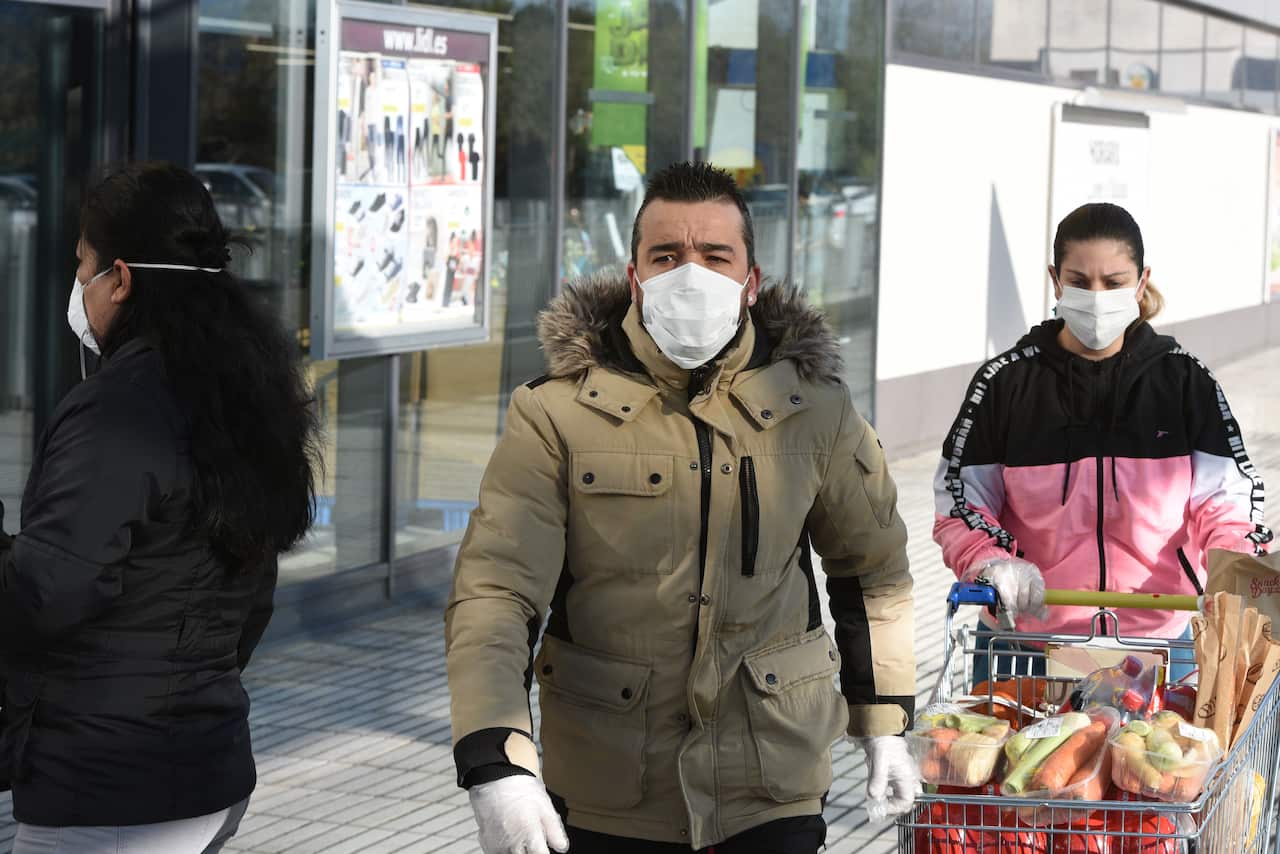
Spain's 47 million people have been under partial lockdown since Saturday night, allowed to leave their homes only to go to work, buy food or visit a pharmacy or hospital. Out of the few people walking in deserted streets in Madrid or using the near-empty metro on Monday morning, many wore masks.
More than 1,000 troops have been deployed across the country to police the lockdown, telling people to go home unless they have a good reason to be outside.
Streets remained empty and shops remained closed in tourist-friendly Paris and Venice.
"I'm careful. I wash my hands, I take precautions and try not to be too close to people and that's it. That's life!" said 64-year-old Parisian Rose Franquin.
Germany's federal and state governments agreed sweeping rules shutting everything from non-essential shops to bars, clubs, theatres, museums, brothels and churches in order to slow the spread of the coronavirus, the federal government said.
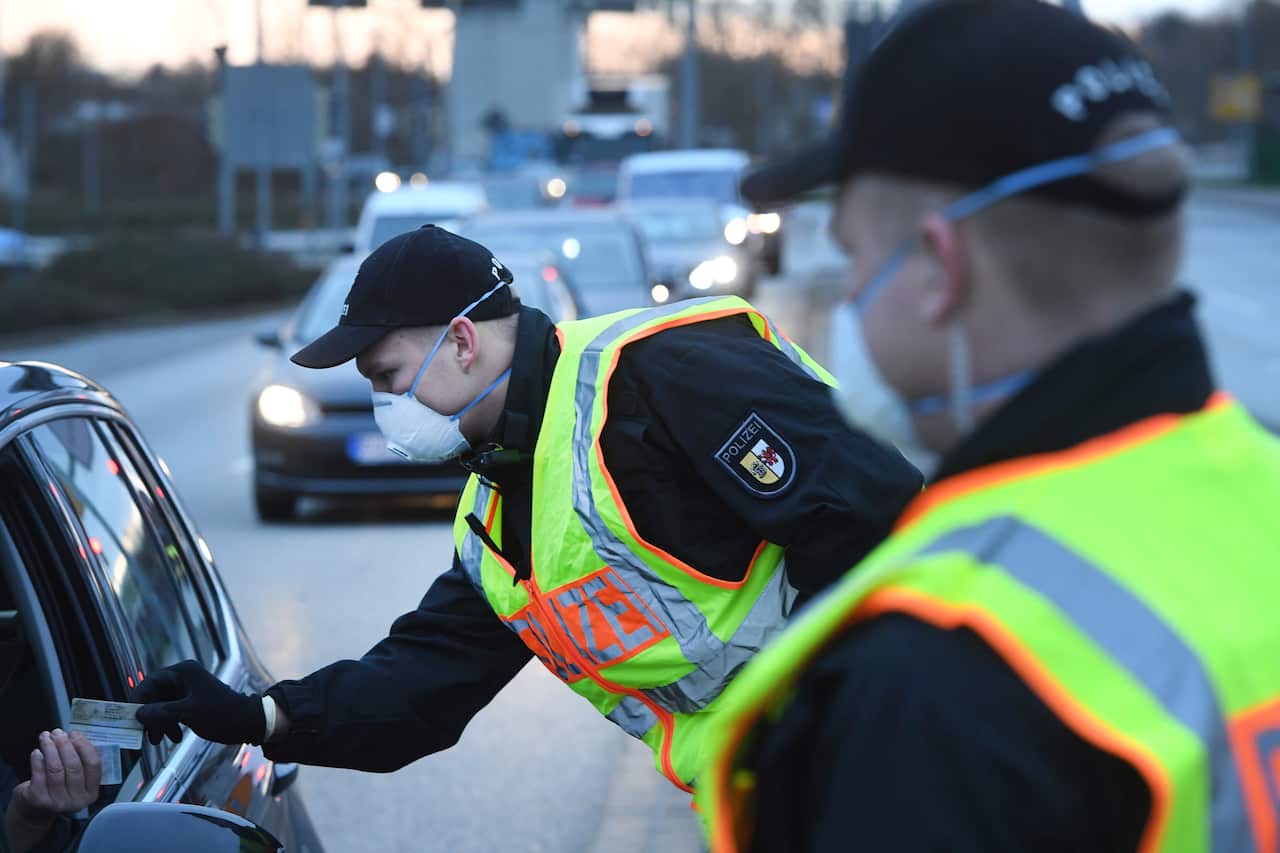
Germany also began border checks with Austria, France and Switzerland on Monday. In the southern town of Kehl, German officials enquired with drivers why they wanted to enter the country.
"We are checking cross-border traffic and we are asking people for their reasons to come to Germany. If those are not sound the people will be sent back to France," said German federal border police spokesman Dieter Hutt.
More travel bans were announced as weary travellers rushed to return home.
"It doesn't feel like everyone's in lockdown. It doesn't feel like I have to do this isolation, but at the same time, I'm being told I have to. I don't know, it doesn't seem policed, which is a bit confusing," said Australian traveller Sam Hall.
Meantime, bars and restaurants were ordered to close across the United States.
Several countries banned mass gatherings such as sports, cultural and religious events to combat the disease that has infected over 169,000 people globally and killed more than 6,500.







