Australian diplomats navigate a complex world of political unrest, simmering global tensions and conflicting national interests - but the officials leading this foreign policy agenda typically remain out of the public eye, while negotiating the delicate balancing act of diplomatic relationships and unpredictability of global leaders.
In stark contrast to this, the Department of Foreign and Affairs and Trade was in the focus during Senate estimates in Canberra on Thursday.
The proceedings allowed senators to question DFAT officials on foreign policy and shed light on the global challenges circling Australia.
News that makes sense
Your trusted source for staying up-to-date with the world around you. Get free daily news updates and analysis, straight to your inbox.
‘Enduring differences’
Front of mind in the hearing is what DFAT's head dubbed the “enduring differences” in Australia’s relationship with its major trading partner China.
The relationship has been marked by a series of flashpoints over US-China trade disputes, the South China Sea, Pacific investment, alleged human rights abuses and the detention of Australian writer Yang Hengjun.
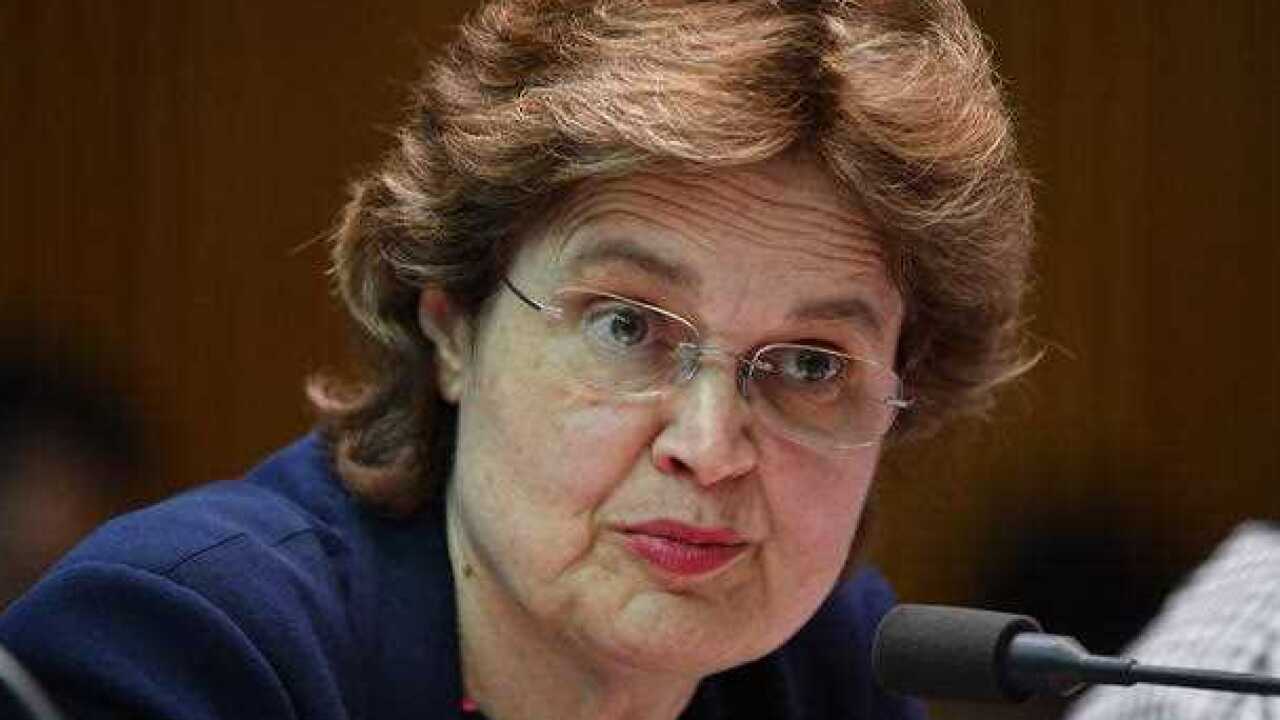
DFAT Secretary Frances Adamson backed Australia’s "skill" to balance such challenges into the future.
“If we characterise our relationship with China and the relationship going forward it will be [one] where we will need – on both sides – to work quite hard to manage … enduring differences,” she told the committee.
“Some points of difference may come and go and be able to be resolved but other points of difference which go more deeply to the differences between our systems and our values are likely to endure.”
Among the concerns canvassed was the alleged mistreatment of Uighurs through their detention in re-education camps in China’s western Xinjiang province.
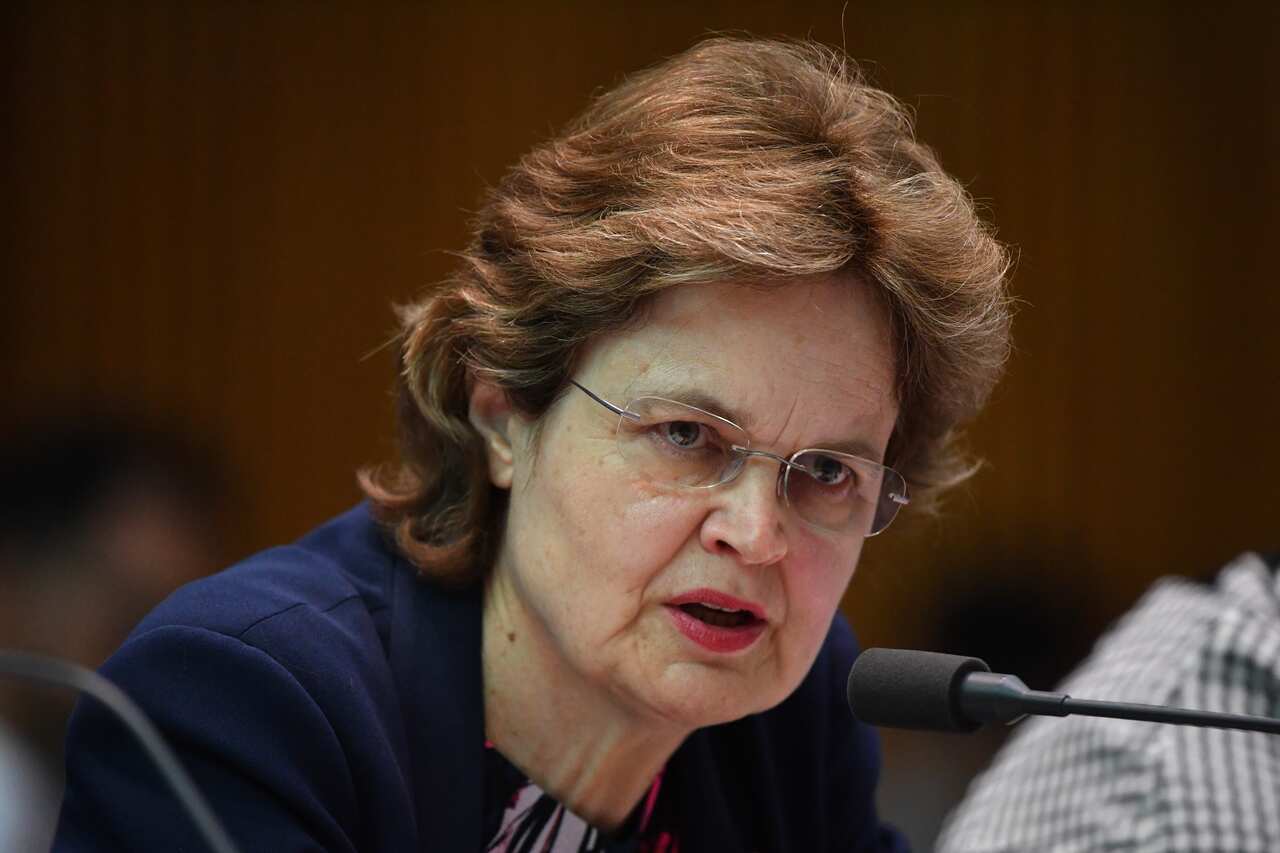
“Australia does have serious concerns about the human rights situation in Xinjiang … and we continue to actively raise these concerns,” DFAT first assistant Elly Lawson told the committee.
Hong Kong’s unrelenting unrest
Another diplomatic challenge put forward was the months of political unrest in Hong Kong – where pro-democracy activists have repeatedly clashed with police.
DFAT officials told the committee they were keeping a close eye on the “very volatile situation,” which erupted over fears of Beijing’s growing interference in the Chinese autonomous territory.
“We have consistently urged all sides to exercise restraint and to step back from intimidation and violence," Ms Lawson said.
She cited the use of live ammunition by authorities and attacks on police by more radical protesters as recent escalation of the political dispute.
But officials would not be baited on whether Australia would consider giving asylum to protesters if Beijing escalated a military response to the unrest.
“That’s a hypothetical question .. that I’m not able to address in the way you would like me to,” Ms Adamson said.
Julian Assange’s extradition
As Julian Assange remains behind bars in the United Kingdom, Australia’s consular support for the Australian citizen was also examined in estimates.
The Wikileaks founder is fighting extradition to the United States, accused of conspiring to hack government computers and violating espionage law.
DFAT officials said Mr Assange has blocked Australian officials from offering him assistance on his case since 14 June.
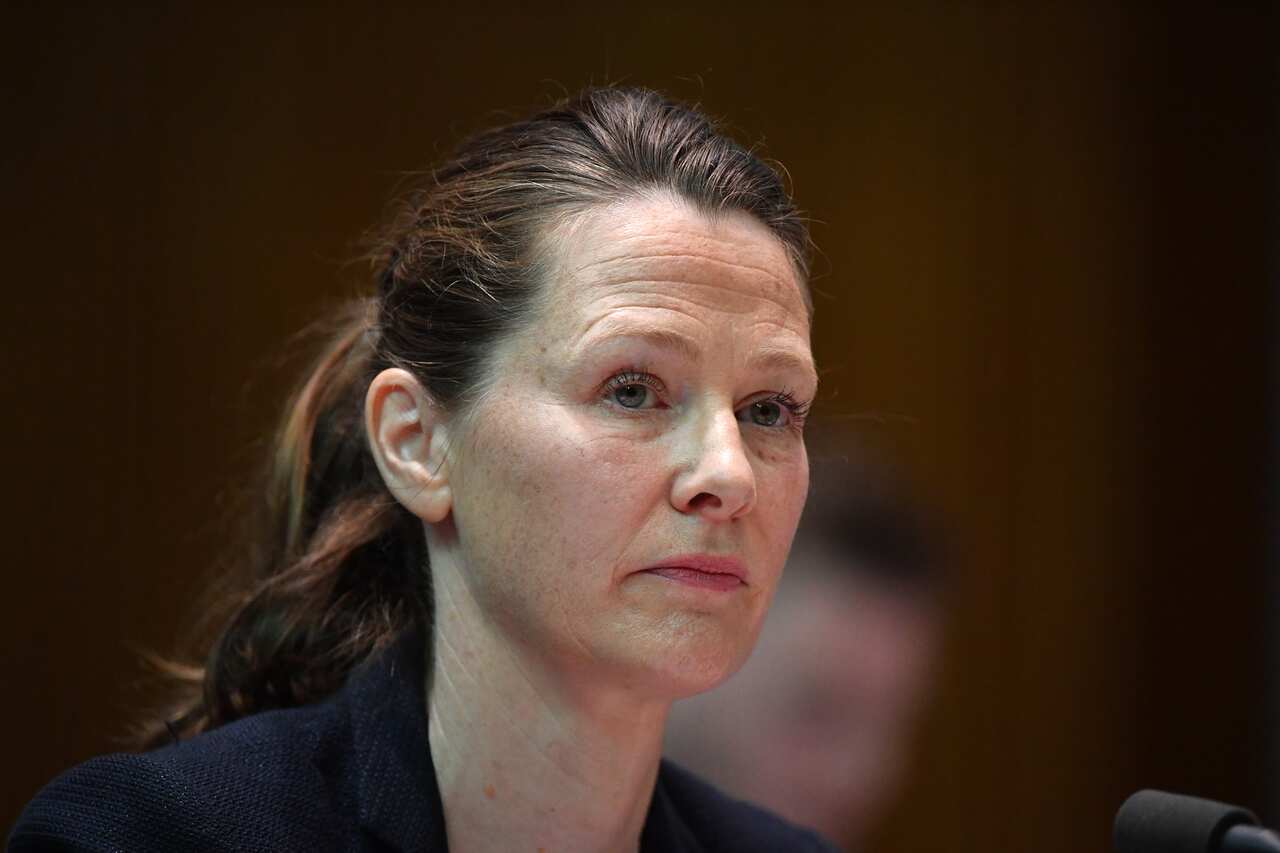
“Our view is that Mr Assange is facing a legal process in the UK, which has a well-established process of law,” DFAT assistant secretary Andrew Todd told the committee.
Donald Trump diplomacy
DFAT officials also confirmed Australia’s ambassador to the United States Joe Hockey volunteered to help with a controversial White House inquiry without waiting for a US request.
Last month, US President Donald Trump’s phone call to Prime Minister Scott Morrison, pushing for Australia to support a probe aimed a discrediting an investigation into Russian meddling in the last US election captured headlines.
DFAT officials admitting Mr Hockey had proactively offered Australia's support to assist in the inquiry.
“I would say that Ambassador Hockey’s forward-learning approach on this … was exactly what I as DFAT secretary would expect him to do,” Ms Adamson said.
“That’s what he (Hockey) was doing, effectively saying we’re here, we’re ready to help in whatever you want.”
The world’s most militarised zone
India’s handling of the disputed Kashmir region was another "heavy politicised" point of contention DFAT officials were pressed to comment on.
The district bordering Pakistan was thrown into uncertainty after India revoked the world’s most militarised zones special autonomy status, two months ago.
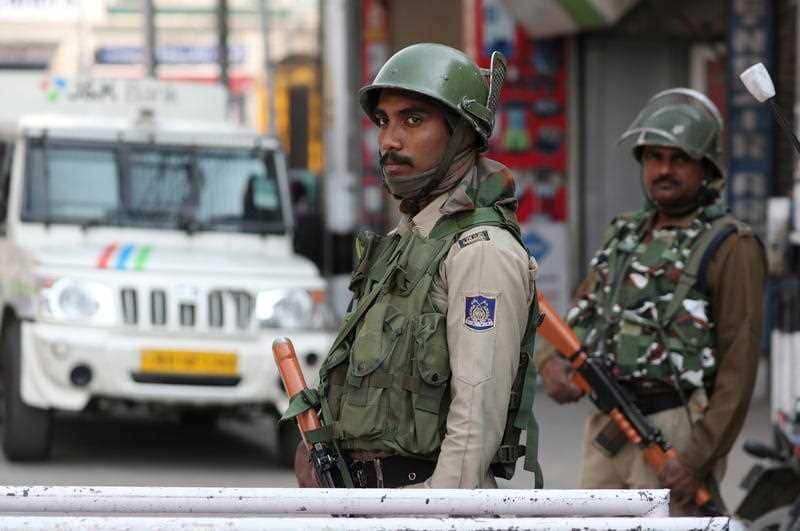
DFAT officials explaining they’d made a "conscious decision" not to speak on the matter, fearing it could provoke further unrest.
“We see the need for a frank and cooperative internal political dialogue between the Indian government and the people of Kashmir valley,” DFAT first assistant secretary Lachlan Strahan told the committee.
“All mainstream political leaders should be released from detention and allowed to engage in normal political activities.”
“The communications blackout, which has been partially lifted, should be lifted.”
West Papua’s political dissent
Protests and violence have erupted in Indonesia's eastern Papua provinces among Indigenous Papuans in recent months - effectively on Australia's doorstep.
The unrest marks a resurgence of an independence campaign among Papuans against Indonesia’s control of the region, where an estimated 37 deaths have been recorded.
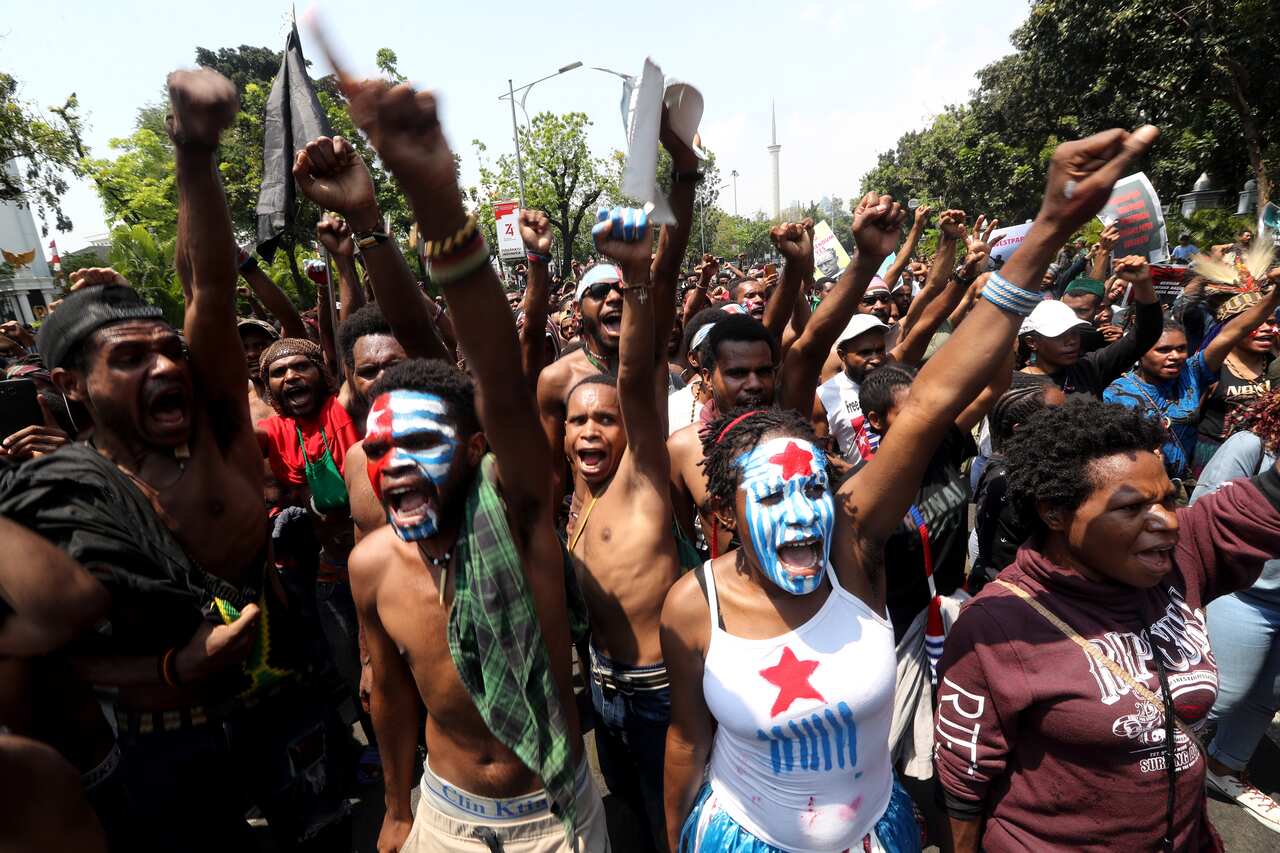
DFAT officials confirmed Prime Minister Scott Morrison raised concerns over the situation during his whirlwind trip to meet Indonesia’s President Joko Widodo this month.
“We have consistently encouraged the Indonesian government to allow access not just to the UN, but of others,” DFAT first assistant Julie Heckscher told the committee.
“We have sought a resumption of [diplomatic] access as soon as security conditions allow.”
‘Dangerous and unpredictable’
Another concern raised, included the evacuation of Australian women and children from the Al-Hawl camp in eastern Syria, where a Turkish military offensive pushed the region into further chaos.
Relatives and advocates of those stuck in the refugee camp for wives and children of IS fighters have urged Australia to act to repatriate them.
But DFAT officials held firm on the federal government’s position against evacuations of the more than 60 Australians living in the camp.
“The situation on the ground there is dangerous and unpredictable … and the government won’t put Australian officials in danger at this time,” ambassador for counter-terrorism Paul Foley told the Committee.
With AAP