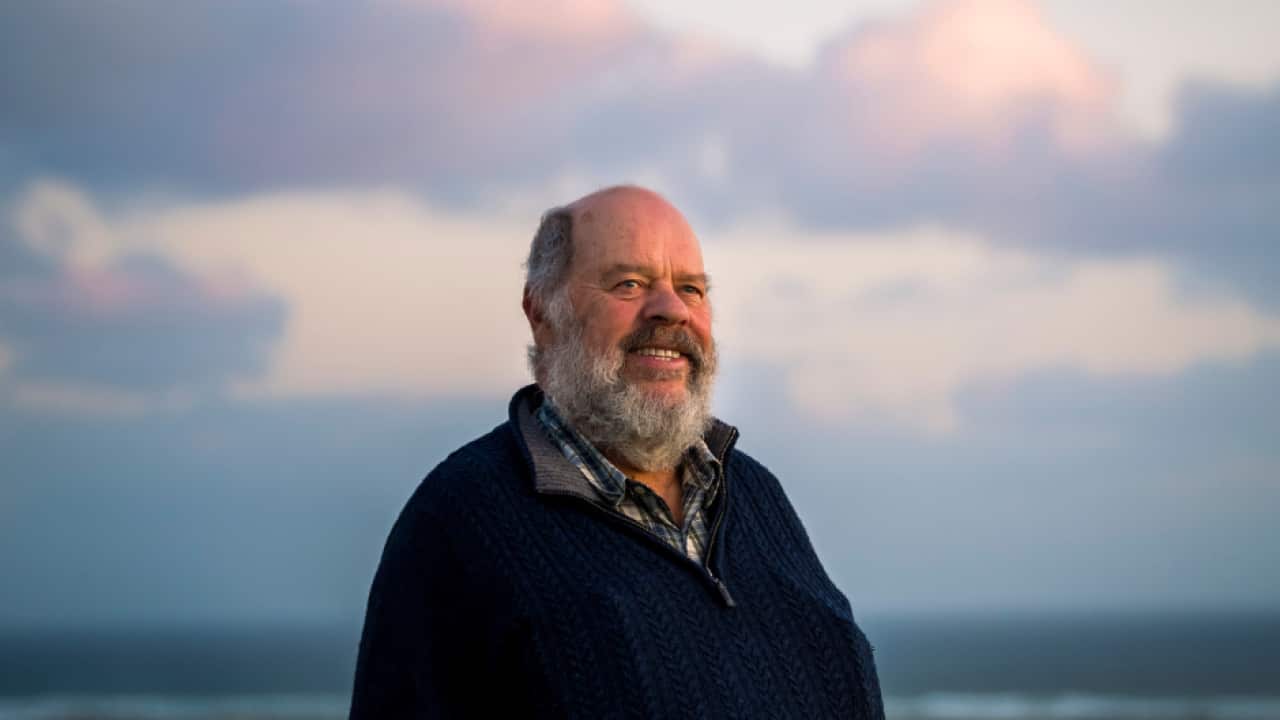
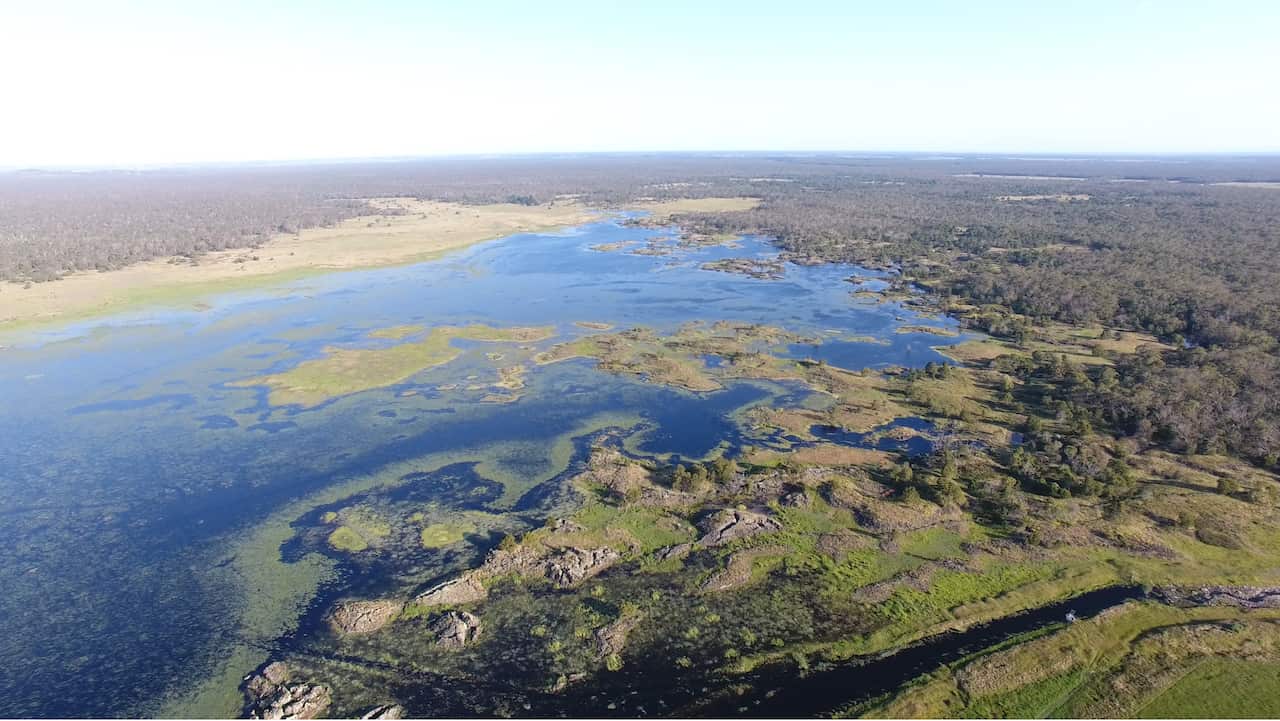
Denis Rose grew up fishing for kooyang (eel) in the dams, weirs and rivers of Budj Bim, home to one of the world's oldest aquaculture systems.
It was the 1970s when Gunditjmara Traditional Owners, like Rose, were only allowed to manage a small parcel of the World Heritage-listed site in south-west Victoria – a cemetery spanning two hectares.
As a boy, he recalls admiring the intricate fish traps of generations past, but he had no say in how his ancestral home was cared for.
Slowly, land was returned under native title and other agreements.
"But much of the Country had already been flogged to death," Rose says.
News that makes sense
Your trusted source for staying up-to-date with the world around you. Get free daily news updates and analysis, straight to your inbox.
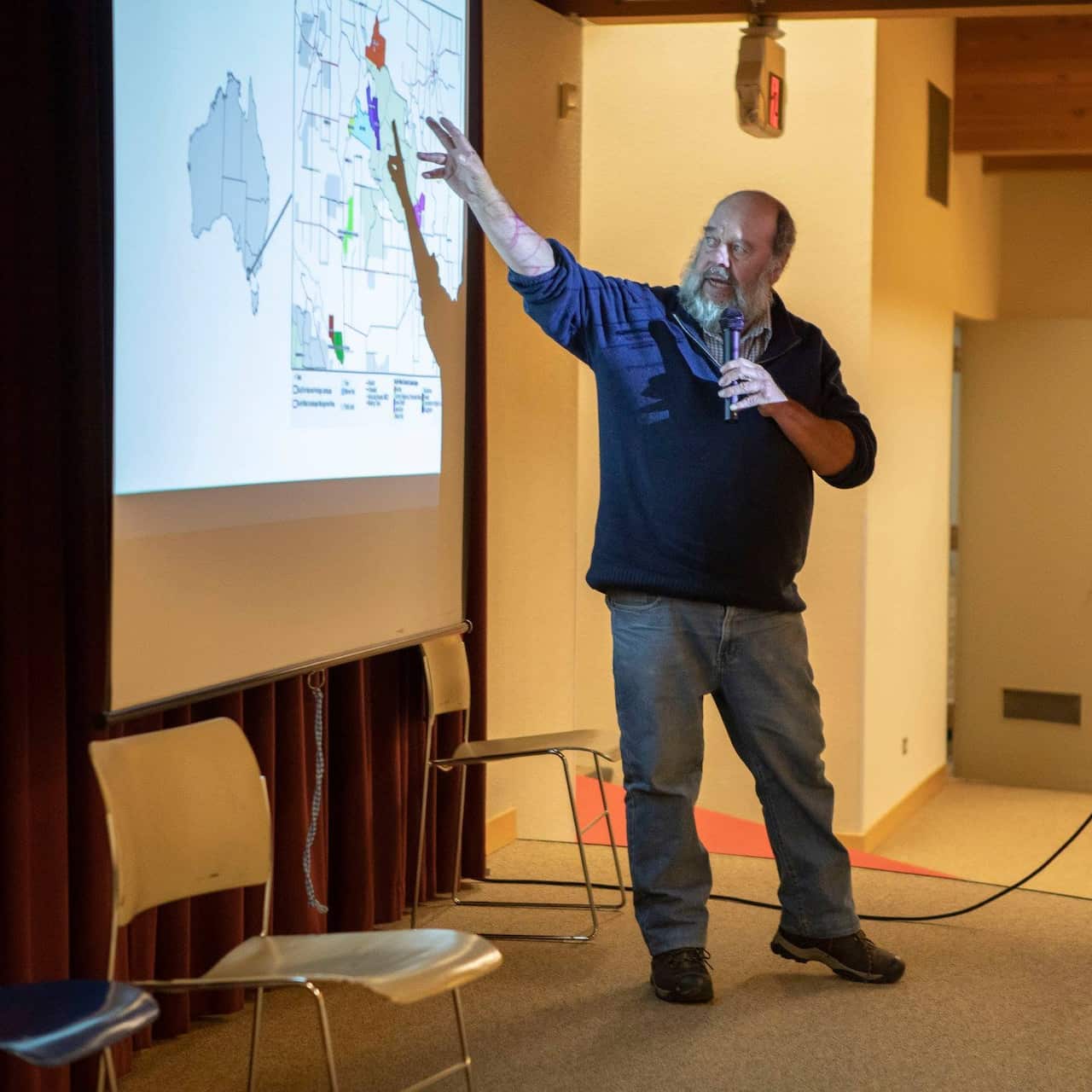
He decided to do something about it. At 27, Rose became one of the first Indigenous Rangers hired by National Parks in Australia. In the mid-1990s, he began advocating for a new conservation model that would flip the script: a completely novel concept known as the Indigenous Protected Area (IPA) program.
The program created a blueprint to conserve land and ocean, drawing on traditional knowledge systems and approaches to caring for Country, led by Traditional Owners.
"We had a few battles," Rose says.
"We had sceptical landowners who were worried about a land grab. We had government agencies who reckoned that no one else could manage land."
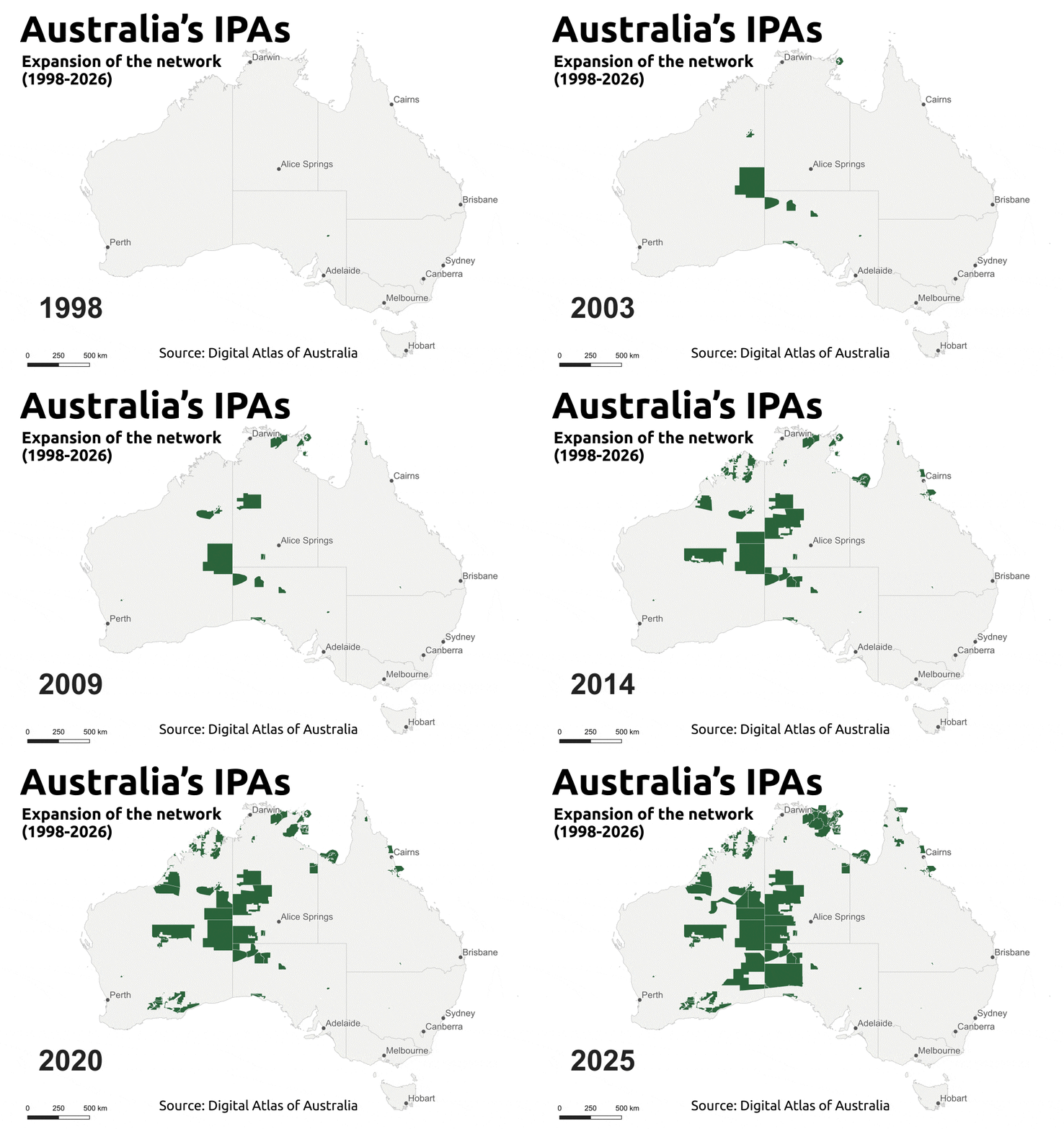
Almost three decades later, a jigsaw of more than 90 IPAs covers 115 million hectares of Australian land and sea – an area the size of Colombia. From tropical rainforests and arid deserts to coral reefs and salt marshes, these protected areas span the country's most iconic ecosystems.
IPAs are a refuge for hundreds of threatened species, including turtles, koalas and birds, in every jurisdiction from the Top End down to Tasmania. Many are run by Indigenous Rangers who practice two-way conservation, where cultural wisdom meets modern science.
The program's reach now extends far beyond Australia. First Nations communities around the world, including those in Canada and parts of Central America, have looked to Australia's IPA model as inspiration for how conservation and Indigenous self-determination can work together.
Yet few non-Indigenous Australians know they exist.
What are Indigenous Protected Areas?
Before the first IPAs were established in the late 1990s, the management of protected areas was mostly restricted to government-run national parks and marine reserves.
But many of these models did not work for Traditional Owners, who had sustainably managed these ecosystems for tens of thousands of years.
"These were very fraught relationships, because it was like a forced partnership, where the government says, 'you can come and join us, but remember, it's our table'," says Dermot Smyth, a non-Indigenous environmental consultant who helped establish the IPA network.
First Nations peoples around the world have a rich history of protecting the world's biodiversity.
A recent study published in the journal People and Nature found that Indigenous-managed lands match or outperform government-protected areas in maintaining forest cover, biodiversity and carbon storage. Earlier research published in the journal Nature Ecology & Evolution, which focused on areas of the Brazilian Amazon, shows that deforestation was reduced by up to 83 per cent in indigenous territories, compared to other land uses.
Yet almost universally, indigenous communities have been denied rights to protect their ancestral lands, largely a byproduct of colonisation and dispossession.
In Australia, Traditional Owners have long fought for such rights — with some success. In establishing the IPA network, a committee of Indigenous Australians and environmentalists drew on a definition of conservation from the International Union for Conservation of Nature (IUCN), whose guidance on protected areas is followed by governments around the world. This meant that, under the IPA model, Traditional Owners could voluntarily dedicate their land, unlocking government support to protect nature in keeping with traditional knowledge and culture.
In 1998, the first IPA was created in Nantawarrina, South Australia, in a partnership between Adnyamathanha Traditional Owners and the government.
Wedged between the Northern Flinders and Gammon Ranges National Parks, Nantawarrina was a former pastoral station. Its open woodlands and yellow-footed rock wallaby population have been protected by Traditional Owners for nearly three decades now as part of its IPA, which became the pilot for a new, Indigenous-led approach to conservation.
"It came at the right time, the right place, the right shape," Smyth says.
It has amazed me and delighted me. It survived multiple changes to government and has had the endorsement of all sides of politics.
Biodiversity benefits
Over the past three decades, another 95 IPAs have been adopted, bringing First Nations expertise to the forefront of conservation efforts at a critical juncture.
Against the backdrop of climate change, Australia's unique ecosystems are increasingly susceptible to habitat loss, invasive weeds, illegal fishing, pollution and bushfires. Because of the continent's geographic isolation and diverse climatic zones, much of its native wildlife is found nowhere else on earth — making it vulnerable to external threats.
According to 2023 research published in the journal Science, at least 100 Australian endemic species have been driven to extinction since colonisation. More than 1,700 species and ecological communities are known to be threatened and at risk of extinction.
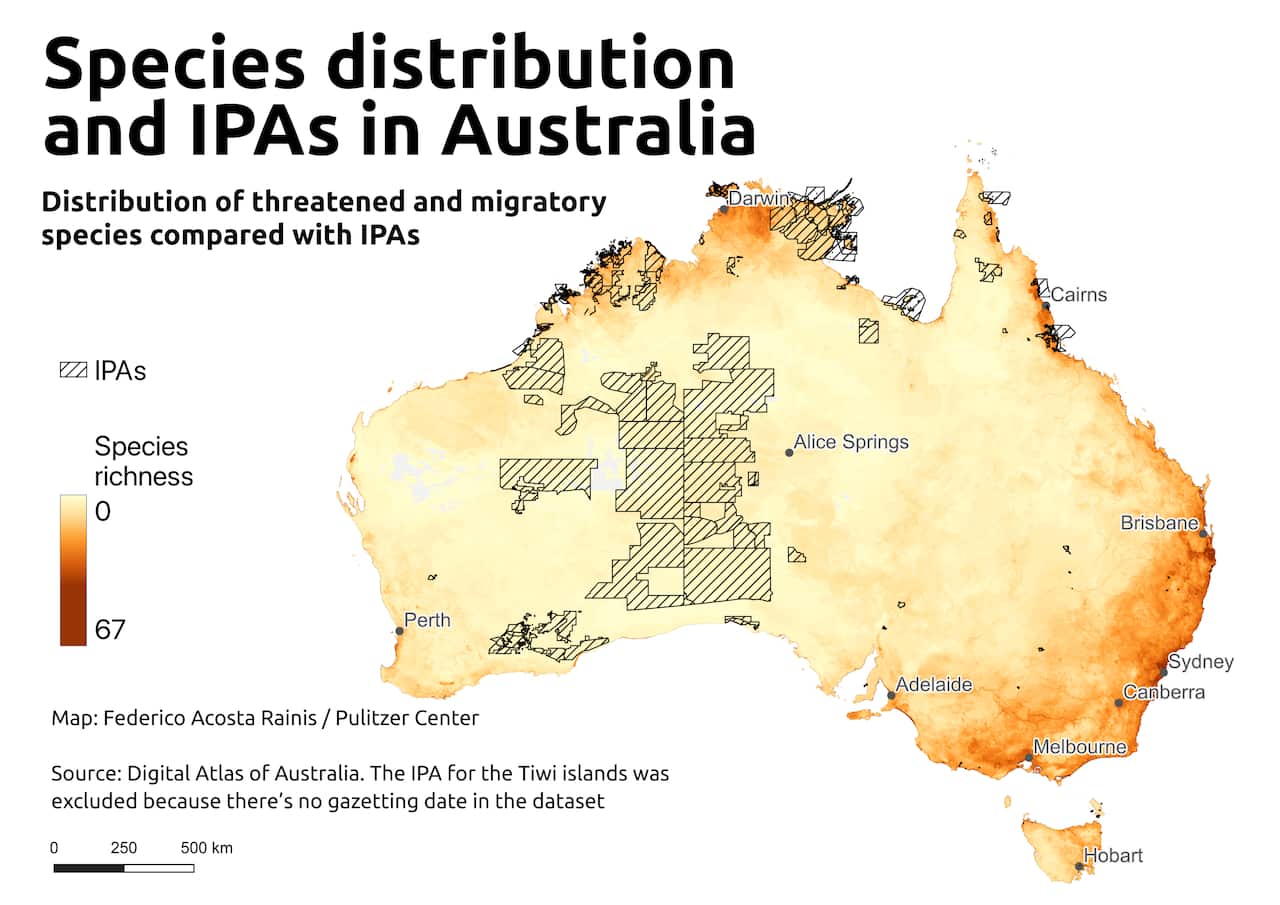
A 2018 study found that 60 per cent of Australia's threatened species (then 1,574) occur on Indigenous lands, a factor that can guide the creation of IPAs. These species often hold cultural significance for Indigenous communities, who feel a duty to protect them. For instance, in Northern Australia, more than 30 Indigenous-led projects protect marine turtles, which are totems for many communities.
The majority of IPAs are led by a team of Indigenous Rangers, who are the first line of defence against environmental threats.
Patrick O'Leary, the director of NGO Country Needs People, which supports Indigenous land and sea management, says Traditional Owners have always cared for the environment — long before European settlement.
Today, rangers are still the "boots on the ground," he says.
"It's not enough to just protect something through a legal instrument, because you've still got these processes operating unless you're out there physically tackling them every day. And IPAs create a means to do that for people."
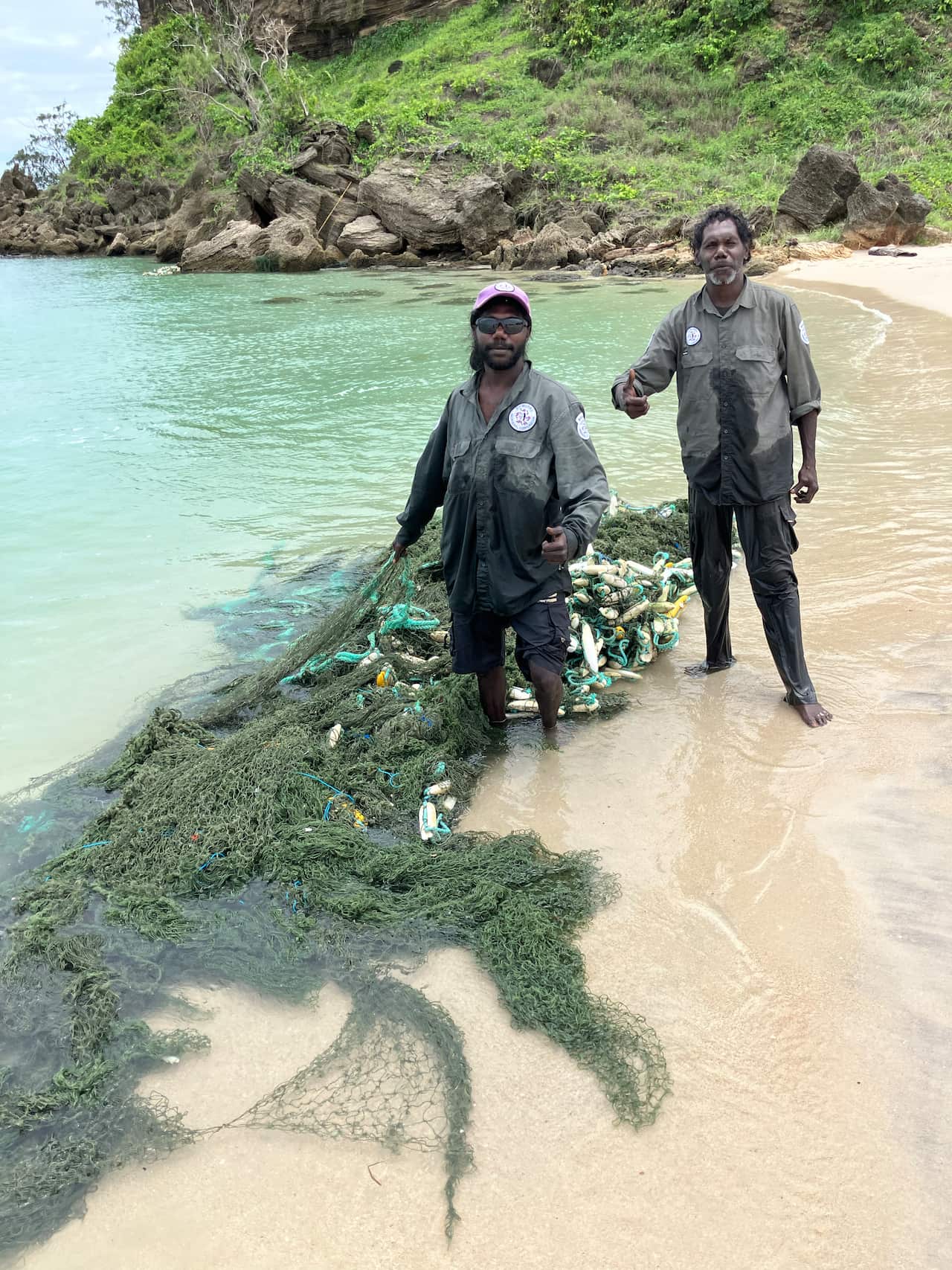
Between the red cliffs and gnarled mangroves of Arnhem Land, Dhimurru Rangers intercept illegal fishers from Indonesia, who are targeting lucrative sea cucumbers. Along the remote Kimberley coast in Western Australia, Karajarri Rangers attach satellite tags to the critically endangered sawfish. While in the tropical waterways of Queensland, Girringun Rangers use drones to survey 'blue carbon' stored in seagrass meadows.
"There's so much work to do, and Traditional Owners everywhere are wanting to be part of the country's management and decision-making. It's a no-brainer," O'Leary says.
But the payoffs go beyond biodiversity. Social Ventures Australia found that every dollar invested in these areas generates around $3 of total social, cultural, economic and environmental value. The analysis counted other community benefits, such as steady jobs, better health outcomes, more role models for young people and reduced rates of violence.
How are IPAs funded?
Conservation work is critical — but it comes at a high price.
To halt the extinction of 99 of Australia's priority species over the next 30 years, new estimates published in the journal PNAS predict it will cost $15.6 billion per year. That's roughly 1 per cent of Australia's GDP.
"We could always do with more. The environment is always squeezed," Rose says.
At 71, Rose is now retired, but he has worked for over four decades in conservation.
Over his career, he says he’s observed a "vast discrepancy" between funding for IPAs and non-Indigenous managed areas, such as national parks or marine reserves.
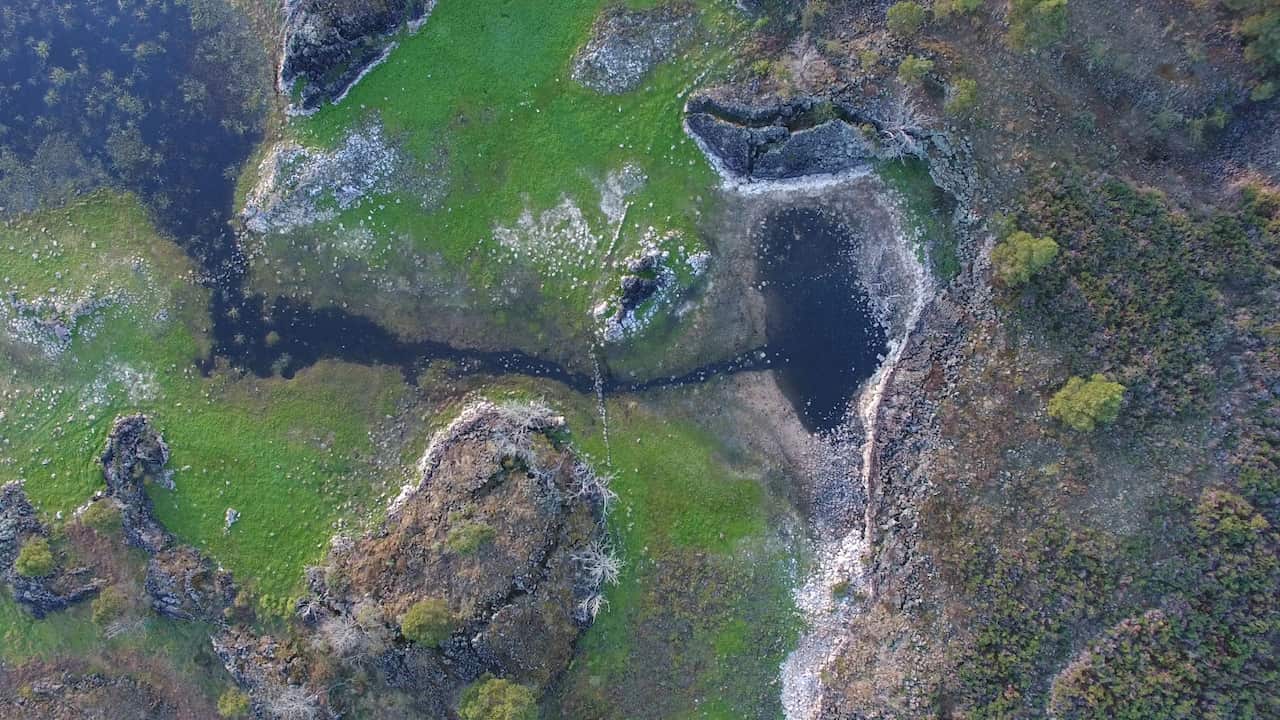
IPAs are primarily funded by the Australian government, with some private partnerships. They account for over half of Australia's National Reserve System (NRS) — the network of protected areas that safeguards the country's biodiversity.
According to recent analysis, IPAs receive around $0.21 per hectare per year — less than 2 per cent of the funding given to the rest of the NRS. By comparison, state-managed protected areas receive far higher levels of support. Data shows non-Indigenous protected areas receive $58.43 per hectare per year in NSW — essentially 278 times more funding.
Comparing Indigenous and non-Indigenous protected areas can be "apples and oranges," says Rose, due to differing resources and visitor numbers. But the funding gap reveals the scale of work carried out by Indigenous Rangers on "the smell of an oily rag," he says.
Meanwhile, the federal government continues to invest in the program. In January, the Minister for the Environment and Water, Murray Watt, announced $13 million to create at least eight new IPAs as part of the government's $250 million Australian Bushland Program.
O'Leary welcomes the expansion of the IPA network, but warns it may risk spreading resources too thinly.
"Governments love to announce marine parks, but then they don't always love to keep funding them over time," he says.
We need to not forget the old ones and leave them friendless.
He points out the uncomfortable contradiction in funding protected areas, while Australia remains one of the world's largest fossil fuel exporters.
"It's one foot on the brake, one foot on the accelerator," O'Leary says.
At the same time, for Australia to meet its global biodiversity commitments, supporting Indigenous-led conservation will be key, says Chels Marshall, a Gumbaynggirr woman and ecologist.
In 2022, the government — along with 190 countries — set a goal to protect and conserve 30 per cent of its land and marine areas by 2030 at a landmark conference in Montreal, Canada. It made this commitment as part of a global initiative to halt mass extinction events, preserve biodiversity and combat climate change. Since then, another five countries have joined, bringing the total to 200.
Without IPAs, Marshall says Australia would have "no hope" of achieving this target.
"Aboriginal people, rather than developing and selling off Country, are conserving it through IPAs and are assisting — no leading — Australia's 30 by 30 targets," she says.
A global model
The decision by Australian Traditional Owners to forge their own path to Indigenous-led conservation through an international definition has inspired other First Nations communities worldwide.
Over the last two decades, there have been several knowledge exchanges between Canadian and Australian Traditional Owners to share experiences of eco-stewardship.
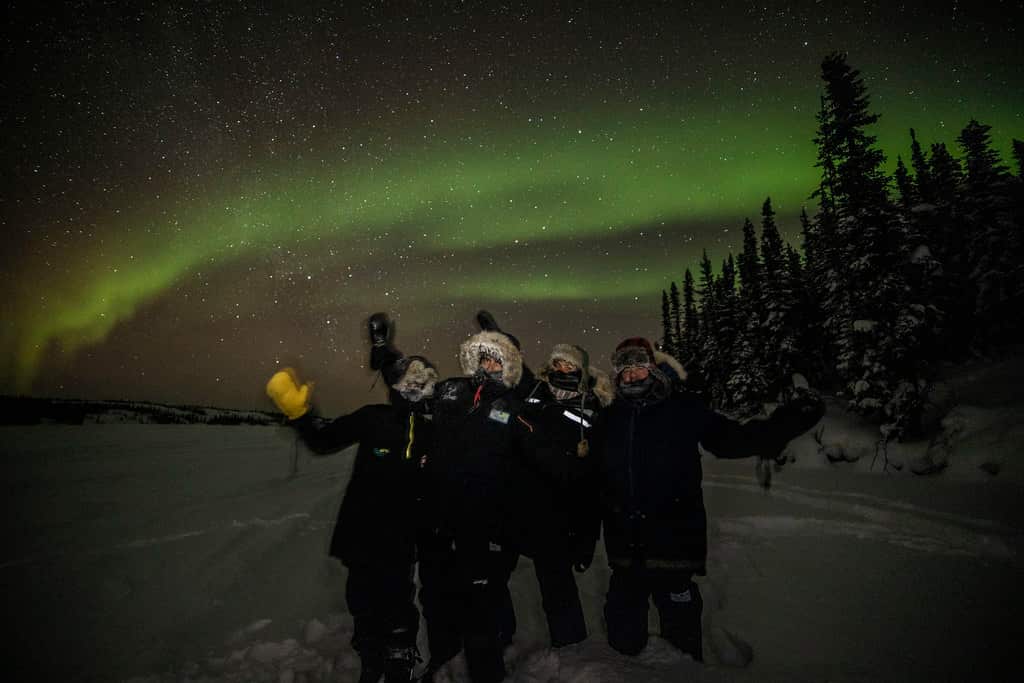
Valérie Courtois, a member of the Innu Nation, the director of Canada's Indigenous Leadership Initiative, supports a network of Canadian Guardians — the country’s version of a Ranger. She says First Nations communities share a wider philosophy.
"There's a general understanding amongst Indigenous peoples that the lands that we care for and are part of are not ours. They're everybody's," she says.
In 2013, Courtois and a delegation of Canadian Indigenous Guardians visited Australia's Northern Territory. It was June when she arrived at the Warddeken IPA.
Located east of Kakadu National Park, the IPA covers a substantial part of the National Reserve System, spanning 1.3 million hectares of staggering rocky landscapes on the Arnhem Plateau. It's managed collaboratively by 36 distinct First Nations clan groups and is home to a wide range of threatened species, including northern quolls, bustards, black wallaroos, the Oenpelli python and the Arnhem Land rock-rat.
Courtois recalls how the sun beat down as the delegates viewed some of the world's oldest rock art.
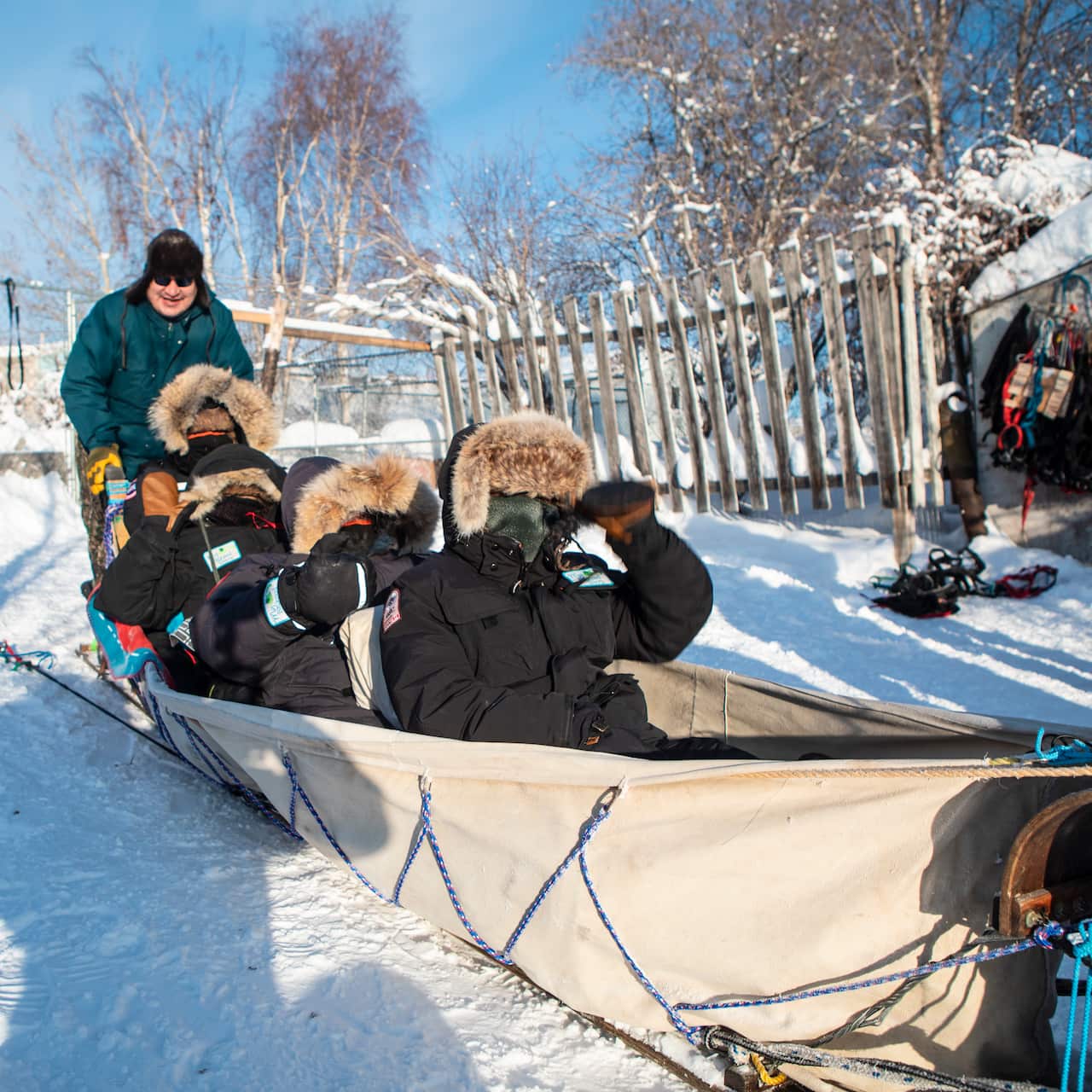
She adds: Australian Indigenous Rangers met the extremities of the Arctic in the winter of 2019 as "friendly payback".
"We had the Rangers come up to the [Canadian] Northwest Territories and we put them on a dog sled," she says.
"They took us to a footy game. We took them to an NHL [ice hockey] game."
Canada's Indigenous Protected and Conserved Area (IPCA) movement is still emerging. The exact number of IPCAs in existence is not yet known.
"We think there's somewhere around 200 active proposals underway across the country," Courtois says.
Many reports cite Australia's IPA program as one of the inspirations for the IPCA program.
The future of IPAs
Rose, who was among the delegates who took part in the cross-cultural trip, says the global reach of the IPA program has exceeded his "wildest dreams".
But the outcomes closer to home are what matter most. His Country, Budj Bim, now sits under three main Indigenous Protected Areas.
"We went from being excluded to now managing around 6,000 hectares," he says.
It's a win-win. The environment wins, the cultural heritage aspects win, the community wins.
As IPAs continue to roll out across Australia, Rose hopes Rangers will receive more funding and recognition.
"I feel pride in repairing the impacts of colonisation, and pride in getting people back on Country."
This story was produced with support from the Pulitzer Center's Ocean Reporting Network.
For the latest from SBS News, download our app and subscribe to our newsletter.







