In brief
- Three people have died after a suspected outbreak of hantavirus on a cruise ship in the Atlantic Ocean.
- Hantavirus is mainly spread between rodents but humans can become sick when exposed to droppings, urine and saliva.
A suspected outbreak of the rare hantavirus infection on a cruise ship in the Atlantic Ocean has killed three people, according to the World Health Organization and the South African health ministry.
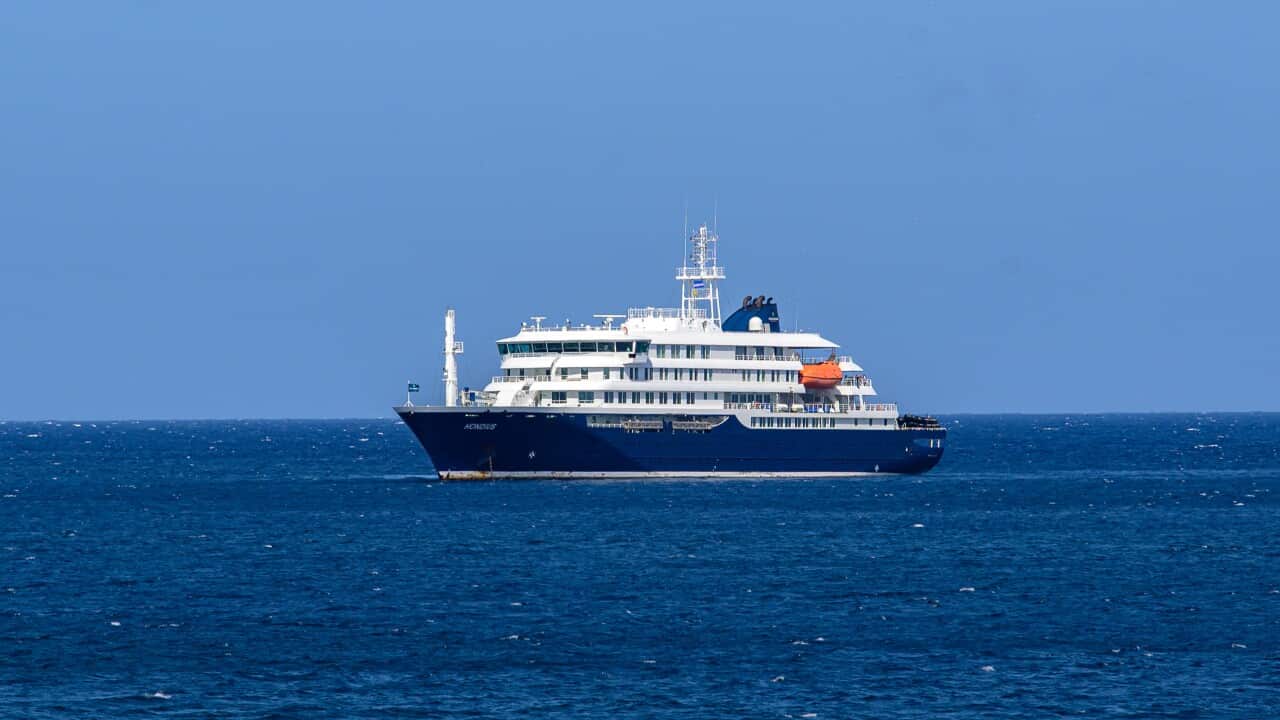
In a press release, the Netherlands-based Oceanwide Expeditions said it was "managing a serious medical situation" on a polar expedition ship, the MV Hondius, which was near Cape Verde, an island nation off the west coast of Africa.
The cruise departed from Argentina about three weeks ago with around 150 passengers and stopped in the Antarctic and other locations on its way to Cape Verde, according to media reports.
A Dutch foreign ministry spokesperson confirmed that two Dutch passengers had died, but did not provide further details.
The first victim was a 70-year-old man who died on the ship and whose body was removed in the British territory of Saint Helena in the South Atlantic, South Africa's health department said in a statement.
News that makes sense
Your trusted source for staying up-to-date with the world around you. Get free daily news updates and analysis, straight to your inbox.
The man's wife collapsed at an airport in South Africa trying to take a flight to her home country of the Netherlands, the department said. She died at a nearby hospital.
The third case, a 69-year-old Briton, was evacuated to Johannesburg, where he had been treated in intensive care.
Three others are sick, one of whom is in intensive care in South Africa.
The WHO, which is investigating the outbreak, said lab tests confirmed one person had hantavirus and five others were "suspected cases".
Oceanwide Expeditions said Cape Verde authorities had not given permission for passengers requiring medical care to disembark, and Dutch authorities were trying to repatriate two sick passengers, along with the body of a deceased passenger.
The MarineTraffic global shipping website identified the vessel as a Dutch-flagged passenger cruise ship. It was docked in Praia, the capital of Cape Verde, on Sunday night, local time.
South Africa's National Institute for Communicable Diseases said it was conducting contact tracing in the Johannesburg region to identify if others were exposed to the infected passengers in South Africa.
What is hantavirus?
According to the United States Centers for Disease Control and Prevention (CDC), hantaviruses are a family of viruses that can cause serious illness and death.
Hantavirus mainly spreads between rodents, but humans can get infected through contact with infected mice or rats when exposed to their urine, droppings and saliva. In rare cases, it can be spread from person-to-person.
The virus made headlines after the late actor Gene Hackman's wife, Betsy Arakawa, died from hantavirus infection in the United States last year. Hackman died about a week later at their home from heart disease.
Hantaviruses, which are found worldwide, cause two syndromes: hantavirus pulmonary syndrome (HPS) and hemorrhagic fever with renal syndrome (HFRS).
HPS affects the lungs, with early symptoms including fatigue, fever and muscle aches usually starting one to eight weeks after contact with an infected rodent.
Later symptoms include coughing, shortness of breath and chest tightness as the lungs fill with fluid. About 38 per cent of people who develop respiratory symptoms die from the disease, according to the CDC.
HFRS affects the kidneys, with symptoms including intense headaches, back and abdominal pain, and fever usually developing one to two weeks after exposure.
Later symptoms include low blood pressure, lack of blood flow, internal bleeding and acute kidney failure. Between 5 and 15 per cent of cases are fatal, depending on the virus causing the infection.
There is no specific treatment or cure for hantavirus infections, but early medical attention can increase the chance of survival.
— With additional reporting by the Associated Press and Reuters.
For the latest from SBS News, download our app and subscribe to our newsletter.







