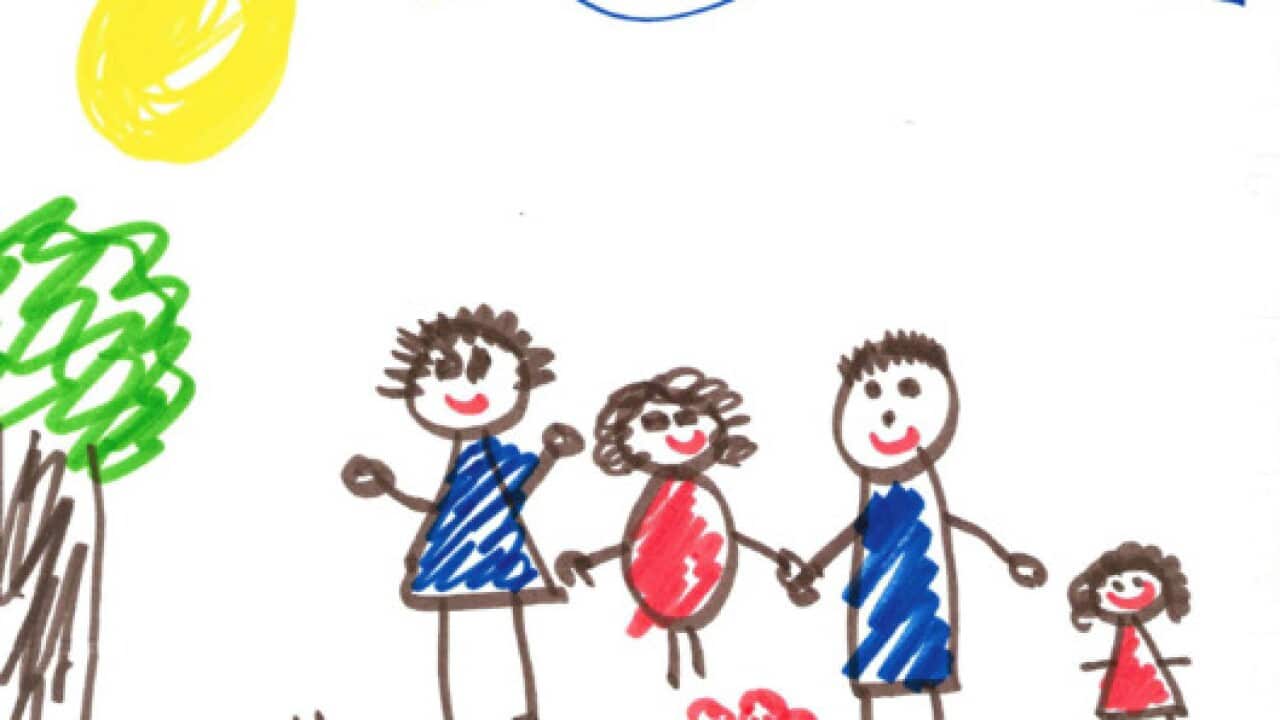
The way first-graders draw their families provides a clue to what life is like for them at home, according to a new paper in the journal Attachment & Human Development. Kids living in chaos tend to have more fractured relationships with their parents, and their drawings reflect that, argues lead study author Bharathi Zvara of the University of North Carolina at Chapel Hill. In their pictures, they may draw themselves exaggeratedly tiny in comparison to the other family members; they also may be standing farther apart from the rest of the family. The signs of a functional family home, on the other hand, are smiling faces and the use of more vibrant colours.
First-graders from 962 low-income families participated. It's the ideal age for this kind of study: Any older than that, the researchers reported to NPR, and the children may have begun to internalize what a happy family is supposed to look like, and so they draw their pictures accordingly. Any younger than that is just too young; the kid wouldn't yet have adequate motor control.
Evaluations of household chaos were taken from home visits; factors contributing to "chaos" included how many times the child had moved, and whether or how often the child was given a new primary caregiver. The researchers also noted how many hours the TV was on each day, how clean or cluttered the house was, and how noisy the neighborhood tended to be.
The children were handed a blank sheet of paper and ten markers, and asked to draw their families. After evaluating the drawings, researchers found an association between the more dysfunctional homes and some key characteristics in the pictures, like unsmiling faces or less use of colour.
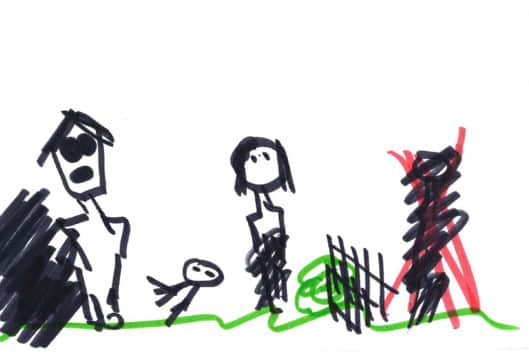
It's certainly not the first time children's drawings have been used in this way, but Zvara and colleagues believe they've managed to pinpoint some key factors in children's drawings that will allow social workers to evaluate the pictures objectively, which could help bring attention to kids who need it. After all, as the researchers note in their paper, "long before children can put their complex feelings and thoughts into words, they can express both conscious and unconscious thoughts, wishes and concerns in their drawings."
This article originally appeared on Science of Us: What Kids' Drawings Reveal About Their Homes. © 2014 All Rights Reserved. Distributed by Tribune Content Agency.