Key Points
- A flood and landslide disaster on the Nepal-Tibet border has killed at least 160 people, with hundreds more missing.
- Many tourists visit the area both for trekking and spiritual reasons.
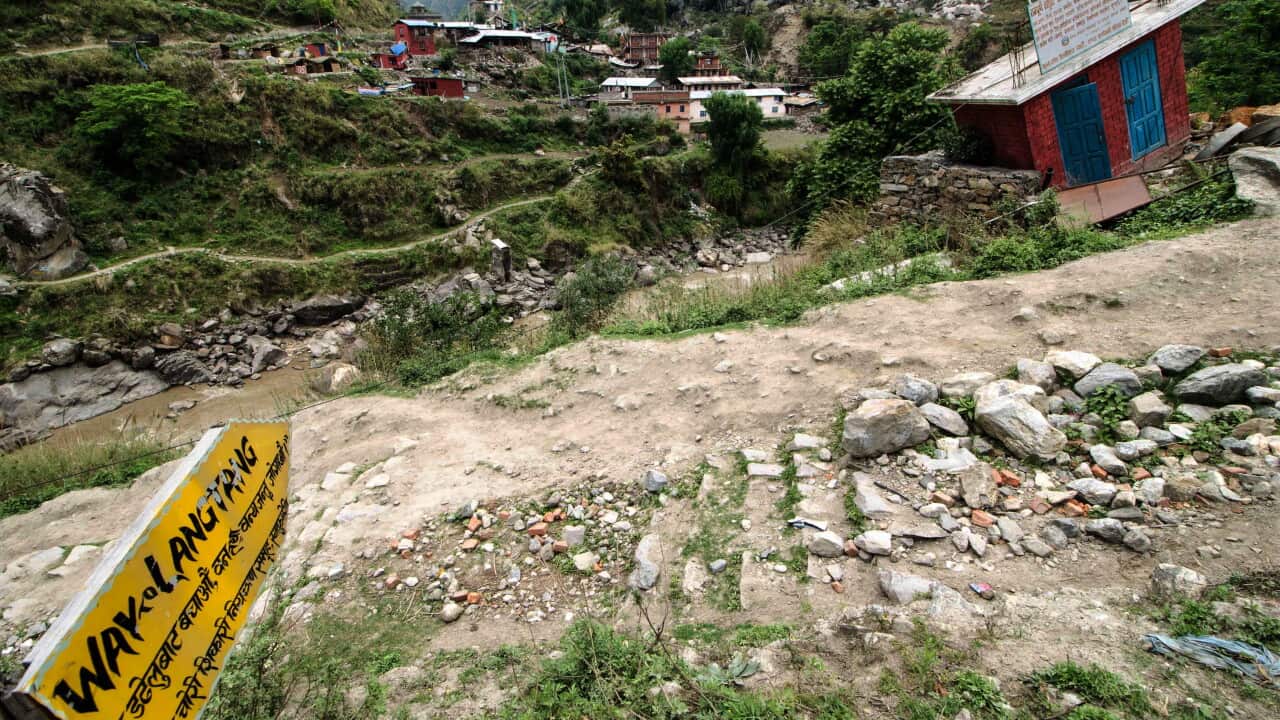
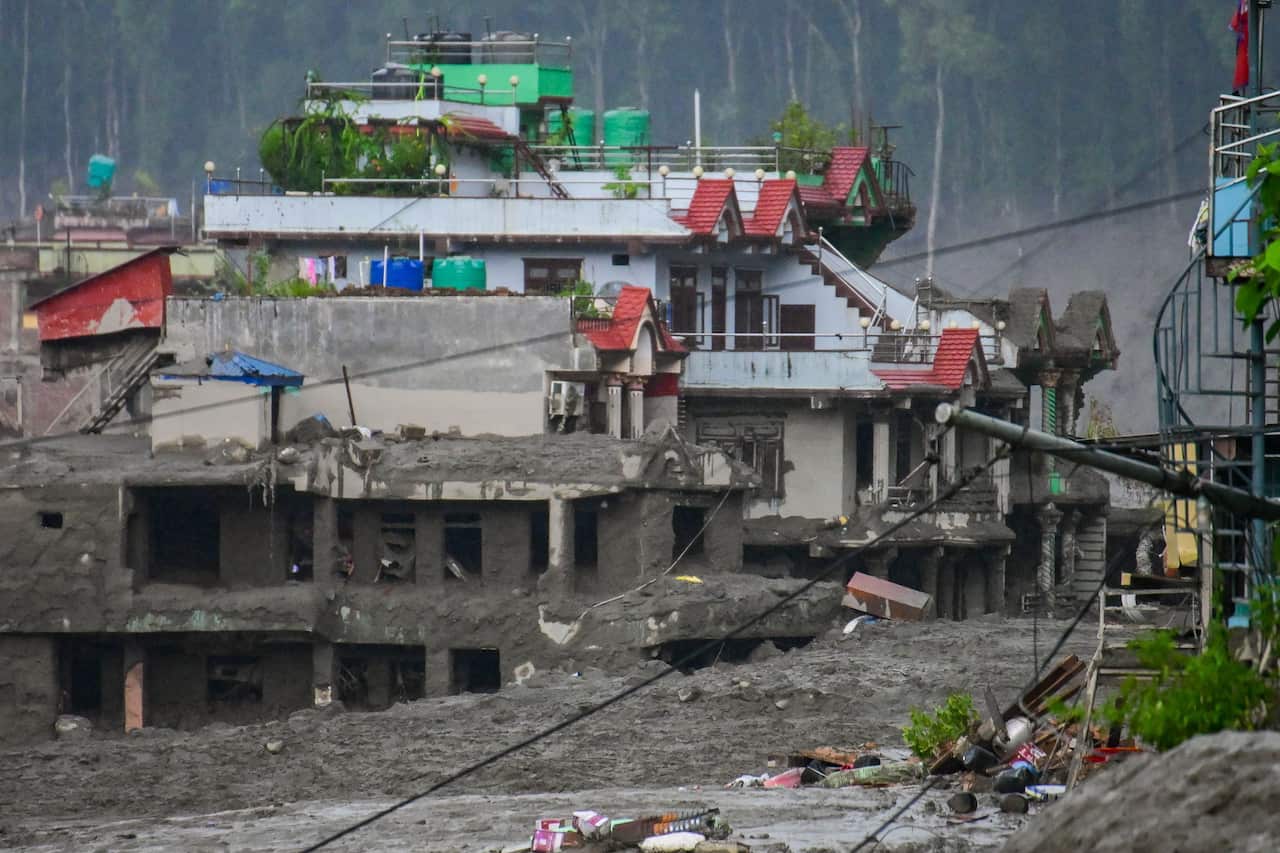
At least 35 Australians are missing after a flood and landslide disaster on the Nepal-Tibet border, with many caught up in one of Nepal's most popular trekking regions, the remote Langtang Valley.
The disaster has killed at least 160 people with hundreds more missing.
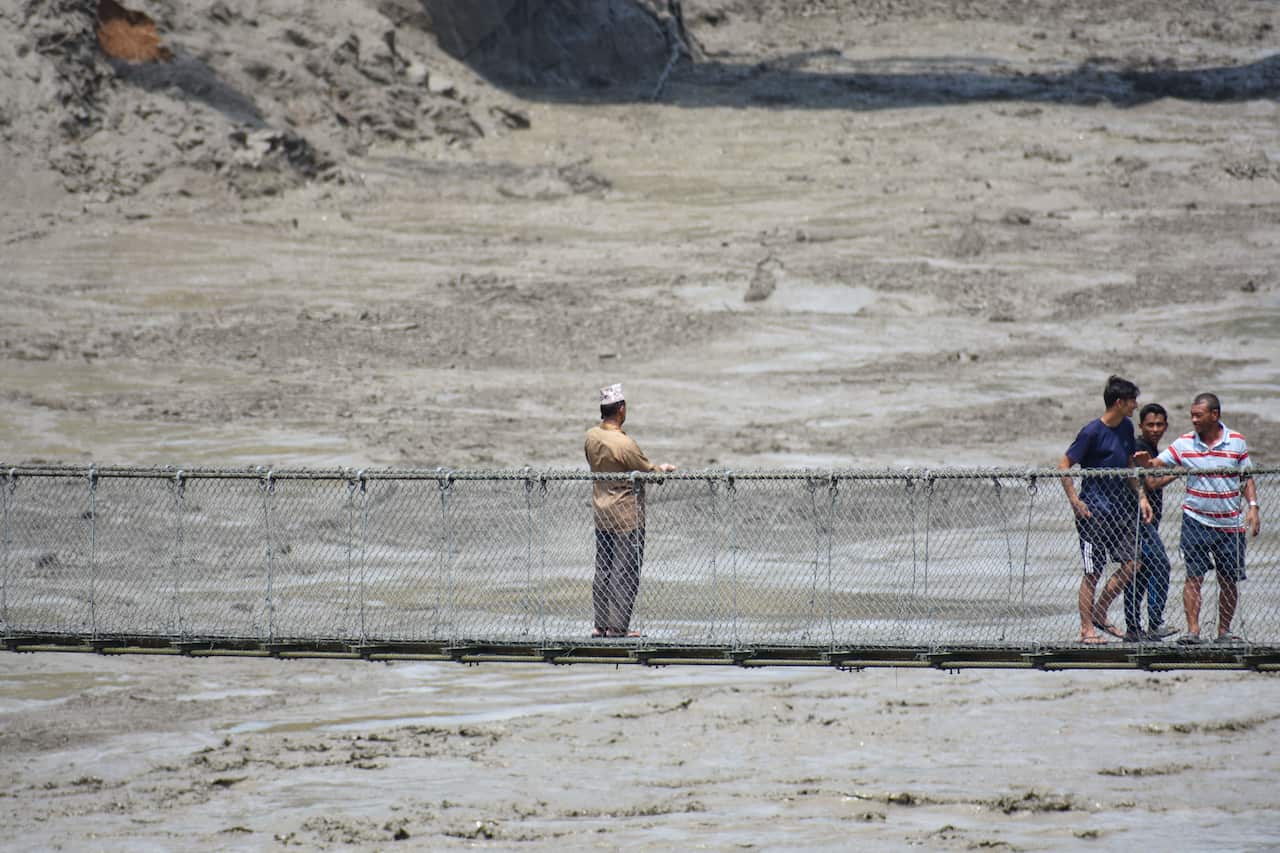
Some 644 tourists — 517 of them foreigners — were unaccounted for several hours after the disaster struck on Wednesday, according to Nepal's tourism ministry. Chinese rescuers are searching for hundreds more in Tibet.
It's feared many more are missing or dead, as rescuers battle a lack of infrastructure and remote, mountainous terrain to search through mud and debris.
Foreign Minister Penny Wong spoke about why so many foreign nationals were in the area in a press conference on Thursday afternoon.
News that makes sense
Your trusted source for staying up-to-date with the world around you. Get free daily news updates and analysis, straight to your inbox.
"It is well–known that this area, people are not only going there for trekking but also for spiritual reasons, so you would anticipate that the foreign nationals who were in the region would have been there for a variety of reasons," Wong said.
She said it may take time for the Australian government and Nepali authorities to understand how many people are missing or dead.
"I can only outline the numbers we are aware of today," Wong said. "The numbers of foreign nationals are higher and as yet we do not have any further information about if there are any more of those who are Australian.
"We will continue to try to ascertain if there are any Australians who are not accounted for over and above the 34 that we are aware of."
United States-based tourist company Himalayan Glacier confirmed 15 Australians who were on one of its tours are missing and unaccounted for in the Langtang Valley.
The company's chief executive said he had not been able to contact the group of 47 people — which includes 15 Australians, nine Nepali, two from the United Kingdom, two from Singapore and others from the US and Russia, the ABC has reported.
Among the Australians missing are nine men and six women. The youngest are boys aged 14 and 11, and the oldest is a woman aged 64.
Why so many Australians were there
The flood hit Syabrubesi, is the starting point for the popular Langtang trek, as well as other areas used by travellers for Hindu pilgrimage to Kailash Mansarovar.
Syabrubesi sits roughly 122km by road north of Kathmandu, Nepal's capital.
It's not the standard Mount Everest trekking route, but the valley it leads to — Langtang Valley — is the third most popular trekking area in Nepal, just behind Everest and the Annapurna region.
Langtang is a narrow valley running north from the Syabrubesi gateway, hemmed in by snow-capped peaks — including mountain Langtang Lirung, which stands over 7,000m tall — with icy landscapes, rivers and glaciers lining the route.
It's home to rare wildlife, including around 250 bird species, along with yaks, red pandas, black bears and snow leopards.
It's considered a moderate to tough hike, with trekking companies typically recommending a few weeks of fitness preparation beforehand.
The route can be visited year-round, though December and January bring an increased chance of snowfall.
It is currently the monsoon season, meaning there are slightly fewer travellers there than usual.
Australians are among Nepal's largest tourist groups.
Almost 50,000 Australians visited Nepal in 2025, according to the Nepal Tourism Board, with almost 25,000 visiting so far in 2026.
Worries for pilgrims
Many trekking companies were not running tours during the monsoon season, but significant numbers of pilgrims travel through the region.
The area is a popular place for pilgrims travelling to the base of Mount Kailash, a holy site for Buddhists and Hindus in Tibet.
It's considered an extremely sacred place for Buddhists — the valley has a rich cultural heritage, with Buddhist prayer flags, monasteries, and stupas (dome-shaped Buddhist momuments) dotted along the trail.
Some pilgrims walk over 50km through the mountains.
A 'deadly history'
The Langtang Valley was devastated by a 2015 earthquake, when a massive avalanche swept through the valley and destroyed entire communities and villages, killing hundreds.
It had slowly been rebuilding and attracting trekkers in the years since.
Glaciologist and polar engineer Adrian McCallum said the flooding was likely the result of a glacial lake outburst flood.
"I’m yet to fully appraise myself of the situation, but these floods are probably 'glacial lake outburst floods' (GLOFs); these are increasingly common in alpine regions globally as our climate changes," he said, adding he was meant to be studying GLOFs in the Indian Himalayas right now.
"As glaciers melt and recede, ice turns to water, the water is stored (temporarily) behind natural moraine dams, but when those dams breach, tremendous amounts of water can be released down a valley, taking out everything in its path."
Andrew Gissing, CEO at Natural Hazards Research Australia, said the disaster was a further reminder of the value of early warning systems in the region.
"The Himalayan region has had a history of deadly flash floods," Gissing said.
"The event appears to have occurred without warning, catching those downstream unaware. Research shows that early warning saves lives and there are efforts globally to improve early warning systems.
"Though the exact cause of the event requires further investigation, the steep and narrow valleys in the region would contribute to its devastating nature of deep, fast-flowing, and debris-laden water."
With roads cut, power disrupted and a second flood still possible, officials in both Nepal and Australia have cautioned that establishing the full scale of the disaster — and accounting for everyone still missing — could take days, if not longer.
For the latest from SBS News, download our app and subscribe to our newsletter.







