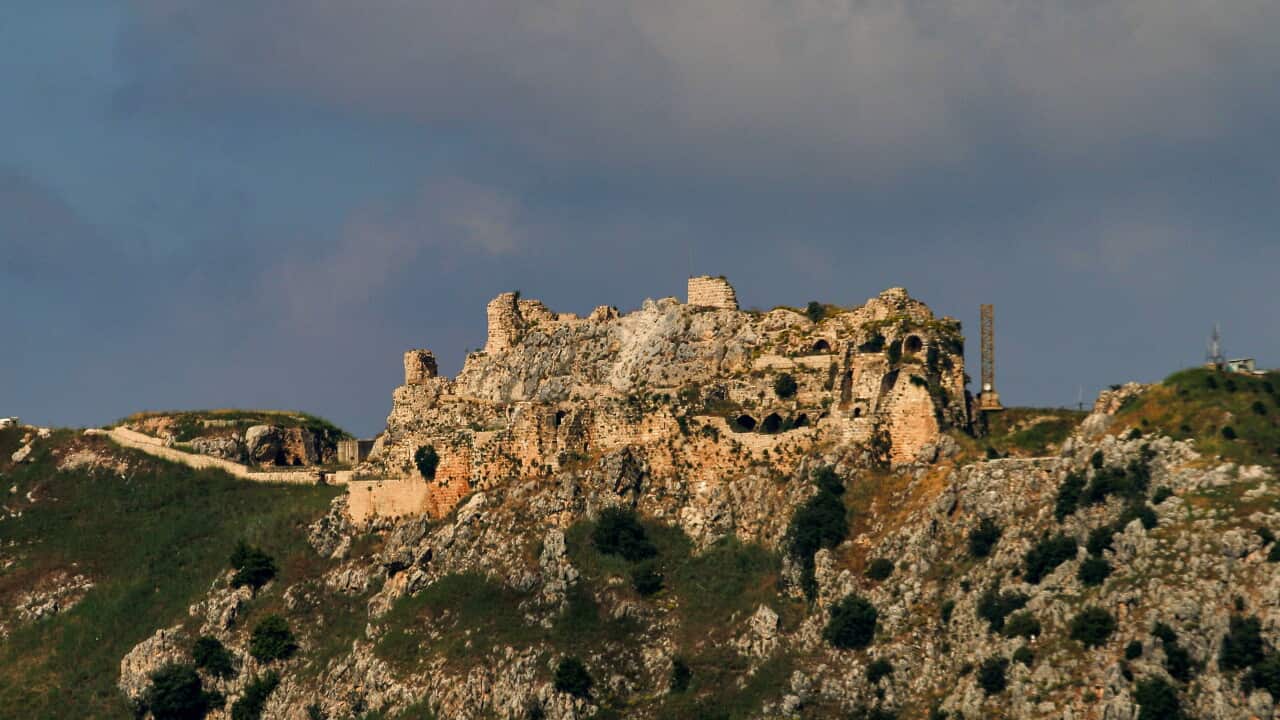
The Israeli military has captured a strategic mountain topped with a Crusader-built castle in southern Lebanon in the deepest incursion into the country in more than a quarter-century.
The seizure of Beaufort Castle on Sunday, near the city of Nabatiyeh, followed days of airstrikes and intense fighting in nearby villages between Israeli troops and Lebanese militant group Hezbollah.
The Israeli military's Arabic-language spokesperson, Avichay Adraee, posted photographs on X showing Israeli troops walking outside the castle, and Israeli defence minister Israel Katz said in a post on X that they raised an Israeli flag over the castle.
Israeli troops previously captured the castle in 1982 during Israel's occupation of Lebanon and held it until they withdrew from Lebanon in 2000.
Katz said Israel intends to hold the castle as its troops work to destroy thousands more homes that he says were used by Hezbollah in southern Lebanon.
News that makes sense
Your trusted source for staying up-to-date with the world around you. Get free daily news updates and analysis, straight to your inbox.
But how has Beaufort been used throughout history, and what's the significance of the recent Israeli capture of the century-old fortress?
The history of Beaufort Castle
Beaufort, perched high atop Lebanon’s rolling green hills and overlooking the Litani River, has been a strategic military asset for centuries.
Built as a Crusader castle around the 12th century on top of previous fortifications, it has also been used by Saladin's Jerusalem army, Mamluks, Ottomans, the French mandate and the Palestine Liberation Organization (PLO). The Crusaders named it Beaufort, which is Old French for "beautiful fortress".
The castle is a few kilometres north of the Israel border and overlooks wide parts of southern Lebanon and northern Israel. In Arabic, it is called Al-Shaqif castle, an old Syriac word referring to the formidable rocky area.
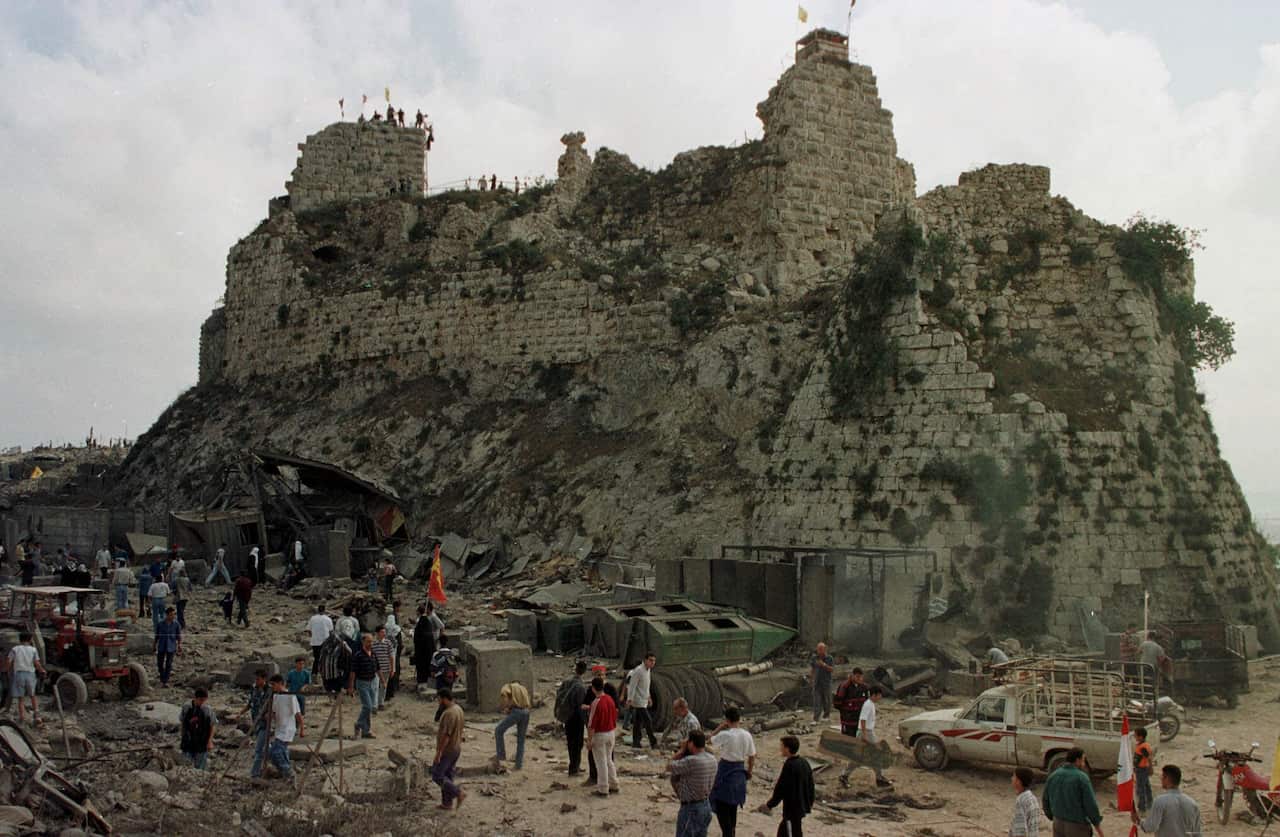
Beaufort is symbolic across the region, including in Israel, where it was one of the best-known places Israel controlled during the 18-year occupation. An Israeli film titled Beaufort explores moral questions about war in the last days before the military withdrew.
The 1982 capture of the castle from the PLO was a major victory for the Israeli military, which was then led by then-defence minister Ariel Sharon, who later became prime minister. At the time, the Israeli army pushed all the way north and occupied Beirut.
In 2000, the castle was partially restored and opened to visitors.
During the previous Israel-Hezbollah war in 2024, UNESCO gave enhanced protection to 34 cultural sites in Lebanon, including Beaufort Castle, to safeguard them from damage.
'For what?': Why does Israel want Beaufort?
Israeli Prime Minister Benjamin Netanyahu, who last week vowed to "increase the blows" against Hezbollah targets in Lebanon, noted that Beaufort is "a symbol of a heroic battle for our fighters" but also "a symbol of deep division between us".
The advance into Beaufort Castle has granted Israeli troops a vantage point over much of southern Lebanon and northern Israel, from which attacks have been launched towards Israeli residential areas.
The latest operation, the military said, was focused on establishing control of the Beaufort Ridge and the Wadi al-Saluki area, while degrading the capabilities of Hezbollah.
"The occupation of Beaufort is a dramatic stage and a dramatic shift in the policies we are leading," Netanyahu said on Sunday.
The fort summons a sense of victory over the Israeli military's seizure of it in 1982, but it also symbolises the high price of defending it before it was handed over in 2000, according to Orna Mizrahi, a former deputy director in Israel's national security council.
The military's return feels like Israel is going in circles, Mizrahi, now a senior researcher at Tel-Aviv-based Institute for National Security Studies, said.
"There's a feeling of, 'For what?'"
The expanded operation would give Israel an upper hand in the upcoming ceasefire talks with Lebanon in Washington, Beirut geopolitical analyst Joe Macaron said.
"We are at a tipping point," Macaron said, adding that it is still too early to say how Hezbollah will react to the loss of land. "The more land they (the Israeli military) can grab before the ceasefire, the more they can impose conditions on Hezbollah before their withdrawal."
What's next?
Israel likely will relinquish control eventually, Mizrahi said, even as Katz vows to make Beaufort part of Israel's so-called "permanent security zone" in southern Lebanon.
The military's presence will not solve the issue with Hezbollah, Mizrahi said: "Yes, we are damaging them in the operations, but in parallel we need to pursue a political and diplomatic solution."
Following the capture, French President Emmanuel Macron said on Sunday that "nothing justifies the major escalation underway in south Lebanon".
At France's request, the United Nations Security Council will hold an emergency meeting on Tuesday AEST.
"France will continue to support the Lebanese authorities in their efforts to restore the sovereignty of the state and the country's territorial integrity," Macron said in a post on X.
For the latest from SBS News, download our app and subscribe to our newsletter.







