IN BRIEF
- Pharmacies will determine what they charge, with experts estimating a private dose could cost up to $80.
- Experts warn people outside funded groups may weigh vaccination benefits against the price.
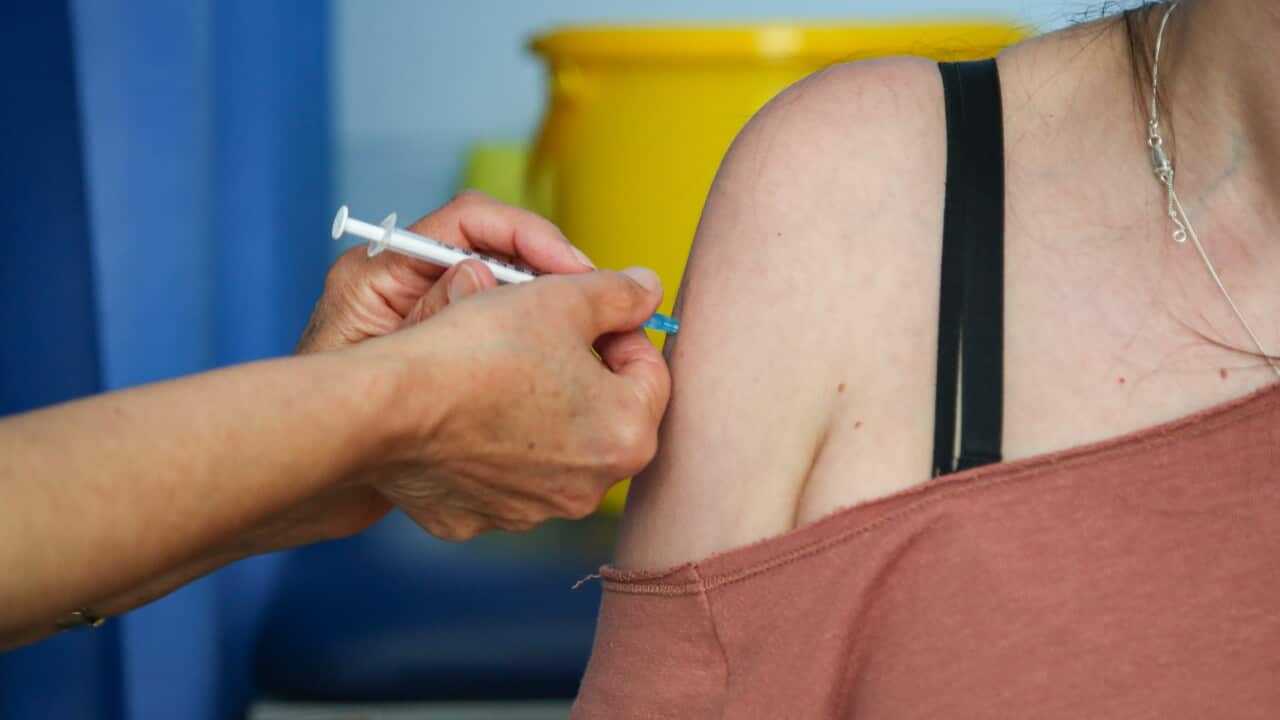
Australians who have previously received COVID-19 vaccines for free could soon face an out-of-pocket cost, with experts warning price could become a barrier for some people who still stand to benefit from vaccination.
From 1 October, COVID-19 vaccines will move into the routine National Immunisation Program (NIP), replacing the stand-alone National COVID-19 Vaccine Program established during the pandemic.
Under the new arrangements, funded vaccination will be targeted at people considered most at risk of severe COVID-19, while those outside the eligibility criteria can choose to buy a vaccine privately.
But there is currently no nationally set price for a privately purchased COVID-19 vaccine.
The Department of Health told SBS News in a statement that private vaccine supply and pricing were commercial matters for manufacturers and providers, and that the government did not control private-market prices.
News that makes sense
Your trusted source for staying up-to-date with the world around you. Get free daily news updates and analysis, straight to your inbox.
The Pharmacy Guild of Australia also said it was too early to give patients a reliable estimate of the total cost.
"Without knowing the cost of buying the vaccine, it is impossible to provide a reliable indicative total cost to patients," a spokesperson told SBS News.
"Individual pharmacies will set their prices taking into account the cost of purchasing the vaccine and providing the vaccination service."
What might you have to pay?
Royal Australian College of General Practitioners Public Health Special Interest Group chair Dr Peter Markey said he expected privately purchased COVID-19 vaccines could cost between $30 and $80, although he stressed no price had yet been confirmed.
He said the eventual cost would depend on individual pharmacies and encouraged people who wanted a vaccine to compare prices.
"Let's hope it's not going to be too much more than the regular seasonal flu vaccine," Markey said.
The Pharmacy Guild said COVID-19 vaccination would remain a core pharmacy service, with Australia's 6,000 community pharmacies continuing to provide vaccinations.
Could cost put people off?
Professor Julie Leask, professor of Public Health at the University of Sydney's Infectious Diseases Institute, said she supported the COVID-19 vaccine being normalised as part of the routine vaccination schedule.
Her research through Australia's National Vaccine Insights Survey, which surveys more than 2,000 adults each year, found cost was reported as a barrier by about a quarter of people who experienced difficulty getting a flu vaccine.
Leask said an out-of-pocket COVID-19 vaccination could create a practical barrier for people who had to weigh the cost against other household expenses.
Who might still benefit?
The government's decision to fund COVID-19 vaccination for particular groups does not mean people outside those groups cannot benefit from vaccination.
Professor Paul Griffin, an infectious diseases physician and clinical microbiologist, said there could be a large group of Australians in a "grey area" who do not meet the technical eligibility requirements but still have individual risk factors.
That could include people with chronic lung, heart or metabolic conditions such as diabetes, particularly where multiple conditions are present.
Griffin also identified healthcare workers and residential aged-care workers as groups who may face greater exposure to COVID-19.
People living with someone at higher risk, travellers and those concerned about long COVID-19 may also want to discuss the potential benefits of vaccination with their healthcare provider, he said.
Markey similarly said people with chronic conditions, particularly chronic lung disease, could still have reason to consider vaccination despite not qualifying for a funded dose.
But Griffin said the benefit was more limited for someone at very low risk of severe disease.
He said people would now need to weigh the potential benefits of vaccination against both its possible side effects and the financial cost.
Why are the rules changing now?
The Department of Health said the shift reflected Australia's transition from an emergency pandemic response to a long-term routine vaccination program.
During the pandemic, vaccines were made free to everyone as part of the response to a newly emerging disease, when most Australians had little or no immunity.
The government said many Australians had since been vaccinated or infected, building widespread protection across the community.
Funding is now focused on those considered most likely to develop severe disease, with the eligibility criteria informed by advice from the Australian Technical Advisory Group on Immunisation.
The health department said COVID-19 vaccination remained the best way to protect against severe illness, hospitalisation and death.
It's not yet clear how many Australians will decide against vaccination because they have to pay, but Markey said some people would likely reconsider vaccination once a cost was attached.
He said the overall public health impact was difficult to predict.
Griffin expressed concern about the potential impact on people who remain at higher risk but fall outside the funded categories.
"I think there's going to be a really large number of people who are in that grey area," he said.
Griffin also said authorities should monitor vaccination uptake alongside COVID-19 related hospitalisations and deaths once the new model begins.
If particular groups were found to be under-vaccinated and experiencing worse outcomes, he said eligibility could potentially be reviewed and expanded.
Leask said the government's decision should not be interpreted as meaning COVID-19 vaccination was no longer important.
She said the public should understand that the decision was based on an assessment of the vaccine's benefits, risks and cost-effectiveness, but said the government should provide a clear explanation on why the funding arrangements were changing, particularly for people who had previously been able to access the vaccine for free.
For the latest from SBS News, download our app and subscribe to our newsletter.







