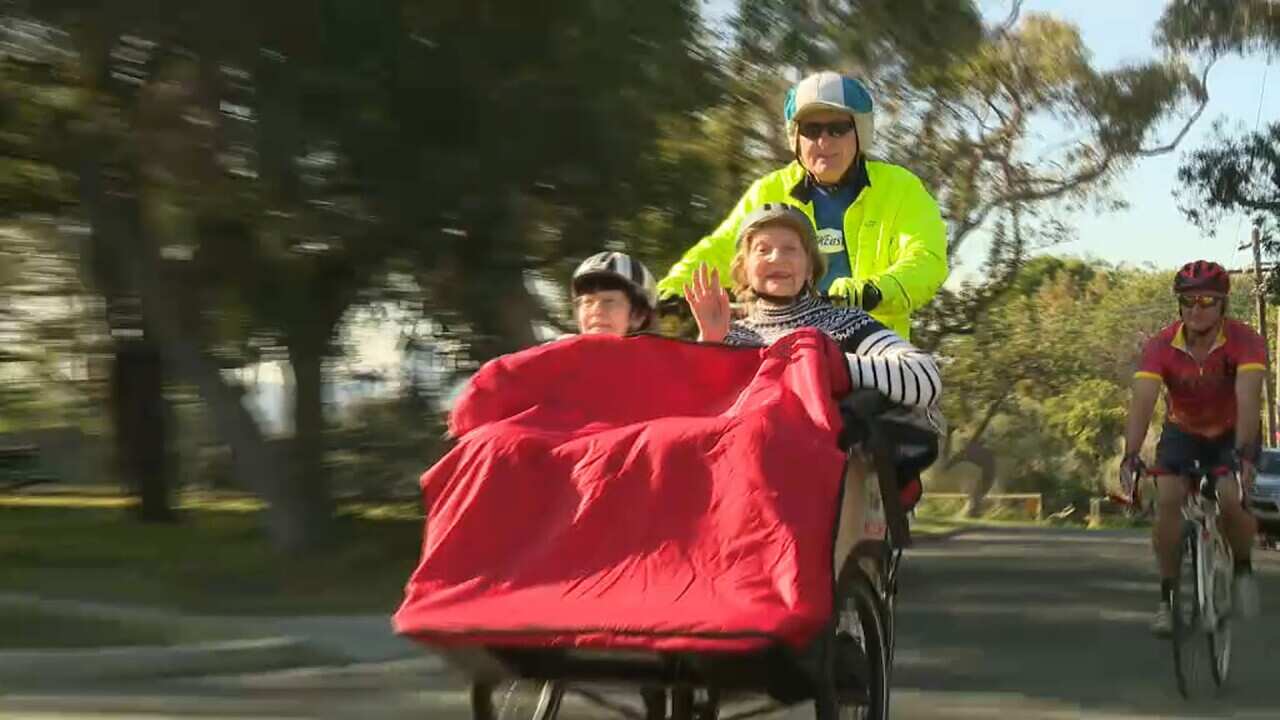
It’s a bracing but sunny winter’s day in Woolwich, on Sydney’s North Shore. Perfect for getting out on a bike and feeling the wind in one’s hair.
But for 92-year-old Nora Dalton and 82-year-old Beryl Pearce, a trishaw awaits.
Every month, the pair are passengers on a 40-minute ride to take in the sights near their retirement living facility.
“It’s a bit different,” says Ms Dalton.
“It could fall over, and that’s a bit of excitement!”
News that makes sense
Your trusted source for staying up-to-date with the world around you. Get free daily news updates and analysis, straight to your inbox.
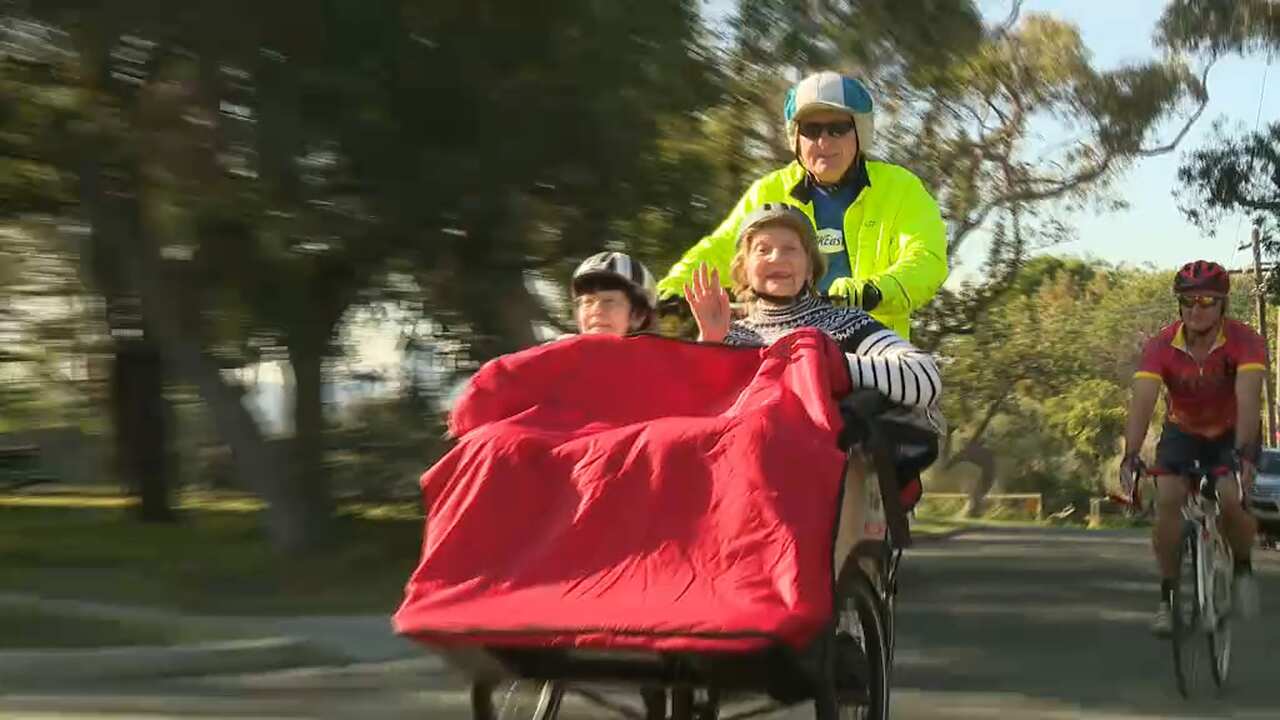
Ms Pearce says she’s glad to be getting outdoors:
“You're all just locked away otherwise … There’s no fresh air coming onto you.”
Both are residents of IRT Woolwich Lifestyle Community and the trishaw scheme is run by global movement Cycling Without Age.
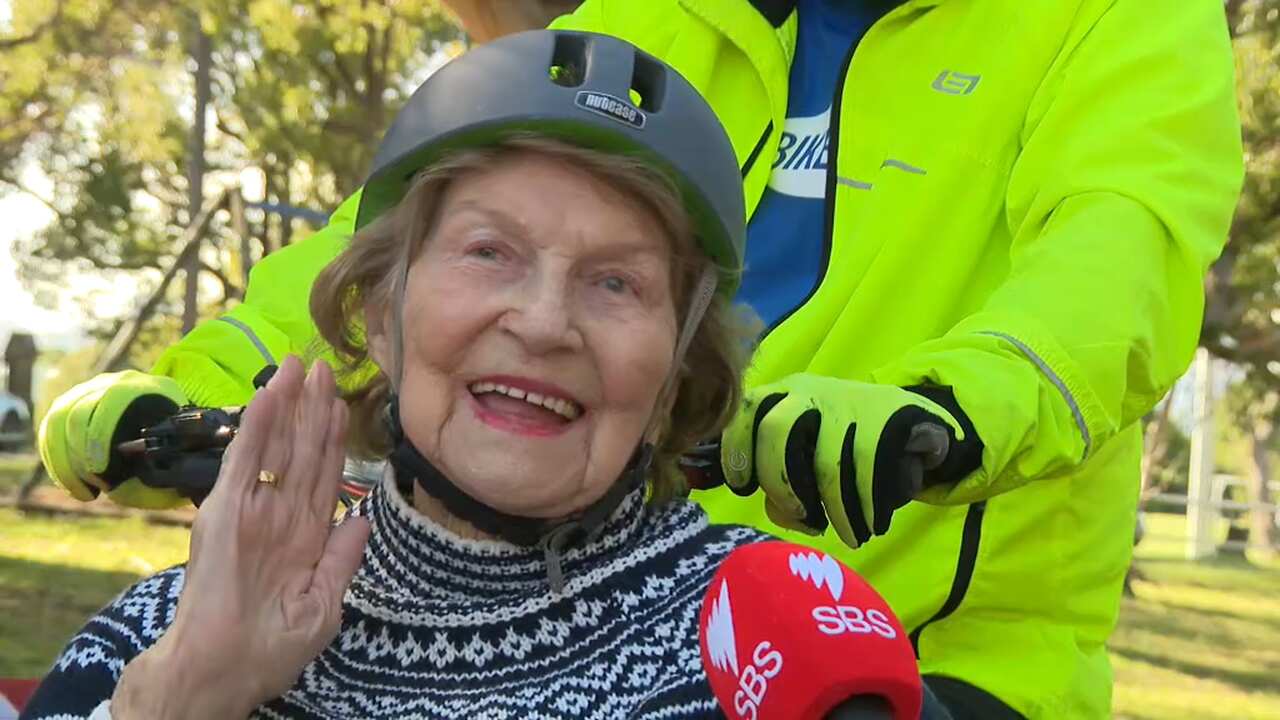
For trishaw rider Richard Lewis, 73, the voluntary work is also a great way to keep fit.
“I'd just retired, I needed exercise,” he says.
A cycling novice four years ago, he now rides around 100km a week on his electric bike as well as the trishaw.
“It's a social outing, I enjoy meeting and helping with the older people here,” he says.
Danish roots
It's no surprise Cycling Without Age began in Denmark's bicycle-friendly capital of Copenhagen in 2012. Now there are 1,500 trishaws - specially designed for seniors - in nearly 40 countries.
Its co-founder Dorthe Pedersen has been in Australia, to encourage more people to sign up.
“It's about wellbeing, having access to smiles and eye contact … and coming to places of interest in the city,” she told SBS News.
“It could be an event, or even just to the coffee shop … just to have a good chat with the neighbour who takes them for a ride.”
Psychologist Sunil Bhar, director of Swinburne University’s Wellbeing Clinic for Older Adults, agrees.
“Several studies have shown that older people who spend more time outdoors have better emotional health; less anxiety, less depression and improved immunity,” he said.
“Some programs have shown that they have better social connections, sleep better and improve their attention.”
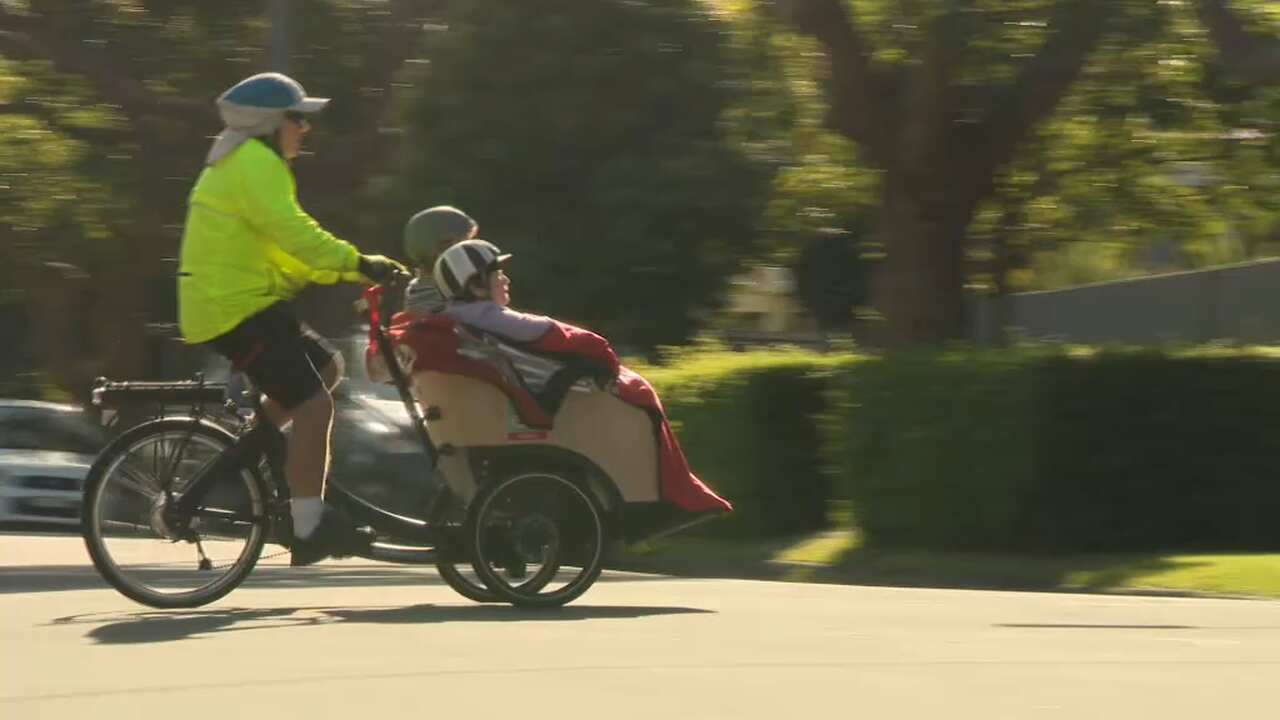
Australia now has at least 30 of the mostly Danish-imported trishaws, each costing $14,000.
The high cost puts the onus on aged care facilities, local councils and private donors – some who take to crowdfunding to raise money – to come up with the funds.
Dr Bhar believes it's a worthwhile investment:
"Riding around one’s home neighbourhood provides a connection to the past, allowing the elder to reminisce about their lives, but also to tell other people about their past experiences.
"We find this to be a fantastic way to reconnect with their identity, to be recognised and be validated."







