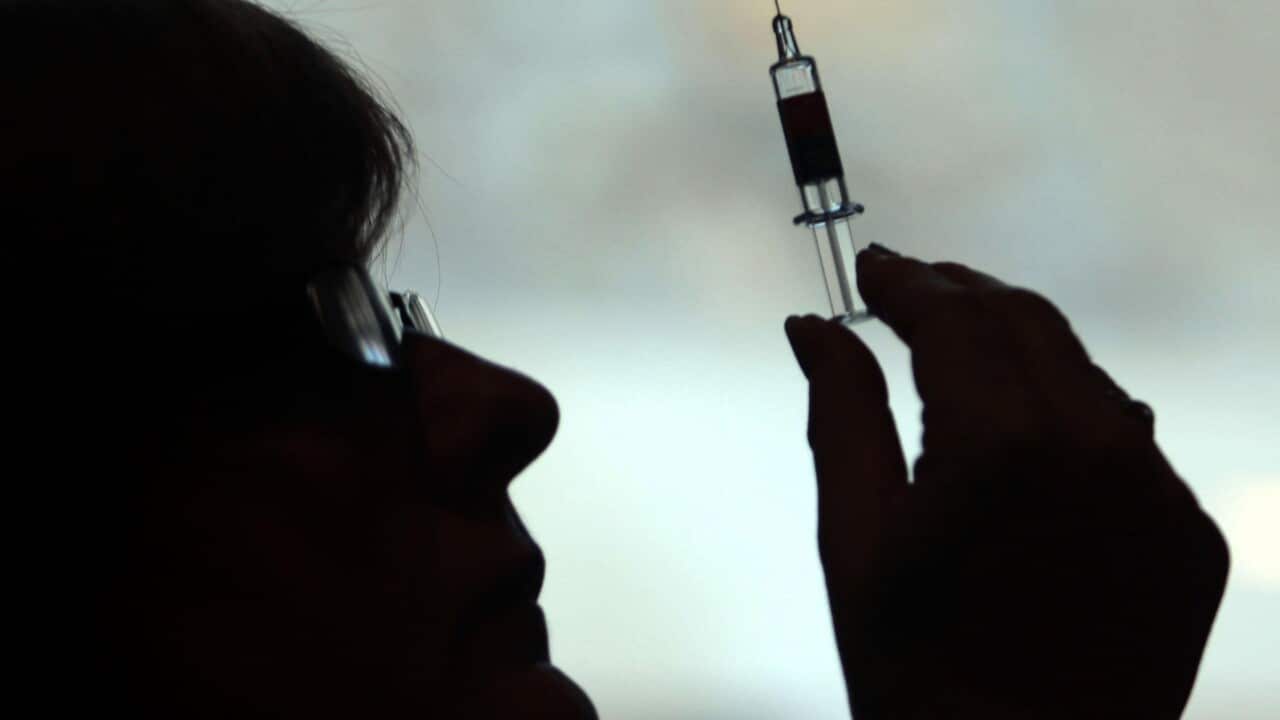
Saying she was "taken aback" by high case numbers, Zsuzsanna Jakab, the U.N. health agency's European director, said the 22,149 reported cases from seven countries threatened the region's goal of eliminating measles by the end of 2015.
Even though measles cases fell by 50 percent from 2013 to 2014, large outbreaks continue in both eastern and western Europe, the WHO said.
Italy has seen 1,674 measles cases since the beginning of last year, while Germany has had 583, Kyrgyzstan 7,477 and Russia more than 3,240.
"We must collectively respond, without further delay, to close immunisation gaps," Jakab said in a statement. "It is unacceptable that, after the last 50 years' efforts to make safe and effective vaccines available, measles continues to cost lives, money and time."
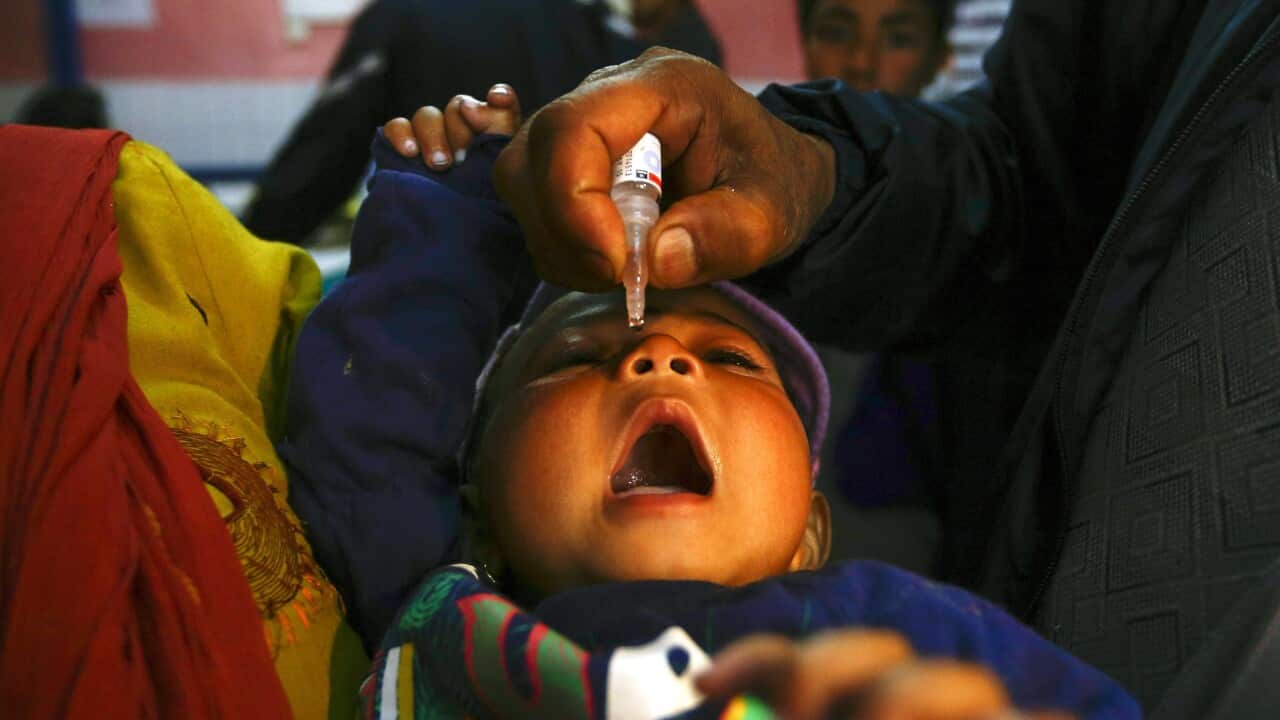
Measles is a contagious and sometimes deadly viral disease which can spread very swiftly among unvaccinated children.
There is no specific treatment and most people recover within a few weeks, but, particularly in poor and malnourished children and people with reduced immunity, measles can cause serious complications including blindness, encephalitis, severe diarrhoea, ear infection and pneumonia.
A measles outbreak in the United States has seen more than 150 people infected, many of them linked to the wave of illness that authorities believe began when an infected person from out of the country visited Disneyland in late December 2014.
Measles was declared eliminated in the United States in 2000 after decades of intensive childhood vaccine efforts. But that status was lost after immunisation rates were damaged by an anti-vaccination movement driven in the past decade by now de-bunked studies suggesting links between vaccines and autism.
In 2014, the United States had its highest number of cases in two decades.
Nedret Emiroglu, a WHO Europe's infectious diseases expert, said beating the disease meant controlling any epidemics as quickly as possible and pushing vaccination rates to the highest possible levels in every country.
"All countries, with no exception, need to keep a very high coverage of regular measles vaccination so that similar outbreaks won't happen again... and measles can be eliminated once and for all," she said. (Reporting by Kate Kelland; Editing by Raissa Kasolowsky)
Share


