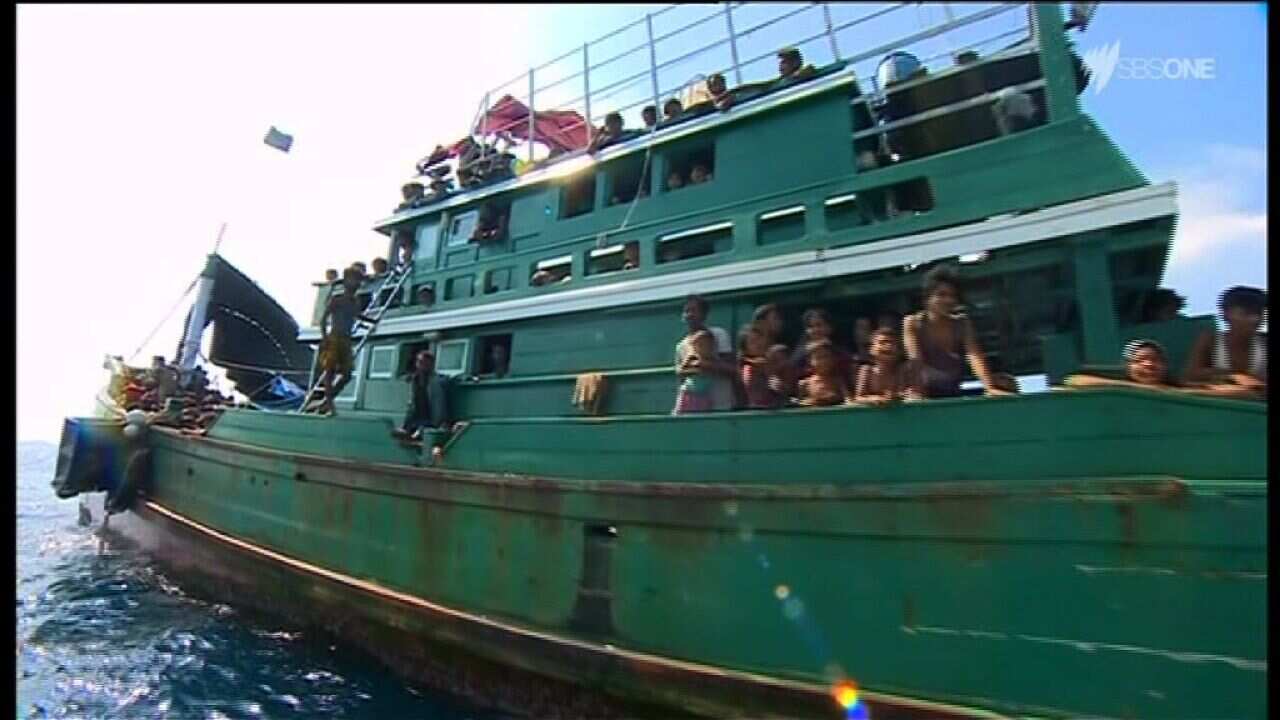
It may be called maritime ping pong, but the process of pushing asylum seeker boats back and forth in international waters is no game.
Thousands of Rohingya migrants are reportedly stranded in Andaman Sea, with one boat confirmed missing after having been pushed back to sea between Malaysian and Thai waters repeatedly.
The boat – a drifting trawler with 300 passengers who have been abandoned by people smugglers - hasn't been seen, or picked up on radar, since midnight on Saturday.
Those 300 people are among the tens of thousands that have fled Myanmar in recent years, escaping violence in a country where they are persecuted as stateless people.
News that makes sense
Your trusted source for staying up-to-date with the world around you. Get free daily news updates and analysis, straight to your inbox.
Despite living in the country's west for generations, most of Myanmar’s 1.1 million Rohingya Muslims are not welcome, are denied citizenship and have their movements restricted.
Violence flared around Sittwe in the Rakhine State in 2012, destroying entire villages and leaving 150,000 people living in camps.
An estimated 80,000 have since fled since and right now, an estimated 8,000 are stranded in Andaman Sea.
Australian Prime Minister Tony Abbott has spoken out on the situation, stating that “the most compassionate thing we can do to end the deaths is to stop the boats”.
“The only way to end the deaths is to stop the boats is to be prepared to turn them around,” he said.
But Australia's Rohingya disagree with Mr Abbott, with Rohingya Tin Maung telling SBS that the Prime Minister has missed the point.
“It's not as much the smugglers,” he said.
“As long as the problem is solved inside the country, there would be no smugglers at all.”
Others said military intervention isn’t necessary, but stressed that some action on a diplomatic level should be taken.
Indonesian and Malaysian officials have declined to comment on the status of the missing vessel, but regional leaders will meet on Wednesday amid reports that Thailand has closed its ports.
Prime Minister of Thailand General Prayuth Chan-ocha urged people not to blame his country, which was trying to avoid “a burden”.
“We are trying to fix everything on a humanitarian basis, but you have to look at it this way - if we continue to receive more and more refugees, what would happen?” he said.
“This system would just increase. It would be a burden on Thailand and we have a hard job just taking care of our own citizens.
"If we have to take care of these people in large numbers, where would the Thai people live? What about jobs and income?”







