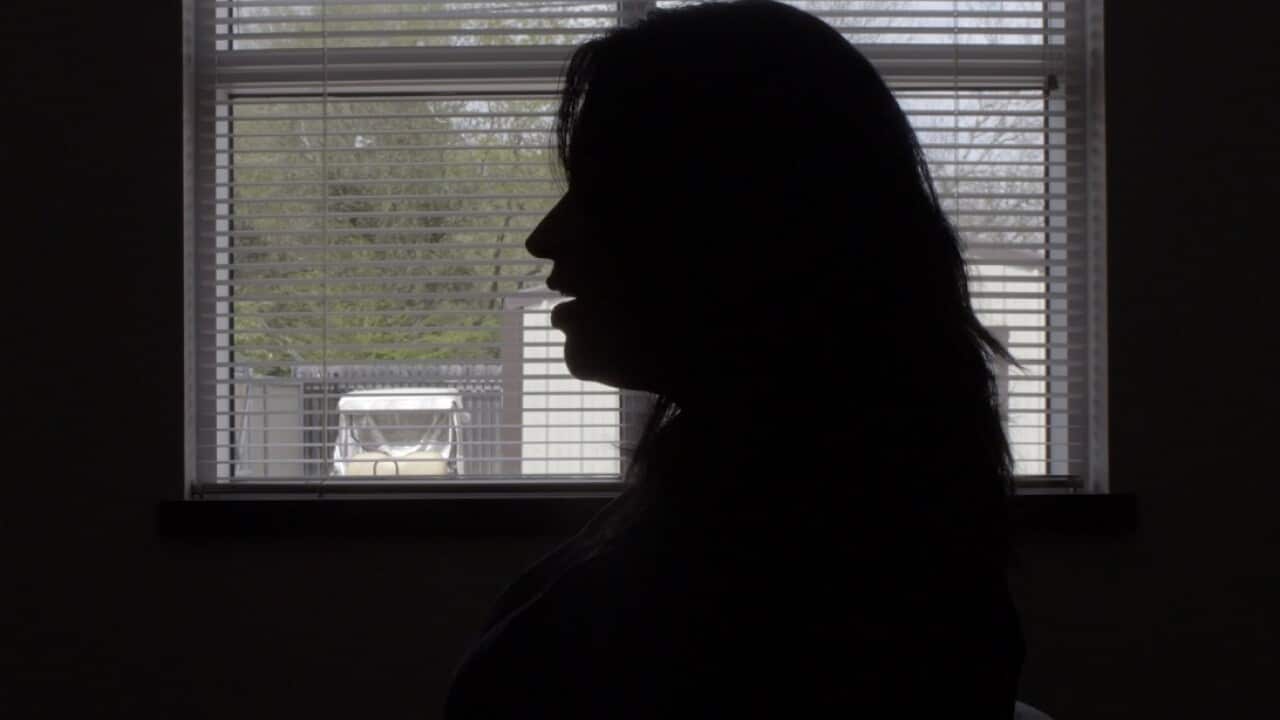
For years, she slept with a gun under her pillow, living in fear of a boyfriend who bashed her, controlled her life and threatened to kill her and her children.
Domenica, who moved to the US illegally from Mexico in 1995 and became part of the booming immigrant community in Houston, said her partner was a US citizen and often reminded her that she could be deported if she went to the police.
“He told me nobody would help me because I don’t have papers,” said Domenica, 38, who has a son and daughter with her boyfriend and asked that her last name not be used to protect them. “I was with him like that for a pretty long time. I felt like there was no help for me.”
Last August, fearing for the safety of her children, Domenica decided to flee. She never called the police. She said she would rather go into hiding than appear in court and risk being separated from her children, or sent home to Mexico.
News that makes sense
Your trusted source for staying up-to-date with the world around you. Get free daily news updates and analysis, straight to your inbox.
“That scene is happening all the time,” Houston’s police chief, Art Acevedo, said in an interview. Although Houston’s immigrant population is one of the fastest-growing in the country, the city last year saw a 16 per cent drop in domestic violence reports from the Hispanic community — a decline that police blame on a tough new immigration enforcement law in Texas and the increasingly hostile political climate across the country surrounding the issue of illegal immigration.
The Houston police recorded 6,273 domestic violence reports from Hispanics in 2016, compared with 7,460 in the previous year.
Police departments in several cities with large Hispanic populations, including Los Angeles, Denver and San Diego, also experienced a decline in reports of domestic violence and sexual assault in their Hispanic communities. In Houston, Latino domestic violence reports went down even as the city’s Hispanic community, now 44 per cent of the population, grew significantly.
“Undocumented immigrants and even lawful immigrants are afraid to report crime,” said Acevedo, who has spoken publicly about the need for local leaders to care for immigrants under increased pressure from state and federal authorities. “They’re seeing the headlines from across the country, where immigration agents are showing up at courthouses, trying to deport people.”
One case drew national headlines in February 2017, when a transgender woman in the country illegally from Mexico went to a courthouse in El Paso County to file a protective order against her ex-boyfriend. She was detained on the spot by federal agents.
In interviews across Houston, women’s activists, domestic violence shelter workers and immigrants shared detailed stories of women who had become more fearful than ever of any contact with the authorities, tying those fears to the threat of deportation.
One 38-year-old woman said she had never called police about her husband, who frequently bashed her, not even when she was six months’ pregnant and he punched her in the stomach, causing her to lose the baby. Eventually, when her husband threatened to kill her, she left him — but she did not report him.
“I know the police are there to help,” said the woman, who feared she would be identified and deported if she gave her name. “But with the laws now, a lot of women like me are too afraid to come forward.”
Across the US, authorities have documented declines in crime reporting by immigrants. Although a general reluctance to contact authorities has always been a problem for police dealing with immigrant communities, police say that many of the steepest declines began early in 2017, when President Donald Trump took office and ordered federal Immigration and Customs Enforcement to step up its targeting of those in the country illegally.
Removal orders are up overall from 2016 and are much more broadly applied than they were during the last two years of the Obama administration. Arrests of immigrants who appear in court have also increased.
A survey of hundreds of police officers, victims’ advocates and prosecutors across all 50 states, released by the American Civil Liberties Union in May, found numerous reports that unauthorised immigrants are now more reluctant to call the police, seek criminal charges and testify against assailants. A total of 82 per cent of the prosecutors surveyed said that domestic abuse cases have become harder to prosecute.
But the threat in Texas has been particularly pronounced.
In Harris County, which includes Houston, the number of immigrants transferred from county jails to federal agents enforcing immigration orders jumped 60 per cent in the first five months of 2017, according to an analysis by the Migration Policy Institute, a Washington-based immigration think tank.
In September, the Texas Legislature approved a sweeping law that orders local police departments to comply with requests by federal authorities to turn over local detainees suspected of being in the country illegally. Governor Greg Abbott, a Republican, declared the measure was necessary to prevent municipalities from setting up “sanctuary cities.”
Under the new Texas law, known as Senate Bill 4, local officials could face jail time and fines that exceed $US25,000 for refusing to honour federal “detainer” requests.
Houston has joined Dallas, Austin and other Texas cities with large Hispanic populations in a lawsuit to overturn the law, arguing that SB 4 could lead to widespread racial profiling.
Abbott has characterized critics’ concerns as “fear-mongering” and said the law does not pose problems for noncriminals. “If you’re a criminal and you’ve done something wrong, yes, whether you’re here legally or illegally, you’ve got something to be concerned about,” he said during a Univision television interview last year. “If not, you’ve got nothing to be concerned about.”
A federal appeals court largely upheld the measure in April but is weighing a request by the cities for a rehearing.
Meanwhile, the political storm surrounding the Texas immigration debate has driven some of the state’s more vulnerable immigrants further into the shadows. This is especially troubling for the Houston Police Department, which recorded 43 domestic violence homicides among all ethnic groups last year. City officials said they needed the entire community’s help in identifying potential perpetrators.
“Legislation like this doesn’t help at all. It just makes our job harder,” said Jason Cisneroz, a community service officer who is conducting outreach to make Hispanics feel comfortable reporting crimes. “It’s not just the decrease in calls for service, it’s also the decrease in willingness to be a part of an investigation.”
Acevedo’s answer is to comply fully with SB 4, while curbing its influence on his department’s operations. He requires his officers to file a report on every case in which they report on immigration status to federal authorities. Since the law went into effect, his officers have asked only four people to disclose their immigration status.
“We’re not interested in somebody’s immigration status,” Acevedo said at a news conference in March when he announced a new policy that requires supervisors to be present at all domestic violence crime scenes to help determine if an arrest should be made. “If a person is a victim of a crime or a witness to a crime, we want them to understand that this department, this DA, our mayor, our community, stand with victims and witnesses of crime.”







