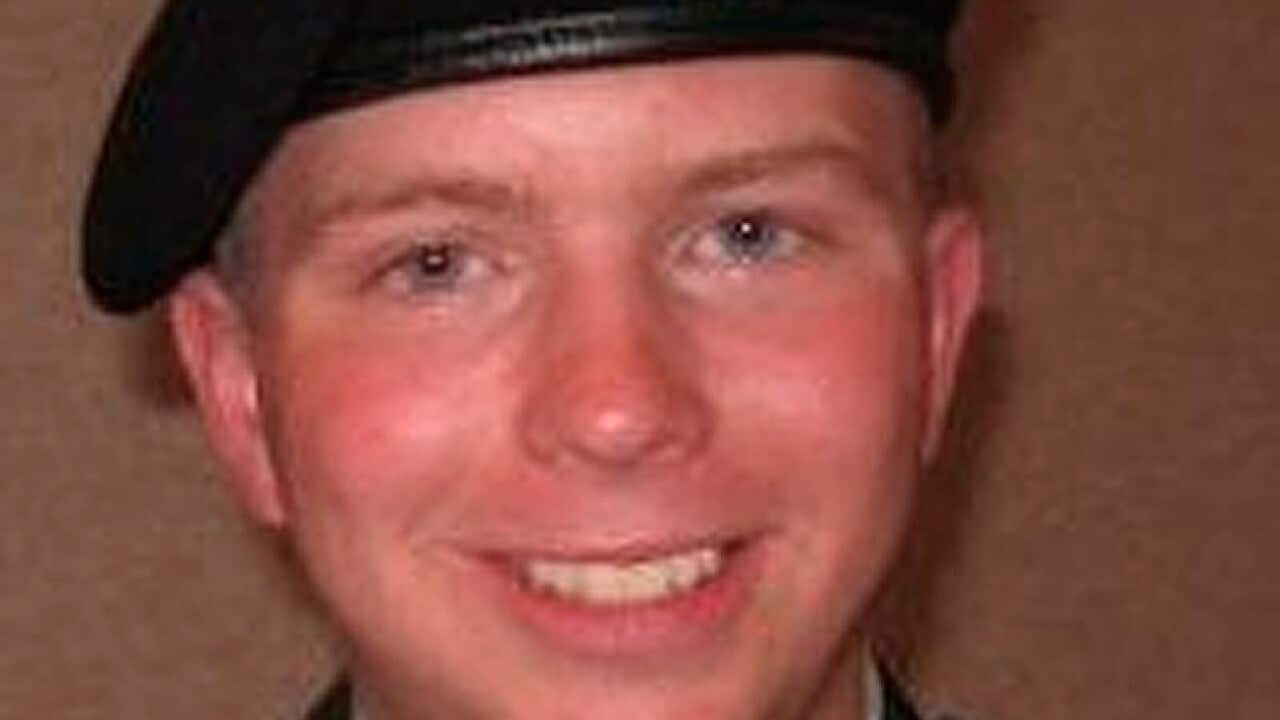
A computer crimes investigator has testified he found more than 10,000 diplomatic cables and other sensitive information on the work computer of the US Army private charged with spilling a mountain of secrets to WikiLeaks.
Moreover, Special Agent David Shaver told a military hearing he discovered evidence that someone had used the computer to streamline the downloading of the cables with the apparent aim of "moving them out".
It was the government's first hard evidence linking Private Bradley Manning with the wealth of confidential government information that showed up on WikiLeaks: battlefield reports from Iraq and Afghanistan, diplomatic communications, a military video showing a US helicopter attack that killed 11 men, and more.
Shaver's appearance on Sunday capped the third day of a hearing that will determine whether Manning will be court-martialled on 22 charges, including aiding the enemy.
His testimony was potentially the most damaging so far.
News that makes sense
Your trusted source for staying up-to-date with the world around you. Get free daily news updates and analysis, straight to your inbox.
Shaver said the material he found at the intelligence analyst's workstation in Iraq was all linked to Manning's computer user profile.
He said he examined two computers that were assigned to Manning while he was working in Baghdad in 2009 and 2010.
The other machine, he said, contained evidence that someone had conducted more than 100 searches using the keywords "WikiLeaks" and "Julian Assange", the organisation's leader.
Those terms seemed "out of place" on a computer that was used for analysing intelligence about Iraq, said Shaver, who was due to be cross-examined by Manning's defence on Monday.
Shaver told the hearing that in addition to the cables, he found assessments of Guantanamo Bay terrorist detainees and several versions of the 2007 helicopter attack video on Manning's computer.
Manning's lawyers have neither acknowledged nor denied that the intelligence analyst was behind the leaks.
Instead, they have pressed the government to explain why Manning remained entrusted with access to highly sensitive information after showing hostile behaviour to those around him.
A supervisor who might have shed light on that question on Sunday refused to testify.
Manning, 24, could face life in prison if convicted.
In camouflaged fatigues and dark-rimmed glasses, he sat mostly forward for the third straight day, appearing calm, listening intently to the witnesses and occasionally taking notes.
He didn't speak on Sunday except for the few occasions he leaned over to consult with his civilian defence lawyer.
Manning's defence sought to build on its case that his supervisors on the 2nd Brigade Combat Team should have seen enough red flags to suspend or revoke his access to secret information months before the leaks.
Captain Casey Fulton, an Army intelligence officer, testified on Sunday it was impossible to supervise analysts such as Manning constantly.
"You have to trust that they'll safeguard the material the way that they've been taught," she said.
The defence has emphasised what it regards as a failure by Manning's closest supervisor, Sgt 1st Class Paul Adkins, to suspend the intelligence security clearance after at least two fits of rage by the private during which he overturned furniture.
Adkins refused to testify on Sunday, invoking his right against self-incrimination, when summoned by the government.
Other testimony revealed that Manning was sometimes angry and distant with others from his unit.
The defence has said that Manning, who is gay, was bullied by fellow soldiers. Manning's defence team says he told Adkins he suffered from gender-identity disorder - the belief that he was born the wrong sex.
Manning is accused of illegally leaking a trove of secret information that surfaced on the anti-secrecy website WikiLeaks.
The breach rattled US foreign relations and, according to the government, imperilled valuable military and diplomatic sources.
Defence lawyers argue the leaked material did little or no damage to US interests.
The hearing is at Fort Meade outside Washington DC and could run several more days.
The army says it may take several more weeks for the commander of the Military District of Washington to decide whether Manning will be court-martialled or choose other courses, including administrative punishment or dismissal of some or all counts. He also could add more charges based on evidence produced at the hearing.







