Key Points
- The success of the Women's World Cup in Australia and New Zealand has sparked conversations about the game's future.
- Football Australia is aiming to welcome more than 43,000 new players to the sport by 2027.
- Advocates say there needs to be a better understanding of the needs of female athletes.
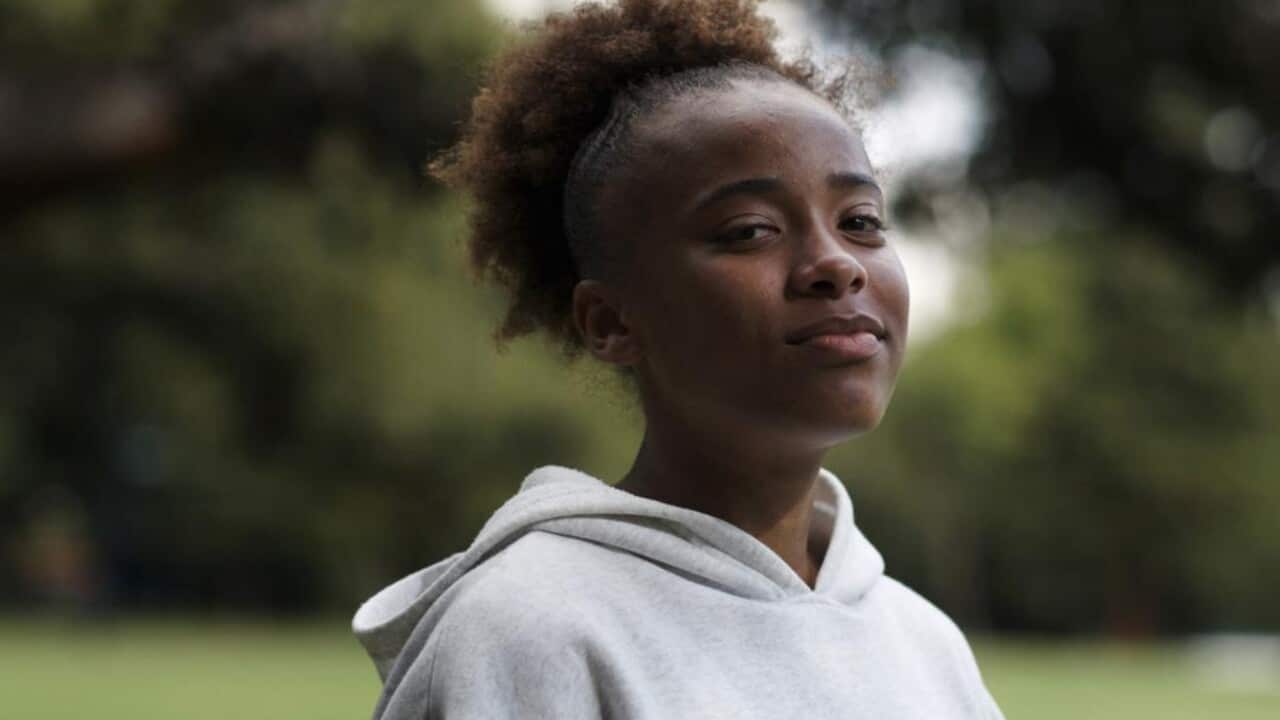
Representing Australia on the world stage with football has long been a dream held by Ischia Brooking.
The 14-year-old experienced a taste of that as a Junior Matilda in her first international game in April as part of the 2024 AFC U-17 Women's Asian Cup qualifiers.
The team defeated Mongolia 11-0, with Brooking scoring one of the goals that sealed the deal.
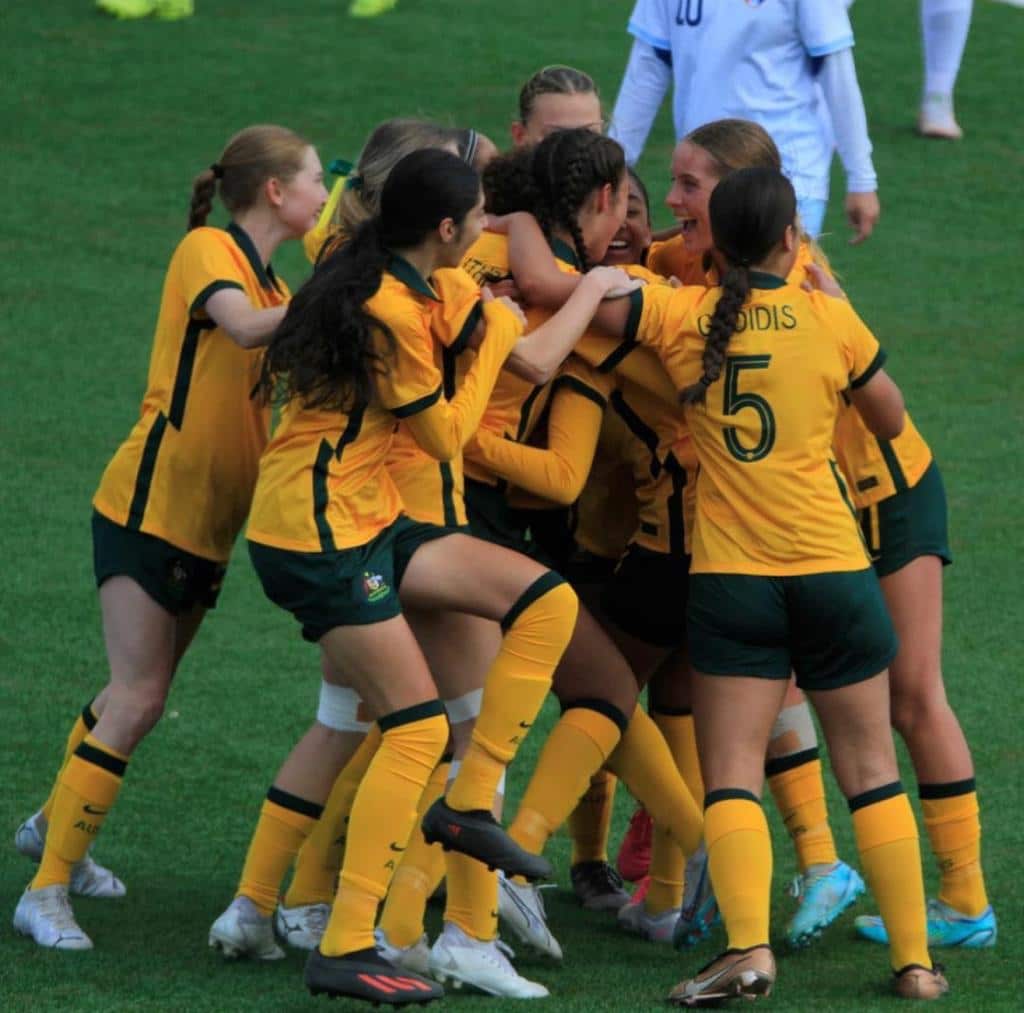
It's a memory she says she will never forget.
News that makes sense
Your trusted source for staying up-to-date with the world around you. Get free daily news updates and analysis, straight to your inbox.
"It was just an incredible moment. It's just special," she said.
"I was just in a state of shock [when I scored the goal]. I couldn't believe it at all because when I kicked the ball, I wasn't sure it would get into the net. So much was happening."
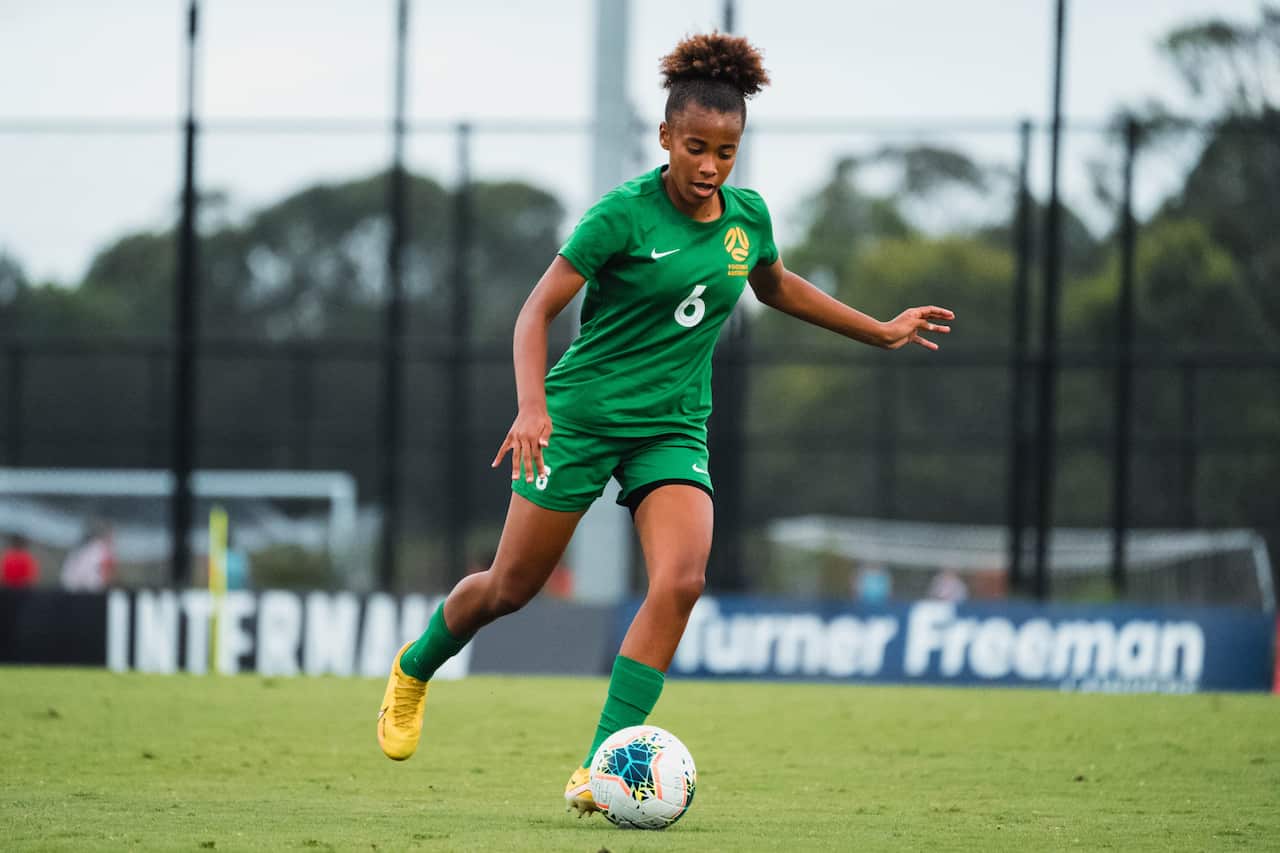
Reaching that moment was years in the making for the Australian-born Zimbabwean - and it wouldn't have been possible without mentors and supporters.
"Confidence is definitely a big part of the game because without it you're just going nowhere. It's really important to have mentors," she said, listing her parents but also Perth-born Matildas stars Sam Kerr and Lisa De Vanna as sources of inspiration.
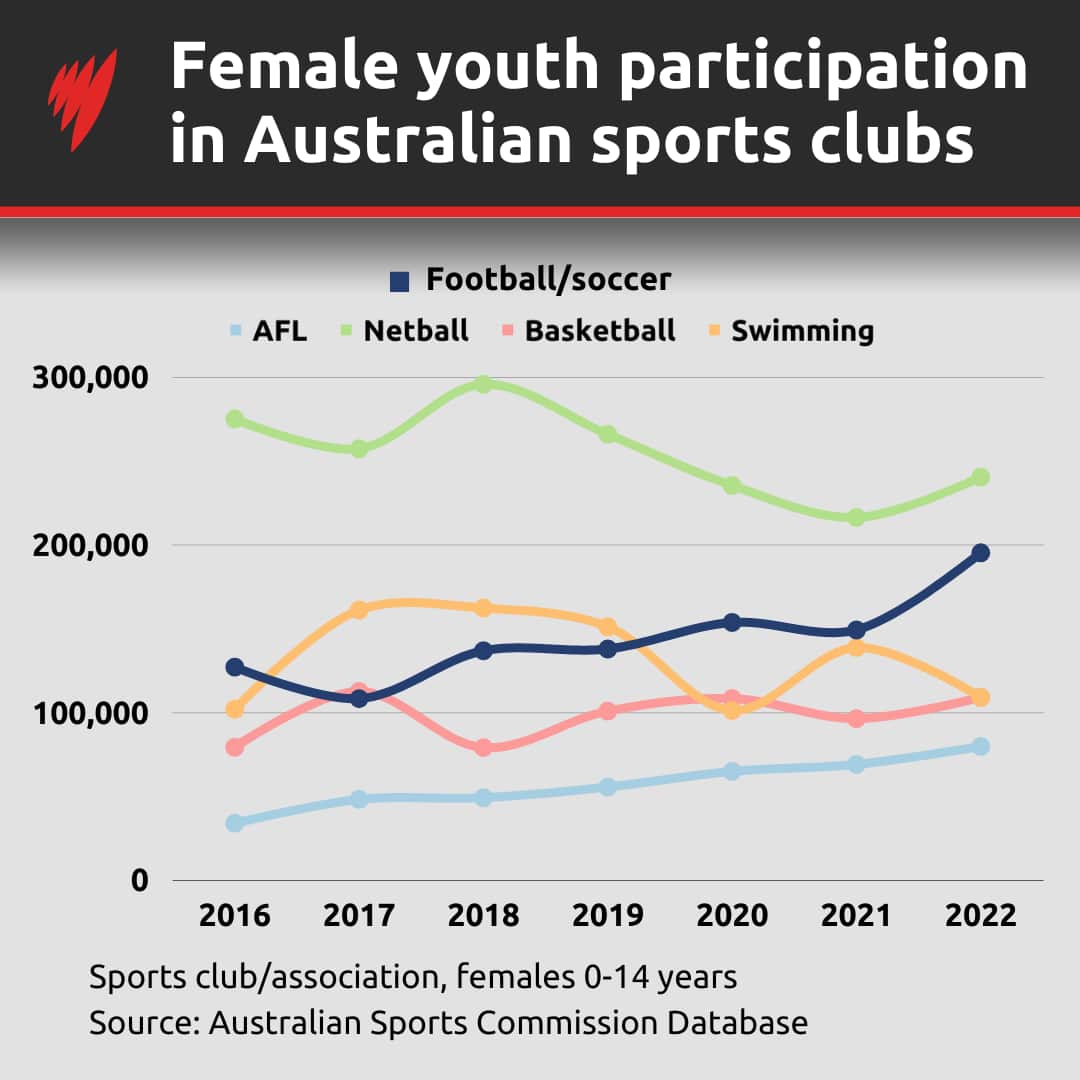
Research shows female participation in community sports in Australia drops off from the age of 14.
Kris Marano knows that story all too well, having dropped out of the game at that age.
Returning to the sport a decade later, she found the dropout risk remained an issue. It prompted her to start non-profit Gaining Ground WA three years ago to facilitate mentoring.
"The conversations about what female players need were not being had [among male coaches and administrators]," she said.
"There was a group of us that wanted to have more positive communication on mental health and wellbeing issues affecting players."
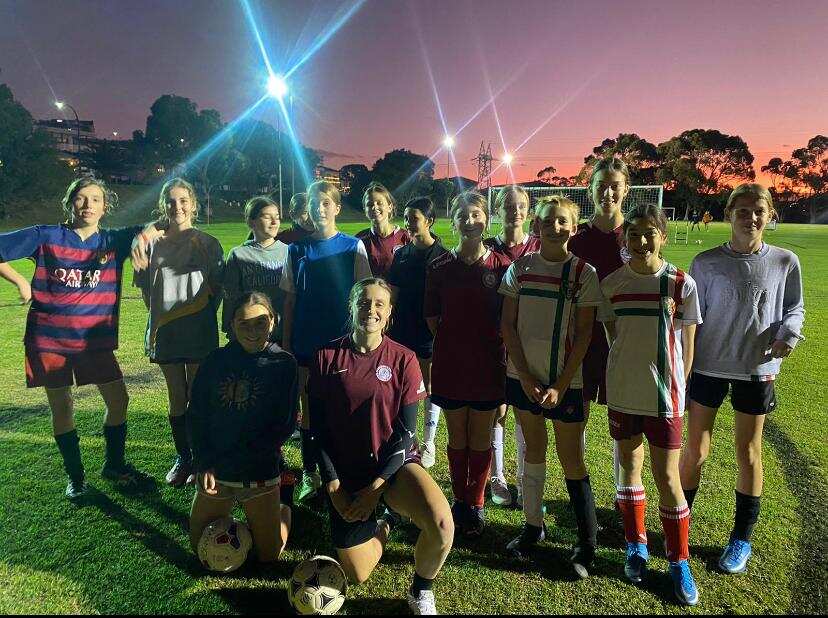
The group has been running workshops linking elite players at the Fremantle City Football Club with junior players to develop the self-confidence to excel in a male-dominated sport.
"I think from about the age of 10, you're exposed to many external factors at school and your community. You're getting to know who you are - and your identity. That's where the confidence comes in.
"At the age of 14, I was benched, and the way it happened, it shook my confidence. One comment can lift us up, or it can bring us down and it can affect the decisions we decide to make in our lives. We can help girls and young women through that."

Mentoring makes an impact
The mentoring program run by Gaining Ground WA was a drawcard for coach Faye Chambers, who became the first female coach of Fremantle City FC's elite team late last year.
She decided to make the program mandatory to solidify the pathway for girls seeking to play at an elite level.
"Young girls can look up to role models, seek advice and stay within the game. It is that philosophy of 'you have to see it, to be it'.
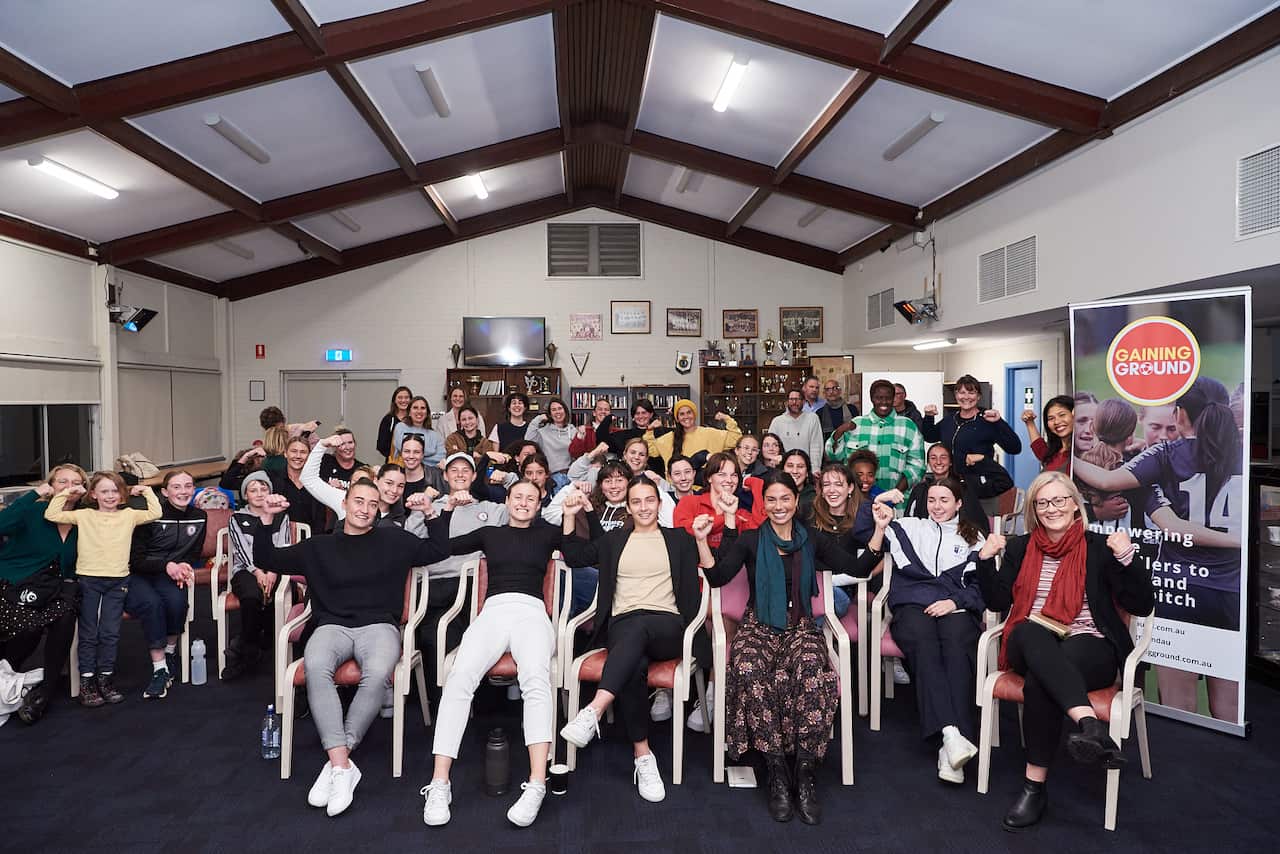
Chambers says the culture at the club has become more inclusive as a result.
"It's fantastic to see at the start of our games on a Sunday when the ball girls walk out with our first team, there's that relationship already there. They're already excited. They know players by names. And they stay around to cheer the girls on. It's building a really nice culture at the club."
Workshop facilitator Jarrah Smith-Taylor - a player in the U23 National Premier League of WA - has reached 150 players through the program over the past two years.
She says it's a balm for her to offer what she wished was available when she was younger.
"I went through self-doubt and experienced a lack of support. It's rewarding to be able to give back."
'Women's sport is here to stay'
Efforts to accelerate inclusion have been welcomed by a national network promoting female representation on women's football association boards and in coaching roles.
Kerry Harris is chairperson of Women Onside, a group that has had some success with an inclusion quota on the boards of clubs and associations. The 40:40:20 quota refers to the ratio for men, women and others.
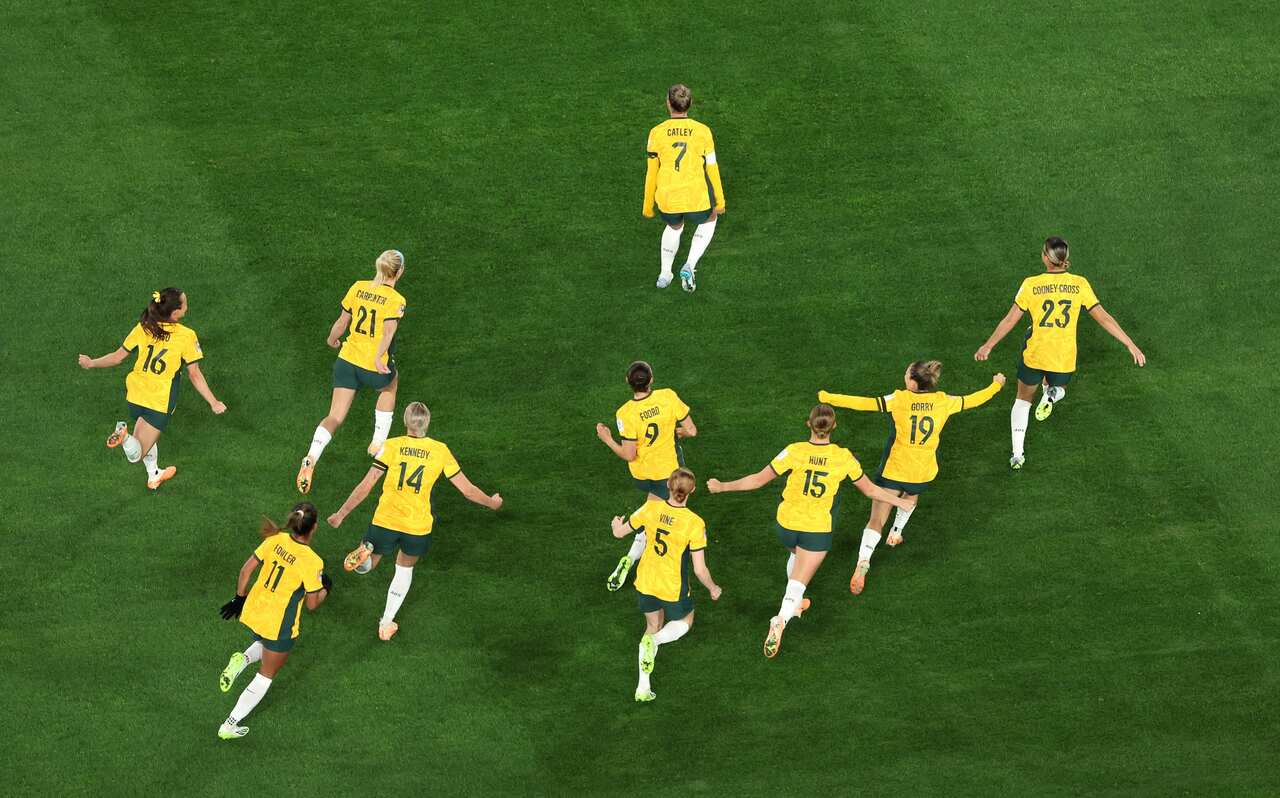
She says the measure has achieved the result of 40 per cent of women on the boards of the clubs and associations in the last five years.
"But only 17 per cent of our coaching leadership positions in women's football are held by women," she said. "We still have a long way to go."
She said the multiple records broken at this Women's World Cup on ticket sales and television audiences show the commercial appetite is there to grow the game.
"I think what this tournament has highlighted is that you can commercialise women's sport - and women's sport is here to stay.
"The world is embracing women's football, and seeing it for what it is: a professional and commercial opportunity for women and girls to participate in. But it's also an opportunity for the football community to participate at any level that they choose."
'Game-changing factor'
Fiona Crawford has covered the rise of women's football in Australia over the last century in her book The Matilda Effect.
She says development of the women's game in Australia was hindered by the impact of a 49-year ban imposed by the Football Association in the UK, which effectively prevented women's football games being played on grounds used by male teams.
The policy was in place from 1921 to 1970, with the association citing opinions on football's unsuitability for females.
Those same views were held in Australia, delaying investment in the women's game and in the Matildas until their 2019 equal pay achievement.
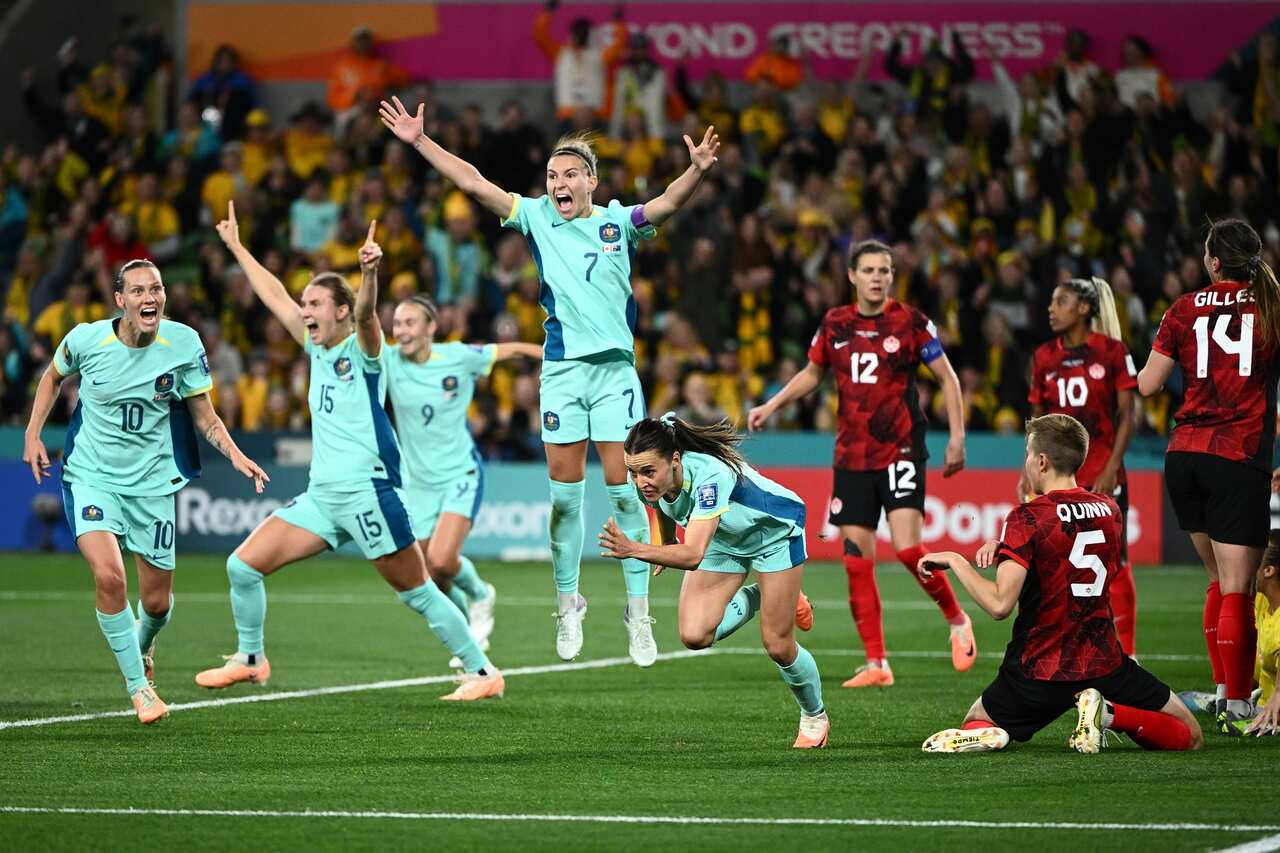
"In some ways, I think it was more insidious [in Australia] because we didn't have an outright ban, but it was the attitudes that informed that," Crawford said. "That's actually much harder to work with."
She said she hopes steps are taken to address the damage from those lost decades when many girls would have peeled away from the sport.
"In terms of legacy, there's a lot of talk about changerooms, and the physical structures are definitely important," she said.
"But for me, it's about the attitudinal change. I definitely want to see a real normalisation of girls and women playing and participating in football at all levels from the grassroots.

"But also I want to see more women in really senior positions and decision-making positions because right now there's only small pockets of them. I want to see a lot more women in that space. That's going to be the really game-changing factor."
Football Australia has laid out its Legacy '23 plan, including a goal to achieve gender parity in community football participation by 2027. That will mean welcoming 43,393 new players to the game over the next five years.
There's also a commitment to make 60 per cent of changeroom facilities female-friendly. Currently, the level is at 41 per cent for the national average, dipping to 26 per cent in Tasmania and Western Australia.







