IN BRIEF
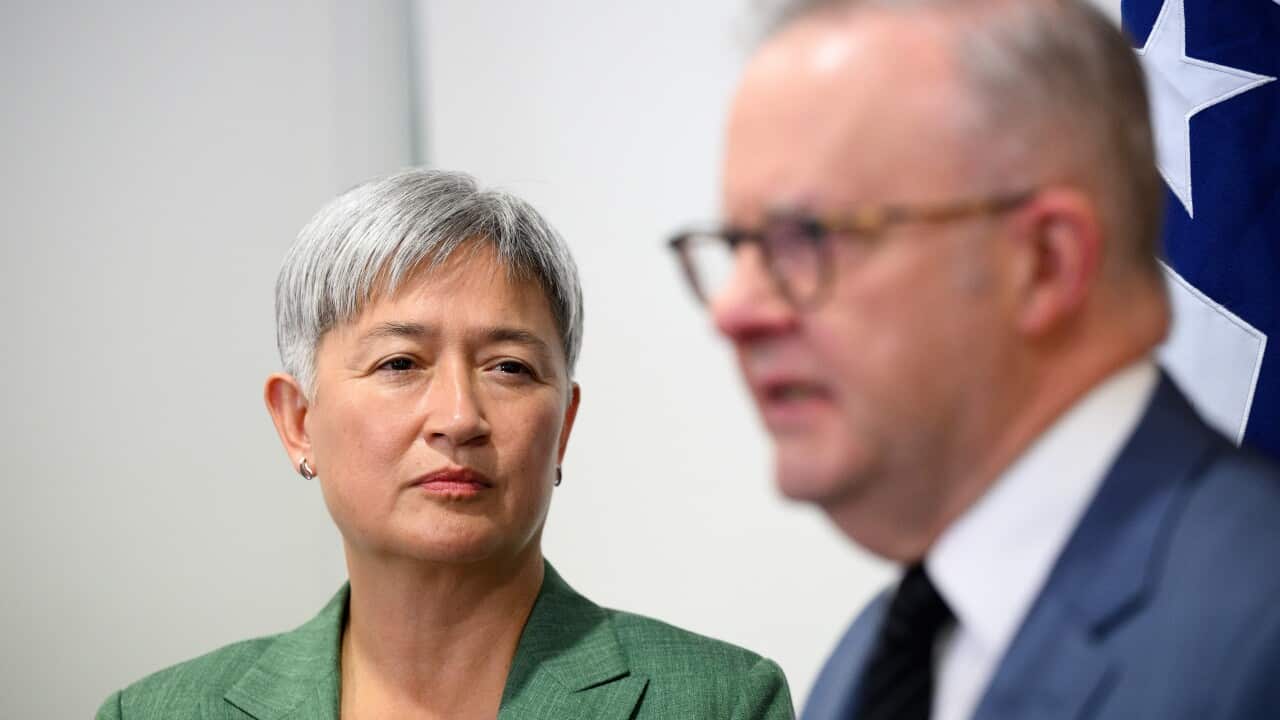
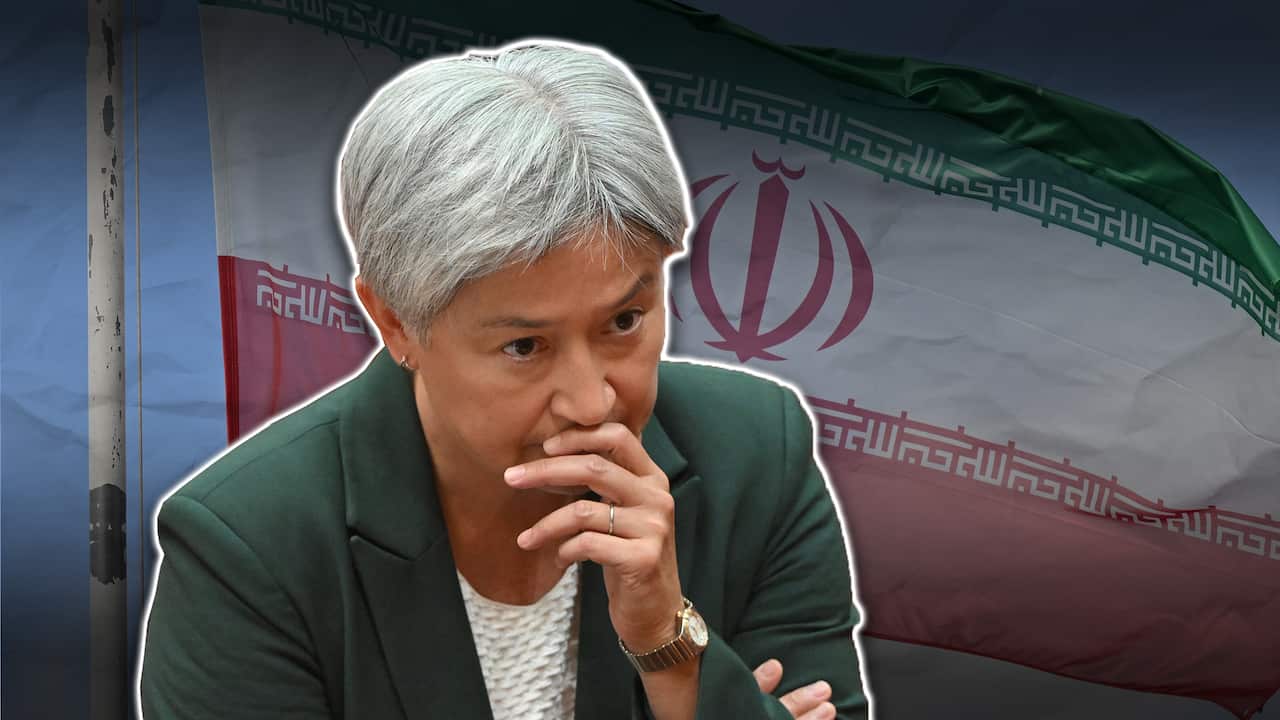
- Penny Wong has held urgent talks with global counterparts as Middle East tensions continue to threaten fuel and supply chains.
- Anthony Albanese has warned that Australians will feel the 'long tail' of war.
Foreign Minister Penny Wong has engaged in a rapid series of high-level diplomatic talks, as Australia intensifies its response to the escalating Middle East conflict and its global economic fallout.
The talks follow Prime Minister Anthony Albanese announcing that he will be convening National Cabinet again within days, warning that Australians could be set to feel the "long tail" of war.
"No country is immune from this conflict … It is having a massive impact on the global economy," Albanese told ABC's 7.30 on Monday night.
"This will have a long tail, this impact."
News that makes sense
Your trusted source for staying up-to-date with the world around you. Get free daily news updates and analysis, straight to your inbox.
Wong spoke separately on Monday night with the foreign ministers of Pakistan and Lebanon, following earlier discussions with counterparts from Fiji and the Netherlands.
Pakistan, Lebanon talks
The discussions centred on the conflict in the Middle East, ongoing negotiations between the US and Iran, the ceasefire between Israel and Lebanon, and the implications of the Strait of Hormuz closure on global fuel supplies.
In her discussion with Pakistan’s foreign minister Ishaq Dar, Wong acknowledged his country's role in facilitating early negotiations between the US and Iran.
"I thanked Pakistan’s foreign minister for his country’s role in facilitating negotiations between the US and Iran, and its efforts to build a regional consensus on what a long-term peace deal could look like," she said in a statement.
"We all want the negotiations to be successful, for an end to the conflict and for the Strait of Hormuz to reopen so ships can pass safely and critical supplies can get where they’re needed."
Talks with Lebanon’s foreign minister Youssef Rajji were about maintaining the fragile ceasefire with Israel, as well as discussions about broader regional stability.
"I told Lebanon’s foreign minister that Australia welcomed the US-brokered ceasefire agreed by Israel and Lebanon and that we continue to call on all parties to adhere to it," Wong said.
"We want a negotiated end to the conflict, Lebanon’s sovereignty respected, and Hizballah disarmed."
Fuel disruptions and risk to global supply chains
Wong also raised concerns about fuel disruptions with Fiji’s foreign minister Sakiasi Ditoka and signalled closer cooperation with Pacific partners.
In separate discussions with Dutch foreign minister Tom Berendsen, Wong highlighted risks to global supply chains, particularly given the Netherlands’ role as a major fuel hub through the Port of Rotterdam.
"Even with the ceasefire, we know global supply pressures will continue for some time to come," Wong said.
"That’s why the Albanese Government is working with regional partners to secure petrol, diesel and fertiliser supplies so that we can shield Australia from the worst impacts of the conflict."
Albanese to reconvene National Cabinet
Her diplomatic push comes as the government moves to coordinate its domestic response, with Albanese set to reconvene National Cabinet in the coming days.
Albanese told 7.30 there was a global desire to bring the conflict to an end, but urged Australians to prepare for the lengthy effects of the war.
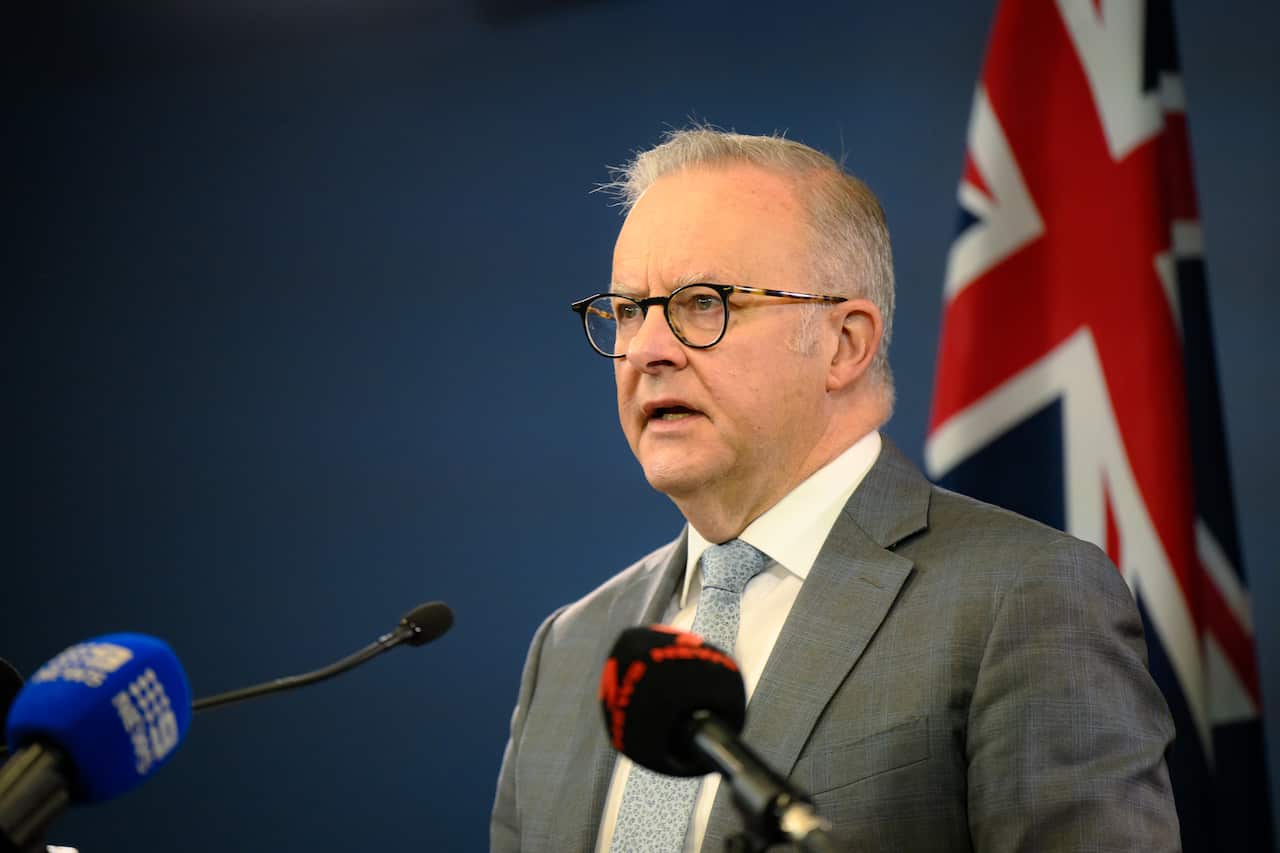
He confirmed National Cabinet would be reconvened not to change domestic settings, but to brief leaders and ensure a coordinated national response.
The economic uncertainty has been echoed by Treasurer Jim Chalmers, who described growing international frustration as markets react to renewed instability following the collapse of a short-lived ceasefire and the re-closure of the Strait of Hormuz.
"We had some very welcome progress and very welcome developments only a few days ago. But obviously we’ve seen some of that progress unwound, potentially quite significantly," Chalmers said on Monday,
"It does feel like two steps forward and one step back when it comes to these developments."
Conflict unsettles global economy
Drawing on meetings with global finance ministers in Washington, Chalmers said there was a shared concern about the protracted nature of the conflict.
"If there’s one prevailing vibe that comes from international colleagues, it’s really, I think, a sense of frustration about how long this war in the Middle East has been playing out and what that means for the global economy and for everyone’s domestic economies as well."
The developments come amid heightened tensions between the US and Iran, with both sides accusing each other of breaching a fragile ceasefire, further complicating diplomatic efforts and adding to global uncertainty.
For the latest from SBS News, download our app and subscribe to our newsletter.







