This audio is voiced by AI and may occasionally mispronounce words.
Share your feedback and help us improve this feature. Read more about how we use AI at SBS here.
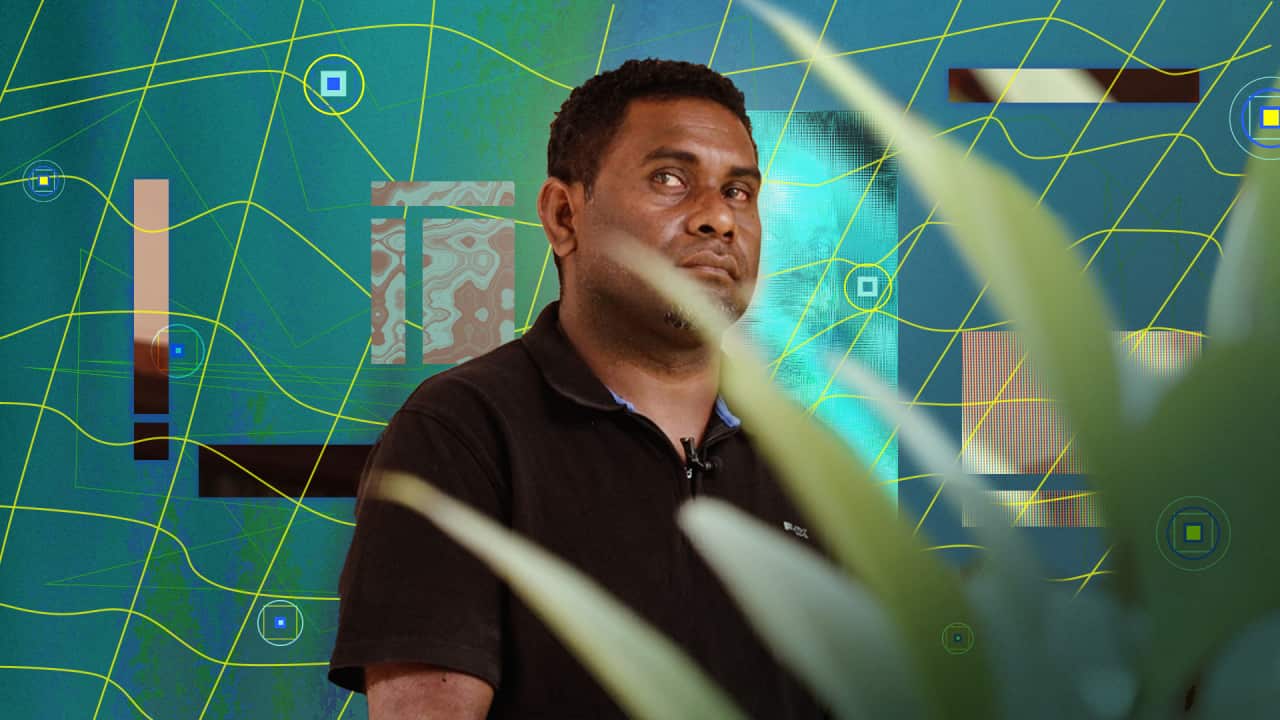
Former fisheries observer Jude Piruku loves the expansive feeling of staring out at the limitless blue of the Pacific Ocean.
For 10 years, he was stationed aboard commercial fishing vessels, weathering salty air and harsh conditions to capture scientific data, monitor catch and ensure compliance with licensing agreements.
"You've got a lot of time on your hands to think, and imagine, and look at the endless horizon," Piruku tells SBS News.
"You get to travel a lot, see different places, meet different people.
"Regardless of being an observer, once you step on board the vessel, you're a fisherman … because all the risk that is exposed to a fisherman is also exposed to you."
News that makes sense
Your trusted source for staying up-to-date with the world around you. Get free daily news updates and analysis, straight to your inbox.
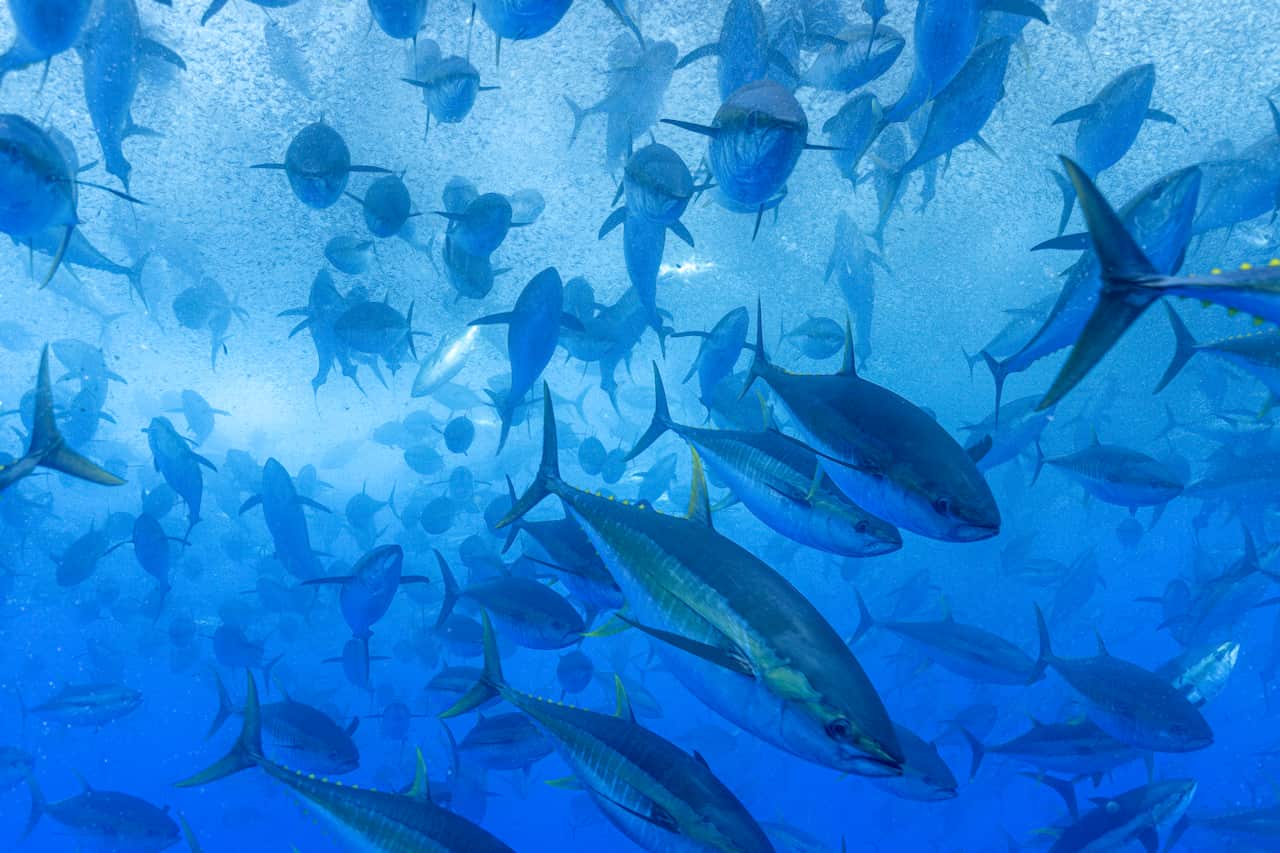
In the Pacific, purse seine vessels — which use a large net to trap schools of fish species, such as skipjack and yellowfin tuna — dominate the commercial fishing industry. Most Pacific nations require these vessels to have 100 per cent observer coverage, while longline vessels, which deploy kilometres of baited hooks, have lower requirements and rely on other methods like electronic monitoring.
Being an observer is considered a dangerous job — logging and verifying catch volume as well as reporting breaches at sea can at times conflict with the commercial interests of the crew.
For this reason, the sense of freedom Piruku feels while on the open seas also comes with waves of vulnerability and isolation.
"Onboard a vessel, as an observer, you are the eyes and ears of a country and you're not anybody's friend. You're seen as an outsider," he says.
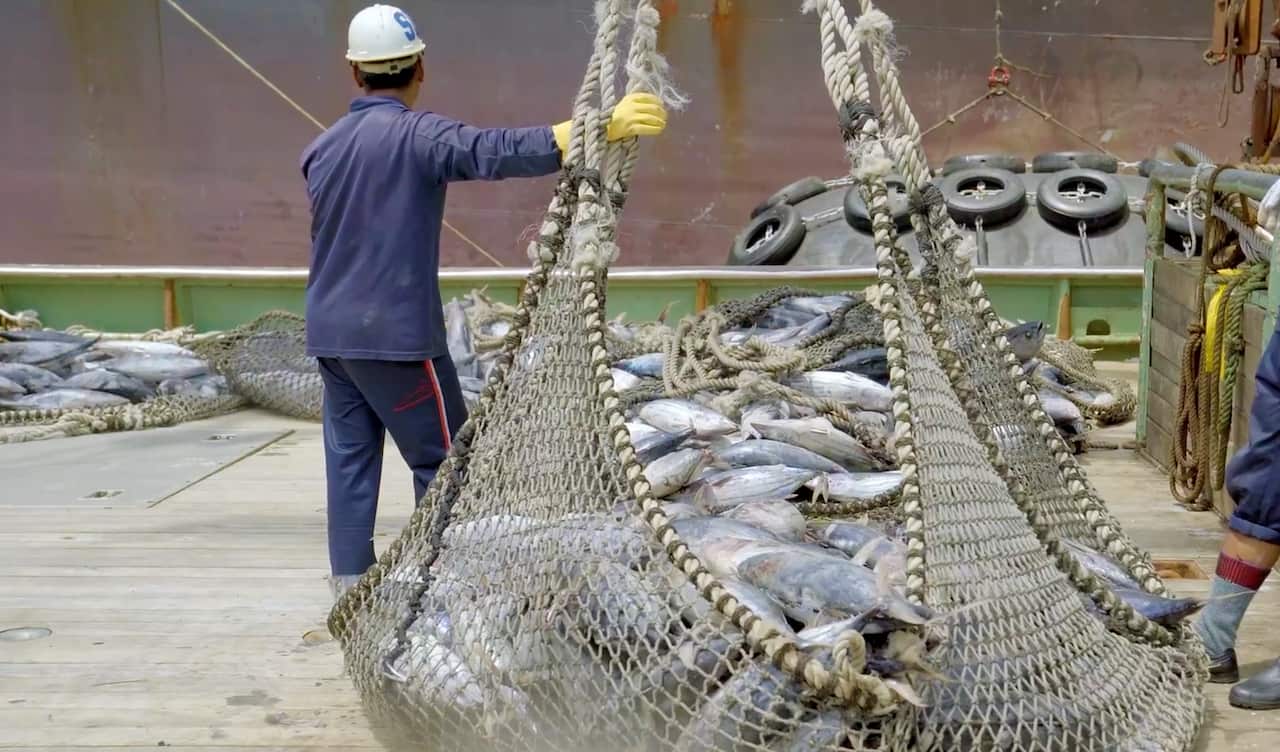
"On one of my trips on a Chinese longliner, I was obstructed from doing my job by the captain and it was reported.
"Compliance incidents that I've reported include fishing off a FAD [fish aggregating device], a purse seine vessel setting on whales associated with fish schools [and] shark finning."
A fish aggregating device (FAD) is a floating object designed to act as an artificial reef, enticing small baitfish that then attract larger, high-value fish stocks. There are strict commercial fishing regulations in the Pacific that govern FAD fishing, including closure periods and logbook reporting requirements.
Piruku has worked on both vessel types and describes the position observers hold among crew as, at times, precarious.
I had the fear of getting thrown overboard, the fear of getting murdered, the fear of the boat sinking.
"Anything can happen to you while you are at sea, so I think once you get to know the crew, after a few weeks, that fear settles down."
Piruku left his role as an observer in 2019: the long stints at sea left him wanting to spend more time with his young family. SBS News approached multiple current observers to speak about their experiences aboard commercial fishing vessels, but many were afraid to speak publicly due to fear of retribution.
This investigation uncovers what's fuelling that fear — a spate of disturbing fatalities and disappearances at sea.
At least 14 observers 'disappeared'
According to the Association for Professional Observers, since 2015, at least 14 fisheries observers have gone missing or died at sea — some under what human rights groups identify as suspicious circumstances.
One of those is the case of I-Kiribati observer, Eritara Aati Kaierua, who died aboard a Taiwanese-flagged vessel, the Win Far 636, in 2020.
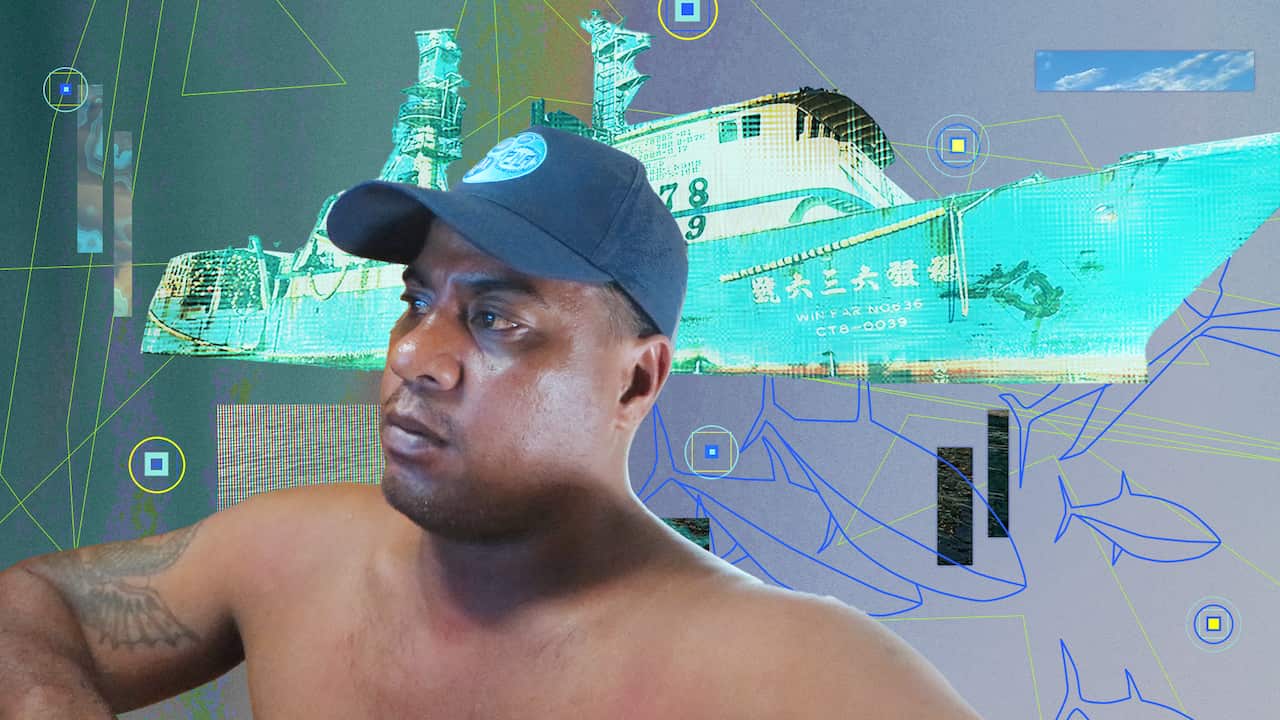
In his final email to his wife and children, he tells them: "Fish is a little scarce, or maybe this location is not fertile. We are now fishing in Papua New Guinea, and we are still here."
Just two weeks later, he was found dead in his cabin.
United Kingdom-based NGO Human Rights at Sea launched an independent case review into the investigation in 2021, which reported that Kaierua had disclosed to his sister at other stages of his career that he had felt threatened, and had been offered a bribe on a different vessel.
"The first coroner who actually saw the body had highlighted in the official and publicly available reports that Eritara died from a blunt force trauma to the head," David Hammond, former UK military seafarer, English barrister and Human Rights at Sea founder, tells SBS News.
The NGO concludes the investigation into Kaierua's death was flawed from the beginning, raising several questions, including why the original murder investigation opened by Kiribati authorities was rolled back, why the vessel was released from detention when it still constituted a crime scene, and why some evidence, such as food containers, wasn't preserved for forensic testing.
Hammond says there were subsequent instructions from Kiribati authorities and the company that owned the vessel to conduct another review.
"That second, and in fact, the third review from independent coroners, which did it remotely, did not see the body, changed the findings to death by natural causes," he says.
"Eritara was 40 at the time and ... was fit to do his work, had been signed off to do his work and was an experienced seafarer."
The natural cause attributed was hypertension — commonly known as high blood pressure.
Human Rights at Sea also obtained CCTV from the vessel, which shows Eritara's final moments.
"CCTV from the vessel, which we meticulously went through frame by frame … also highlighted masked crew carrying his body along the corridor outside his cabin," Hammond says.

Six years on, the NGO is still advocating for answers on behalf of Eritara's family.
"He had constant communication with his family, but he had raised issues of concern as to being there on his own, but also what he was seeing,” Hammond says.
"He had a logbook, and that logbook was eventually found to be incomplete with sections removed, which was one of the 26 unexplained and outstanding questions that we highlighted from our investigation and to this day still remain outstanding."
SBS News has contacted Kiribati authorities for comment, including the Ministry of Fisheries and Ocean Resources, the police, the attorney-general's office and the office of the president, but did not receive a response.
SBS News has been unable to contact the owner of Win Far 636, Kuo Hsiung Fishery Co. Ltd, to put further questions to them.
'Always a lot of risk'
It's cases like these that have made many observers wary, though some industrial changes have been made to improve safety measures. Piruku now works mostly on land as an assistant for the observer program at the Pacific Islands Forum Fisheries Agency (FFA) headquarters in Honiara, Solomon Islands.
"When I first read about [Eritara's] case in 2020, I lost hope," he says.
"For me, as an observer and then [the thought of] losing my life at sea [and] nothing has been done for me, I'd lose hope.
"But that has improved, we now have the observer compensation scheme.
"Within seven days, your family gets compensated if you lose a life. If you lose an eye or lose a limb, you get compensated."
Allan Rahari is the director of fisheries operations with the FFA, and says unreported fishing is the "biggest risk" to the Pacific region.
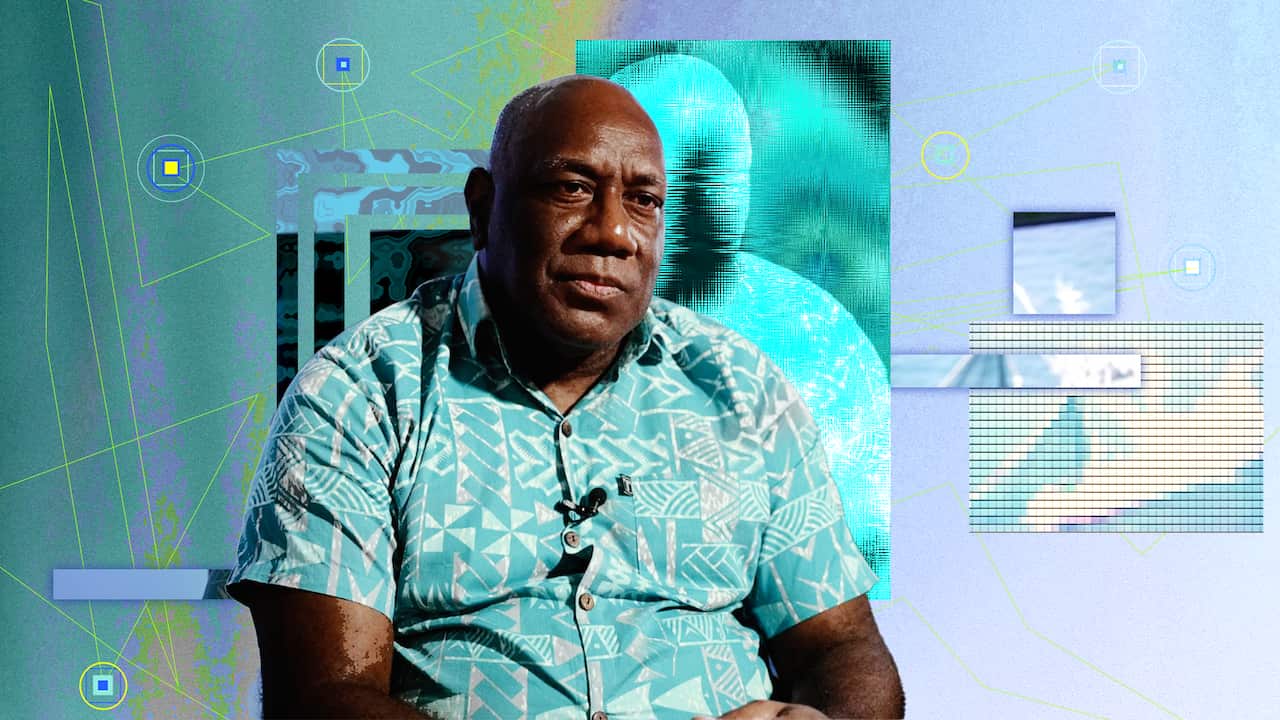
"They're catching fish, they're licensed, but they're not reporting their catch accurately. So instead of reporting say 10 tonnes, they're probably reporting nine tonnes of fish," he tells SBS News.
"On a fishing vessel, there's always a lot of risk, and so … there is a strong requirement for observers to be well looked after when they're actually out on fishing vessels conducting their work."
Rahari says security technology has been increasingly rolled out to ensure the guardians of the ocean ecosystem are also protected.
"Some of the safety tools include the personal locator beacons ... in the event that, for some reason, they fall overboard, those beacons can be activated.
"Also, they do have safety devices on them. So, when they are harassed when on fishing vessels by the crew, they can press the devices that will send out an SOS message to national fish administrations."
According to the Solomon Islands Ministry of Fisheries and Marine Resources, electronic monitoring technology tools like GPS, video cameras and sensors are increasingly being installed on commercial fishing vessels to support verification of observer reporting and adherence to the rules.
"We install the cameras on board, so they record 24-hour operations of the activities on board," Charlyn Golu, deputy director of the offshore division for the Ministry of Fisheries and Marine Resources in Solomon Islands, tells SBS News.
It's kind of reducing the illegal activities; knowing that the crews on board will be on cameras might reduce the risk of doing illegal activities as well.
The 'backbone' of the Pacific
The global tuna industry is valued at about $US40 billion ($58 billion) a year, and the Pacific fishery supplies more than 50 per cent of this market.
"The tuna fisheries in the region [are] a backbone to a lot of our Pacific Island countries," Rahari says.
"In fact, for some of our Pacific Island countries, tuna revenue is the only economic return for them to support schools and hospitals and so forth."
According to the 2026 United Nations State of World Fisheries and Aquaculture report, fishery stocks in the Western Central Pacific are hovering on the edge of biological sustainability, at 55.1 per cent. These waters surround countries that comprise Melanesia and Micronesia.
Species groups presented in the data include highly migratory tunas, billfish and sharks, as well as Atlantic and Pacific salmon. The World Food and Agriculture Organization also cautions that there is a risk of discrepancies in the data collected across regions due to contributors' poor reporting rates.
While fisheries observers play a vital role in protecting ocean sustainability, they are not a silver bullet for curtailing criminal operators.The Forum Fisheries Agency coordinates multiple operations annually, targeting illegal, unreported, and unregulated fishing. In May, Operation Tui Moana — translating in some Polynesian languages to 'King of the Sea' — brought together fisheries, maritime and law enforcement personnel from 10 countries bordering or with territories in the Pacific, including Australia, New Zealand, France and the United States.
SBS News was invited to participate in the operation: to observe how information is gathered and then provided to island nations about activity in their Exclusive Economic Zones — areas of the Pacific in which marine resources are managed by sovereign entities. The operation, run out of Solomon Islands' capital, Honiara, also monitored the high seas.
Commander Khan Beaumont, a surveillance operations officer with the FFA, tells SBS News some countries are subject to catch limits, while others will pay a licence fee for unrestricted fishing.
"One member state, you pay a set licence fee, and you can catch as much fish as you want," he says.
"The tuna fishery alone is worth $US1.5 billion to our membership, and of course, the fishery of that value obviously attracts nefarious actors. Approximately $US300 million disappears in illegal activity each year."
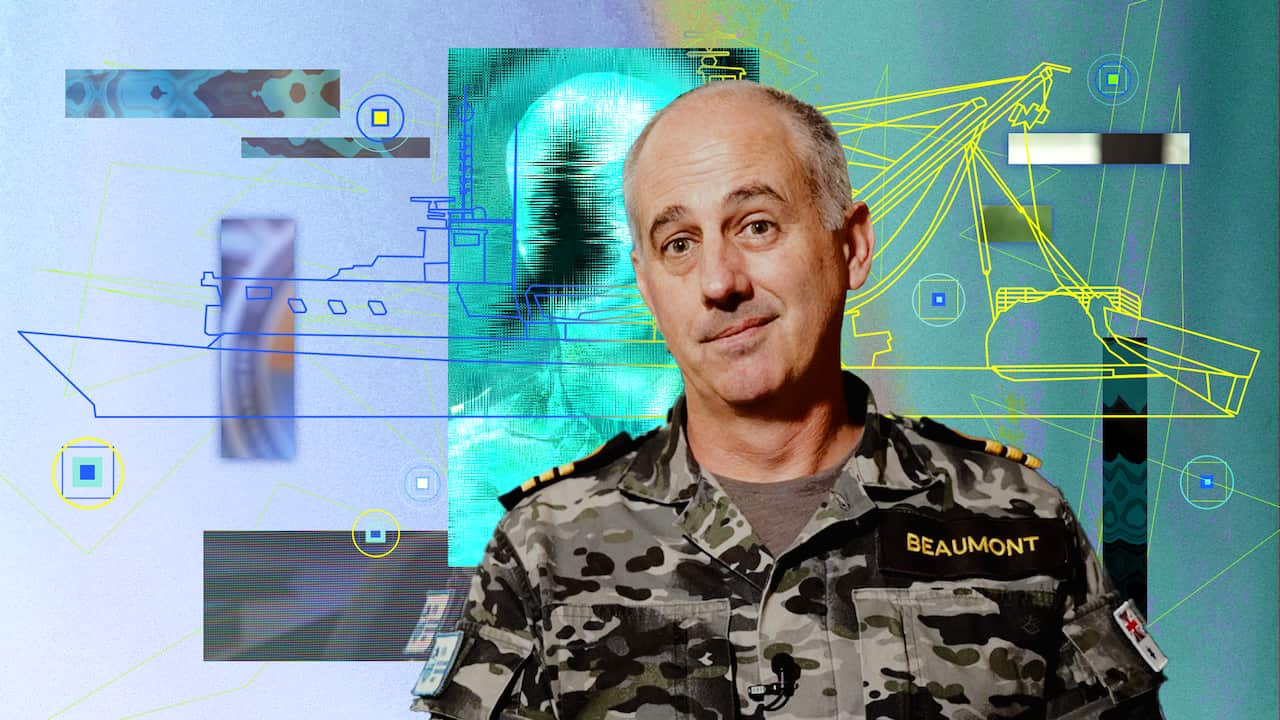
Beaumont says there are many bypass tactics to be aware of, including 'flag hopping', an illegal maritime tactic in which a commercial fishing vessel routinely re-registers under different countries' flags to evade regulations or obscure ownership.
"Quite often you'll see vessels will jump flags to flags that have weak enforcement of national law because it's only the flag state of the vessel that can ultimately hold that vessel to account," Beaumont says.
"What we try and look for is vessels that are operating outside the normal fishing patterns who are trying to disguise who they are.
"There's also activities where it happens with the registered fleet whereby they misreport their catch ... And we also pay very particular attention to transshipments on the high seas."
Transshipment in this context involves transferring fish from one boat to another — allowing vessels to remain in fishing grounds without needing to return to port. While it is often legal, this method is frequently associated with 'fish laundering' because overfishing can be more easily hidden far from oversight.
Satellite monitoring is another tool used to help identify illegal operators. SBS News visited the fisheries forum observation centre in Honiara, which is decked out with technology to track vessels at sea. Squadron leader Ashley Wilson, the Royal New Zealand Air Force's Forum Fisheries Agency planning and liaison officer, describes it as the "nerve centre".
"The Pacific Ocean is massive, 30.5 million square kilometres. So, without space-based technology, it would be like trying to find a needle in haystack," Wilson tells SBS News.
"Fishers may fish within an economic exclusion zone, within a country's boundaries, and then we see them migrate out to these high seas pocket areas to transship their catch and that becomes an indicator to us of uneconomic behaviour.
"They don't sit within an exclusion zone of any particular country and governance in those areas is weaker and that's where the unauthorised, unregulated catch is lost."
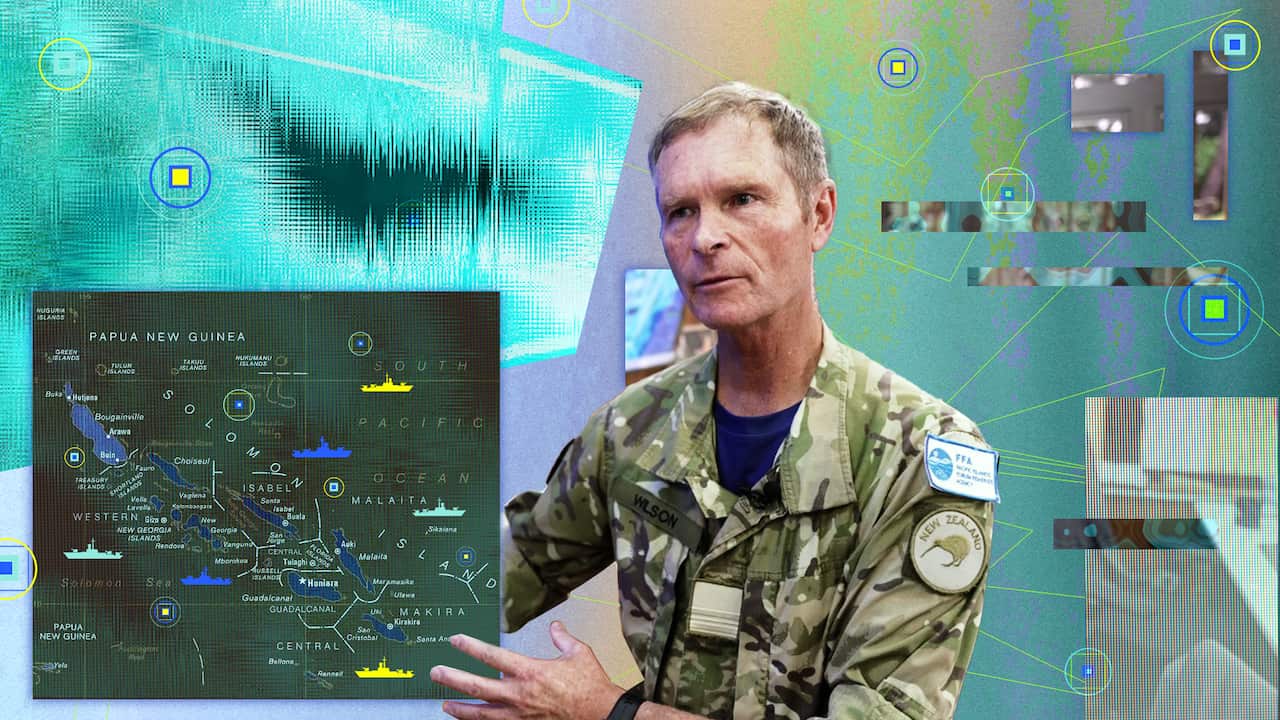
To be licensed to fish in the Pacific, commercial fishing vessels are required to continuously run a satellite-based tracking transmitter to ensure they can be located.
"The satellite surveillance then allows us to see who's not transmitting," Wilson explains.
"What vessels can we see out on the water that are dark effectively. So those are the ones that we really focus on."
Patterns in illegal fishing
During Operation Tui Moana, patrol boats and aircraft were also deployed to collect and send real-time data.
Steve Masika, an aerial surveillance planning officer for the FFA, sees air surveillance as a "force multiplier".
"There are specific areas in the Pacific ... where more illegal fishing is happening and that is bordering with Indonesia, Philippines and that area and some boats, no markings at all," he told SBS News.
They're flying no flags, no call sign, nothing at all ... We could really say that it's a stateless boat.
Reflecting on compliance breaches he's seen, Masika exhales heavily.
"That's a big one — compliance issues with markings on boats, names not written properly, licence numbers not displayed, not flying flags," he says.
"Sometimes we see bycatch. Say, for example, we're flying over a boat, have a shot on the deck, and we see shark fins drying on the deck. It could be a perfectly legal thing that they're doing, but there are rules around harvesting of sharks."

To assist Operation Tui Moana, Australian Defence Force personnel were also stationed in the Cook Islands and Tonga, providing patrol boats and Spartan aircraft.
"It's about building those relationships with our partner nations in the Pacific," Flight Lieutenant Bryce Geoghegan says.
"And just ensuring that we can assist with stability and providing that extra reach.
"It seems to be working as great deterrence."
Operation Tui Moana concluded at the end of May, successfully identifying four vessels of interest, resulting in two apprehensions linked to suspected fisheries-related offences.
Exploitation risks remain
According to a 2023 report by the Department of Agriculture, Fisheries and Forestry, an estimated 62 per cent of Australia's edible seafood is imported, the vast majority coming from Asia and New Zealand.
Hammond wants consumers to think about supply chains.
"When we see fish being sold and seafood being sold in supermarkets, you see the likes of accreditation ticks for sustainability," Hammond says.
"But those ticks and those marks, which we as consumers would take as an assurance by default that there's been no abuse within the supply of that seafood, cannot be assured, and there is a yawning gap globally for this."
In Kiribati, Eritara Aati Kaierua's family, including his wife and four children, are still waiting for closure, wishing he could come home.
The small island nation controls one of the world's largest Exclusive Economic Zones, and the fisheries industry comprises more than half of the country's Gross Domestic Product.
According to the 2025 Organised Crime Index, this reliance on its fishery makes the country vulnerable to crimes associated with illegal, unreported and unregulated fishing. Hammond says the risks posed to the fisheries workforce should be examined more carefully.
"The world is entitled to fundamental human and labour rights," Hammond says.
"There should be no difference when they are working at sea and therefore that comes to the issue of accountability and transparency.
"The biggest issue that we come up against is a lack of enforcement ... without enforcement, we have no deterrent effect, and without deterrent effect, we get into a cycle of impunity."
This story was supported by the Pulitzer Center.
For the latest from SBS News, download our app and subscribe to our newsletter.







