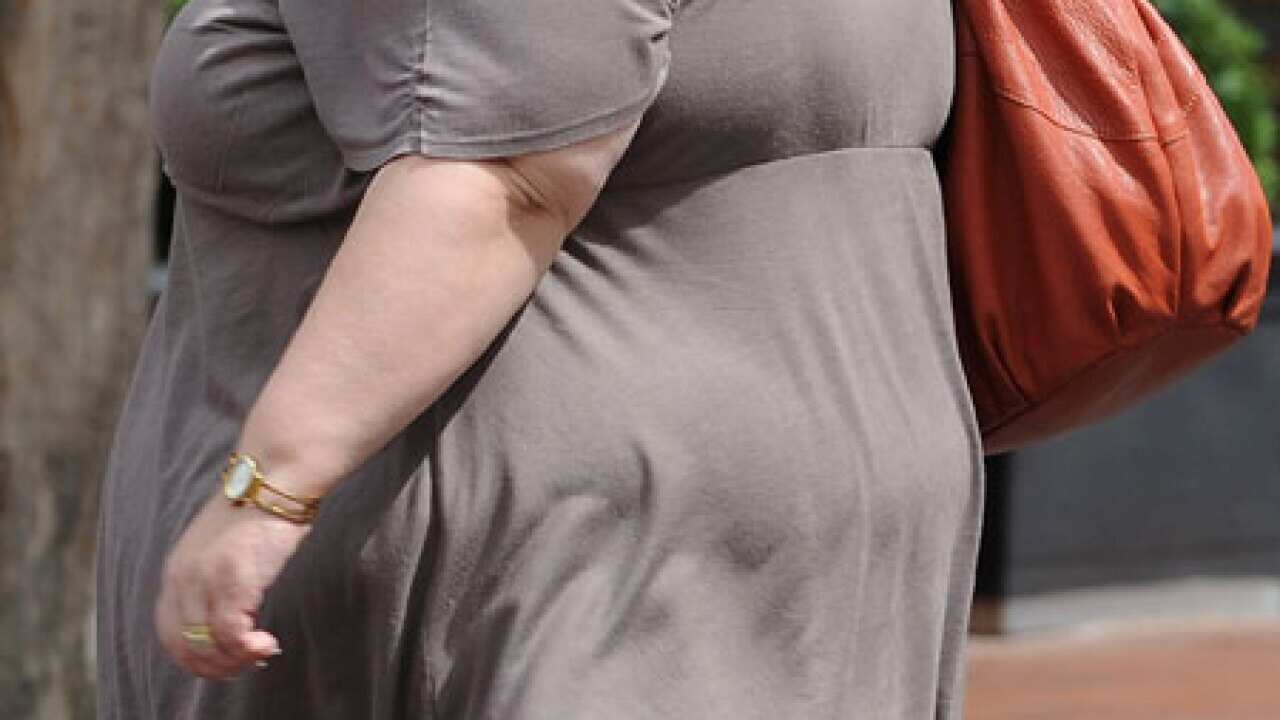
There are warnings a public health crisis is looming as worldwide obesity rates soar.
The problem has exploded over the past four decades with health experts estimating one and a half billion people are considered overweight.
The United Nations will discuss the issue next month, amid calls for governments to do more.
In Australia, sixty percent of adults are considered overwight or obese. In children, it's one in four.
According to Dr Gary Sacks from Deakin University's World Health Organisation Collaborating Centre for Obesity Prevention, obesity is rising in almost every country around the world.
"It's at such high levels it's really a public health crisis", he says.
Worldwide, one and a half billion adults are overwight. Half a billion are obese. Meanwhile 170 million children are also piling on the kilos.
When it comes to obesity among women, the figures are one in twenty in Japan, one in four in Australia, but seven out of 10 in Tonga.
There are a number of reasons for the epidemic. In the modern world, including sedentary lifestyles and increasing consumption of highly processed foods with hidden sugars and salts.
Those from lower socio-economic backgrounds tend to suffer more, with some developing countries now also feeling the brunt.
"[In] countries like Brazil and China...the middle class and the poor are becoming obese", Dr Sacks says.
As well as the associated health problems, obesity is costing governments billions.
Research has found that nowhere in the world has the obesity epidemic been reversed by public health campaigns that merely promote better eating or exercise. It concludes that more direct government intervention, investment and regulation is needed to tackle the problem.
Food labelling and taxing unhealthy foods are among the possible measures.
"In terms of road safety there are laws telling us you need to wear a seatbelt and for smoking there are laws telling us you can't smoke indoors or at restaurants, but for obesity there aren't any laws", Dr Sacks says.
The obesity epidemic will be raised at a United Nations meeting in New York next month.
Share


