
"Dark clouds are gathering over Europe because of immigration," Orban told an audience of supporters during an annual state-of-the-nation speech in Budapest.
"Nations will cease to exist, the West will fall, while Europe won't even realise that it has been invaded," he said, claiming that large European cities could soon have Muslim majority populations.
"The opposition doesn't feel the voice of the times," he said.
Since 2015 the 54-year-old has become known for his tough anti-immigration measures including building razor-wire border fences, and his criticism of EU policies in this and other areas.
News that makes sense
Your trusted source for staying up-to-date with the world around you. Get free daily news updates and analysis, straight to your inbox.
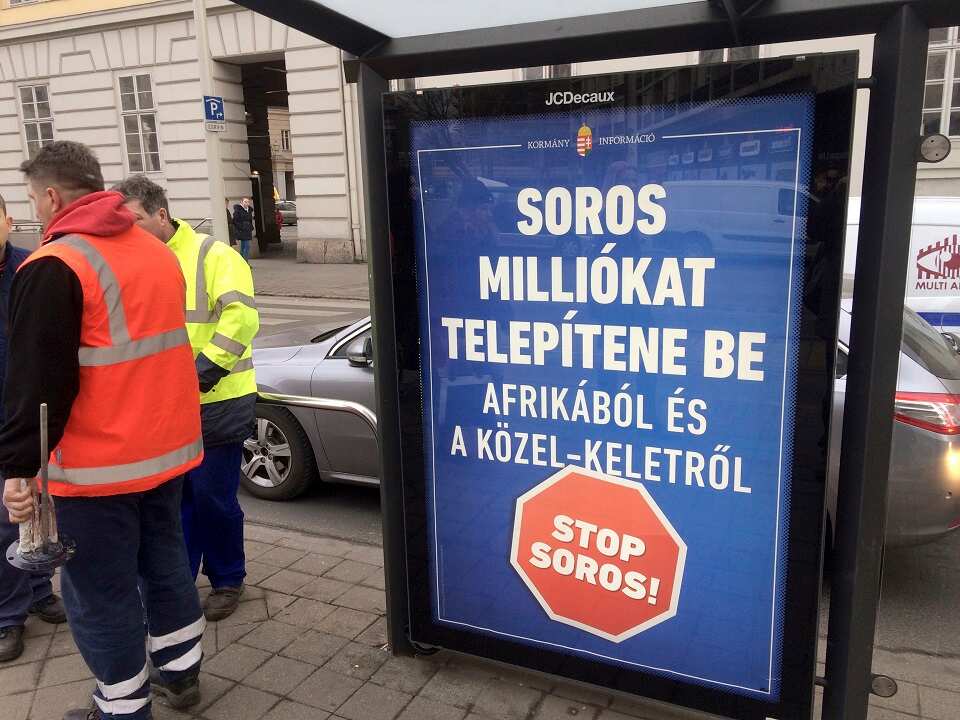
He has also sparked a bitter feud with the Hungarian-born US billionaire George Soros, whom he accuses of orchestrating immigration from the Middle East and Africa.
Orban said Sunday that Hungarian opposition parties had not supported the border fences, had opposed the government in its ongoing quarrels with the EU over refugee quotas, and taken the side of Soros.
"This is why the opposition are in a hopeless position... I don't understand how they can ask for people's trust," he said, flanked by a row of Hungarian flags, with the slogan on his podium reading: "For Us, Hungary First."
Veering towards authoritarianism?
Orban's hardline immigration stance has bolstered his popularity at home despite accusations by critics that his nationalist policies have steered Hungary away from democracy and towards authoritarianism.
His supporters say that he is reforming Hungary after decades of stagnation, particularly during the country's communist period that followed World War II.
The strongest opposition party - the radical rightwing Jobbik - is currently polling under 20 percent of decided voters among Hungary's eight-million-strong electorate.
Orban's ruling Fidesz party is polling around 50 percent although an unfolding corruption scandal involving the premier's son-in-law, and a row over an alleged government cover-up of refugee intake numbers have provided unexpected bumps for the government in recent weeks.
The size of Fidesz's likely majority is seen by analysts as the main factor to watch, with a drop from the two thirds majority won four years ago potentially loosening Orban's tight grip on power.
Election rules introduced since 2012 also punish smaller parties if they are unable to form effective alliances as has happened with several leftist and liberal groups.







