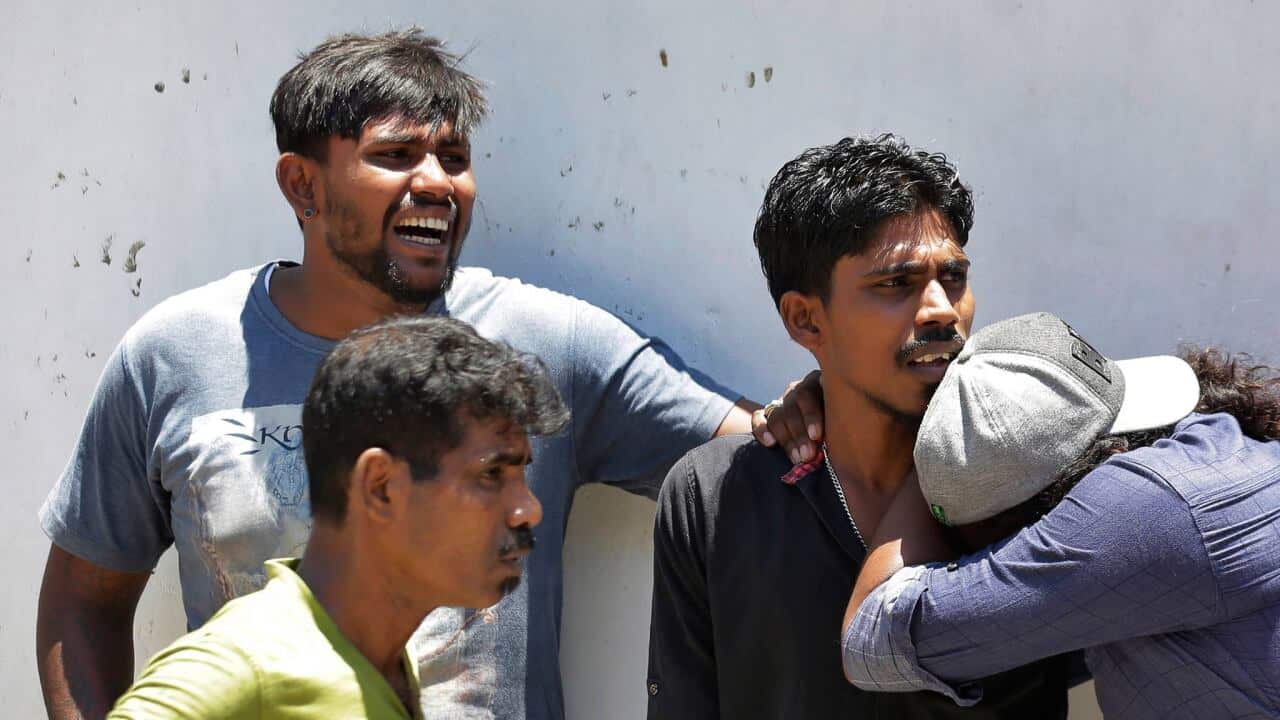
Here is some context to help you understand the latest events in the small island nation. Sri Lanka is known for its tremendous natural beauty, which attracted more than two million tourists in 2018. But its people have long borne a burden of violence. How the latest attack fits into history of conflict, if it does at all, was not immediately clear.
The country gained independence from British rule in 1948 as the dominion of Ceylon, and became the Republic of Sri Lanka in 1972.
But much of its history has been marred by sectarian tensions. And more recently, it has been caught up in much larger regional rivalries between China and India.
Population and Ethnic Groups
About 22 million people live in Sri Lanka, in communities that are often diverse and mixed. More than 70 per cent of the population is Buddhist.
News that makes sense
Your trusted source for staying up-to-date with the world around you. Get free daily news updates and analysis, straight to your inbox.
Smaller ethnic and religious groups include Hindus, at over 12 per cent, Muslims at under 10 per cent, and Catholics at about six per cent. At least three churches were targeted by Sunday’s bombings.
Despite their clear majority, Sinhalese Buddhist nationalists have recently been stoking fears that the minority groups, particularly the Muslims, are increasing in numbers and influence.
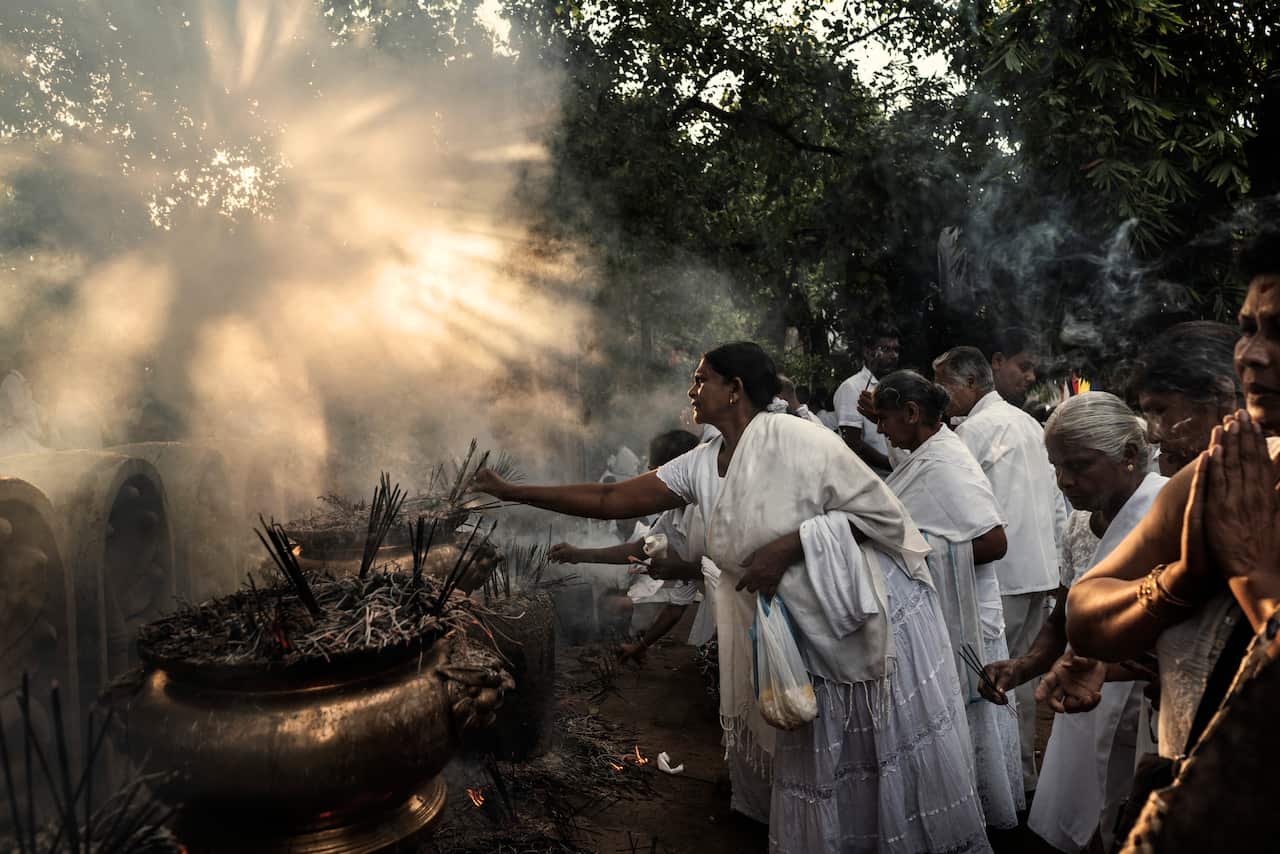
The Tamil Tigers
A long history of disenfranchisement among minority Tamil groups, who are largely Hindu, at the hands of the Sinhalese Buddhists led to a civil war in the 1980s.
The Tamil Tigers, an armed insurgent group that identified itself as secular, launched deadly attacks, including some of the earliest use of suicide bombings as a tactic of insurgency. In response, the Sri Lankan army carried out brutal campaigns, largely focused on the Tamil stronghold in the northeast.
The civil war ended in 2009 after a large-scale operation by the army that defeated the Tamil Tigers and killed its leader.
There is no exact casualty toll, but the United Nations has suggested that as many as 40,000 civilians were killed in the last stage of the war alone.
After the War, Lingering Scars
Many of the grievances around systematic prejudice that led to the civil war remain unaddressed.
Tamil families are still looking for thousands of people who disappeared during the war, and trying to reclaim land still held by the military. Health services are trying to address the overwhelming trauma left by those decades of violence.
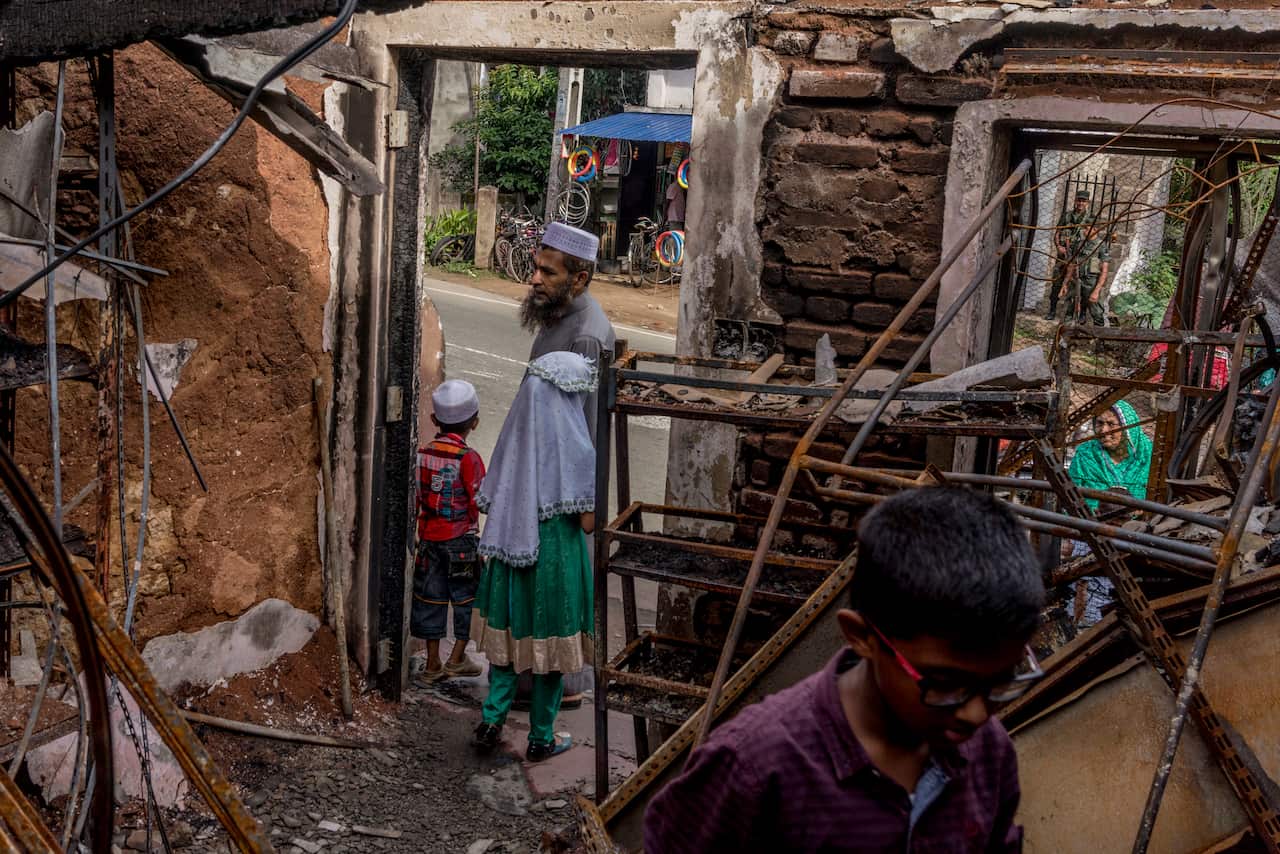
With the rise of Sinhalese Buddhist nationalism, sectarian divides have continued to grow — and the country has experienced new waves of violence. A rise in intolerance has been attributed in part to the postwar triumphalism of some Sinhalese majority politicians.
Last year, officials declared a state of emergency in the central district of Kandy after Buddhist mobs attacked businesses and homes belonging to minority Muslims.
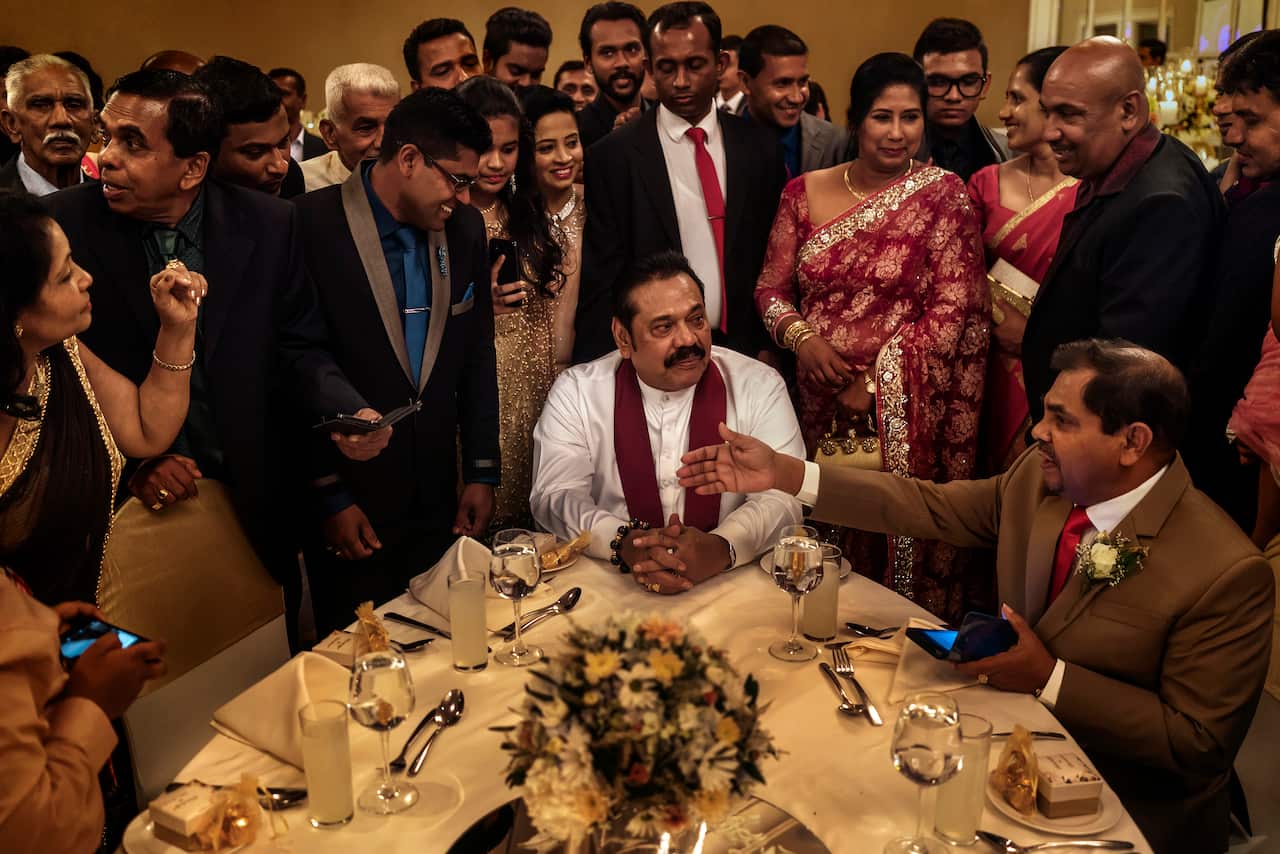
Fighting at the Very Top
The country has also faced political tensions at the top.
An attempt to topple the prime minister last year resulted in a protracted constitutional crisis that threatened to break into violence. For a brief period, the country had two declared prime ministers at the same time.
President Maithripala Sirisena fired the prime minister, Ranil Wickremesinghe, last October. In his stead, he appointed the former president and strongman Mahinda Rajapaksa.
When it became clear that Rajapaksa did not have enough votes in Parliament to make him prime minister, Sirisena dissolved the body.
The two-month crisis brought the country to a standstill. Clashes alternated between the streets, where thousands of supporters from each side marched, and the Parliament, where lawmakers broke into fistfights and even hurled chile powder at one another.
Rajapaksa finally backed down and Wickremesinghe remained prime minister.

Dateline is an award-winning Australian, international documentary series airing for over 40 years. Each week Dateline scours the globe to bring you a world of daring stories. Read more about Dateline

Have a story or comment? Contact Us







