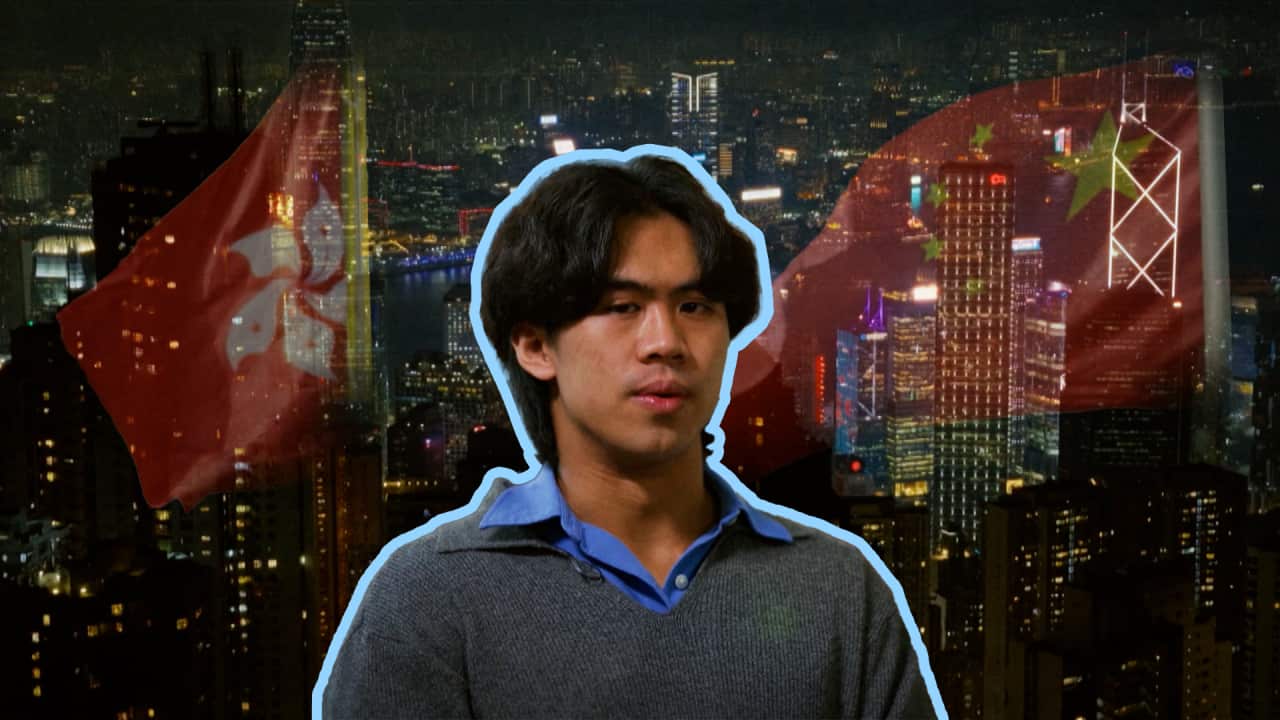
Watch Dateline’s latest episode, Hong Kong: A City Silenced, on 25 August at 9.30pm AEST on SBS or SBS On Demand.
At 21, Sam Chan Chi-sum was preparing to leave Hong Kong to continue his studies overseas.
Instead, he went to prison for nearly two years.
He'd been involved with a student activist group that collected sweets and toiletries to send to people jailed after Hong Kong’s 2019 anti-government protests.
Authorities accused the group of using the supplies to build support among prisoners and incite opposition to the government.
News that makes sense
Your trusted source for staying up-to-date with the world around you. Get free daily news updates and analysis, straight to your inbox.
In September 2021, Sam was arrested under Hong Kong’s sweeping National Security Law, which had been passed a year earlier, and was convicted of "subversion with the intent of overthrowing the government".
"Prison was awful. I shared a cell with around twenty people. At its most crowded, there could be forty of us," he said.
"The pillows stank and the blankets were infested with cockroaches."
He alleged some prison officers purposely mistreated inmates associated with the protest movement.
"I don't know whether they were acting out of personal conviction or following orders. But they certainly made life difficult for us."
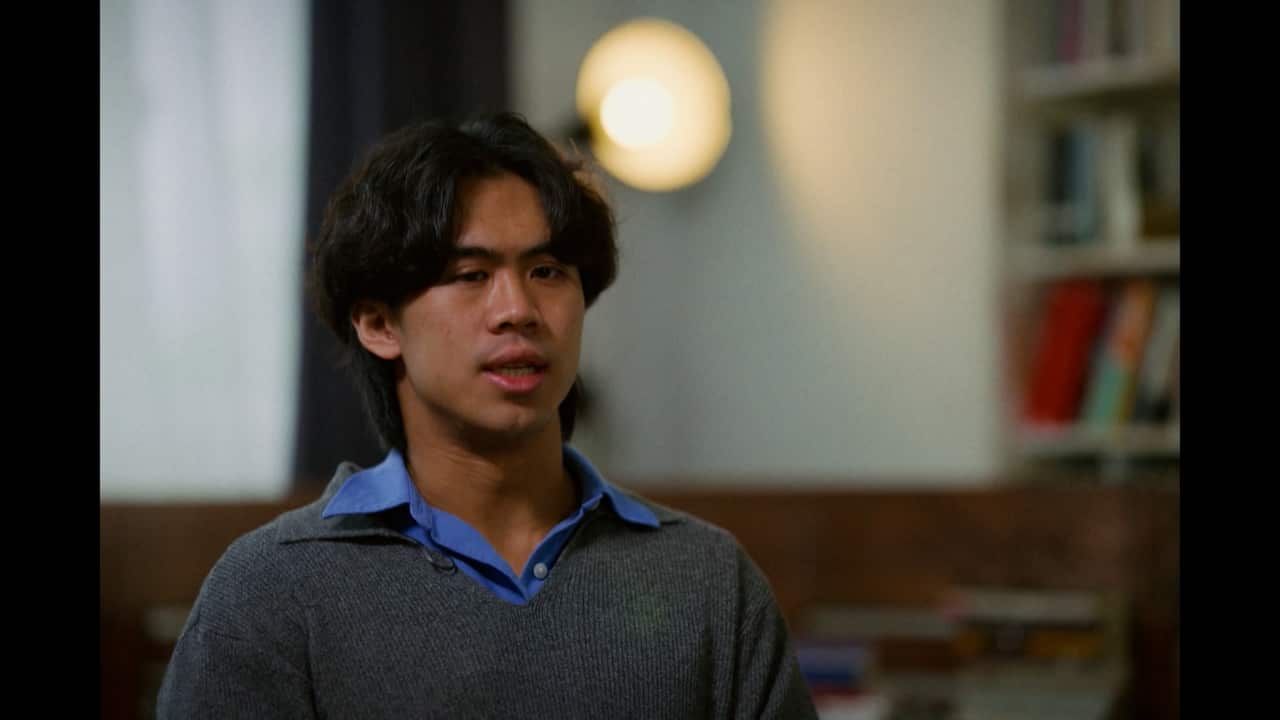
Two years after his release from prison, Sam is trying to rebuild a normal life.
He had dreamt of becoming a teacher or a nurse, but his criminal record prevents him from pursuing either career.
"Since being released from prison, I feel as though I've entered a much larger cell," he said.
Instead, he is training to become a documentary filmmaker, determined, he says, to capture the transformation of Hong Kong.
"Whatever the outcome for Hong Kong, whether the future is good or bad, I want to stay here and witness the changes that lie ahead."
Sam’s story is like many other young Hongkongers whose lives have been upended by China’s crackdown on freedoms in Hong Kong, a city once known for its outspoken press, independent judiciary and political opposition.
A generation of Hongkongers
In 1997, after more than 150 years of British rule, Hong Kong was handed back to China under the "one country, two systems" arrangement that promised Hong Kong would keep a high degree of autonomy.
Like Sam, Carmen Lau was from a generation that came of age after this handover to China: neither British, nor truly Chinese.
As a teenager, Carmen led a student movement in her secondary school against the Chinese Communist Party's (CCP) attempt to introduce 'patriotism' lessons in Hong Kong schools.
Many Hongkongers feared it would promote the CCP’s version of patriotism in their city.
"That time was the first time that I was really involved in a social event," said Lau, who’s now 30 and lives in exile in London.
Following large demonstrations, the CCP abandoned its plans to make this new curriculum compulsory.
It appeared the students had won. But this was only the beginning of a long political struggle.
The protests that changed Hong Kong
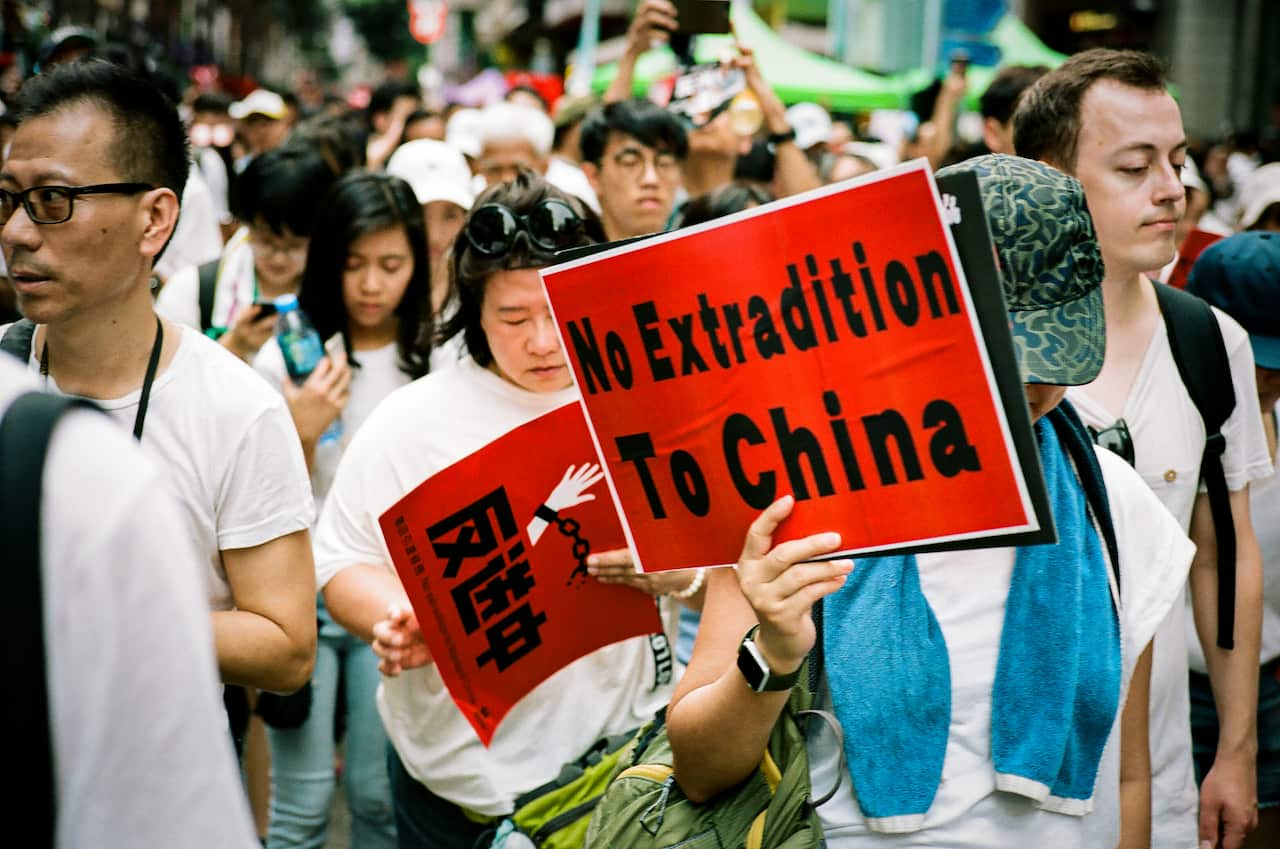
In June 2019, enormous demonstrations erupted over a proposed law that would have allowed criminal suspects to be extradited to jurisdictions including mainland China.
Opponents feared it could expose Hong Kong residents and political dissidents to China’s justice system.
Legal researcher Dr Yu-Jie Chen said those concerns were fuelled by the vastly different legal environment across the border.
"In China, the conviction rate was and is still over 99 per cent," Chen said.
"If you are investigated and prosecuted, you’re definitely going to be convicted."
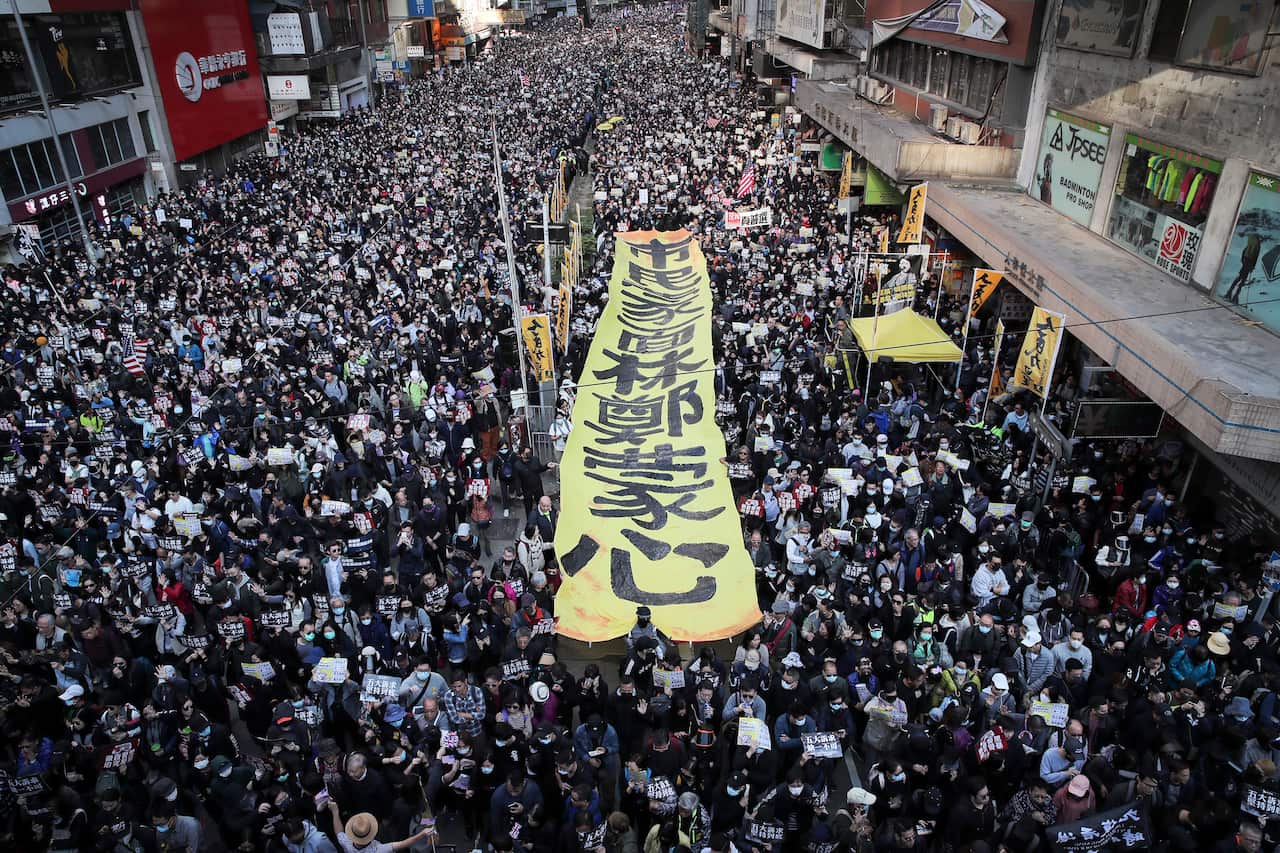
The bill was eventually withdrawn, but the protests continued to rage as demonstrators pushed more demands, including democratic reforms and investigations into police conduct.
Parts of the movement also became increasingly confrontational. Protesters stormed and vandalised Hong Kong’s legislature, universities became battlegrounds, police vehicles were attacked and street clashes intensified.
Hong Kong and Chinese authorities say the unrest demonstrated the need for stronger national security protections.
Hong Kong's opposition dismantled
In June 2020, Beijing imposed the National Security Law, introducing life imprisonment for any activity deemed by the authorities as 'secession', 'terrorism', 'subversion', or 'collusion with foreign forces'.
The Hong Kong government said the legislation restored stability in the city following the turmoil of 2019-2020.
Forty-seven of the elected politicians and activists were charged with conspiracy to commit subversion and 45 were later sentenced to between four and 10 years in prison.
"This law was extremely effective. It brought back law and order, peace and stability in Hong Kong," said Regina Ip, a senior pro-Beijing politician who now leads Hong Kong’s Executive Council.
She described the law’s impact as clear and certain.
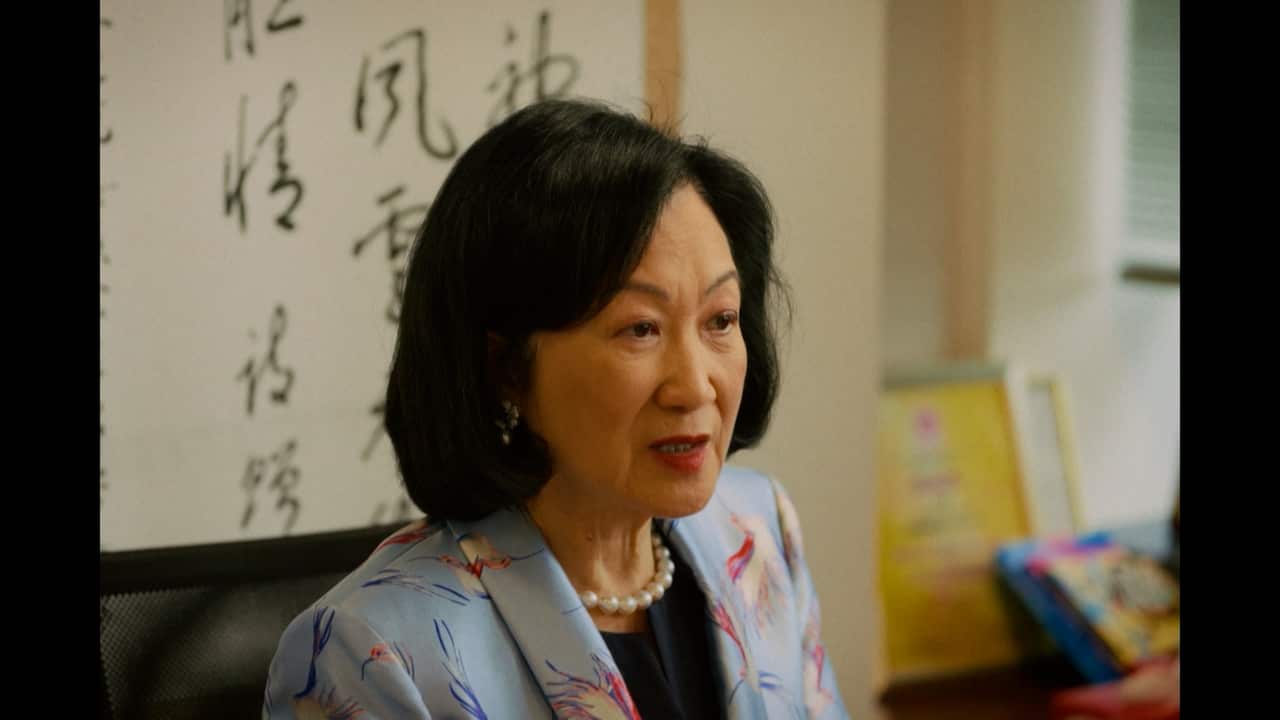
But critics and international rights organisations say the law has been used to crack down on political dissent, from pro-democracy activists to the independent media to children’s books.
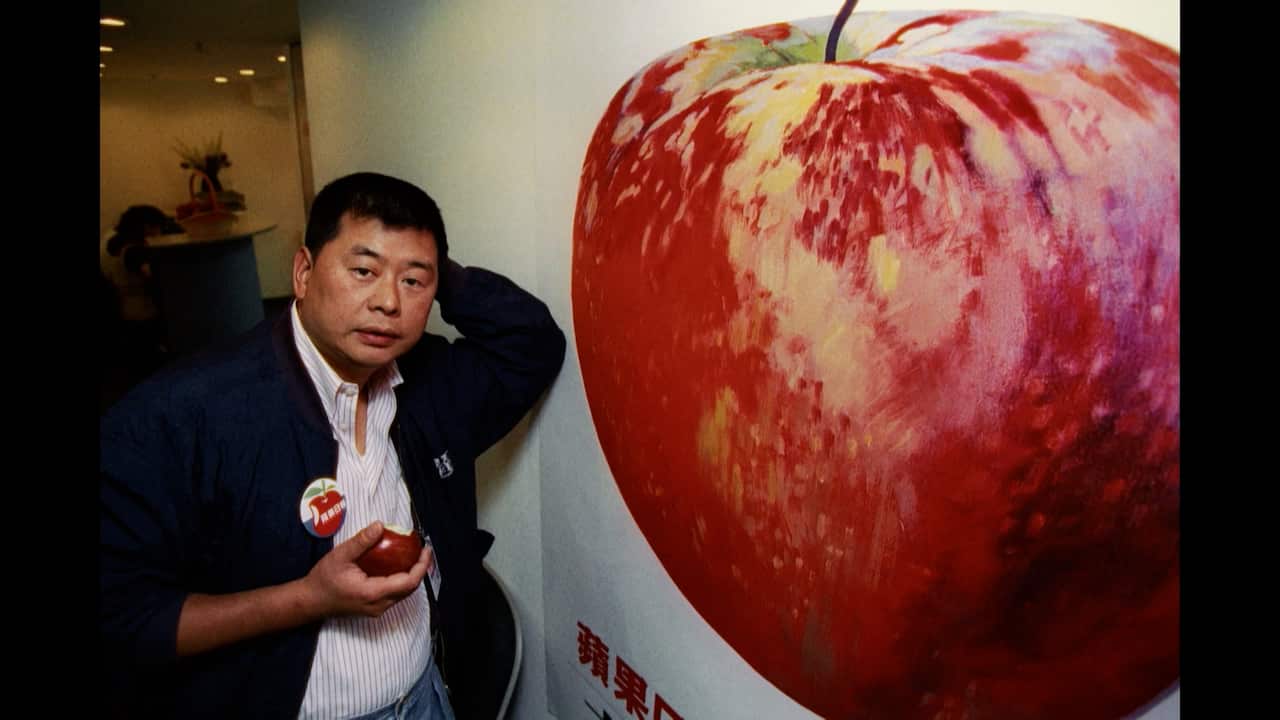
Pro-democracy newspaper Apple News was forced to shut down, and its founder Jimmy Lai was jailed and sentenced to 20 years in prison, while five speech therapists were imprisoned over children’s books deemed seditious.
Days after the National Security Law came into force, more than 600,000 people voted in an unofficial election organised by Hong Kong’s pro-democracy camp.
Forty-seven of the elected politicians and activists were charged with conspiracy to commit subversion, and 45 were later sentenced to between four and 10 years.
Innes Tang, who describes himself as a Hong Kong patriot, says residents have nothing to fear if they stay within the law.
"For many people, it’s better that this law exists. Why? Because it draws a red line. As long as you don’t cross that line, you have nothing to fear," he said.
His pro-China organisation has reported people and businesses it believes have broken the National Security Law.
"You may think we’re acting like vigilantes. But that’s not the case," he said.
"We’re simply fulfilling our duty as citizens."
Jonathan Sumption, from the UK, was serving on Hong Kong’s Court of Final Appeal when the National Security Law was imposed. He was one of several foreign judges appointed to the court after the handover, a practice intended to demonstrate the independence of Hong Kongs judiciary system.
For him, the prosecution of the 47 pro-democracy activists was the last straw.
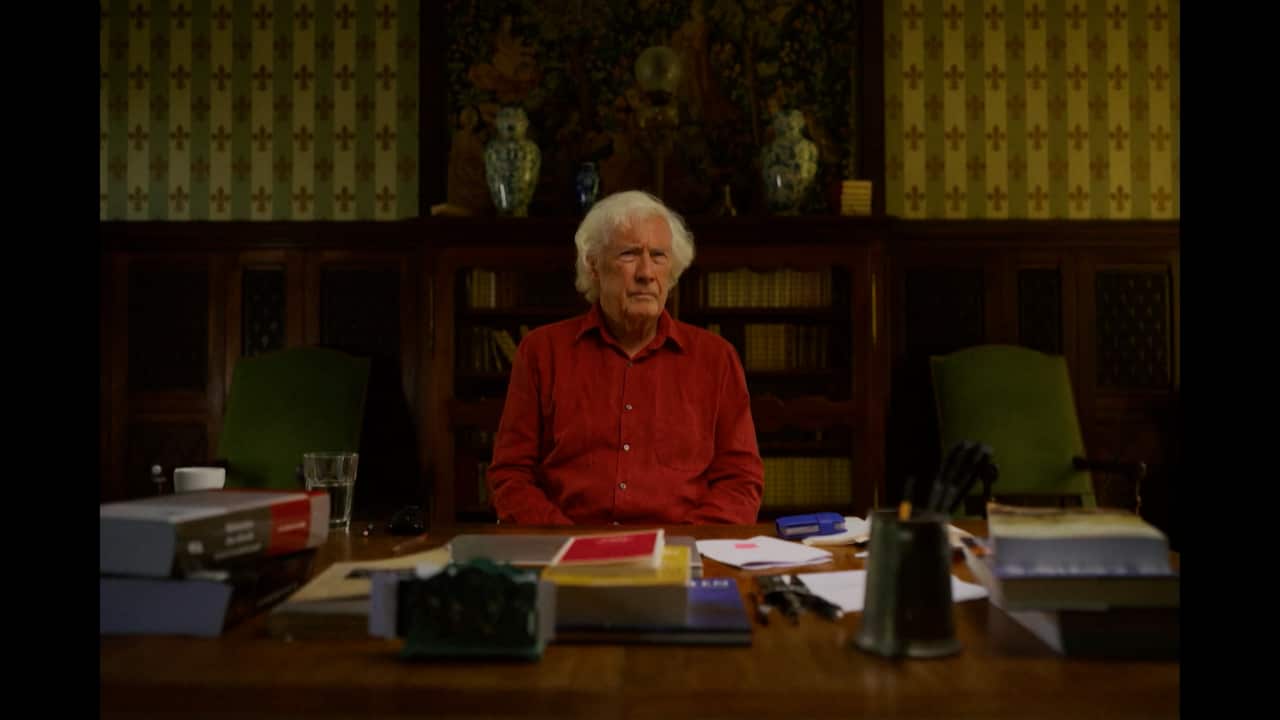
"I resigned early in June 2024 ... because I felt that the outcome of that case showed that the judiciary in Hong Kong was not prepared to stand up to China," he said.
"Hong Kong is becoming a totalitarian state because political dissent is no longer tolerated."
‘A million-dollar bounty’
Fourteen years after Carmen Lau joined the student movement against patriotic education, Hong Kong’s schools look very different.
National security and patriotic education are now embedded throughout the curriculum, alongside regular flag-raising ceremonies.
But Carmen is no longer there to see it.
She later became an elected pro-democracy district councillor before leaving Hong Kong and settling in Britain. She is just one of over 300,000 Hongkongers believed to have left the territory after the National Security Law was imposed in 2020.
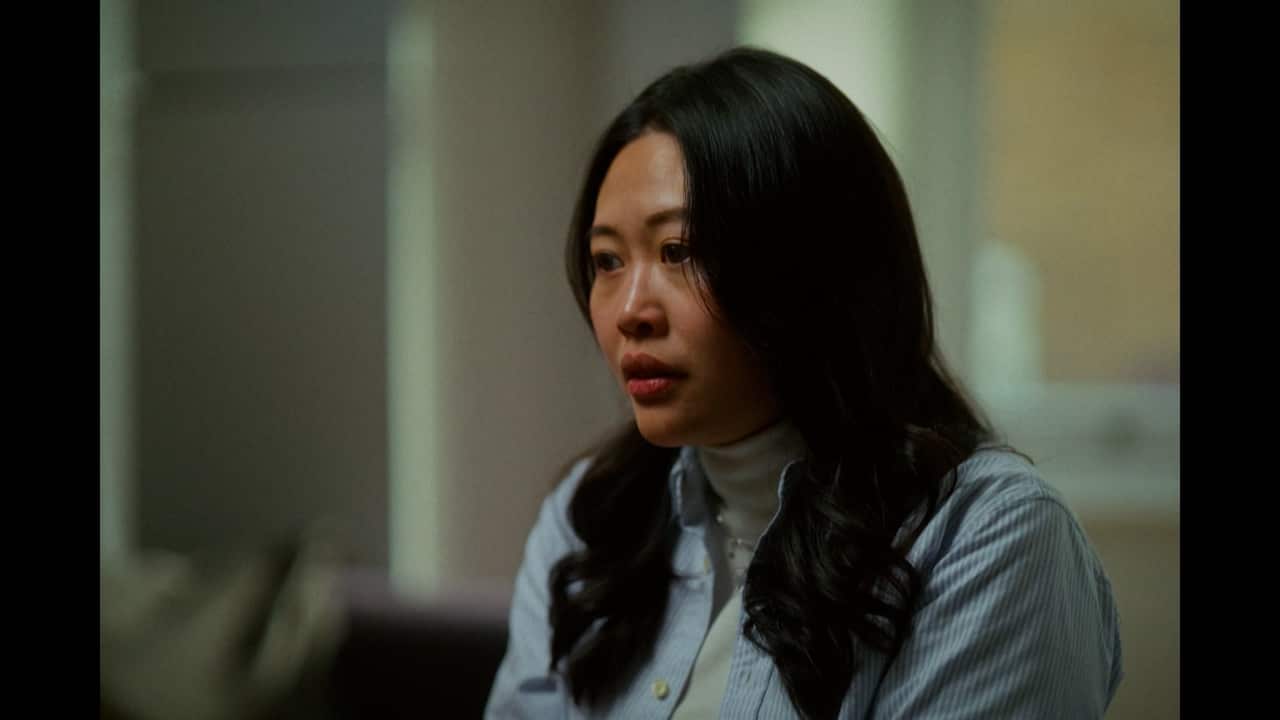
In December 2024, Hong Kong police issued an arrest warrant for Carmen and offered a HK$1 million ($181,000) bounty for information leading to her arrest over alleged national security offences.
Hong Kong authorities say activists cannot avoid punishment for alleged crimes just by leaving the territory.
"My life has changed drastically," Carmen said.
"I was followed on the streets in London. Looking behind my back is something that I often do."
For her safety, she regularly changes travel routes, has moved house and has faced attempts to hack her email accounts. Her relatives in Hong Kong have also been questioned by national security police.
Yet exile has not severed her connection to the city where her political life began.
"I miss Hong Kong every day and every second," she said.
"I miss the people there, I miss the food there, I miss my family.
"Hong Kong has always lived in my heart."

Dateline is an award-winning Australian, international documentary series airing for over 40 years. Each week Dateline scours the globe to bring you a world of daring stories. Read more about Dateline

Have a story or comment? Contact Us







