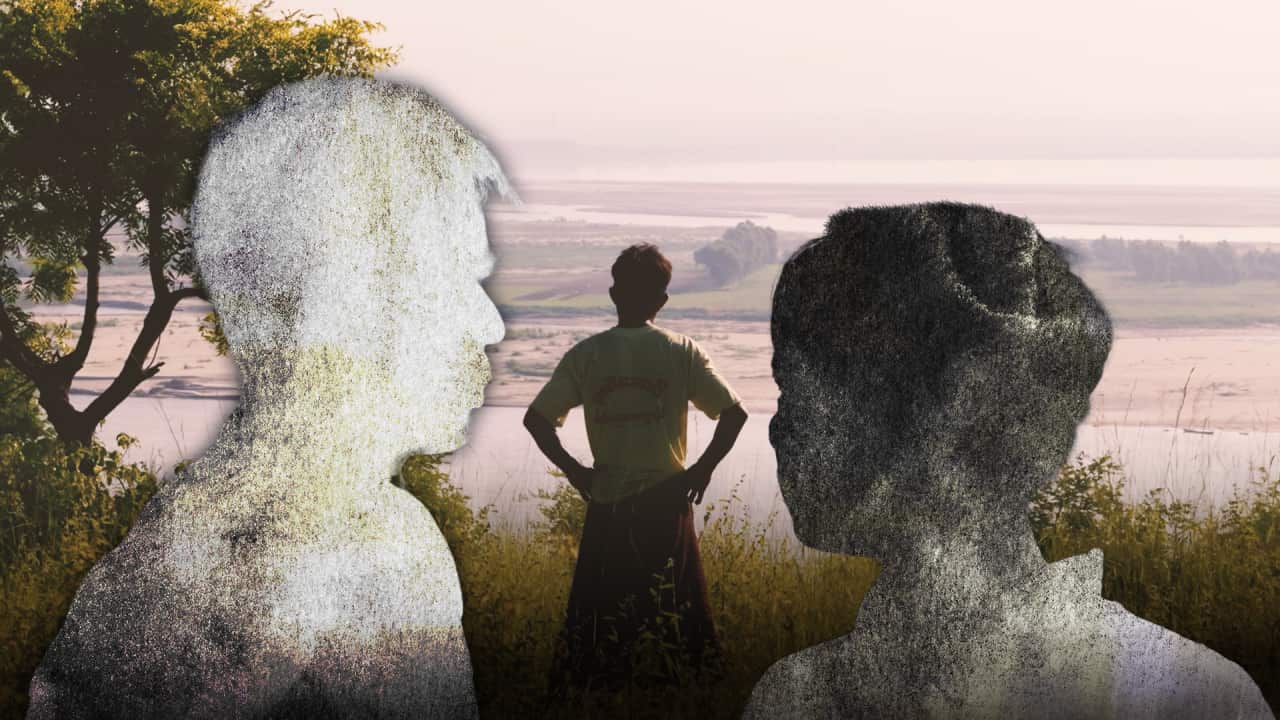
Watch Dateline's latest episode, Myanmar: The War We Carry, on 29 September at 9.30pm AEST on SBS or SBS On Demand.
Inside a makeshift shelter, a family sits together on woven mats laid across a rough wooden floor, gathered around small bowls of food as rain falls outside.
As the children eat their meals, the father tries to explain what they need to do if the military attacks.
"When Dad isn't with you, or when you hear jets, get down immediately," he says.
"Get down on your stomach." Cover your ears and rest your elbows on the ground. If it injures your eardrums, you'll go deaf."
News that makes sense
Your trusted source for staying up-to-date with the world around you. Get free daily news updates and analysis, straight to your inbox.
It's advice that no parent should have to give.
But in Myanmar, where conflict has followed families into their villages, children have had to learn that the sound of war can arrive at any hour.
Five years of civil war in Myanmar have forced millions of people to leave their homes in search of safety. This family — whose names and location can’t be disclosed to protect their identity — has been on the run for more than two years, hiding from military patrols.
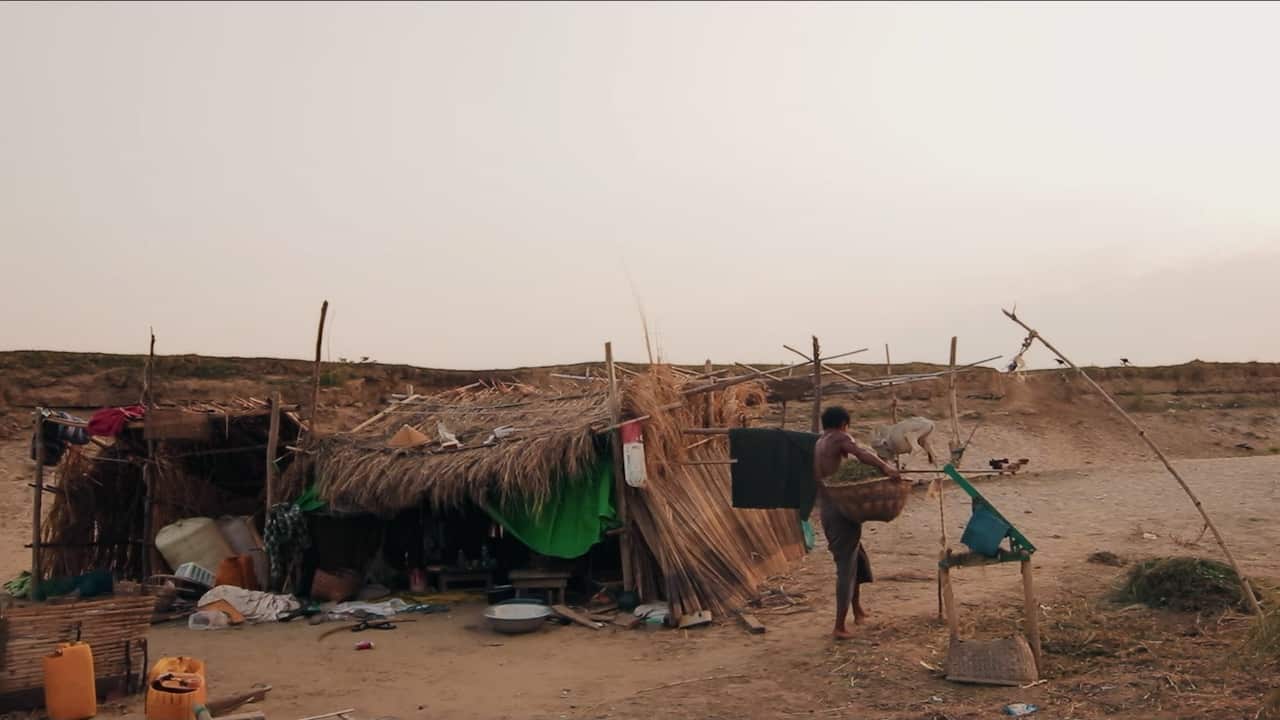
As the family prepare for bed, the silence outside is broken by the distant sound of a rocket launcher.
And they realise that, once again, they must leave.
Years of conflict and displacement
Myanmar’s civil war started back in 2021, after Aung San Suu Kyi, the leader of the National League for Democracy party, won the 2020 parliamentary elections by a landslide.
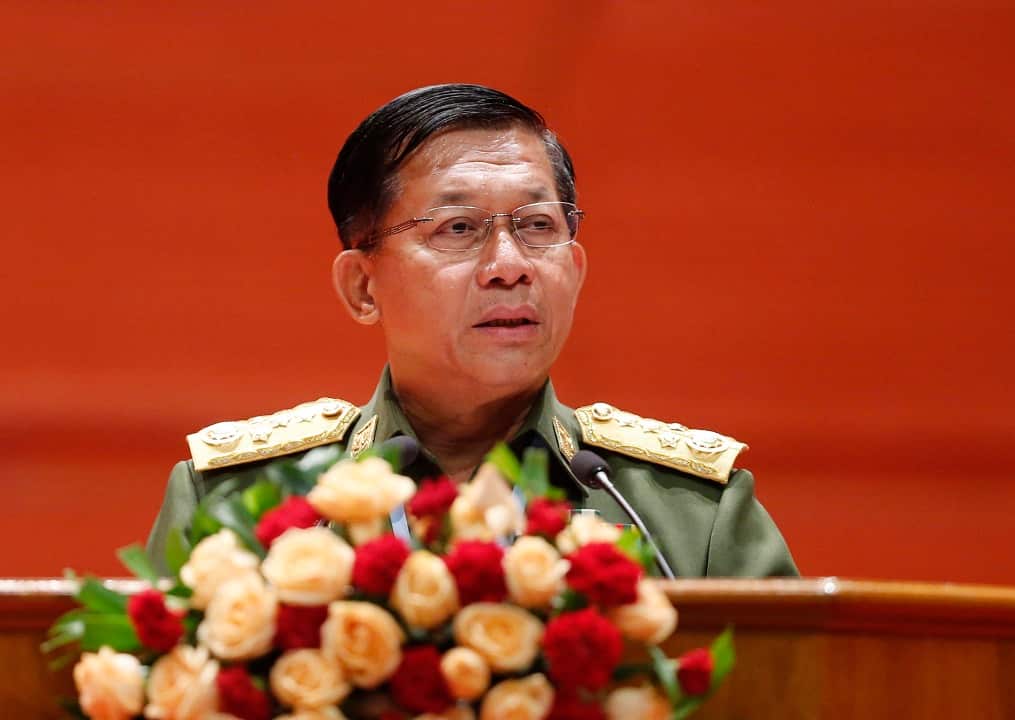
The following year, the country’s military launched a coup, effectively overthrowing the democratically elected government. Suu Kyi was imprisoned by the junta and is currently serving a 27-year sentence on what the opposition labels politically motivated charges.
The takeover brought a violent suppression against any opposition.
Over time, the conflict spread, with anti-junta protests and civil disobedience evolving into an armed resistance, known as the People’s Defence Force.
So far, over 100,000 people are estimated to have been killed.
In February 2024, the military also began enforcing the conscription law, requiring men between the ages of 18 to 35 and women between 18 to 27 to serve in the army for at least two years.
The conscription has added another layer of uncertainty for families, with reports of citizens fleeing, hiding or being forcibly recruited.
By the end of 2025, the Internal Displacement Monitoring Centre recorded more than 3.6 million people living in internal displacement across the country.
According to the United Nations Refugee Agency, one in three of those displaced people are children.
The consequences extend far beyond where people sleep.
UNICEF reports that 4.7 million children in Myanmar were not accessing education in 2025, leaving them at heightened risk of early marriage, exploitation and recruitment by armed groups.
It was also the deadliest year for children in Myanmar since the coup. The Assistance Association for Political Prisoners was able to verify the deaths of 287 children in 2025, while a 2026 UN report says the military has been responsible for the vast majority of civilian deaths.
A family on the move
The family has settled into the village where they lived before the conflict, but rumours eventually spread that another attack is imminent.
As the family considers where to move next, the father suggests somewhere north, following the river stream. The youngest daughter’s plan is slightly more unconventional; she says she’ll hide in a tree.
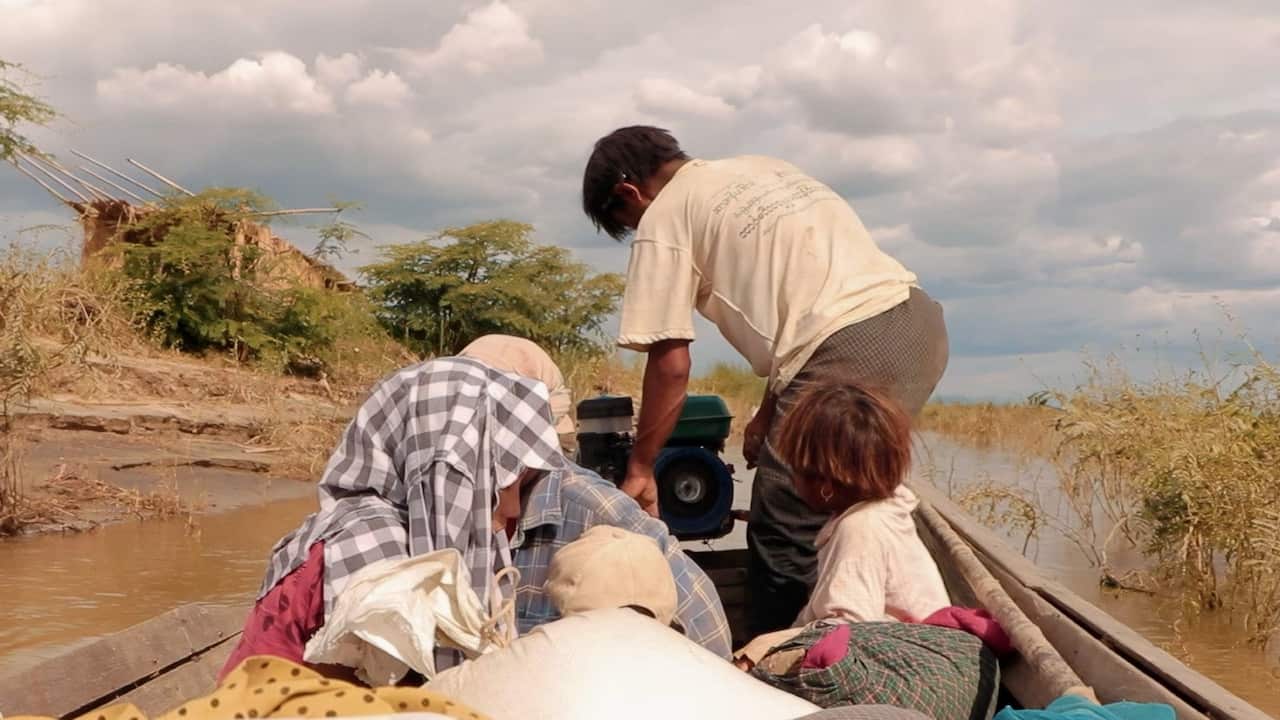
Her older sister agrees with her logic, saying it’s the only place left.
The father plays along and asks jokingly, "Will you hide in a tamarind tree or a plum tree?"
But he knows the trees aren’t safe either.
"If you hide there, you'll get burned when they burn the village. We can't survive without water."
The mother is also petrified.
"I’m scared. I really am. I can’t sleep," she says.
The family has little control over where the fighting will move to next, leaving them with only one decision they can make: where to go when it does.
The emotional toll of survival
One night, the years of survival catch up with the father. Struggling to eat, he breaks down in tears as he describes what his family is enduring.
He says his heart is breaking. But the mother urges him to focus on remaining strong for their family, even as their daughters try to make sense of what’s happening around them.
For these parents, survival means more than finding somewhere to sleep.
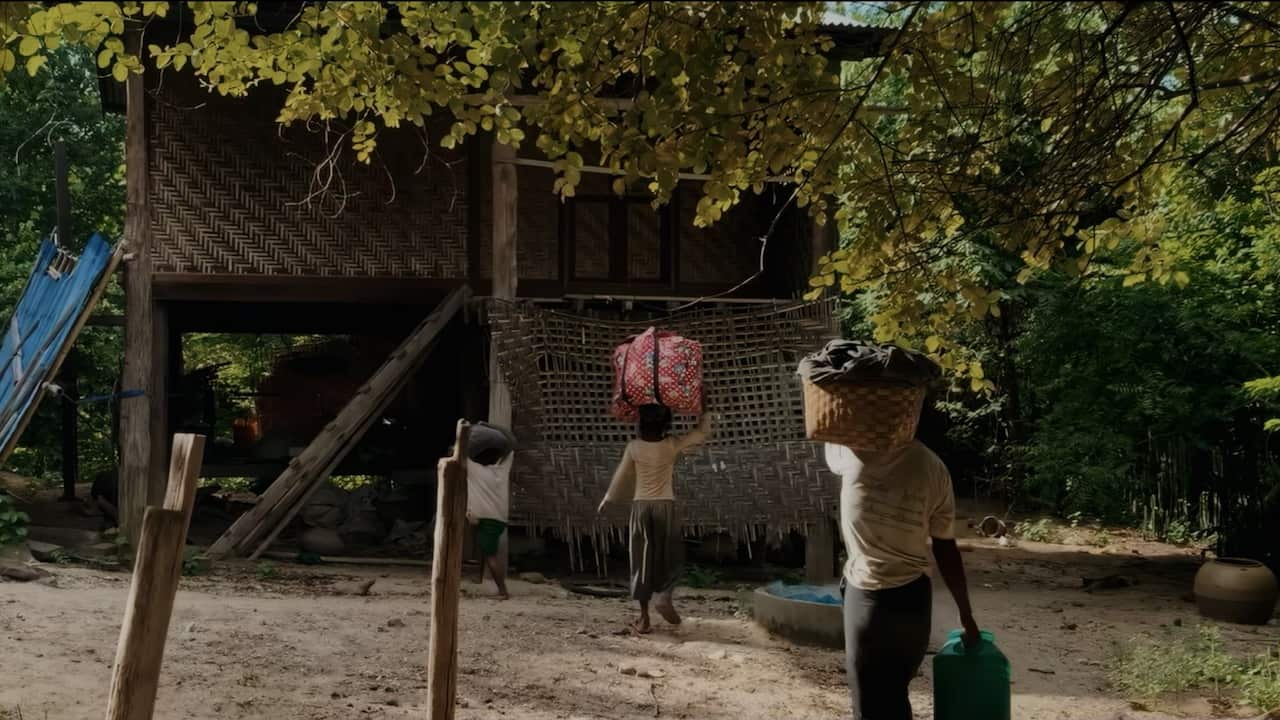
It means trying to keep fear from becoming the only thing their children know while trying to find food, secure shelter and decide when it’s safe enough to leave.
It’s also about giving their children reasons to believe that there can still be a life beyond the next attack.
A small act of hope
The family’s next move finds them on a sandy beach, the children are planting seeds as they find a modicum of peace.
It’s small work, but practical and familiar, and provides them with something to focus on that isn’t the immediate demand of survival.
It might also be something they can watch grow, despite the uncertainty surrounding them.
The older daughter remains hopeful that one day, the circle of war will be broken.
"The country we live in has abandoned us," she says.
"But I hope the land we walk on is awaiting us."

Dateline is an award-winning Australian, international documentary series airing for over 40 years. Each week Dateline scours the globe to bring you a world of daring stories. Read more about Dateline

Have a story or comment? Contact Us







