When Nobel laureates, James Watson and Francis Crick, published their seminal paper in 1953 on the double helical structure of DNA, they hypothesised that their model of paired helical strands represented a copying tool for genetic material that carried the instructions of life.
Fast forward to 2003 and scientists successfully completed the Human Genome Project, in which all 3 billion bases of the human genome were sequenced. According to the National Human Genome Research Institute, the cost of this major scientific feat was over US$500 million. Now, in 2016, Illumina’s HiSeq X Ten genome sequencing machine can sequence the human genome for a comparatively minute cost, varying from US$1,350-US$2,000.
While the Human Genome Project had huge implications for improved scientific understanding and the discovery of disease-susceptibility genes, the dramatic price-drop for genome sequencing has created a lucrative business for companies offering the same service on a commercial scale.
Included amongst such businesses are numerous web-based matchmaking companies such as Genepartner, and Instant Chemistry. These companies claim benefits from their services including; an increased physical attraction, an increased probability of a successful and long-lasting romantic relationship and a more satisfying sex life. These bold claims sound very appealing to young couples or singles looking to increase their chance at love. But how do they really stack up?
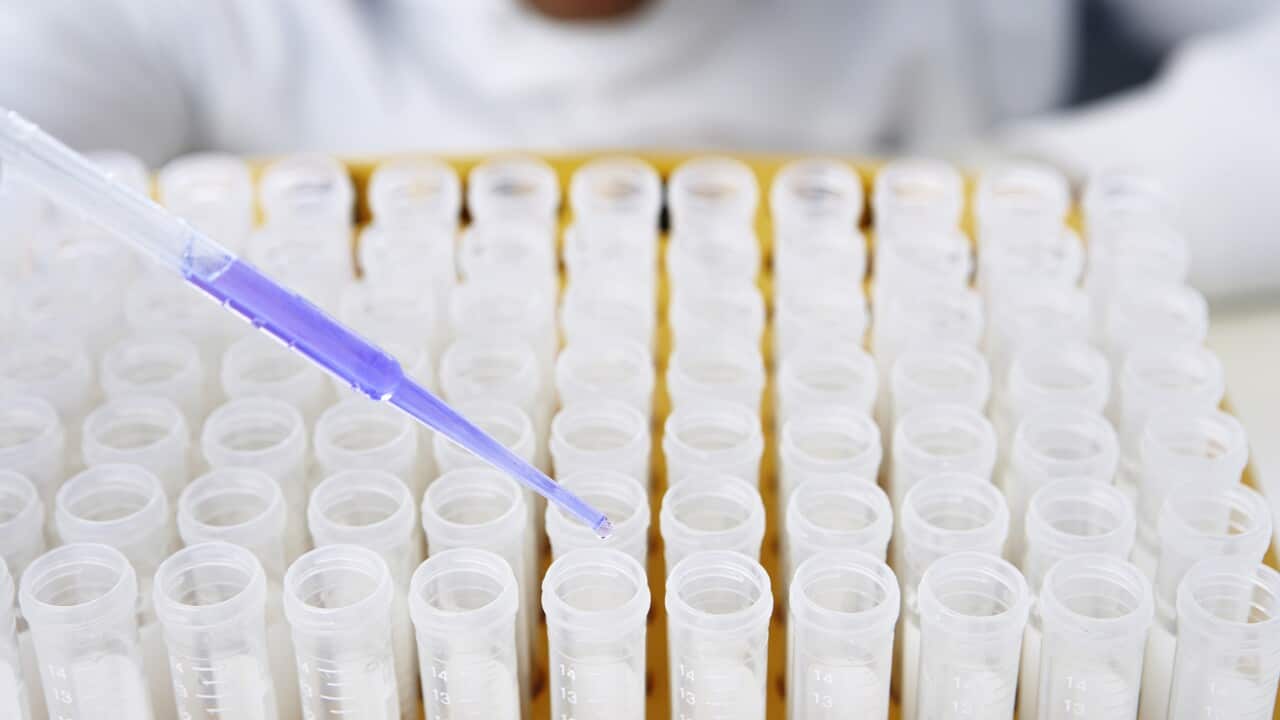
These gene-based dating companies use simple genetic test, typically performed using saliva samples, for approximately US$150-250. They state that the keys to predicting romantic compatibility are a number of human leukocyte antigen (HLA) genes that code for the major histocompatibility complex (MHC); commonly known as components of the human immune system.
News that makes sense
Your trusted source for staying up-to-date with the world around you. Get free daily news updates and analysis, straight to your inbox.
The first thing to draw your attention to is the cost. Sequencing of the entire human genome for US$1,350 can identify approximately 23,000 genes and has extremely high accuracy. These romantic compatibility tests only measure 6 genes for a fifth of the price.
The second thing to know is that HLA gene-testing has existed well before romantic-compatibility gene testing. Its original and current use in medicine is to identify potential organ donors. Searching for a donor involves matching two subjects so their relevant HLA genes are as similar as possible. This is to prevent rejection of the transplanted organ.
What are these romantic-compatibility genetic tests really offering other than an extremely expensive alternative to smelling their potential partner’s armpit?
Genetic tests used to determine romantic compatibility seek to do exactly the opposite; that is, match two subjects whose HLA genes are as dissimilar as possible. The suggestion is that two individuals whose HLA are dissimilar are most attracted to each other and therefore most romantically compatible.
While the company claims appear somewhat far-fetched, the research on which they rest does have merit. The fundamental reason for examining HLA genes to determine romantic compatibility is based largely on a study conducted by Claus Wedekind in 1995.
The study required males to wear T-shirts for two days continuously without cleansing or washing. Females were then asked to smell the T-shirts and rate the body odour for sexual attractiveness. Interestingly, females preferred the smell of HLA-dissimilar males. Chemically, differences in MHCs, encoded for by HLA genes, correlate with differences in body odour; that is, if individuals have dissimilar MHCs, then their immune systems must also be dissimilar.
From an evolutionary perspective, it is a disadvantage for two mates to have very similar HLA genes as it can lead to increased susceptibility to disease – in extreme cases, such as inbreeding, major diseases may be observed. Therefore, it makes perfect sense in the world of evolutionary genetics to prefer the smell of a romantic or sexual partner with dissimilar HLA genes. In this case, opposites do indeed attract.
While Wedekind’s study is merit-worthy, some studies, including non-human animal models, seem to have drawn a few long bows. A number of such studies have suggested that partners who have dissimilar HLA genes are better romantically matched. However, such a suggestion does not necessarily indicate increased chances of engaging in a successful, long-term romantic relationship.
Unlike other animals, humans partake in many different cultural practices that can influence romantic attractiveness, and this can impact dramatically on the duration and success of a romantic relationship. Further, variability in natural odours is increased with factors such as the use of deodorants and perfume. These factors can render a preference for HLA-dissimilar partners irrelevant.
Ultimately, claims that HLA genes can be used to find an ideal romantic partner is simply not backed by concrete evidence. Most studies that had made such suggestions were either under-powered with low sample sizes, not comprehensive, used poorly-described disease/clinical phenotypes for subjects tested, or used outdated racial profiling for population sampling.
More importantly, few studies had looked comprehensively at the variation of MHCs with any single disease, within any single population.
Although a correlation has been established between dissimilar HLA genes and sexual attractiveness, correlation does not equate to causation, nor can it inform us as to the duration and success of a romance.
A similar sentiment is expressed by the U.S Food and Drug Administration (FDA) and Australia’s Therapeutic Goods Administration (TGA), both of whom that have prevented gene-testing companies, such as 23andMe, from publishing gene data claiming to predict disease susceptibility.
The claims made by companies offering romantic-compatibility gene testing far exceed the limitations of the available research, and exhibit signs of irresponsibility and deception.
In spite of the scientific evidence, if one assumes the claims are true, then for couples curious to test their romantic compatibility, one might pose the question: what are these romantic-compatibility genetic tests really offering other than an extremely expensive alternative to smelling their potential partner’s armpit?
Benjamin Rowlands is a PhD student and a researcher at Neuroscience Research Australia (NeuRA).

Dateline is an award-winning Australian, international documentary series airing for over 40 years. Each week Dateline scours the globe to bring you a world of daring stories. Read more about Dateline

Have a story or comment? Contact Us







