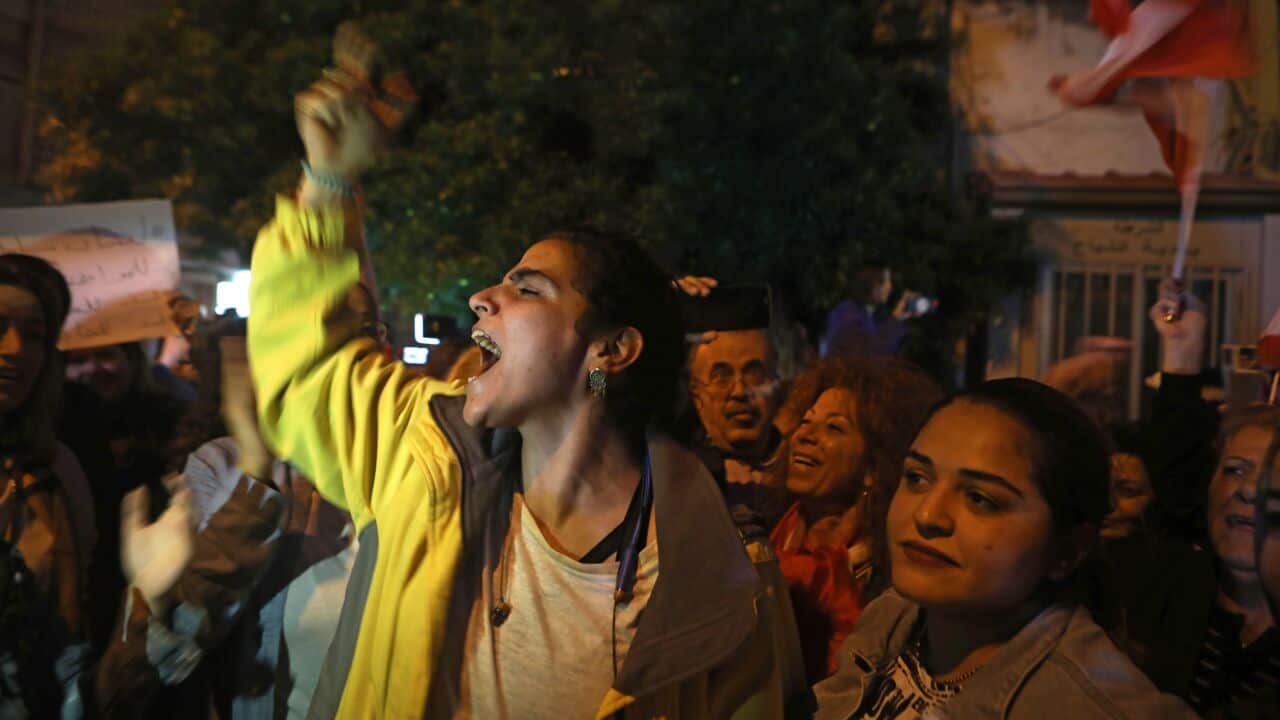
Dozens of people have been injured in overnight confrontations between supporters and opponents of Lebanon's president, most in fistfights and stone-throwing that erupted across the country, the Lebanese Red Cross says.
The nationwide uprising against the country's ruling elite has remained overwhelmingly peaceful since it began on October 17.
But as the political deadlock for forming a new government drags on, tempers are rising. President Michel Aoun has yet to hold consultations with parliamentary blocs on choosing a new prime minister after the government resigned a month ago.
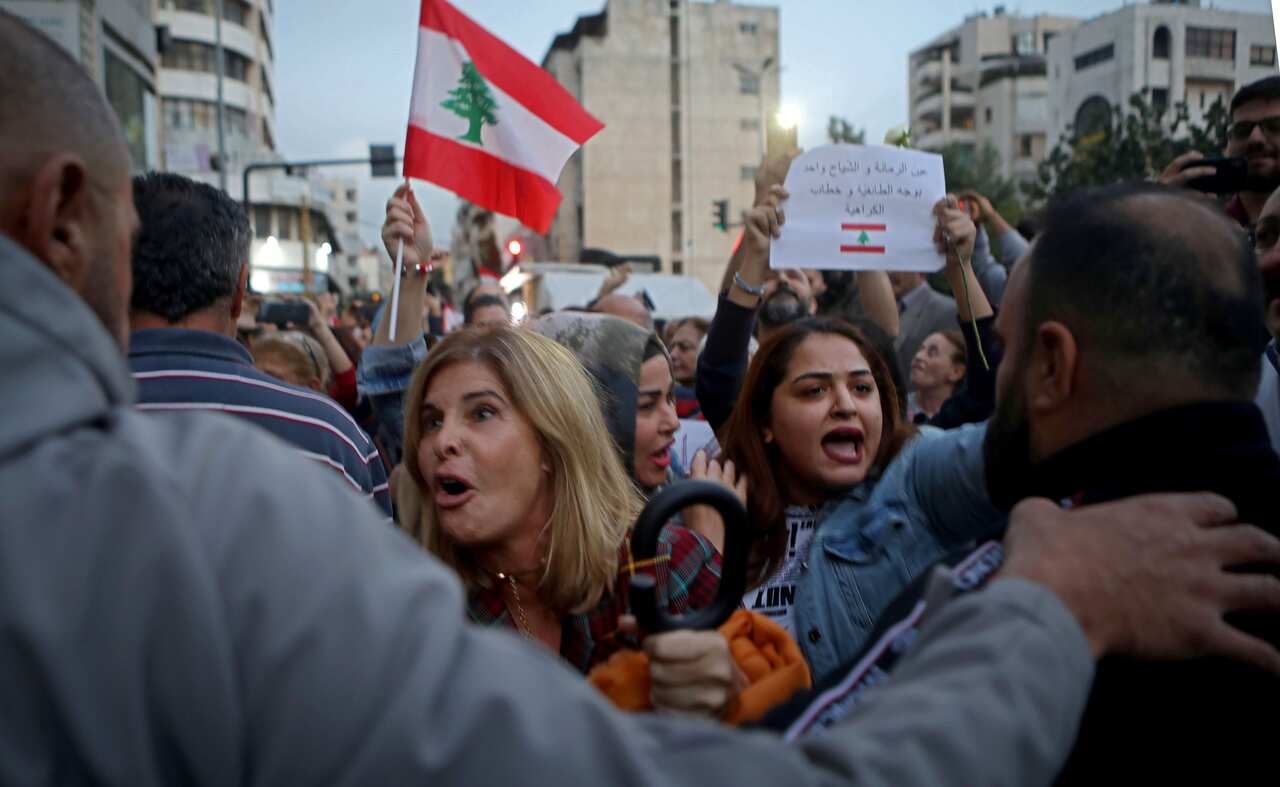
Outgoing Prime Minister Saad Hariri, who was Aoun's and Hezbollah's favourite candidate to lead a new Cabinet, withdrew his candidacy for the premiership, saying he hoped to clear the way for a solution to the political impasse after over 40 days of protests.
News that makes sense
Your trusted source for staying up-to-date with the world around you. Get free daily news updates and analysis, straight to your inbox.
Protesters have resorted to road closures and other tactics in an effort to pressure politicians into responding to their demands for a new government.
The prolonged deadlock is awakening sectarian and political rivalries, with scuffles breaking out in areas that were deadly frontlines during the country's 1975-90 civil war.
he violence first began on Sunday night after supporters of the main two Shi'ite groups, the militant Hezbollah and Amal Movement of Parliament Speaker Nabih Berri, attacked protesters on Beirut's Ring Road.
That thoroughfare had in the past connected predominantly Muslim neighbourhoods in the city's west with Christian areas in the east.
Some of the most intense clashes occurred Tuesday night between the Shi'ite suburb of Chiyah and the adjacent Christian area of Ein Rummaneh, where stones were hurled between supporters of Hezbollah and rival groups supporting the right-wing Christian Lebanese Forces.
Also on Tuesday night, supporters and opponents of Aoun engaged in fistfights and stone throwing in the northern city of Tripoli, Lebanon's second largest, injuring 24 people; seven were taken to the hospital.
In the mountain town of Bikfaya, 10 people were injured including five who were hospitalised after scuffles and stone throwing between Aoun's supports and supporters of the right-wing Christian Lebanese Phalange Party, according to the Red Cross paramedic group.
The violence broke out after a convoy of dozens of vehicles carrying Aoun supporters drove into the town, which has been historically a Phalange stronghold.
Hezbollah and Amal supporters also attacked protesters in the northeastern city of Baalbek and the southern port city of Tyre.
Police and troops deployed in the areas of clashes and got the situation under control hours after the violence broke out.
Hariri had resigned on 29 October in response to the mass protests ignited by new taxes and a severe financial crisis. His resignation met a key demand of the protesters but plunged the country into uncertainty, with no clear path to resolving its economic and political problems.
Hariri had insisted on heading a government of technocrats, while his opponents, including Hezbollah, want a Cabinet made up of both experts and politicians.







