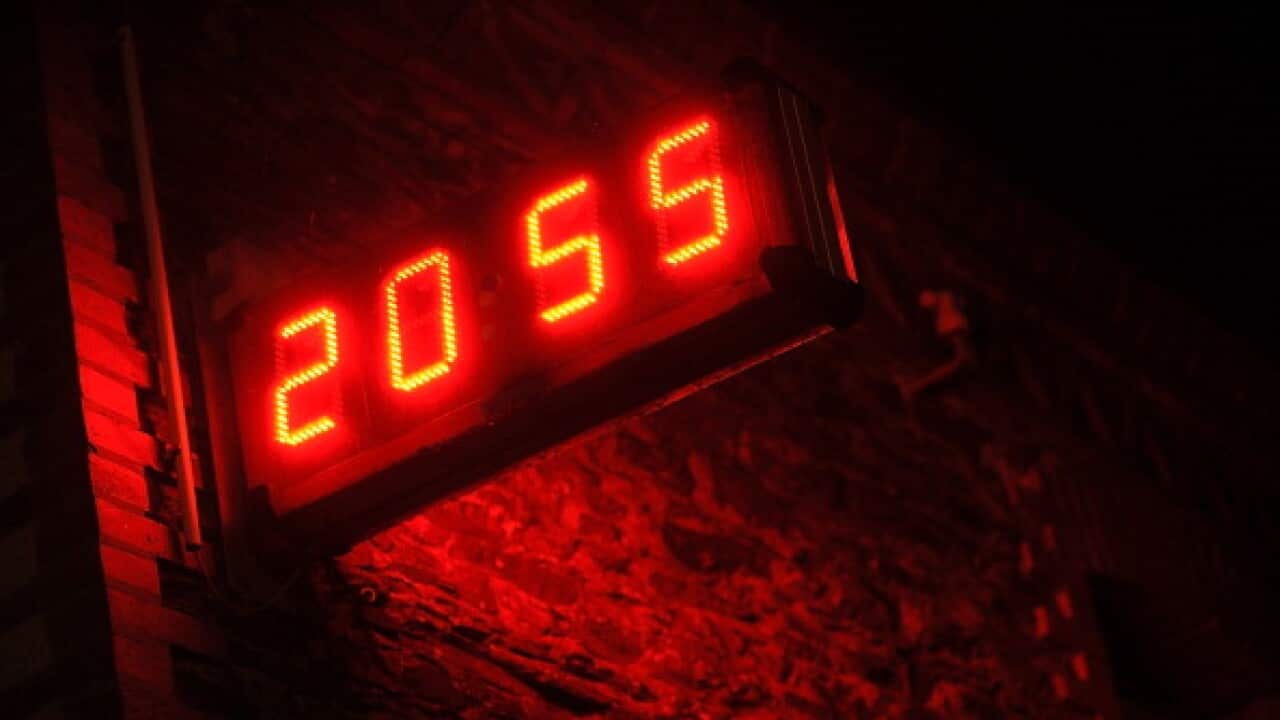
European power operators called on Wednesday for an end to a row between Serbia and Kosovo that has sapped the continent's electricity grid and caused electric clocks to run several minutes late.
The Brussels-based power operators association ENTSO-E said "political disagreements" between the Balkan neighbours have caused a decrease in the electric frequency in the continental network since mid-January.
Countries in the region from Spain to Turkey and from Poland to the Netherlands have experienced a slight decrease in the average frequency from the CE power system for the first time.
Kosovo did not generate enough electricity to meet demand causing clocks that run off a power system, rather than quartz crystal, to slow down over a three-month period.
"The decrease in frequency average is affecting also those electric clocks that are steered by the frequency of the power system and not by a quartz crystal," it said in a statement.
News that makes sense
Your trusted source for staying up-to-date with the world around you. Get free daily news updates and analysis, straight to your inbox.
Clocks for radio alarms, ovens and heating system currently, it said, "show a delay of close to six minutes" in European countries, including Belgium.
Smartphones and computers are not affected by the decrease in frequency.
The UK and some Nordic countries are also not affected, according to the BBC.
"ENTSO-E is urging European and national governments and policymakers to take swift action," it said.
"The political disagreements opposing the Serbian and Kosovar authorities have led to the observed electricity impact."
Kosovo energy expert Agron Dida told AFP Serbia had prevented Kosovo, whose decade-old independence it refuses to recognise, from importing the cheaper energy it needs from neighbouring Albania.
"Serbia blackmails the optimisation of the regional energy system," Mr Dida said.
"It is possible that this creates problems and affects negatively the whole electricity network in Europe."
Serbia's electrical power grid company EMS AD blamed the missing power on Kosovo "uninterruptedly withdrawing, in an unauthorised manner, uncontracted electric energy" from the synchronised European grid.
EMS AD, which is tasked with balancing the Kosovo grid, said it had "committed all its resources to resolving this issue in a swift and efficient manner".
The statement added Kosovo operator KOSTT had "ceased, as of March 3, its unauthorised power withdrawal".
Aca Markovic, special advisor for the Energy Agency of Serbia, told AFP EMS AD had covered Kosovo's energy needs for a while but had to stop because of the costs and its breach of rules.
Serbia has refused to recognise its former breakaway province since it declared independence in 2008. Both are seeking to join the European Union.







