This audio is voiced by AI and may occasionally mispronounce words.
Share your feedback and help us improve this feature. Read more about how we use AI at SBS here.
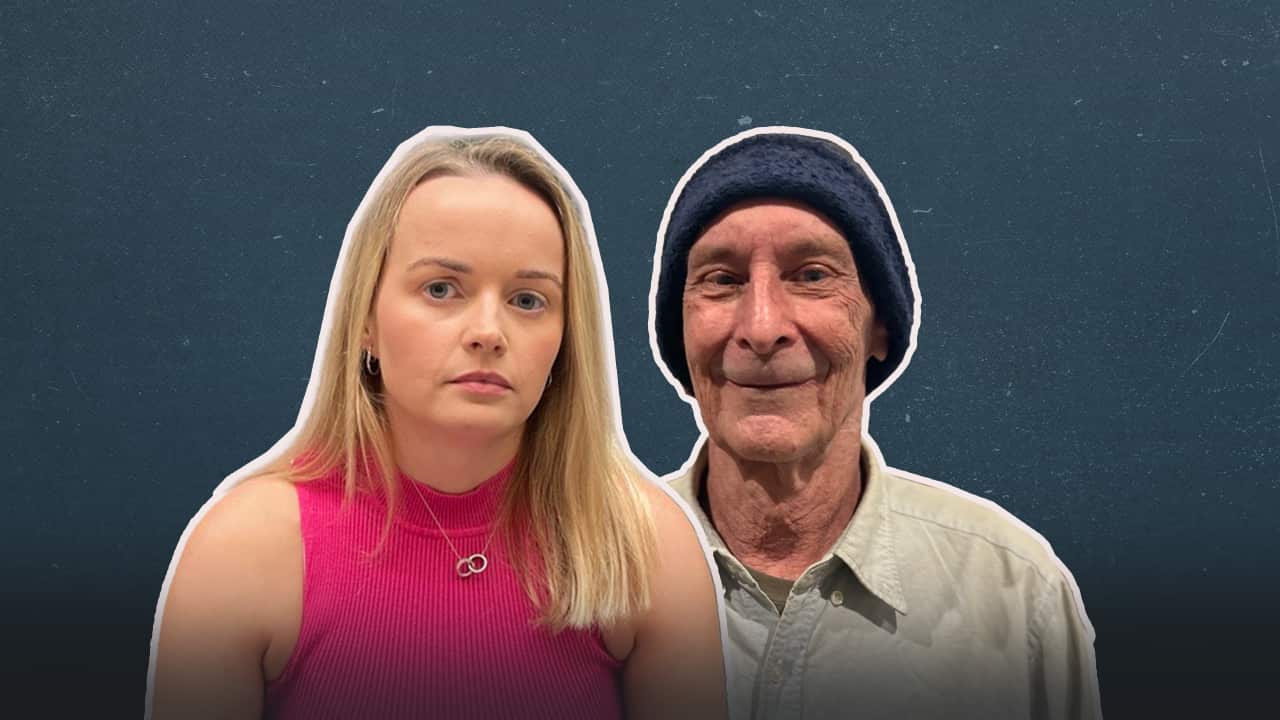
Escaping the jaws of a great white shark, surviving 10 days lost in the bush without food and shelter, recovering from a deadly disease but facing long-term health problems or surviving methanol poisoning only to become permanently blind. When is a lucky escape not so lucky? Watch Insight episode Lucky Escapes on SBS On Demand.
When Bethany Clarke, 28, was travelling around Southeast Asia with her best friend Simone White in November 2024, she never expected the trip would end in tragedy.
After a night enjoying themselves and drinking the free alcohol on offer at their accommodation, Nana Backpackers Hostel in Vang Vieng, Laos, the two British women started to feel unwell.
News that makes sense
Your trusted source for staying up-to-date with the world around you. Get free daily news updates and analysis, straight to your inbox.
"We woke up, felt quite disoriented and dizzy, confused, loss of appetite ... " Bethany told Insight.
Their symptoms continued throughout the day, and both women were admitted to hospital with suspected food poisoning.
While Bethany was recovering well, Simone's condition worsened. Simone was transferred to another hospital, where she fell into a coma and needed emergency brain surgery.
Bethany says the operation worked, but Simone also had bleeding on the other side of her brain.
"They said to us, 'Look, no matter what we do, even if we did another surgery, she would remain in a coma'."
"We had to wait for her to die naturally but, of course, she didn't because she was so young and healthy. Simone's mum, Sue, had to turn off her life support."
Coming to terms
Simone, along with Australian teenagers Bianca Jones and Holly Bowles, was one of six people who died in Laos in November 2024 from methanol poisoning.
Bethany said she struggled to process how differently her, and Simone's bodies reacted to the poisoning.
"It didn't really make sense, and it still doesn't make sense," Bethany said.
"We were told it could have been a metabolism difference… We drank exactly the same amount."
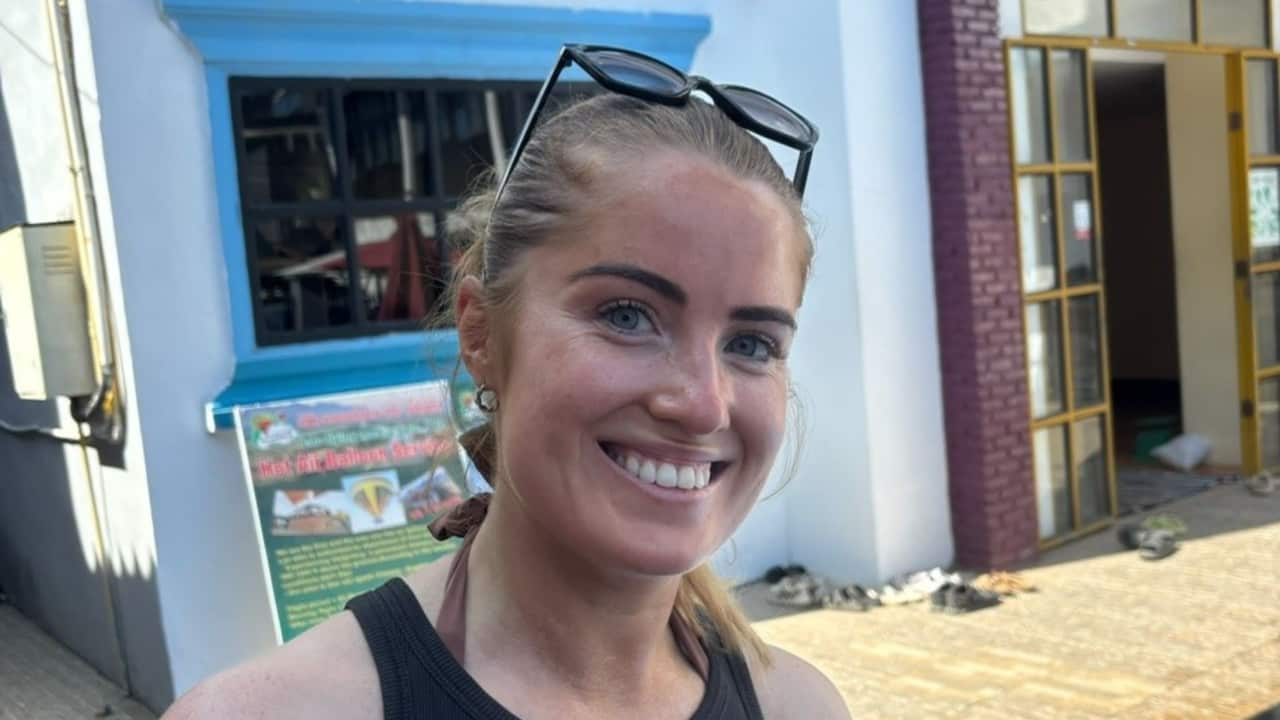
The now Brisbane-based podiatrist said she did not feel lucky to have survived in the immediate aftermath of her childhood friend's death.
"I remember saying to my mum, 'I think I need to be admitted into some kind of mental hospital' ... I didn't know how I was going to manage day to day.
"Thinking about anything else just seemed to be impossible."
'Really difficult to come to terms with'
Like Bethany and Simone, British backpacker Kipp Whysall, 23, drank the hostel's free shots during happy hour and was sick the next day.
"I'd thrown up in the morning after, but it just felt like quite a bad hangover, and then it kind of got progressively worse throughout the day," he told Insight.
Calum Macdonald, Kipp's friend who he was travelling, felt "relatively normal" aside from some incoordination, but he started to lose his vision that next day as they travelled by bus to Hanoi.
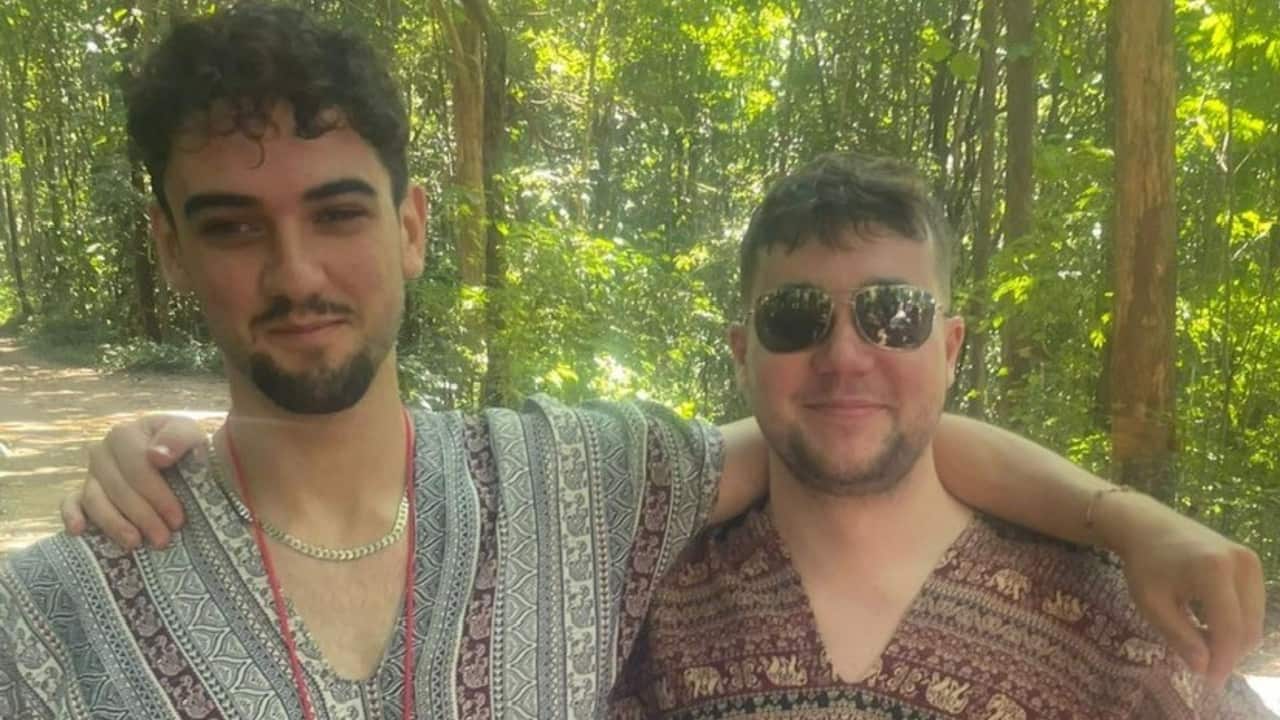
Calum was admitted to hospital in Hanoi, and the medical staff first believed his loss of sight was due to an autoimmune condition called optic neuritis. But after various tests and treatments, doctors were unable to recover his sight.
During Calum's hospital stay, Kipp heard the news about the tourists who had died from methanol poisoning. He decided to keep this information from him.
"It was really scary… it was really difficult to come to terms with initially that [methanol poisoning] might have been what had happened," Kipp said.
"Because looking it up — methanol poisoning — the chances of recovery [were] much, much lower than the autoimmune response that we initially thought it was."
Feeling survivor's guilt
Kipp said it was difficult to process what happened, and he blamed himself for Calum's misfortune.
"I felt a little bit partially responsible or guilty in that he never would have come out to Southeast Asia if I hadn't invited him and badgered him into coming out," he said.
"So, it was a kind of survivor's guilt."
Calum survived but remains blind and has had to learn navigating using a cane.
But Kipp says that in the end, he feels lucky to have survived and not to have been severely poisoned, knowing that wasn't the case for all that night.
"It was definitely a very close call ... it could have been a lot worse for me and for Calum."
Life after a traumatic event
Experts say it's normal for people to experience survivor's guilt following a potentially traumatic event where they feel they had a better outcome than others or that they didn't deserve to survive.
David Berle is an associate professor of psychology at the Australian National University School of Medicine. He said social and cultural expectations and beliefs about fairness and justice contribute to survivor's guilt.
"The person might feel that 'if I'm not feeling guilty about this, then I'm not remembering or commemorating the dead, that if I were to stop ruminating about this, maybe I'm letting myself off the hook', so to speak," Berle told Insight.
Where even though the person may know that they were not in any way responsible ... it takes a while to process that and for the emotions to catch up with the intellectualising in the head.David Berle
He explained why it can take a long time to be able to move forward after a traumatic event.
"People can sometimes feel trapped in this process where they feel that they ... should feel guilty and that if they're not, that's a problem ..." Berle said.
Berle said a lot of traumatic experiences were "purely random" and there can sometimes be a "head-to-heart lag" following trauma.
"Where even though the person may know that they were not in any way responsible ... it takes a while to process that and for the emotions to catch up with the intellectualising in the head."
But Berle said some people experience post-traumatic growth and find benefits in the aftermath of trauma.
"They might find that over time they feel that they're now better able to relate to others or ... an increased feeling of personal strength, or maybe their spiritual or faith beliefs have changed ..."
Berle said that although many people might report appreciating life more following trauma, it does not negate the stressful aspects of the traumatic experience; research suggests people can experience some degree of post-traumatic growth alongside continued symptoms of post-traumatic stress disorder and difficulties at the same time.
"The last thing that a person who's struggling with post-traumatic stress disorder needs is their supports ... implying that there's something good that may have come from it when maybe they don't feel that that's the case."
'Just like that, he was gone'
Like Kipp, Steve Tickner, 70, has experienced survivor's guilt.
The photojournalist came close to death when photographing the 2010 Thailand Red Shirt protests in Bangkok, which were a series of mass anti-government demonstrations led by the United Front for Democracy against Dictatorship (also known as the Red Shirts). Clashes between the military and protesters led to 90 people being killed and more than 2,000 injured.
Steve was changing his camera lens on the street when a 27-year-old man, law student Attachi Chumchan, ran past.
"And I looked up and there was a young man was running directly towards me from the direction of the shooting," Steve told Insight.
"... When I say he was running, he was running for his life."
A soldier then shot the man in the back. Steve and a monk had tried to get medical help, but the man died quickly.
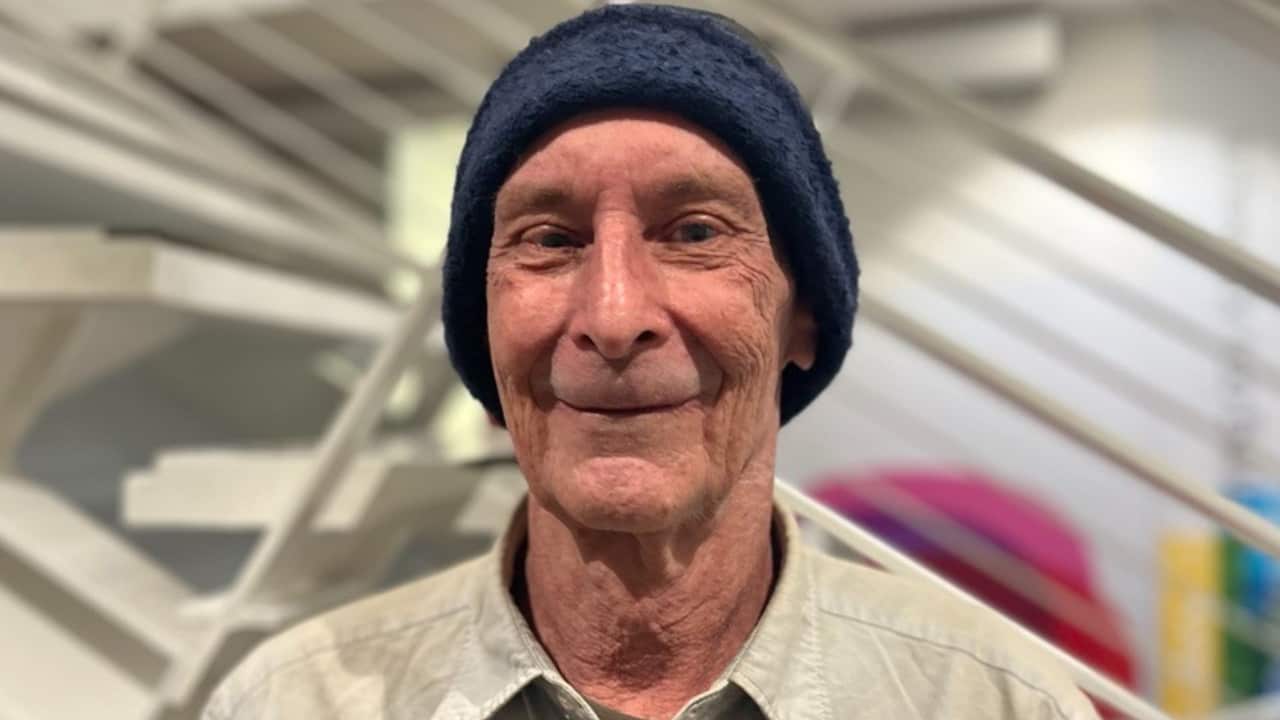
Having covered war-torn conflicts on the ground for much of his five-decade-long career, Steve had been close to death before.
More than a year later, when the Thai police requested that Steve return and give evidence for the investigation into Attachi's death — and was shown the victim's autopsy report — he found out what really happened.
"I had to get up and walk outside into the sunlight … I went back inside and I said ... 'why are you showing me this?'" Steve said.
Steve says the police believed the soldier who fired the shot wasn't shooting at someone running down the road; he was shooting at a stationary target who was thought to be loading a weapon.
It was then that Steve realised the bullet was probably meant for him — the soldier allegedly mistook Steve's camera for a gun.
"I feel so sorry for his family ... He was probably about to have a spectacular career in law — and yet, just like that, he was gone ... " Steve said.
"I don't feel like it's a lucky escape, I just think it's bad all around."
'Not really an experience that I'd call lucky'
For Chloe Mombeshora, who was hospitalised and diagnosed with Stevens-Johnson Syndrome (a rare life-threatening dermatological condition caused by an adverse reaction to medication), being told she was 'lucky to have survived' by medical staff was enraging.
In 2024, the Sydney teenager was intubated in ICU and placed on life support for two weeks with blisters that turned into burns and covered 40 per cent of her body. The condition also made her temporarily blind and unable to walk and talk.
"It was a matter of learning how to drink real water — not just thickened water — or walking again," Chloe said.
"And I was still blind for the first few months — so just trying to get back to normal life while not being able to see."
After being discharged and struggling to come to terms with a slow recovery and her skin being a constant visual reminder of what she had been through, Chloe was distressed going into her final dermatology appointment.
Chloe said the dermatologist told her she was lucky to have survived as most people who were in her position didn't.
"It's not really an experience that I'd call lucky. Relearning how to do everything from scratch while everything is still physically painful to do isn't lucky," Chloe said.
"The outcome was I've restored most of my vision and I don't have as many health complications, but like the first six months to a year was extremely difficult."
Feeling lucky
For Bethany, her perspective on being lucky has changed as she continues to heal.
"With a lot of therapy, that's improved a lot," she said.
"I would say, over a year on, that I am lucky."
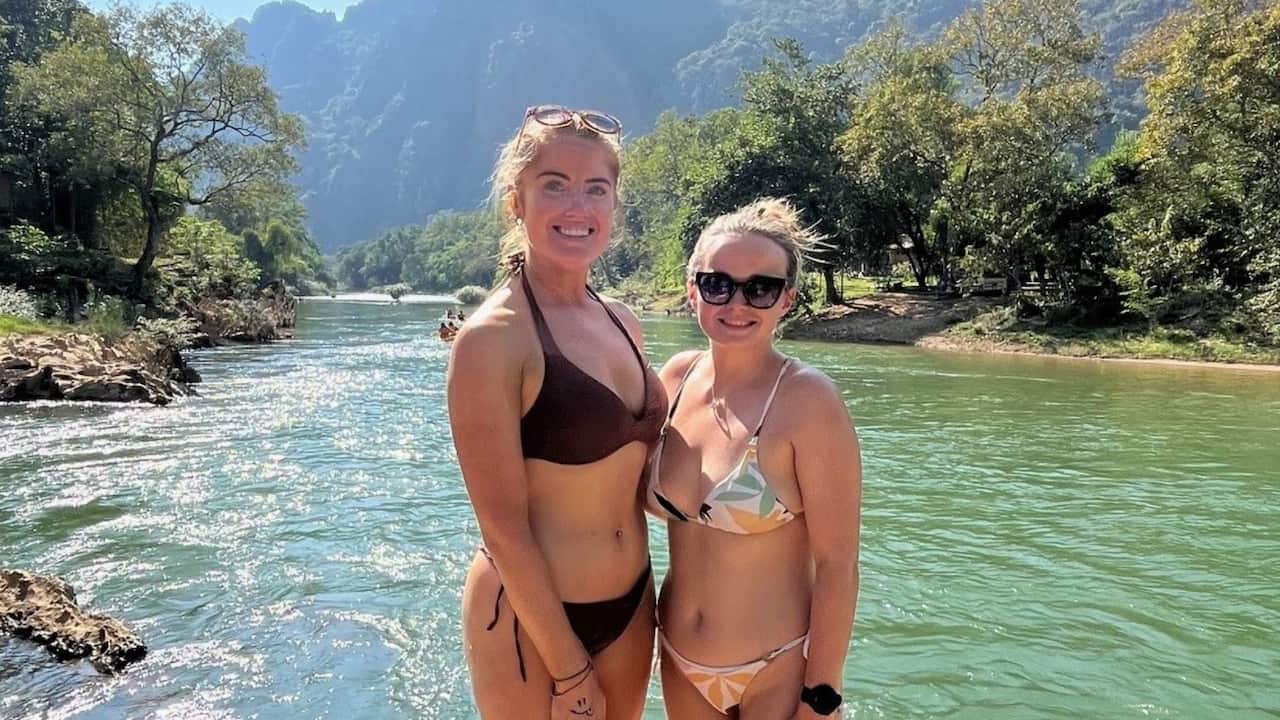
In honour of her late friend, Bethany recently established the Simone White Methanol Awareness Campaign to alert the public to the dangers of poisoning and how to stay safe when drinking abroad.
"I think [Simone] would be pleased that things are moving…
"Moving slowly, but things seem to be changing ..."
Watch your favourite Insight episodes around the clock on SBS On Demand's dedicated Insight channel. For the latest from SBS News, download our app and subscribe to our newsletter.

Insight is Australia's leading forum for debate and powerful first-person stories offering a unique perspective on the way we live. Read more about Insight

Have a story or comment? Contact Us







