
Is Australia's libido waning? Or are we redefining sex and intimacy. With singledom on the rise, technology replacing interaction, and partner standards reaching new heights, Insight explores what's going on in the nation's bedroom. Watch episode Sex Recession? on SBS On Demand.
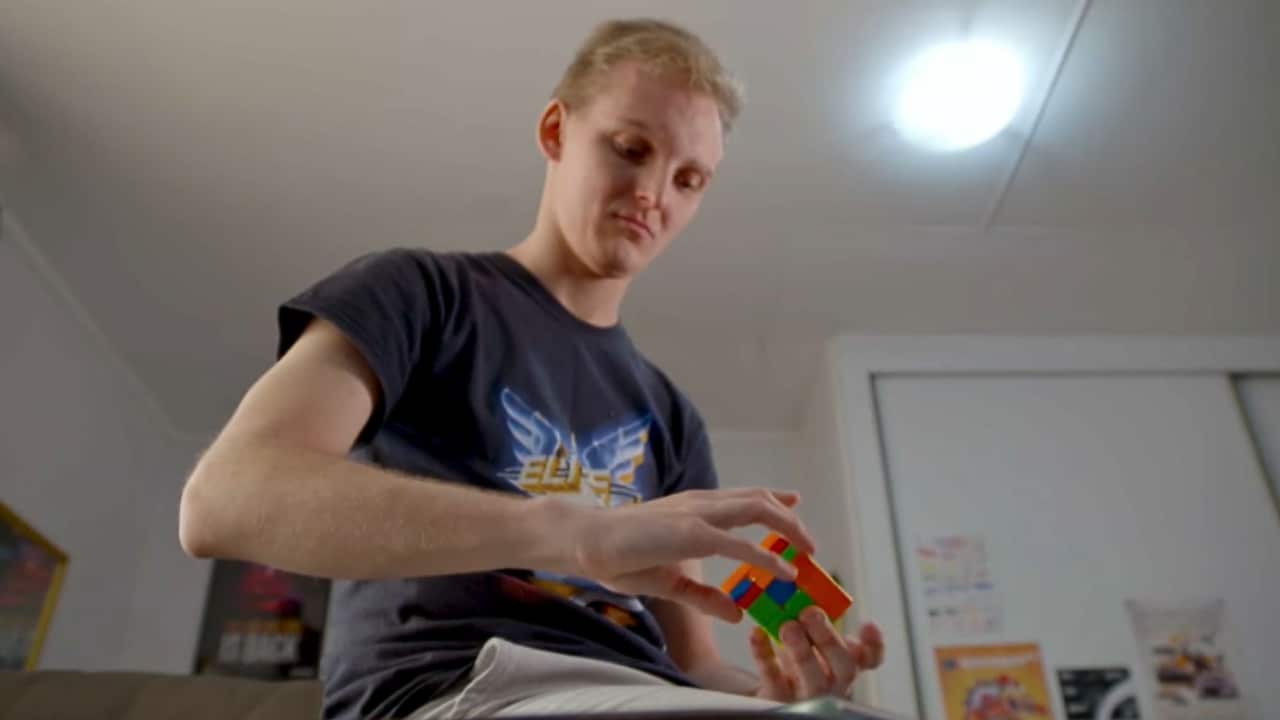
Aston, 24, feels a lack of intimacy in his life.
He says he hasn't had any sexual contact since he got out of a five-year relationship two years ago.
News that makes sense
Your trusted source for staying up-to-date with the world around you. Get free daily news updates and analysis, straight to your inbox.
"My dating life is essentially non-existent at the moment," he says.
"I don't think that sex is really on the horizon for me. My ASD [autism spectrum disorder] diagnosis doesn't help."
Aston has been solving Rubik's cubes competitively for nearly a decade, which he says isn't as difficult as people might think.
"I could probably teach anyone in a couple of hours the way my mind approaches problems ... like cubing and puzzles," he says.
"Whereas in the dating world, you don't really have any actionable steps that you can continue making. It's a lot of random chance."
Why might younger people be having less sex?
Daniel Brown, a clinical psychologist and La Trobe University researcher specialising in sexual wellbeing, says the biggest determinant of how frequently someone is going to have sex is being in a relationship.
Essentially, people in relationships have "far more sex" than singles.
"But we're seeing a proportion of people — and younger people — being single for much longer periods of time and staying single for longer over their life course.
"So that just means then you're probably just not going to have as much sex in general."
He says broad international trends suggest that increasing rates of singledom and lower rates of sex were disproportionately being experienced by younger people.
For instance, research published in the US' National Library of Medicine in 2017 reported that, "contrary to popular media conceptions of a 'hookup generation'", large nationally representative surveys showed that millennials and gen Z had lower rates of sexual inactivity than some older generations.
In Australia, Brown says, less research has been produced that would allow a deep insight into shifting patterns of sex and relationships.
What data there is, however, suggests that adults in general are having less sex than they used to.
Brown says multiple factors can hinder young people's ability to form intimate relationships — including the rise of broad mental health issues and increasing use of medications like antidepressants that affect libido.
He also says younger people are drinking less and therefore not meeting people out at bars, a trend that's coincided with a broader "retreat into the digital world".
"We don't really go out and risk the rejection."
"[We] perhaps retreat into the familiarity of maybe the digital world, which is controllable, is programmable, is seen to be a little bit easier."
Sex and the media
For some young people, an inability to meet people as they entered sexual maturity was not simply a consequence of choosing to scroll social media over a night out on the town.
Alyssa had only recently graduated from high school when the COVID-19 pandemic broke out, and lockdowns were implemented to limit its spread.
However, she says that, unlike her younger friends who didn't get the same opportunities to go out and meet people, lockdowns didn't stifle her sex life.
"I was lucky enough for when I turned 18, I was still able to go to the clubs. I was still able to go out and hook up when I wanted to," she says.
"And by that time [of lockdowns], I had entered a serious relationship. So it wasn't really on my radar, and I got everything that I needed out of the way."
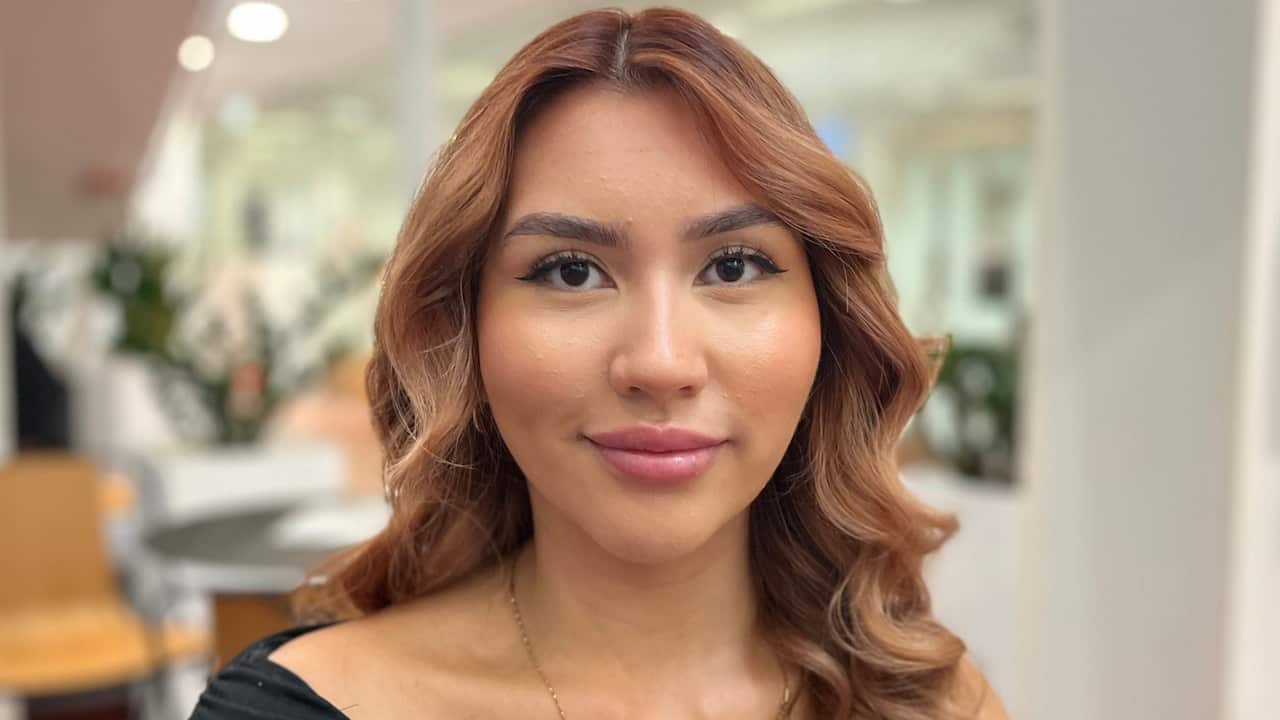
Alyssa, who's now 24 years old, says media messages about "female empowerment" and "women finally getting autonomy over their bodies" in the 2010s and 2020s impacted how she viewed sex as a teenager and young adult.
"[Messages] saying, 'oh, I can go out, and I can freely have sex and not feel ashamed about it'."
"I feel like that's what kind of encouraged myself and my peers to be a bit more open with sex — it was more normalised."
She says that she felt comfortable partaking in "hookup culture" and casual sex for a couple of years. But after entering a serious relationship, she questioned whether her relationship to emotional intimacy had been affected by what she had learned about sex in the media.
She is now with someone else.
"After exploring my sexuality and discovering that sex wasn't all that I made it out to be, it slowly died down until I found a partner ...
"Then I started having sex with my current partner, and I realised that sex to me is all about the love and the deep intimacy between one another."
Not a priority
Gené has been in monogamous and non-monogamous relationships with men and women in the past, but sex and dating are no longer something the 24-year-old prioritises.
"I have spent a long time focusing on other things, like my career and studies and my own mental health and friends ... sex and relationships has not been a priority recently at all," she tells Insight.
The counselling student says she wouldn’t turn down the opportunity to explore a natural connection with someone, but is currently content with her life.

She says that she and her friends show each other love and physical intimacy in different kinds of ways.
"I have been very much a part of a community ... that are so open-minded and so queer and non-monogamous and expressive in different ways that we will all cuddle one another ..." Gené says.
"I actually don't feel like I'm missing out on that sexual intimacy aspect that much at all."
A cultural shift around autonomy
Brown believes a cultural shift has changed the way young women approach sex and dating — particularly surrounding the choice to have sex or not, and in what context.
"I think autonomy, since that sex is so available now, moves into the autonomy to not have sex — almost to do it in an intentional way," Brown tells Insight.
He says that younger people are more intentional with when and why they have sex, and it is less so about a means to external validation or self-worth.
The psychologist also notes that there are some men experiencing anxiety surrounding their sense of self in the modern context of dating — "they don't want to necessarily be the creep ...".
"'If I'm not going to be perhaps the macho, dominant — perhaps aggressive — man, who am I now? And where are the rules to be able to do this in a meaningful way?'"
Reputational risk
Some men say social media has also fomented new anxieties around dating and sex in a culture in which public shaming has become more common.
Bones, 37, is single and says he has seen big changes to the dating scene over the past 20 years, which he believes have made people more wary of dating.
"I think there's a lot more awareness and wariness of the risks — both to physical risks and reputational risks ..." he says.
"I think we've all seen people get drunk on the power of social media platforms ... sound off on their exes."
He says he once had to ask a woman he had stopped casually dating to take down an Instagram post that he felt was "threatening".
"It was kind of shocking to read ... And it's like, 'what can you do?' You really feel that sense of panic."
The stress of the incident and feeling concerned about reputational damage has stuck with Bones, who is a writer with a public profile.
"It definitely makes me more hesitant [when it comes to dating] and makes me reconsider who I want to hang out with."
'Sex is quite accessible and easy for us'
While some younger people might be reporting a decline in sexual activity, 31-year-old Ramze says he doesn't see that happening in his circle.
"For me, I guess in the gay community, sex is quite accessible and easy for us to achieve," he says.
Ramze says the Sydney gay community is tight knit and sexual opportunities abound on the "many apps" now available.
"So, if you want to have sex, you could literally just go on your phone and message someone and say, Hey, like, do you want to do it?'
"And nine times out of 10, it'll happen."
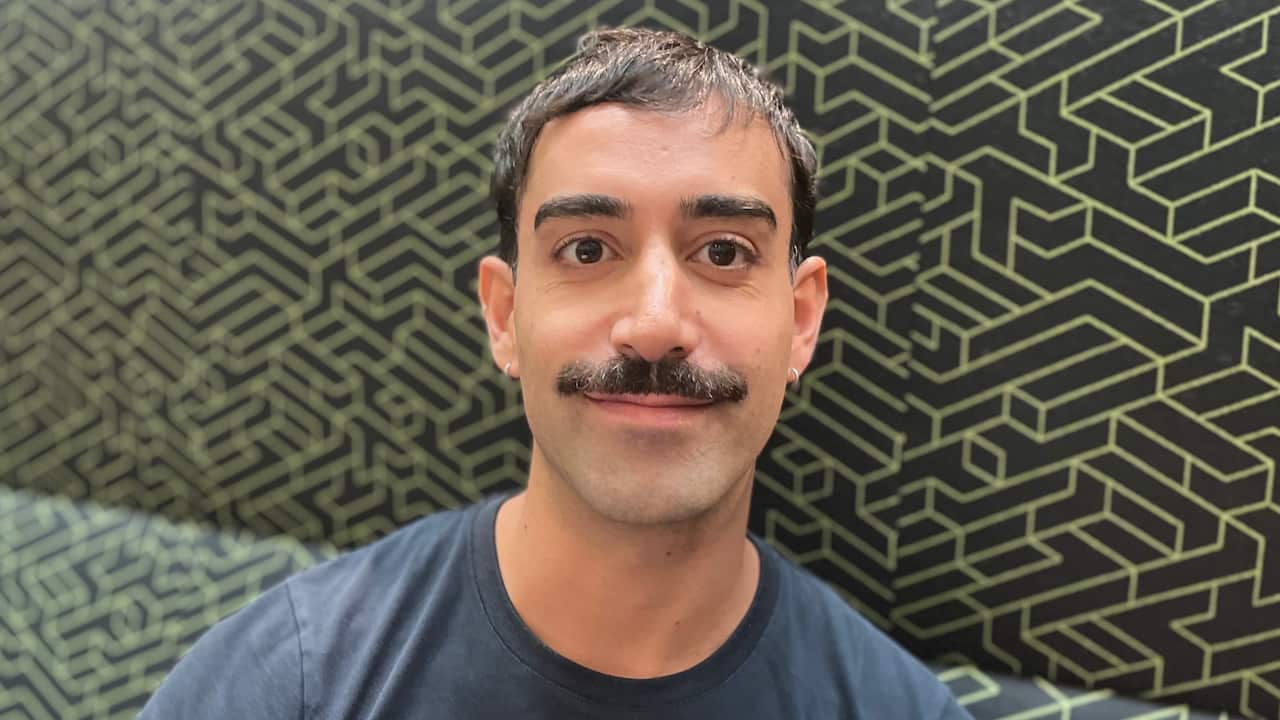
Ramze says that, although sex can be made simple this way, it can feel "transactional" and "routine".
He says that in the beginning, this way of going about sex feels great because you "get it over and done with" and can go to bed and hang out with mates. But then it can feel sad and like "you're just a piece of meat".
Ramze doesn’t know if other people feel similarly but says he feels how he looks or performs sexually is how he’s measured as a potential partner.
But he says he has recently taken a beat to really think about what he wants in a partner and is looking "more inward rather than external".
Trying to meet people offline
Aston has been on a few dates with people he met on dating apps but says none of them progressed due to the other person not seeing "a future" with him.
He says it's been hard to meet people in real life.
"Everyone's just so busy — wearing headphones in their own little bubble," Aston says.
"I know what women deal with from men in public, and I don't want to contribute to that."
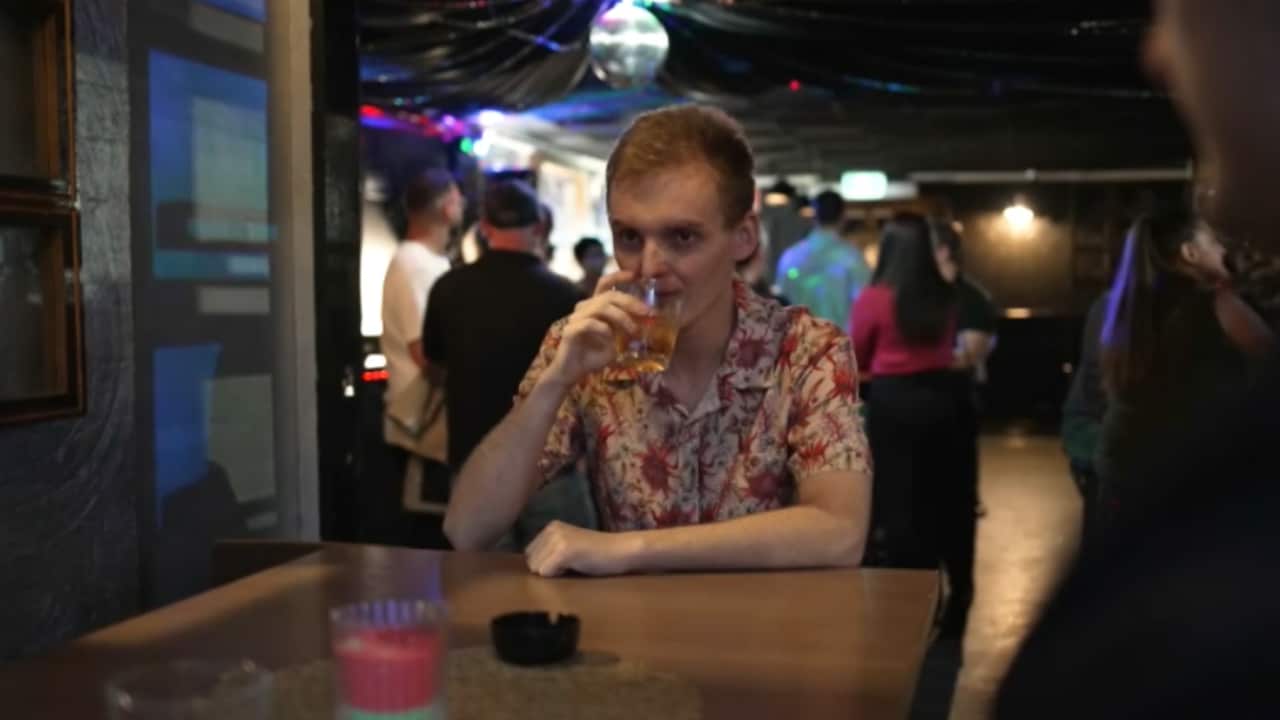
Aston has been to a couple of small dating events at bars that he says have become more popular in the years following the COVID-19 lockdowns.
"It usually starts out with me sitting on my own having an early drink, and if anyone comes up to me, that's great.
"If they don't, I'll have my drink, and I'll go home."
Watch your favourite Insight episodes around the clock on SBS On Demand's dedicated Insight channel. For the latest from SBS News, download our app and subscribe to our newsletter.

Insight is Australia's leading forum for debate and powerful first-person stories offering a unique perspective on the way we live. Read more about Insight

Have a story or comment? Contact Us







