
What do extreme sports, doomscrolling, addiction, Parkinson's disease, and ADHD all have in common? Dopamine. This crucial neurotransmitter helps facilitate reward, motivation, memory and movement within the body, but are its effects always beneficial? Watch Insight episode Chasing Dopamine on SBS On Demand.
Content warning: This article references drug use and addiction.
When I was 18 years old at a party, someone offered me ice (crystal meth), and I said yes as I was fresh out of a breakup and wanted to escape reality.
Before I knew it, 10 years had passed, and I no longer recognised the woman that stood in front of the mirror.
News that makes sense
Your trusted source for staying up-to-date with the world around you. Get free daily news updates and analysis, straight to your inbox.
There were a few factors that went into me making that decision that night.
I didn't really know who I was and placed all my worth in what other people thought about me. And I actively avoided rejection or confrontation, which meant I had no boundaries and never said no. I also had a high appetite for risk, because I thought it would make me look cool and be liked.
For the next 10 years, I would smoke amphetamines every single day — chasing dopamine and trying to regulate my emotions in an unhealthy way.
Dopamine is a neurotransmitter in the brain that contributes to our motivation, reward systems, and habit development. Dopamine is not itself addictive, but the associated substances, behaviours or activities that cause the brain to release dopamine can be.
I liken smoking ice to the dopamine centre of your brain lighting up like a Christmas tree. Your dopamine receptors are the lights, and it takes so much power to light the tree. But you need more and more of the drug to reach the feeling of your first high, to power the lights. And with regular drug use over time, the dopamine receptors start to die off, and your brain needs more drugs to feel the same high.
I experienced a full spectrum in that decade: The hard times would send me further into my addiction, and I'd try escape the reality I had created for myself.
The good times would make me believe I didn't need to change — that I could manage it all. I would still go to work, look after my health in other ways, study at university, pay my rent and maintained my relationships with family.
But all the while, I would sneak off into the toilets to smoke a pipe — just to feel normal.
Keeping something like that hidden for long periods of time is exhausting because you can never keep up the charade. Eventually, the walls start to crumble around you.
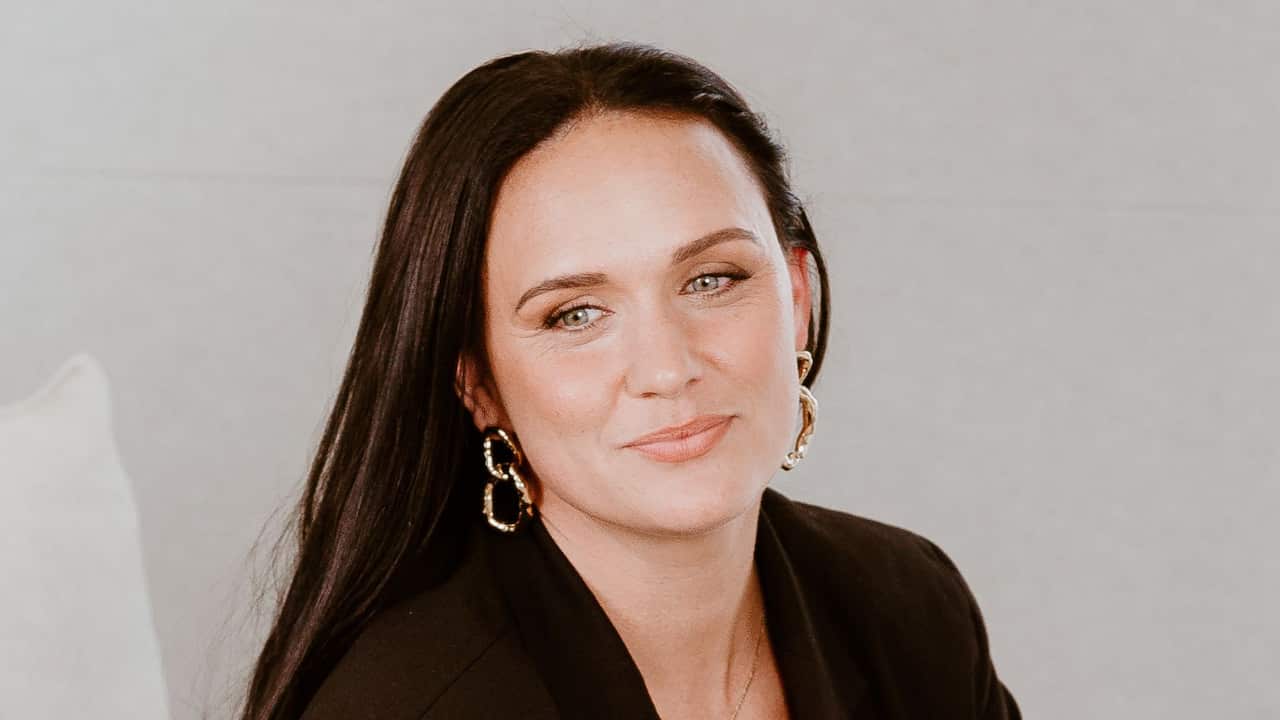
The cycle of being able to keep it all together was getting shorter and shorter.
Things would be going "well" but then something would happen, and there would be a crash; I'd become dysfunctional with periods of couch surfing, hotel hopping, unemployment and being in unhealthy relationships.
And then I would seem to get it together again and then be highly functioning again.
Until I wasn't.
A fateful decision
One day, eight years into my addiction, I found myself sitting in my unregistered car, with no phone, no money, no job and no licence, feeling desperate.
It was in this moment I realised how I could make money quickly and get myself some power back.
I went to my dealer's house and asked to sell drugs for them. It was a poor decision that would change my life forever, for better and for worse.
And the newfound agency I felt as a drug dealer soon landed me in custody several times for supply of a dangerous drug, and my longest stint behind bars was 10 months.
The first time I was in a cell was terrifying. They strip searched me and took my shoes, which meant I was barefoot on the cold concrete.
They handed me a blanket that made me itch just by looking at it, and my bed: three small square mats, which slid apart during the night and exposed my body to the cold concrete.
As I lay in the cell with my itchy blanket, I thought about how I had reached this point in my life. I also thought of nothing and slept.
You would think this would be the time I would try and get myself together — to finally be rid of the drugs.
But for me, being incarcerated only pushed me further into that life, because now I was a criminal with no hope for the bright future I once believed I was going to have.
Chasing sobriety
I had tried many times to stop using drugs before, but it never stuck.
The stints would usually last one or two months. I would move from the Gold Coast back home to Moreton Bay, Queensland, to be with my mum and dad, convinced that I was only using because of the people I hung with.
I needed to understand why I sought out that world if I was ever going to get a handle on my addiction.
Coming off ice looks different for everyone.
For me, I would just sleep and eat for weeks on end. When my body had finally detoxed the drugs, what was left was a shell of a human — devoid of life.
I felt empty, like someone had turned down the volume for colour in my world — like my capacity to enjoy anything had died.
It was a feeling I had become scared to face, and so I stopped trying to get sober and continued using.
Establishing a new path forward
It wasn't until 2018, when I was in custody for the last time that things really started to change.
When you're sitting in a cell that's two by four metres for 22 hours a day with nothing to do, you soon realise that you must look inwards and work on yourself to not land back in custody.
So, I met with an incredible therapist weekly who taught me all the thing I needed to understand so I could stop masking my head noise with drugs. This included my behaviour patterns and understanding how I showed up in the world.
I also attended a narcotics support group and learnt that your brain has pathways for behaviour. In my case, when I learned new pathways (as in new ways to handle certain emotions) my brain stops telling me that I need to use drugs.
It's an oversimplified explanation — but all I needed to hold onto to break free of that life.
These days, my life looks worlds away from the girl sneaking to the work toilets to smoke drugs.Tahlia Isaac
I had heard that your dopamine receptors die when you use ice, so I went through a time where I didn't think I'd feel happy again.
But slowly and surely, all the feelings a healthy brain lets you experience returned. Learning to emotionally regulate and sit with emotions joy, sadness, excitement, and pain has kept me from going back to drugs.
And despite everything that happened to me in that decade, I hadn't cried once. Being able to cry again was an experience I'll never forget.
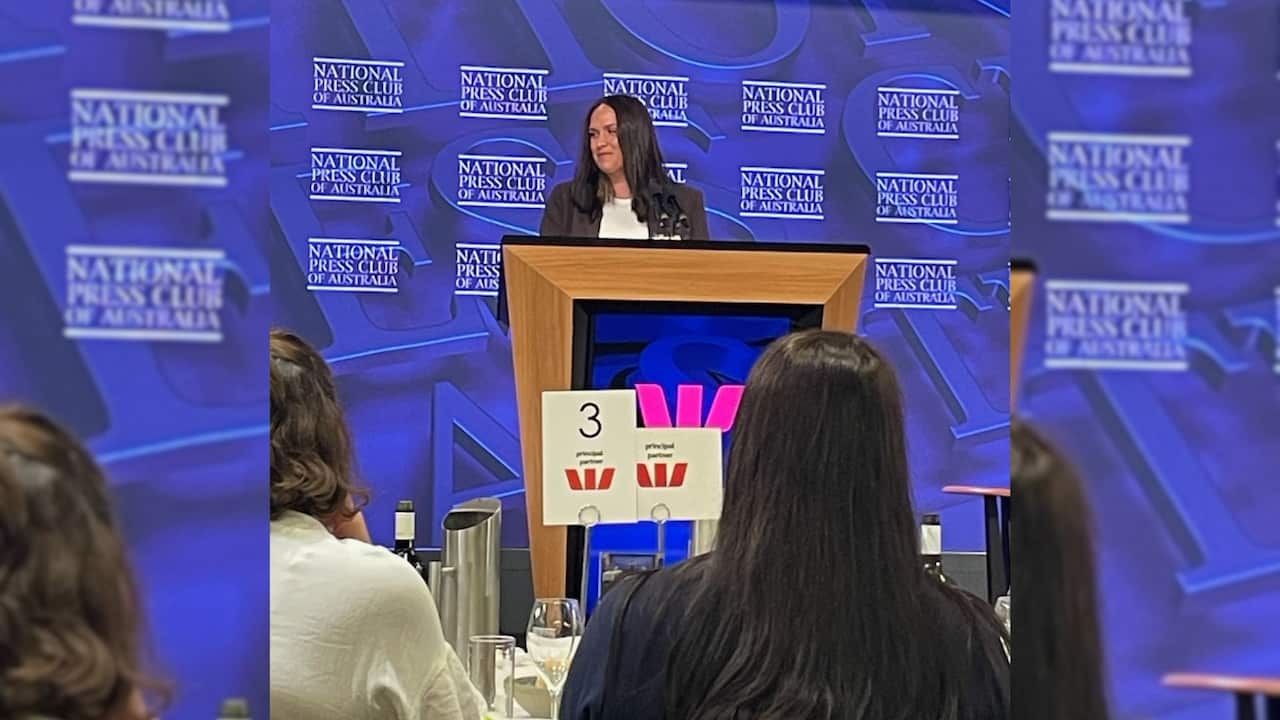
These days, my life looks worlds away from the girl sneaking to the work toilets to smoke drugs.
I have built an entirely new life that doesn't require me to run from anything or occupy myself with anything or replace the drug use with anything. I worked through it and addressed the reasons why I was using drugs. I just replaced it with life and living life.
I'm a mum, a wife, a criminologist, and a whole person who experiences a whole life.
I also founded an advocacy organisation supporting women to break their cycles of incarceration, which is my main work. Going back into women's prisons and helping them is now a much healthier dopamine hit for me.
My joy now also comes from hearing my kids laugh, soaking up the sunshine with friends at lunch, or watching the beautiful colours of a sunset.
Readers struggling with their use of alcohol and other substances can contact the National Alcohol and Other Drug Hotline on 1800 250 015 for free and confidential support 24 hours a day, 7 days a week. More information is available via Lifeline.
Watch your favourite Insight episodes around the clock on SBS On Demand's dedicated Insight channel. For the latest from SBS News, download our app and subscribe to our newsletter.

Insight is Australia's leading forum for debate and powerful first-person stories offering a unique perspective on the way we live. Read more about Insight

Have a story or comment? Contact Us







