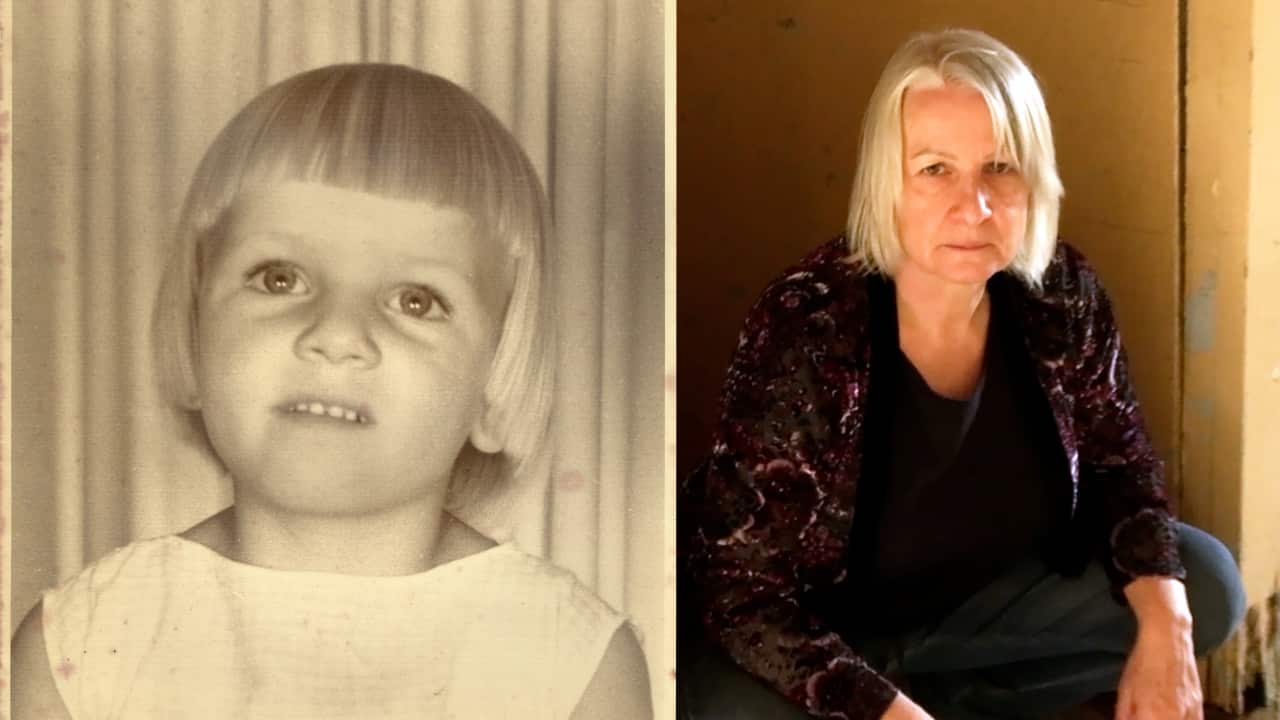
A man diagnosed with psychopathic traits, parents concerned about their children's violent behaviour, and guests who grew up believing they were bad. Are some of us born bad, or is harmful behaviour shaped by experience? How do nature and nurture influence our choices and morals? Watch Insight episode Born Bad? on SBS On Demand.
This article references sexual abuse, self-harm and suicide.
I remember playing with a dollhouse on the floor of a psychiatrist's office as a seven-year-old while my adoptive mother spoke to the psychiatrist about me having "bad genes". One week earlier, I'd set fire to my younger sister's bed.
News that makes sense
Your trusted source for staying up-to-date with the world around you. Get free daily news updates and analysis, straight to your inbox.
My parents adopted me at birth after being told that they couldn't conceive naturally. Three months later, Mum was pregnant; and before I'd turned four, they'd had four biological children.
I felt like the outsider, being the only adopted child, and I acted out — I'd scream, throw and break toys. I burnt my sister's bed (while she was not in it), rationalising that if she had nowhere to sleep, they'd have to get rid of her — not me.
We moved around a lot as kids due to my dad's work. I went to seven schools and lived in about 11 houses across four states by the time I was 14. I felt dislocated in both place and self.
Dad called me a wild cat and said he wished they'd never adopted me. I came to believe there was another girl inside me called Wild Cat. She had lit the fire. She did the bad things.
At 12, some older boys sexually abused me. From then on, I'd vanish from myself sporadically — losing sense of time and place. I also went from being a straight-A student to a struggling one.
I ran away from home, trying to escape the boys. The police brought me back after dark. My parents were frantic, thinking I'd been kidnapped. I told them what the boys had done.
Running away
When I was 13, my parents sent me to my grandmother's farm in Gippsland, Victoria, to live with her and my great-uncle after I had run away. My grandmother loved and supported me and believed in me; she was convinced I would grow up to be a teacher.
On my first day at my new school in Gippsland, I went to write my name, and instead of writing Sandra, I wrote Sandie, which I had never been called before.
It wasn't intentional; Sandra just didn't exist anymore — after the boys who abused me said vile things to me using that name.
I haven't called myself Sandra since.
Dad and the family soon transferred to a new town. I visited them for a holiday when I was 13, and because they were being kind to me, I chose to stay.
But I underestimated my resentment and anger towards them, and I started wagging school, shoplifting, and throwing tantrums — like I had when I was small.
A friend and I soon decided to run away when I was 14. We slept in an old railway shed and stole cheques we found in a trunk. We were caught and sent to juvenile detention.
That was the end of my high school education; I had only completed one year.
Going to jail
I was in juvenile detention with girls who had far more violent backgrounds, including a murderer. But there were also some like me who had wagged school.
Back then, I thought I was the problem.
I didn't read the file until years later, but one of my juvenile case notes implied that because I'd come from a "respectable" family, "they had done their best" with me. Another referred to me as a "cunning, devious girl"; I had also been labelled with a "character defect" that was not treatable.
I'd bounce from enjoying jazz ballet or typing to throwing a bedhead at the juvenile detention centre's superintendent and talcum powder around a dormitory. I'd hurl verbal abuse at people and physically harm myself.
After nine months, I was released and sent home.
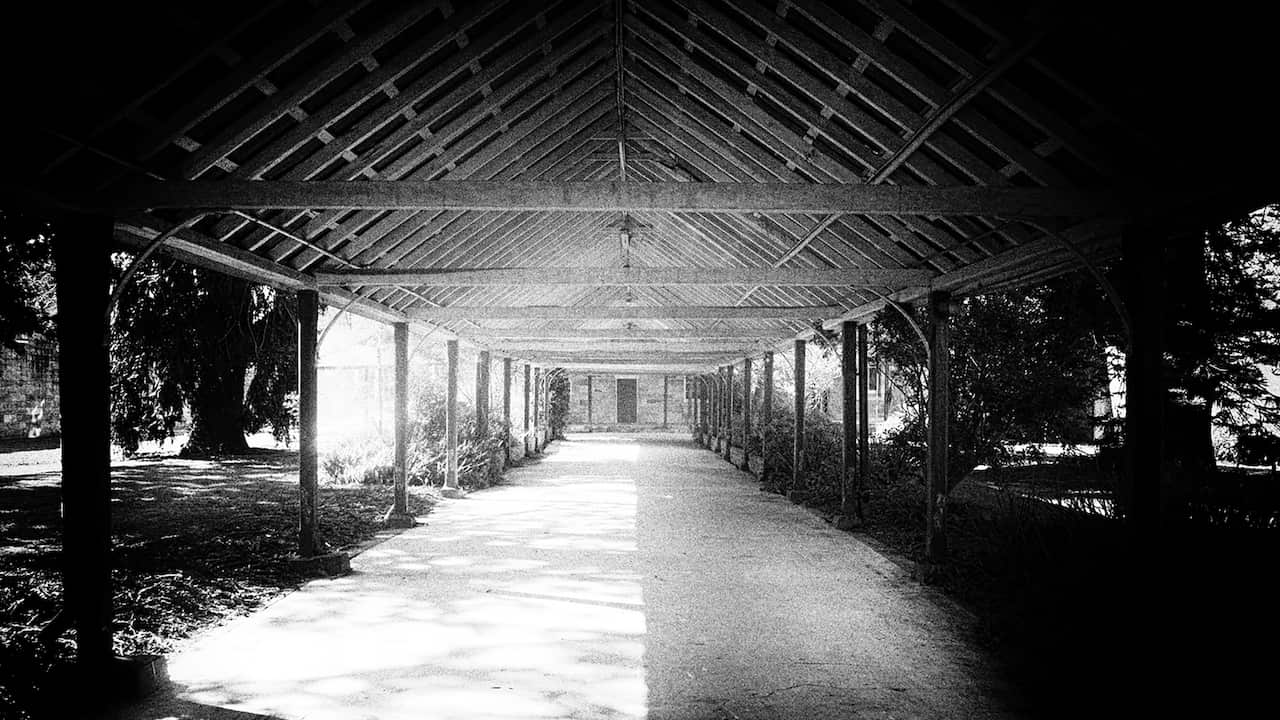
I hated being back with my parents, and I had no friends. Because I'd been locked up, no one wanted their children near me. I just stayed in my bedroom; I felt like a prisoner even though I wasn't locked in there. I was screaming the whole time and even burnt my bra. I tried to kill myself a couple of times.
My mother was kind and was trying her best, but my parents couldn't cope, and I was returned to juvenile custody on a welfare complaint of being an uncontrollable child.
All up, I spent two years in the system and escaped three times.
'I vowed never to steal again'
At 16, my life began to change.
After being released, I lived with a kind friend of my mother's, who had visited me every week with chocolates when I was in prison.
The trouble was: I was still a thief.
I got caught shoplifting, and my mother's friend convinced me to get a job so I wouldn't be locked up again.
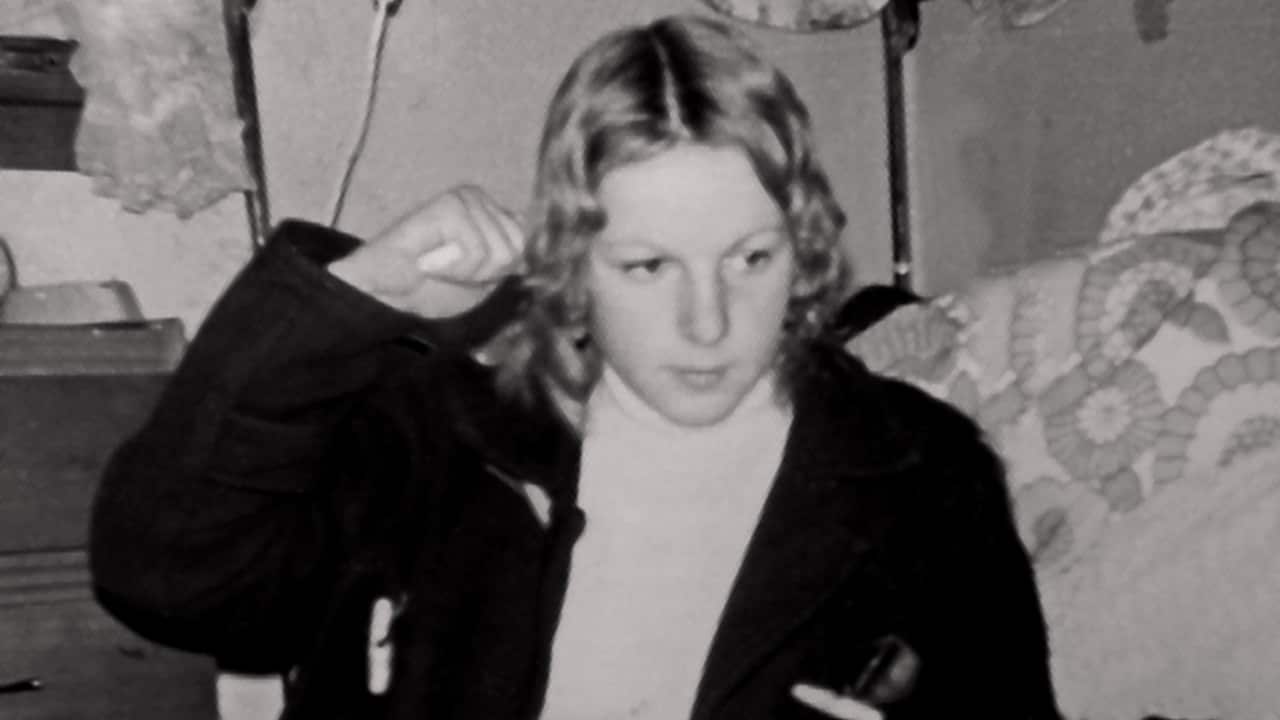
So, I found work as a mail girl in a solicitor's office and moved to a boarding house near the city.
Soon after that, I lost a close friendship with a girl I'd been locked up with after I was nearly caught stealing again. She was 18 and turning her life around.
Heartbroken by the people I'd hurt and lost, I vowed never to steal again, and I patched up my relationship with my adoptive family.
Teaching in prisons
Fourteen years later, I was a sole parent living in Woolloomooloo in Sydney when I decided to go to university; this led me to be a counsellor with NSW Health.
Later, I worked as a teacher in a men's prison for 14 years.
Ironically, my first prison job was teaching anger management. Who would have thought?
And I also taught the men life writing, a genre exploring lived experiences and memories.
When you're a prison teacher, you teach the whole person — not their crimes. Active listening is vital, not judgement; judgement puts up barriers.
The courses I taught required students to be open about themselves. It was important to me that they felt heard.
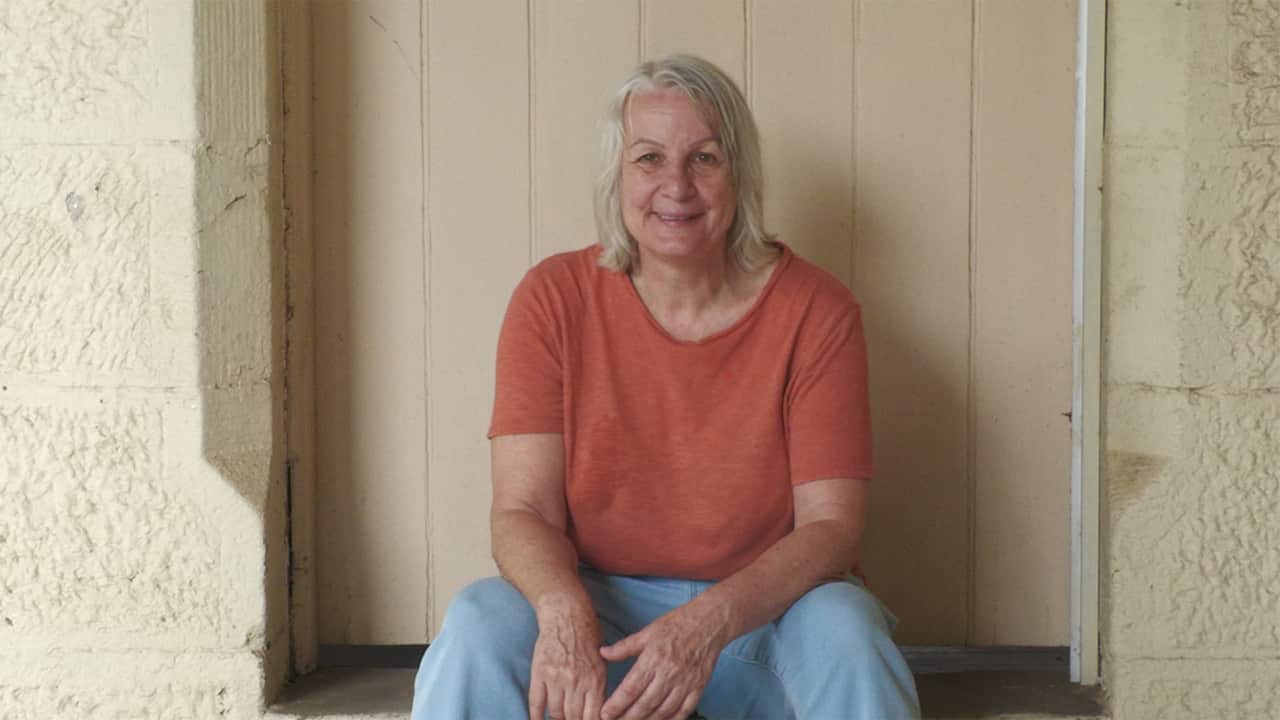
'No one is born bad'
I was in my 50s, when I asked for and read my juvenile records. It stripped my humanity, my soul, reading these comments in my middle age. It was like I just stripped bare and my trauma wasn't mentioned.
They were wrong to say that there was no hope for me. They were wrong that I was born bad.
That lost girl is still a part of me, though. I sometimes hear her voice in my head and the screams of Wild Cat.
I still dissociate, and time dissolves.
No one is born bad ... But if you tell a child they’re bad, they’ll believe it.Sandie Jessamine
For most of my life, I fled the child versions of myself, but after years of therapy I have learnt to soothe them — to remind them I'm an adult and looking after them.
No one is born bad; it's always an interaction between the person and the environment.
But if you tell a child they're bad, they'll believe it.
If you or someone you know is impacted by sexual violence, call 1800RESPECT on 1800 737 732, text 0458 737 732, or visit 1800RESPECT.org.au. In an emergency, call 000. Readers seeking crisis support can contact Lifeline on 13 11 14, the Suicide Call Back Service on 1300 659 467 and Kids Helpline on 1800 55 1800 (for young people aged up to 25). More information and support with mental health is available at beyondblue.org.au and on 1300 22 4636.
Watch your favourite Insight episodes around the clock on SBS On Demand's dedicated Insight channel. For the latest from SBS News, download our app and subscribe to our newsletter.

Insight is Australia's leading forum for debate and powerful first-person stories offering a unique perspective on the way we live. Read more about Insight

Have a story or comment? Contact Us







