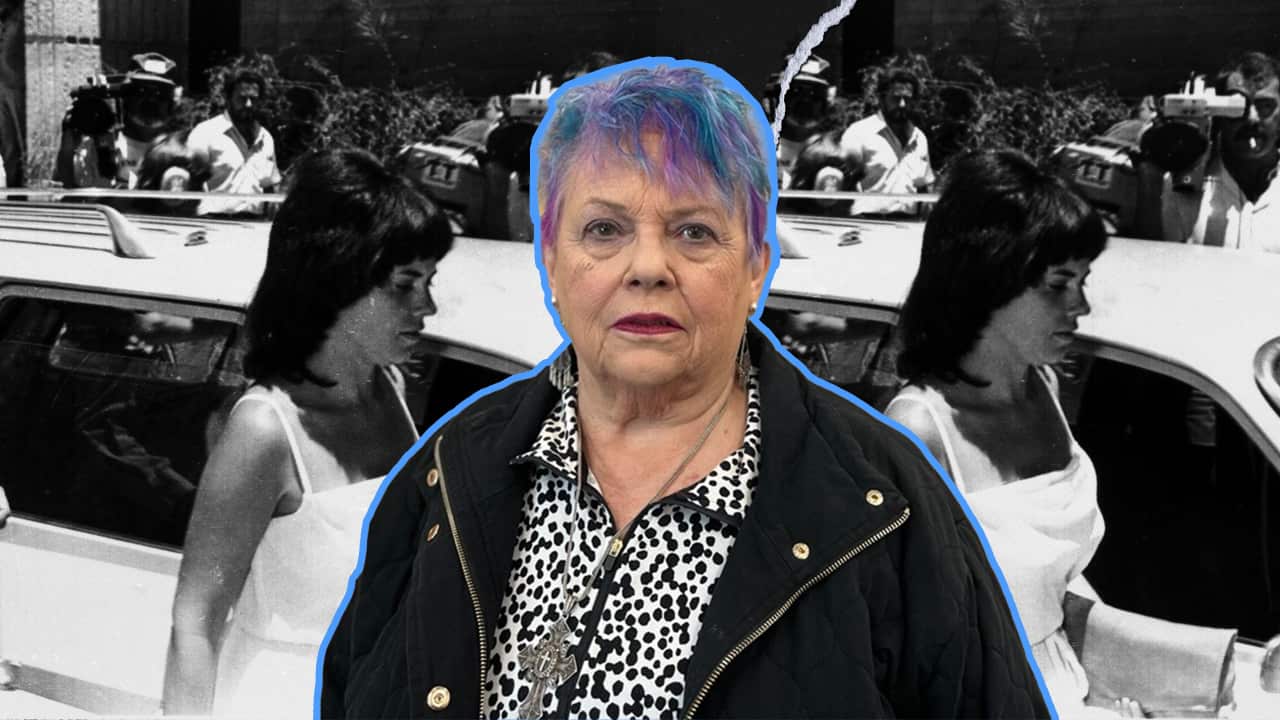
In this episode of Insight, Lindy Chamberlain and Saxon Mullins put Australia's jury system on trial. Is the idea of twelve members of the community randomly selected to decide whether a person is guilty still fit for purpose? And do they always get it right? Watch Insight episode Beyond Reasonable Doubt on SBS On Demand.
In 1982, a jury found Lindy Chamberlain guilty of murdering her nine-week-old baby Azaria in one of the most famous miscarriages of justice in Australian history.
Lindy spent the next three years in prison before she was released after a crucial piece of evidence was found.
News that makes sense
Your trusted source for staying up-to-date with the world around you. Get free daily news updates and analysis, straight to your inbox.
Her conviction was later quashed in 1988, and Azaria's death certificate was amended in 2012 to say the cause of death was a dingo. Lindy and her then husband Michael had always maintained that a dingo took Azaria from their tent at Uluru/Ayers Rock in the Northern Territory.
It has since been proven that the evidence presented in the initial trial was flawed.
Lindy clearly remembers the day her fate was left in the hands of a jury.
"I knew that the judge had summed up for acquittal", Lindy told Insight.
The Chamberlains' lawyers explained to Lindy and Michael that "[the deliberation] was going to be quick" if the jury believed the judge.
"But it wasn't quick. It took hours, which meant they weren't agreeing with the judge or with one another," Lindy said.
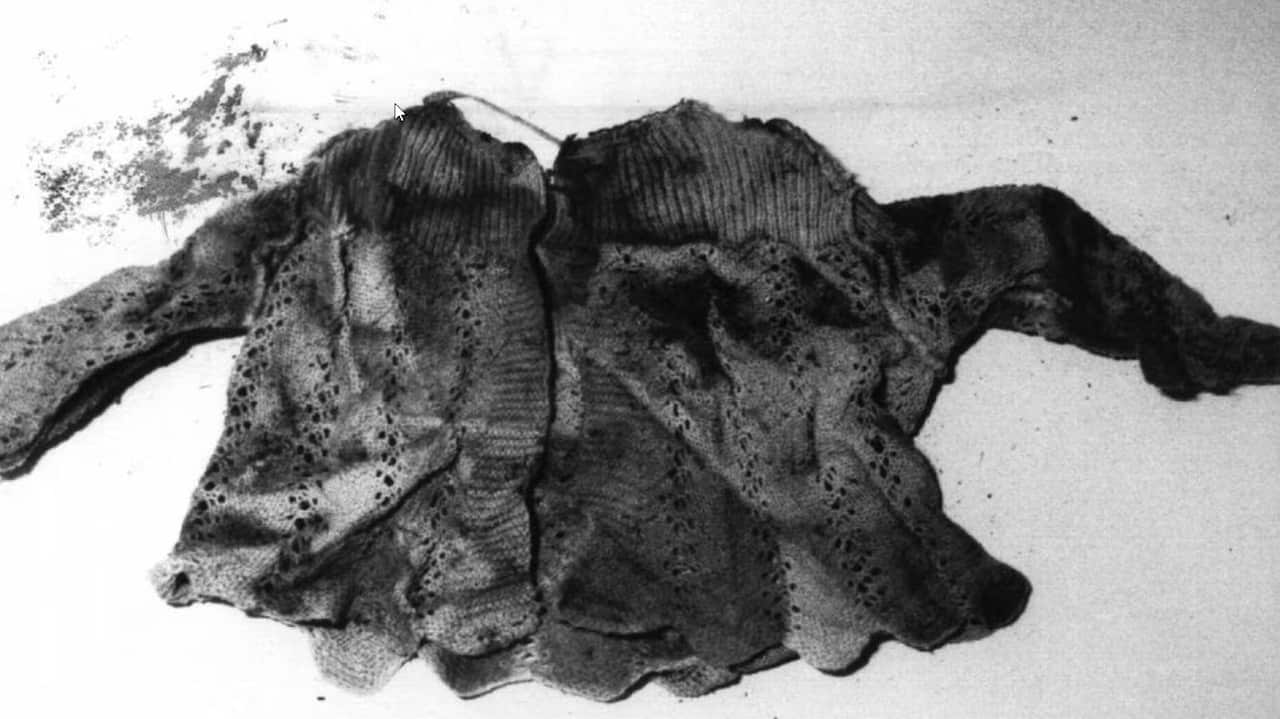
The jury delivered a guilty verdict after seven hours of deliberation. Michael was convicted of being an accessory after the fact and Lindy was sentenced to life in prison with hard labour.
"I just felt like they hadn't been peers of the evidence," Lindy said.
"They didn't understand it. They had no idea."
Lindy says that the blood evidence presented in the trial was "so difficult" that her and Michael's lawyers, Crown lawyers and other lawyers all sat down with scientists to learn about and understand the evidence — "and to know even how to ask questions".
"[The lawyers had] plenty of previous time to read and absorb, then the jury just hears it once, and it's way over their heads," Lindy said.
After Azaria's jacket was found and Lindy was released from prison, a subsequent royal commission ruled the forensic evidence at her trial was faulty.
When asked if this could have been prevented, Lindy said: "At the time, probably not because there didn't seem to be any checks and balances to see who did what."
Lindy believes that only reliable and relevant evidence must be presented to jurors, and four decades on, she is advocating for changes to the jury system.
Australia's jury system
Australia's jury system is largely inherited from the legal traditions of 13th-century England and is used for indictable (serious) offences. Juries are used in both criminal and civil cases, but are rare in the latter.
While laws regarding criminal trials vary by state and territory, usually 12 jurors are selected at random from the electoral roll. The randomness aims to bring diverse views to the case, which may balance out any individual bias.
The jury's role is to consider only the evidence and arguments presented in court.
The group then deliberates in private to decide whether a criminal defendant is guilty 'beyond reasonable doubt', which means the evidence is so compelling that there are no sensible or logical explanations as to the defendant's innocence.
However, as technology progresses, Lindy is concerned evidence is becoming too complicated.
"I've come to the conclusion that, instead of the adversarial system that we have in Australia, I would like to see all forensic expert evidence from both sides given to a roving panel of experts," she said.
Lindy proposes the panel could be made up of local and international experts who would be tasked with analysing the validity of evidence in their specific field of study. After which, only evidence approved by the panel would be presented in court.
'I couldn't live with her being in jail'
Yvonne Cain was one of the jurors in Lindy Chamberlain's trial. She says she was surprised when they called her name to take a seat in the jury box.
"I didn't think I would be chosen," Yvonne told Insight.
"I thought I'd be going home. I wasn't an important person."
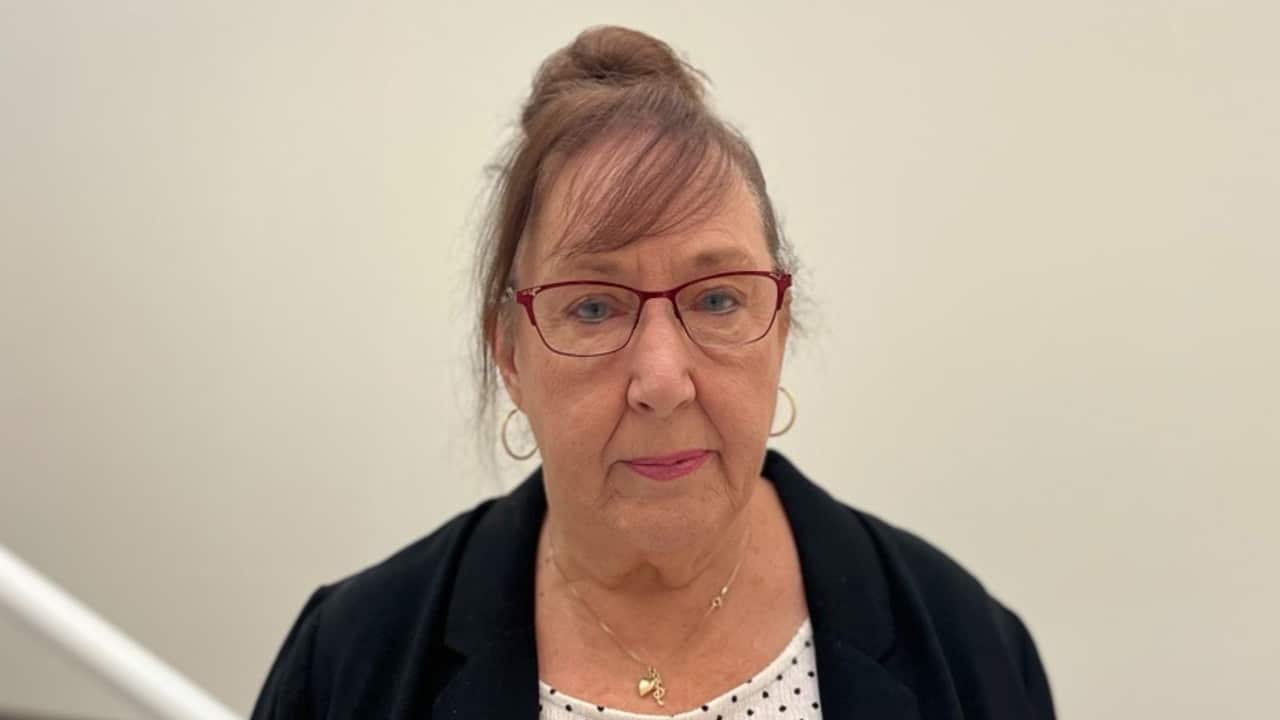
She says that after the trial, she thought about Lindy "non-stop".
Convinced the jury had got it wrong, she publicly identified herself after Lindy was sentenced and was dubbed the "crying juror" by the media.
"The judge said she was going to do life with hard labour and that got to me ..." Yvonne said.
"Those words stayed with me, and I couldn't live with her being in jail."
Jurors and the media
Understanding exactly how juries come to their decisions is difficult to study as jurors are prohibited from doing independent research or discussing case details outside the jury room. These laws have become stricter over time.
Yvonne says she doesn't recall receiving these instructions and kept up to date with the news to see what journalists thought about the case to help her own understanding.
Anthony Whealy is a former judge in the Supreme Court of NSW.
He says that "the whole of Australia was brought into the media" during the Chamberlains' case, which "would have impacted most powerfully in the Northern Territory on that jury".
"It was unrelenting media criticism and painting Lindy in the most unpleasant way," Whealy said.
"So, there was no way I think that a jury could ignore that — no matter how much the judge told them to put that aside."
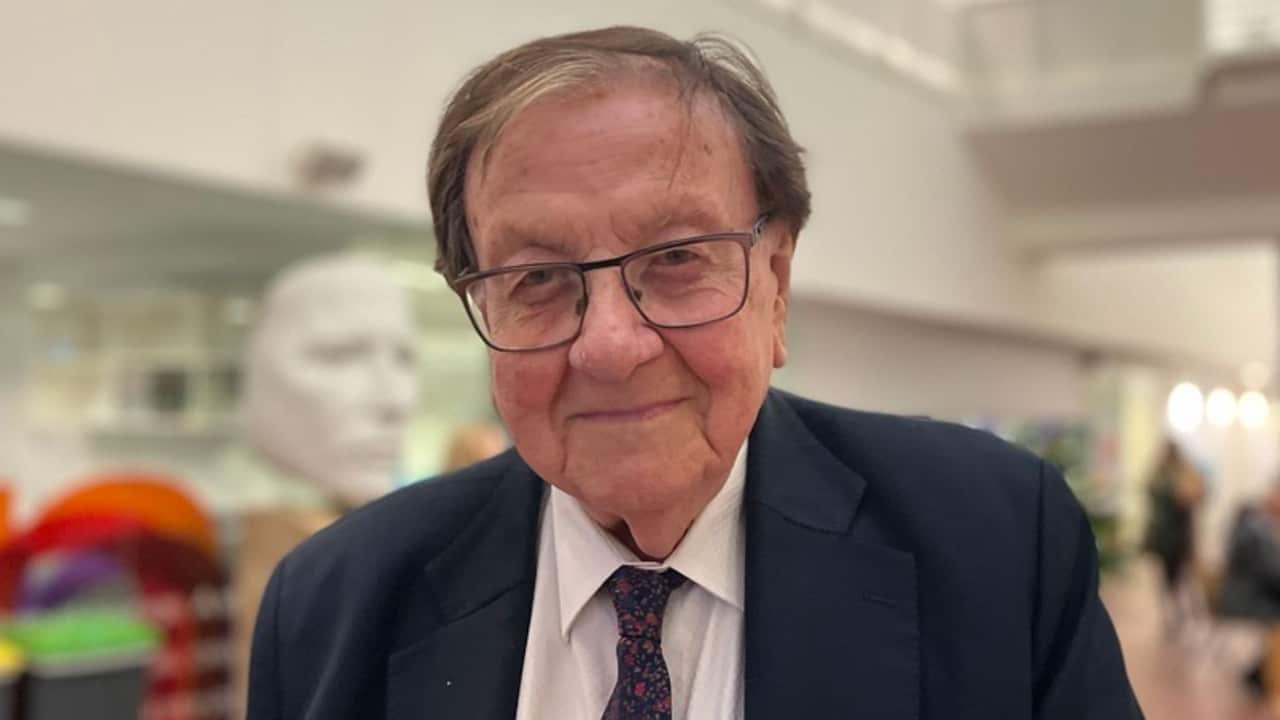
Whealy says the media's influence and jury misconduct are some of the challenges the system can face. He points to the 2022 criminal trial of Bruce Lehrmann as an example.
Former Liberal party staffer Lehrmann faced a criminal trial in the ACT Supreme Court over a rape allegation made by his former colleague, Brittany Higgins. He denied the allegation and pleaded not guilty. He maintains his innocence.
During the trial, a juror was found in possession of material that had not been presented as evidence.
"It led to the discharge of the jury and effectively aborted the trial ..." Whealy said.
"So, you have very serious consequences."
A retrial was scheduled for 2023, but the ACT Director of Public Prosecutions dropped the charges after medical evidence found there was an "unacceptable risk" posed to Higgins' life if the retrial went ahead.
Despite the potential challenges, Whealy is a firm believer in Australia's jury system.
"I was a judge for 13 years and I know all the judges that I worked with ... and I thought very highly of them for their integrity and their ability to conduct trials and to act as judges," he said.
"But I would much rather be tried by a jury than any one of them."
Can a juror ever be objective?
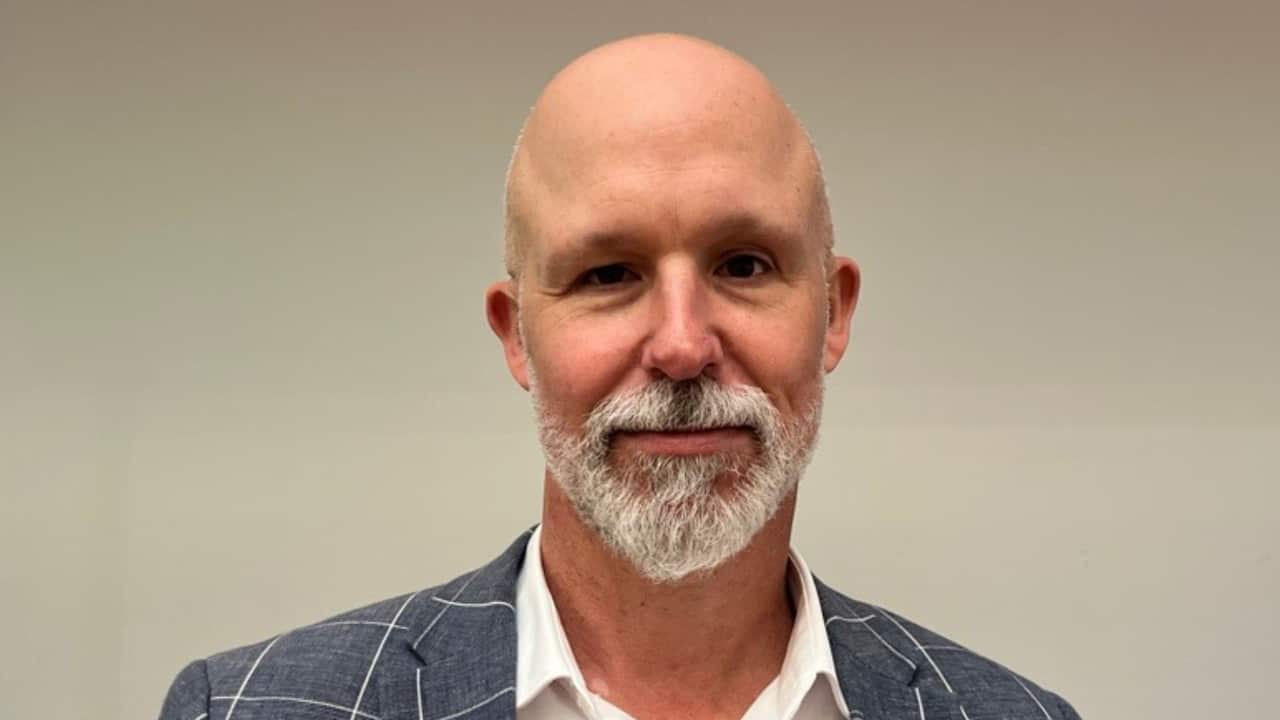
Professor Blake McKimmie is a social psychologist and researcher at The University of Queensland, specialising in jury decision-making and juror comprehension of judicial instructions.
McKimmie says that despite jurors being asked to consider only evidence presented in court, they are not a "blank slate" when they are called to serve.
"They're people, and they bring with them their understanding of the world, and that can include biases and stereotypes and mental shortcuts for navigating the world.
"These things will influence them as they're evaluating evidence. So perhaps it's not reasonable to expect a juror or anybody to be completely objective and be able to move beyond all of those biases."
Feeling relief and guilt
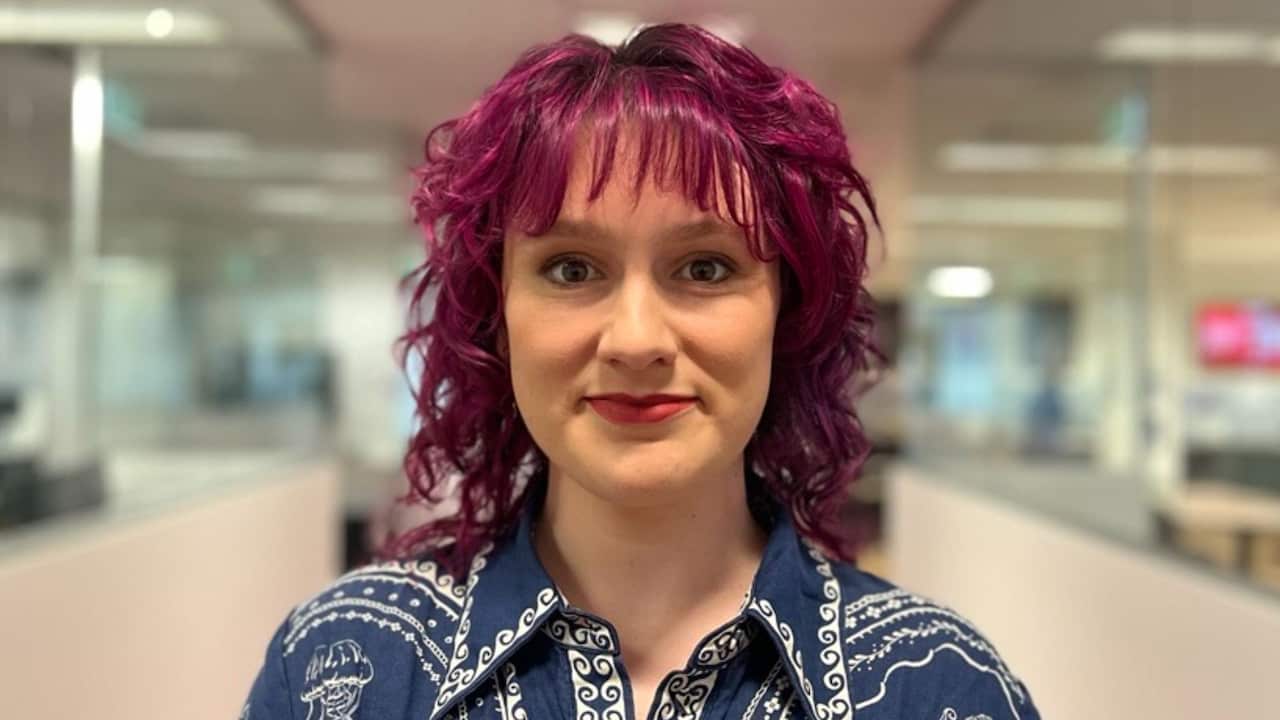
In 2018, Saxon Mullins identified herself publicly as the complainant in a sexual assault case that had been heard before a jury.
"It was a really complicated mess of feelings. I felt really relieved that they had believed me," Saxon told Insight.
" ... With the sexual assault trial, basically you're saying, 'This is my story. Do you think it's true?' and I felt like that had said 'yes'."
The jury found the accused guilty and he was given a given a minimum three-year sentence, which complicated Saxon's feelings.
"I also felt this horrible, horrible guilt that I had ruined somebody's life.
"This is my story that I decided to tell to the justice system and somebody else paid for it with a jail sentence."
The defendant in Saxon's case has always maintained his innocence and still does.
After 10 months in prison, he successfully appealed against the verdict of the first trial. In a later second trial conducted by a judge alone, he was acquitted on the basis that he could not have known that Saxon wasn't consenting to the sexual acts.
Unlike the deliberation of a jury in the first trial, Saxon was able to hear the deliberation of the judge's decision in the second.
"It was very detailed and I just felt totally disbelieved," she said.
"It was a totally different experience to a jury trial in that we got a different outcome, but also, I got to understand exactly what she thought."
Saxon has since been the driving force behind Australia's shift to affirmative consent laws, which were introduced in her state of NSW in 2022. But she says her experiences with the legal system were frustrating.
"This idea of 'a jury versus a judge', these issues that we have with juries, which is that they come in with their own bias or their own ideas, contrary to popular belief, judges are also people."
'Not very rational'
Journalist Crispin Hull was admitted as a barrister in the 1970s but never practised and has covered many trials in his career — including the Chamberlains' case.
He says the Australian criminal justice system works well "despite juries, not because of them".
"If we did away with juries and had a judge and a couple of assessors like they do in Europe, I think we'd get better outcomes," Crispin said.
"If you were going to design a criminal justice system today, you would not say, 'Oh, wouldn't it be a good idea to pluck 12 names out of the electoral vote and let them decide?'"
"I don't think that's a very rational way of getting a criminal justice system to work."
Getting it right
When Lindy was released from prison in 1986, she later met Yvonne who was a juror in her trial.
Yvonne apologised to Lindy.
"And her first words, 'Well, what have we done to you?'", Lindy said.
"And then I found myself comforting her because she was crying."
You never want somebody else to go through what you've gone through.Lindy Chamberlain
Today, Lindy is an author and advocate for criminal justice reform.
While she believes there is a lot that is good about the Australian justice system, she says that "trying to get it right and [making] it easier to get it right" is important.
"You never want somebody else to go through what you've gone through."
Readers seeking support and information about suicide can contact Lifeline 24 hours a day online and on 13 11 14. Other services include the Suicide Call Back Service on 1300 659 467, Beyond Blue and Kids Helpline (for people aged five to 25) on 1800 55 1800.
Watch your favourite Insight episodes around the clock on SBS On Demand's dedicated Insight channel. For the latest from SBS News, download our app and subscribe to our newsletter.

Insight is Australia's leading forum for debate and powerful first-person stories offering a unique perspective on the way we live. Read more about Insight

Have a story or comment? Contact Us







