This audio is voiced by AI and may occasionally mispronounce words.
Share your feedback and help us improve this feature. Read more about how we use AI at SBS here.
As medical technology advances and our awareness of good mental and physical health grows, it's never been easier to get a diagnosis. But is putting a label on what's happening in our body always a good thing? Or can it lead to harm? Watch Insight episode 'Overdiagnosed?' at 8.30pm Tuesday 22 September on SBS or SBS On Demand.
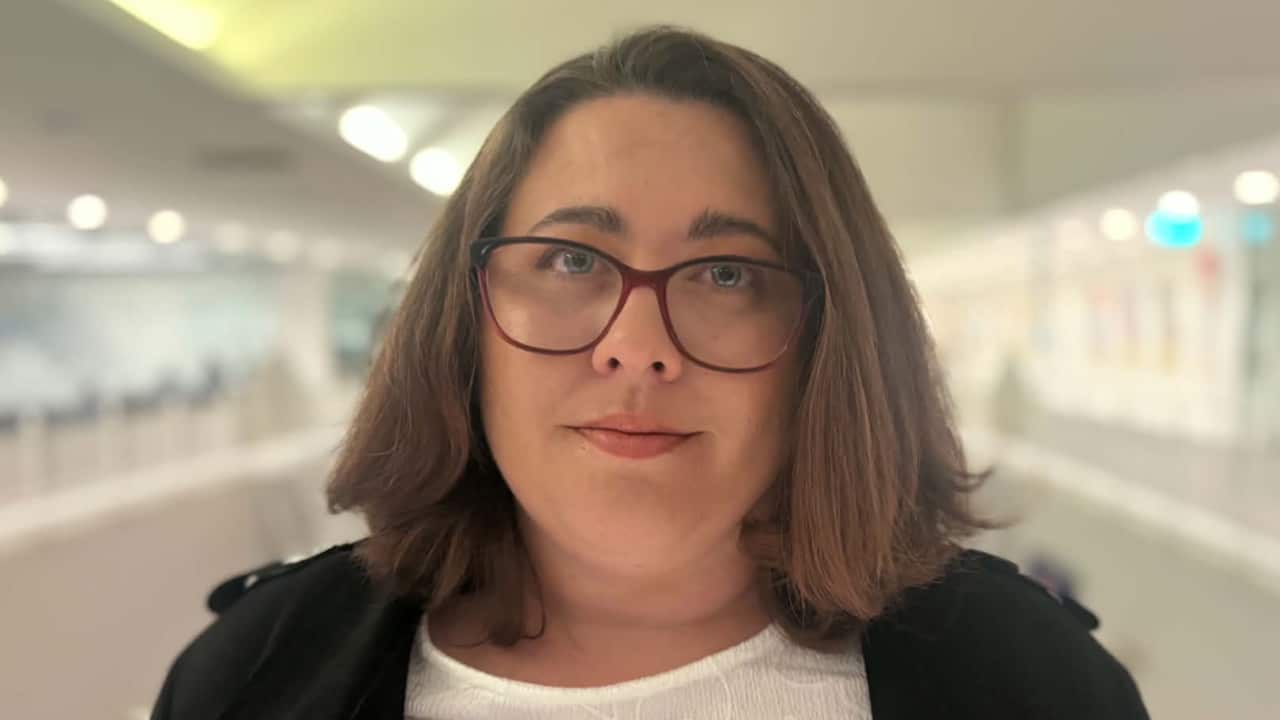
Last year, Racquel Brunzlow went to her GP for a routine checkup and left dreading the MRI and CT angiogram tests she was asked to do.
She had told the GP during the appointment that her mum had a burst brain aneurysm in recent years, and he told her it may be hereditary. An aneurysm is a weakened area in the wall of a blood vessel that can bulge out and, if it bursts, can be life-threatening.
Racquel, who is in her 30s, then found out she also had a small aneurysm in her brain.
"I was a little anxious about it — it's not every day you get told you've got a potential bomb in your brain that could go off. Otherwise, I already knew the risk factors and what to look out for because of my family history."
News that makes sense
Your trusted source for staying up-to-date with the world around you. Get free daily news updates and analysis, straight to your inbox.
A neurosurgeon then recommended she undergo a cerebral angiogram, which is an invasive procedure that involves inserting a catheter into an artery and then injecting a contrast dye while taking X-rays.
The prospect of further testing overwhelmed Racquel, who was hesitant to investigate further.
She started experiencing panic attacks because of the anxiety surrounding her diagnosis and even went to hospital by ambulance in one instance.
"I woke up in the middle of the night with hot flashes and ... a sense of dread," she said.
"I thought I was having a heart attack."
After speaking to another neurosurgeon for a second opinion, Racquel was told the cerebral angiogram wasn't needed because she was asymptomatic.
"I don't think my life is any better for knowing," Racquel said.
"I'm still asymptomatic; I just get it looked at every other year now to check on it but otherwise, there's no need for me to know."
Can we test too much?
General practitioner Justin Coleman says doctors can sometimes be too quick to order simple tests and a diagnosis of a condition "isn't always helpful" and can "occasionally be harmful".
"Most of our work is on useful diagnoses that help the patient," he told Insight.
"But the concept of over-diagnosis is where there's a label applied that doesn't actually help the patient in any way now or in the future."
Overdiagnosis is not a misdiagnosis. An over-diagnosed patient has received an accurate diagnosis (often of a very early form of a disease), but the harms, such as side effects and financial costs from unnecessary treatments or worry where there is no need, outweigh the benefits.
Overdiagnosis is often a result of overdetection when screening or testing finds an abnormality that may never lead to health problems; another cause of overdiagnosis is overdefining — when the diagnostic criteria for what is considered abnormal expands.
A 2020 study in the Australian Medical Journal analysed routinely collected Australian Institute of Health and Welfare national data to estimate recent (2012) and historical (1982) lifetime risks of five cancers. The difference in lifetime risks of cancer diagnosis between 1982 and 2012 was interpreted as probable overdiagnosis — finding that about 11,000 cancers in women and 18,000 in men may be overdiagnosed each year in Australia.
Over-diagnosis is where there's a label applied that doesn't actually help the patient in any way now or in the future.Dr Justin Coleman
Coleman says good medical practice starts with doctors listening to the individual patient to understand their risks and concerns and considering the likelihood of disease before ordering tests.
"The quality comes from listening, a good history, knowing what you're asking for, knowing the background odds for that individual and making the decision on an individual basis."
To test or not to test
For six years, Naomi Ferstera was adamant she would not have a genetic test to find out her risk of developing Alzheimer's disease, despite having a family history of it.
The 44-year-old pondered taking the test when her late mother was first diagnosed seven years ago. But then she "shoved it into a corner" of her mind and reminded herself she was already doing "everything" she believed she could do to prevent developing the disease.
"There was no additional benefit in getting a genetic test that could potentially cause me duress and make me stress and worry about whether that was going to be my fate," she said.
"It was only a risk; it's not a definitive. So I parked it and went, 'No, I'm not gonna get that done'."
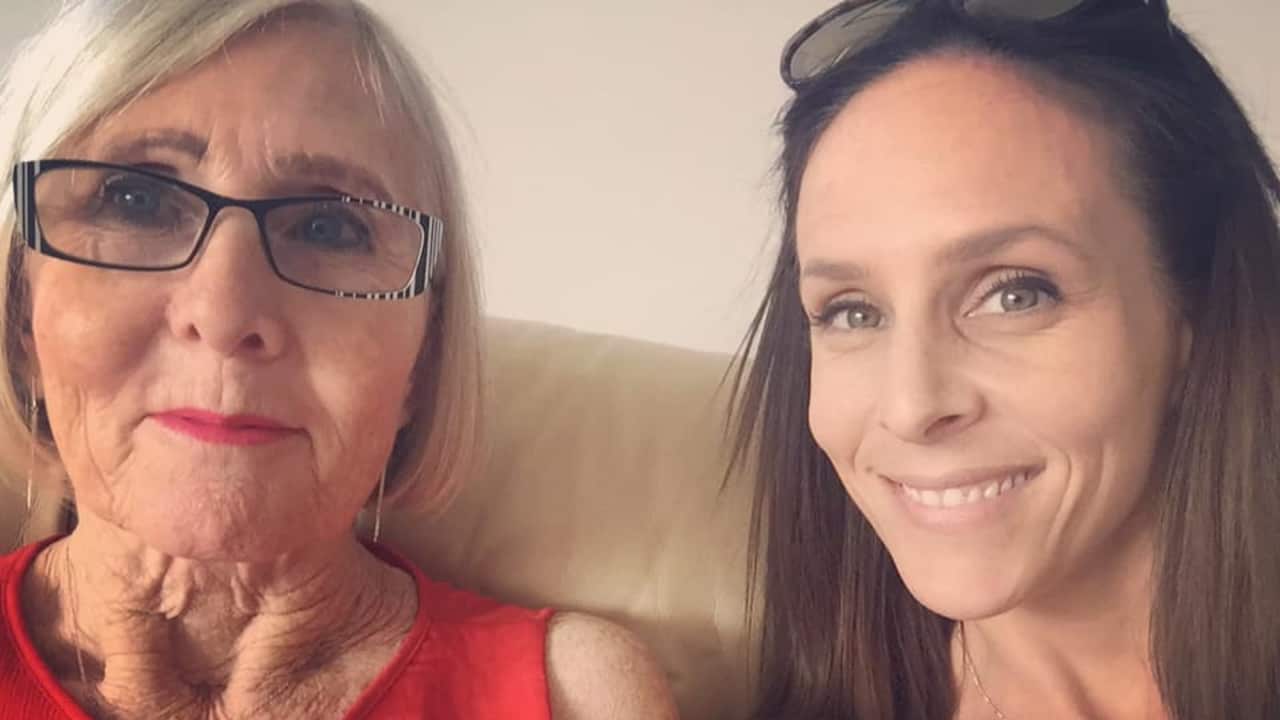
After seven years, Naomi has changed her mind. While she wants to get tested, she still finds it scary and believes a diagnosis is only worthwhile if there are potential treatments.
"Sometimes you're just lying in bed at night thinking about it and you go through your head, 'What would happen if I got that diagnosis?'"
"And I think that when you've seen dementia up close, particularly in someone you love, you're very motivated not to get it."
'It started to make sense'
Tore Robartson sees having his diagnoses for ADHD and autism as a "double-edged sword".
He was diagnosed two years ago with both conditions at the age of 57 after some conversations with his daughter who had received her own neurodivergent diagnosis at the time.
Tore was sceptical about the growing number of people saying they had ADHD, particularly on social media, but his own diagnosis changed how he understood his behaviour.
"This is why I think a certain way — and even interactions with people; it started to make sense," he said.
"But you can go down that rabbit hole, though, of getting too much information and trying to analyse yourself as well."
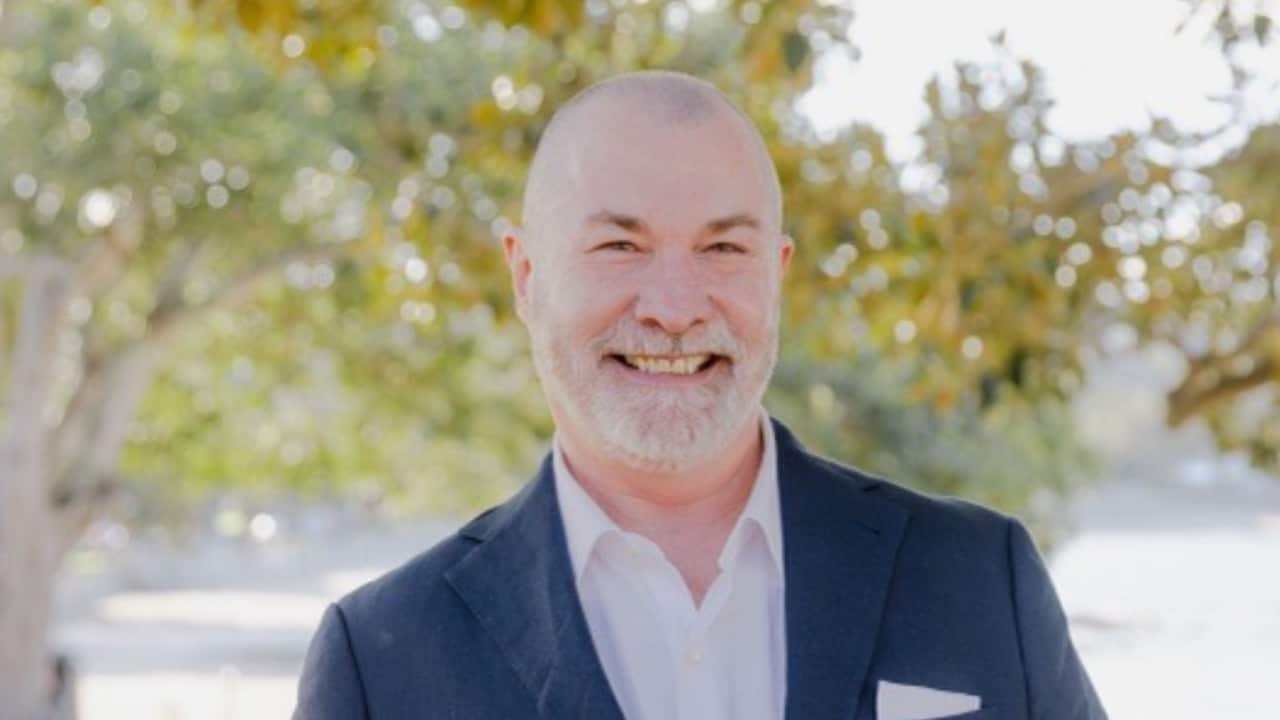
He believes that medication he has started taking as part of his ADHD treatment has made him more confident, ambitious, and productive.
But he also worries that a diagnosis can become somewhat of an excuse at times and can have an adverse effect on his behaviours.
"When you're freshly diagnosed, you take on that identity ... I always used to meet deadlines, and it was a real struggle for me to do so, but I would do it at the very last minute.
"But I kind of relaxed a bit, thinking, 'well, I've got ADHD and I've got to give myself a bit of a free pass', but it was more of a cop out."
Despite Tore's diagnosis and treatment, he doesn't identify as neurodivergent.
"I don't think of it as who I am," he said.
"It's not a label for me — it's just a condition."
'The main problem is underdiagnosis'
Professor Patrick McGorry, a psychiatrist from the Orygen National Centre for Youth Mental Health, raised concerns about increasing rates of autism spectrum disorder (ASD) and ADHD diagnoses.
"I certainly think there's over-diagnosis happening in ADHD and ASD, very significant because it's down the mild end of the pool," he told SBS Insight.
But McGorry says the debate is complicated.
"On the other hand, it is a real thing and it's underdiagnosed," he said.
"ADHD and ASD are certainly underdiagnosed in the patients that I see ... they haven't got thousands of dollars to spend on access [to getting a diagnosis]."
Diagnosis isn't just a medical barcode; it's a sociological phenomenon.Professor Patrick McGorry
He believes that while a diagnosis can be beneficial for someone seeking to understand why they are the way they are, there is a risk that people will make their diagnosis a part of their identity.
"Diagnosis isn't just a medical barcode; it's a sociological phenomenon," he said.
"But if you latch onto that identity in a way that some of these self-help groups actually do, it limits you … It disables you in some ways."
'Early testing saved my life'
For Ross Hillier, there is no question about whether he would want a diagnosis, as early testing saved his life.
Ross went to his GP when he was 42 for a general check-up and, despite having no family history of prostate cancer, was ordered to do a Prostate-Specific Antigen (PSA) test, which is usually for men over 50.
Ross' PSA level came back high, and he promptly saw a urologist, underwent an MRI and had a biopsy. He was diagnosed with stage two prostate cancer, which was later upgraded to stage three (meaning it was close to spreading to other parts of his body) after his prostate was removed.
"It was a complete and total surprise for me," Ross said.
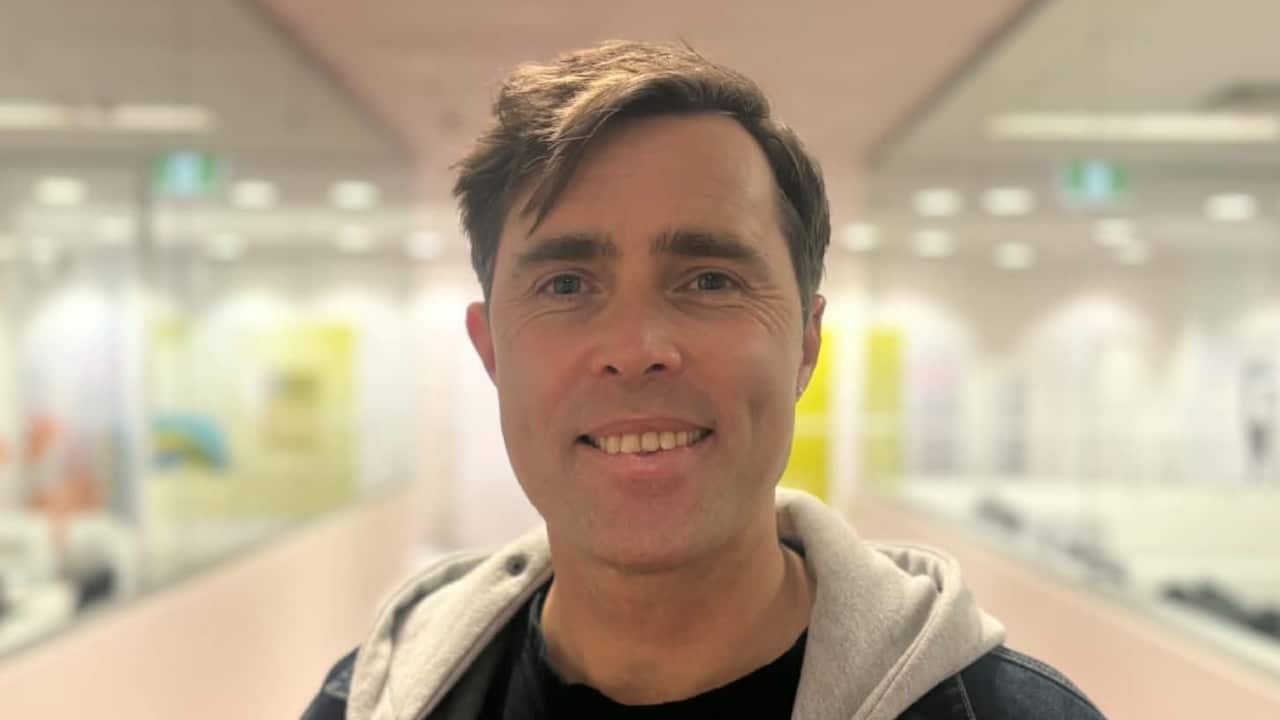
The father of four is now cancer-free and believes waiting could have changed his outcome.
"If I'd waited, I think, even a few more months ... then it would've spread through the lymph nodes and spread to other parts of my body."
"It would've been a terminal diagnosis for me."
Watch your favourite Insight episodes around the clock on SBS On Demand's dedicated Insight channel. For the latest from SBS News, download our app and subscribe to our newsletter.

Insight is Australia's leading forum for debate and powerful first-person stories offering a unique perspective on the way we live. Read more about Insight

Have a story or comment? Contact Us







